
Have you ever wondered how therapy dogs become such calm and comforting companions? If you’ve seen one in action, you know their presence can instantly ease stress and bring a smile to anyone’s face.
But what goes into training these amazing dogs to respond just right, every time? Understanding how therapy dogs are trained will give you a new appreciation for their incredible skills—and maybe even inspire you to get involved. Keep reading to discover the simple yet powerful steps behind turning a regular dog into a trusted therapy partner.
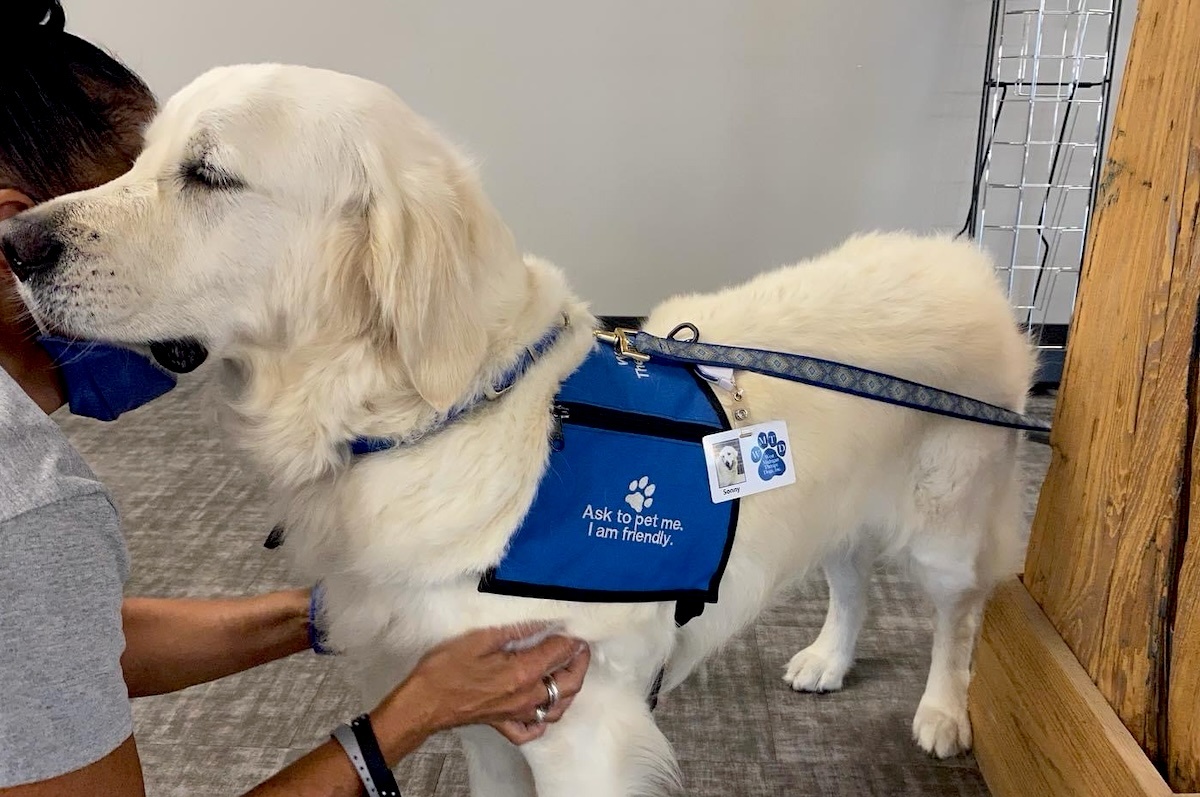
Credit: www.northernexpress.com
Choosing The Right Dog
Choosing the right dog is the first step in training a therapy dog. Not every dog fits this important role. The right dog should have qualities that help it stay calm and friendly in many situations. Trainers must think about breed, temperament, age, and health. These factors affect how well the dog will work with people in need.
Therapy dogs visit hospitals, schools, and nursing homes. They meet strangers and stay calm around loud noises. Picking a dog with the right traits makes training easier and more effective. The right dog also enjoys helping others and being around people.
Ideal Breeds For Therapy
Some breeds naturally make better therapy dogs. Labrador Retrievers and Golden Retrievers are popular. They are gentle, friendly, and easy to train. Poodles are smart and hypoallergenic, good for people with allergies. Smaller breeds like Cavalier King Charles Spaniels also work well. Breed choice depends on the dog’s nature, not just size or looks.
Temperament Traits
Temperament matters most in therapy dogs. The dog should be calm and patient. It must not get scared or aggressive easily. Friendly dogs who enjoy meeting new people do best. Dogs that stay relaxed in busy places are ideal. They should be eager to please and easy to handle. Good social skills help the dog connect with people quickly.
Age And Health Considerations
Age affects how well a dog can work as a therapy dog. Young dogs may be too energetic or not focused. Older dogs might have health problems. The best therapy dogs are often between 1 and 7 years old. Good health is critical. Dogs must pass health checks to ensure they do not spread germs. Regular vet visits keep therapy dogs fit and ready to help.
Basic Obedience Training
Basic obedience training forms the foundation for therapy dogs. It ensures they behave well in many situations. These dogs must follow simple commands and stay calm around people. Training helps them build trust and confidence. It also prepares them to work safely in hospitals, schools, and care centers.
Essential Commands
Therapy dogs learn key commands like sit, stay, and come. These commands control their actions and keep them focused. Dogs also learn to walk politely on a leash without pulling. Commands like “leave it” help them ignore distractions. These basics make sure therapy dogs act gently and predictably.
Consistency And Patience
Trainers use steady routines to teach therapy dogs. Repeating commands often helps dogs remember them better. Patience is important because some dogs learn slowly. Keeping training sessions short stops dogs from getting tired. Calm, clear signals guide dogs to the right behaviors. Consistent training builds strong habits over time.
Positive Reinforcement Techniques
Good trainers reward dogs for correct behavior. Treats, praise, and petting motivate dogs to obey commands. Positive reinforcement makes learning fun and effective. It encourages dogs to repeat good actions. Avoiding punishment creates a safe, trusting bond. This method helps therapy dogs feel happy and confident during training.
Socialization Skills
Socialization skills are key for therapy dogs. These skills help dogs stay calm and friendly. They learn to interact well with people and different places. Training focuses on making dogs comfortable in many situations. This builds trust and confidence in the dogs.
Exposure To Different Environments
Therapy dogs visit many places. Trainers take them to parks, hospitals, and busy streets. This helps dogs get used to sounds and sights. Dogs learn to stay calm despite distractions. They become ready for visits anywhere.
Interaction With Various People
Dogs meet people of all ages and backgrounds. They practice gentle greetings and calm behavior. This teaches dogs how to behave around strangers. They learn to be patient and kind. This makes visits safe and pleasant for everyone.
Handling Unexpected Situations
Therapy dogs face surprises during visits. Loud noises or sudden moves can happen. Training teaches dogs to stay relaxed and focused. They learn to trust their handler’s guidance. This helps dogs respond well to the unexpected.
Specialized Therapy Training
Therapy dogs need special training to help people feel better. This training is different from regular dog training. It focuses on teaching dogs how to behave calmly and understand people’s feelings. The goal is to make dogs safe and helpful in hospitals, schools, and other places.
Calm Behavior Training
Therapy dogs learn to stay calm in busy places. They practice sitting quietly and not barking. This helps people relax around them. Trainers use treats and praise to reward calm actions. Dogs also get used to loud noises and sudden movements. This training keeps dogs steady and gentle during visits.
Responding To Emotional Cues
Therapy dogs are taught to notice how people feel. They learn to recognize signs of sadness or stress. When a person is upset, dogs may nuzzle or stay close. This helps comfort the person without words. Trainers use role-playing to teach dogs these skills. This makes therapy dogs sensitive helpers.
Building Trust With Patients
Trust is very important between therapy dogs and people. Dogs practice gentle touching and soft eye contact. Trainers guide dogs to be patient and friendly. This creates a safe space for patients to feel calm. Over time, trust grows through many visits and care. This bond helps therapy dogs support healing.
Certification And Evaluation
Certification and evaluation are key steps in training therapy dogs. These steps ensure dogs are calm, friendly, and ready to help people. The process checks if dogs can handle different situations safely.
Therapy Dog Organizations
Many groups train and certify therapy dogs. These organizations set rules for testing and behavior. They also provide support to dog owners and handlers. Choosing a trusted group helps ensure the dog is properly trained.
Testing Criteria
Therapy dogs must pass tests on obedience and temperament. The test checks how dogs react to noise, strangers, and other animals. Dogs must stay calm and gentle in all situations. This shows they can work in hospitals or schools.
Maintaining Certification
Certification is not forever. Dogs and handlers must show good behavior regularly. Many groups require yearly check-ups or re-tests. Keeping certification helps ensure the dog stays fit for therapy work.
Credit: www.servicedogcertifications.org
Handler’s Role
The handler plays a vital role in the training and work of therapy dogs. They are the bridge between the dog and the people the dog helps. The handler guides the dog and ensures it behaves well in different situations.
They also understand the dog’s needs and feelings. This close relationship builds trust and helps the dog perform its duties effectively.
Effective Communication
The handler uses clear signals and commands to guide the therapy dog. Simple words, hand signs, and body language help the dog understand what is expected. Consistent communication creates a strong bond. It helps the dog feel confident and calm during visits.
Reading Dog’s Signals
Every dog shows feelings through body language. The handler watches for signs like tail position, ear movement, and facial expressions. These signals tell the handler if the dog is happy, scared, or tired. Recognizing these signs helps keep the dog safe and comfortable.
Ongoing Training And Care
Training does not stop after certification. Handlers continue to teach new skills and review old ones. They also care for the dog’s health and well-being. Regular exercise, vet visits, and proper diet keep the dog ready for work.
Common Challenges And Solutions
Training therapy dogs is rewarding but not without challenges. Trainers must handle stress, behavior problems, and different learning styles. Each dog is unique, needing special care and adjustments. This section explores common issues trainers face and how they solve them.
Managing Stress In Dogs
Therapy dogs face many new experiences. Loud noises and strange places can cause stress. Trainers watch dogs closely for signs like panting or shaking. They use breaks and quiet time to calm dogs down. Gradual exposure helps dogs build confidence slowly. Stress management is key to happy, effective therapy dogs.
Addressing Behavioral Issues
Some dogs show fear or aggression during training. Trainers focus on positive reinforcement to change these behaviors. Rewarding good actions helps dogs learn faster. Consistency in commands and routine is important. Trainers also teach dogs to ignore distractions. Patience and kindness improve behavior over time.
Adapting Training Methods
Every dog learns in its own way. Trainers adjust methods for each dog’s needs. Some dogs respond better to treats, others to praise. Short, frequent training sessions keep dogs interested. Using clear, simple commands helps avoid confusion. Flexibility in training leads to better results.
Success Stories
Success stories show the true value of therapy dog training. These stories reveal how trained dogs help people heal and find comfort. Each success story teaches us more about the power of therapy dogs.
Real-life Examples
A therapy dog named Max helped a young girl overcome her fear of hospitals. Max’s calm presence made her feel safe during treatments. Another dog, Bella, visited nursing homes and brightened the days of many elderly residents. These examples show how trained dogs bring joy and calmness.
Impact On Patients
Patients often feel less lonely and anxious with therapy dogs around. Stress levels drop, and smiles appear more easily. Therapy dogs help patients focus on positive moments instead of pain. This gentle support aids faster emotional recovery.
Lessons Learned
Training therapy dogs teaches patience and trust. Trainers learn to recognize each dog’s unique strengths. Success depends on clear commands and gentle guidance. These lessons improve how dogs and humans connect during therapy sessions.

Credit: www.ems1.com
Frequently Asked Questions
How Long Does It Take To Train A Therapy Dog?
Training a therapy dog typically takes 6 to 12 months. This period includes basic obedience, socialization, and specialized therapy skills. Consistent practice and positive reinforcement help dogs meet therapy standards effectively. Time varies depending on the dog’s temperament and the training program.
What Skills Are Essential For Therapy Dog Training?
Therapy dogs must master obedience, calmness, and social skills. They need to handle various environments and interact gently with people. Training also focuses on reliability, patience, and responding well to their handler’s commands. These skills ensure safety and comfort during therapy visits.
Who Can Train Therapy Dogs Professionally?
Professional dog trainers or certified therapy organizations usually train therapy dogs. They have experience in behavior, socialization, and therapy-specific tasks. Owners can also train their dogs following expert guidelines. Proper training ensures dogs meet emotional support and safety standards in therapy settings.
Are Therapy Dogs Trained Differently Than Service Dogs?
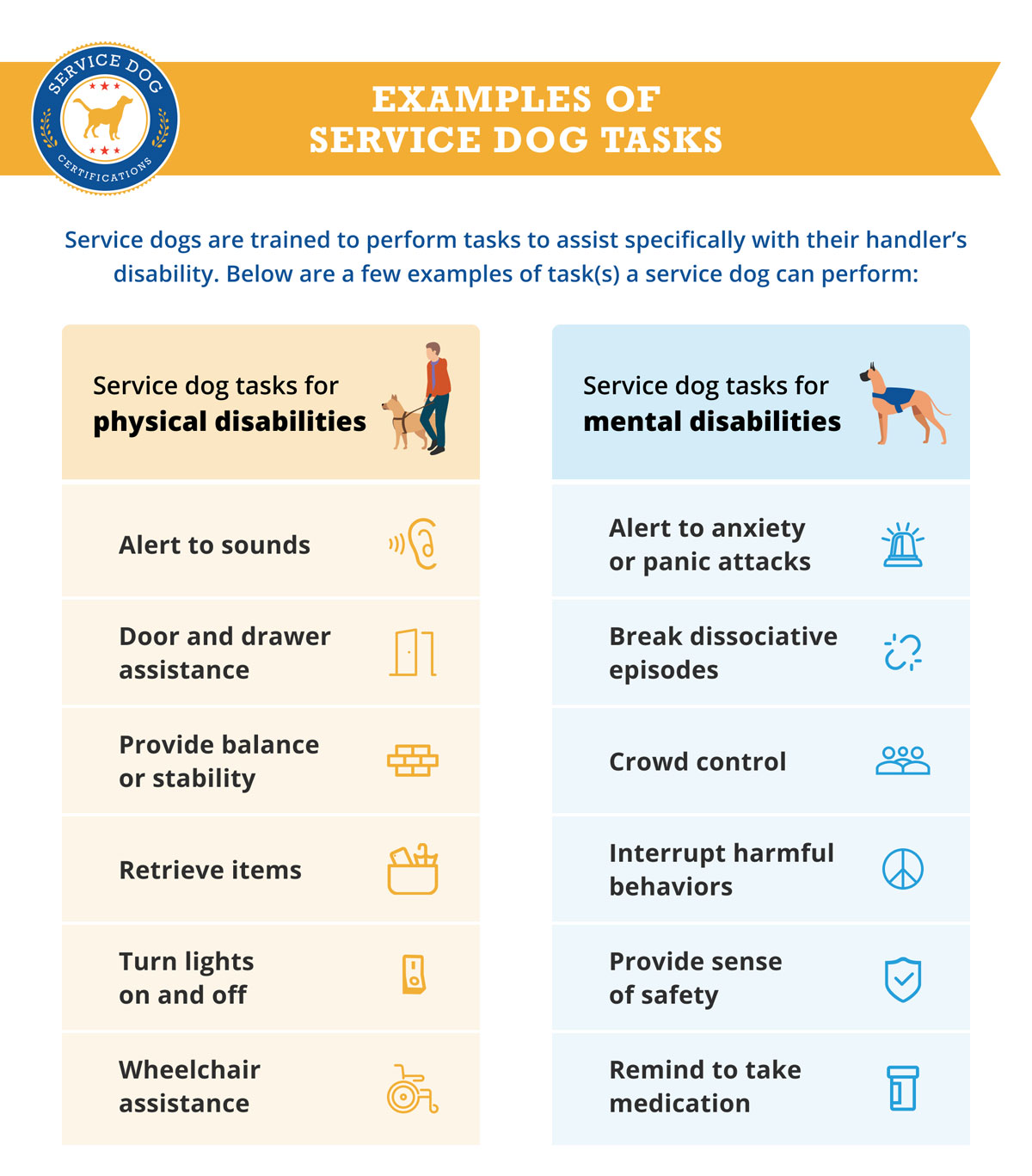
Yes, therapy dogs receive training focused on social interaction and emotional support. Service dogs are trained for specific tasks to assist individuals with disabilities. Therapy dogs work in public or clinical settings to provide comfort, while service dogs perform essential daily tasks for their owners.
Conclusion
Training therapy dogs takes patience, care, and clear steps. Trainers teach dogs how to stay calm and gentle around people. Dogs learn to listen well and respond to commands quickly. Every dog is different, so training plans change to fit their needs.
The bond between trainer and dog grows stronger each day. Therapy dogs bring comfort and joy to many lives. They show how kindness and training work hand in hand. Understanding their training helps us appreciate their special role.


