

Have you noticed your male dog acting restless, more vocal, or suddenly very focused on a nearby female? Understanding male dog in heat behavior can feel confusing and even frustrating.
You’re not alone—many dog owners struggle to make sense of these changes. But knowing what’s behind this behavior can help you manage it better and keep your dog calm and happy. Keep reading, and you’ll discover clear signs to watch for and simple ways to handle your dog’s reactions during this challenging time.
Male Dog Heat Cycle Basics
Understanding the basics of the male dog heat cycle helps pet owners manage their dogs better. Male dogs do not go into heat like females. Instead, their behavior changes when they sense a female in heat nearby. These changes happen because of hormones and natural instincts. Knowing what to expect can reduce stress for both dogs and owners.
How Male Dogs Respond To Female Heat
Male dogs show strong interest in females in heat. They may become restless and try to escape to find the female. Some dogs bark or whine more than usual. They may also mark territory by urinating more often. This behavior is driven by the desire to mate.
Hormonal Changes Impact
Hormones cause most behavior changes in male dogs during a female’s heat. Testosterone levels rise, increasing their drive to find a mate. This can make them more aggressive or protective. Some dogs show signs of anxiety or hyperactivity. These changes usually last as long as the female is in heat.
Typical Age And Frequency
Male dogs can respond to females in heat as early as six months old. Their ability to sense heat improves with age. Unlike females, males do not have a set heat cycle. They react whenever a female nearby is in heat. This can happen several times a year, depending on the females around them.
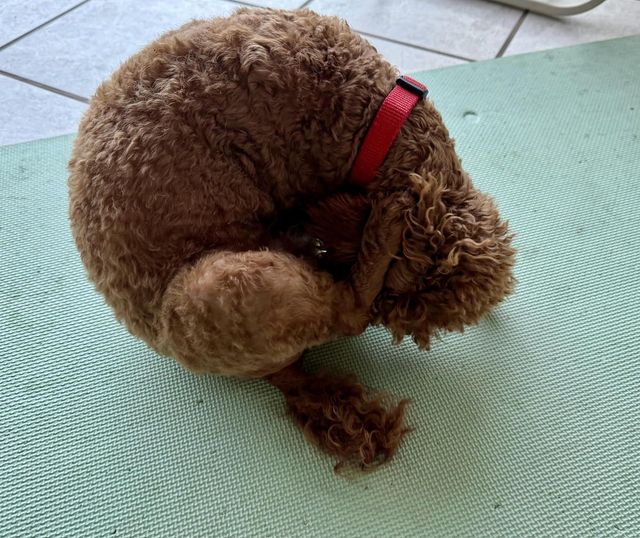
Credit: www.careanimalclinic.com
Common Behavioral Signs
Male dogs show clear signs when a female dog is in heat nearby. Their behavior changes in ways that owners can notice easily. Understanding these signs helps manage your dog’s actions better. It also reduces stress for both the dog and owner.
Increased Marking And Urination
Male dogs mark their territory more often during this time. They urinate in new places to leave their scent. This behavior signals other dogs about their presence. It can happen inside the house or outside. Owners might find more urine spots than usual.
Restlessness And Agitation
Restlessness is common in male dogs near a female in heat. They may pace or seem anxious without a clear reason. This agitation comes from strong instincts and hormones. The dog may have trouble settling down or sleeping. It can be hard for owners to calm them.
Mounting And Humping
Mounting is a natural behavior linked to mating instincts. Male dogs may hump objects, other dogs, or even people. This action shows excitement or dominance. It can increase during a nearby female’s heat cycle. Owners should guide this behavior to keep it under control.
Vocalizations And Whining
Male dogs often vocalize more when sensing a female in heat. They may whine, bark, or howl frequently. These sounds express frustration or a desire to find the female. It can be loud and persistent at times. Understanding this helps owners respond calmly and patiently.
Managing Male Dog Behavior
Managing male dog behavior during heat cycles requires patience and clear strategies. Male dogs can become restless, anxious, or overly excited. These behaviors need gentle control to keep your dog calm and safe. Consistent routines help your dog understand limits and expectations. This section covers practical ways to manage your male dog’s behavior effectively.
Exercise And Mental Stimulation
Exercise helps reduce excess energy and stress in male dogs. Regular walks and playtime keep your dog physically tired. Physical activity lowers the chances of unwanted behaviors like barking or chewing. Mental games, like puzzle toys or basic commands, keep the mind busy. A tired dog is a calmer dog. Exercise and mental work together to balance your dog’s mood.
Training Techniques
Training is key to managing challenging behavior. Use simple commands like “sit,” “stay,” and “come.” Reward good behavior with treats or praise. Avoid punishment to prevent fear or aggression. Consistency is important; repeat commands calmly and clearly. Training strengthens your bond and improves control. Regular sessions build positive habits and reduce anxiety.
Safe Spaces And Isolation
Creating a safe space gives your dog a calm retreat. Use a quiet room or crate with comfortable bedding. This helps reduce stress and overstimulation. Isolation from female dogs in heat stops frustration. Limit access to windows or doors where your dog sees other animals. A safe space provides security during times of high excitement. Respect your dog’s need for quiet moments.
Preventing Unwanted Breeding
Preventing unwanted breeding is important for responsible dog owners. Male dogs in heat can show strong instincts to mate. These urges can lead to accidental breeding. Managing their behavior helps keep your dog safe. It also avoids unplanned puppies and health risks.
Supervision And Control
Always watch your male dog closely during a female’s heat cycle. Stay near him when outside. Keep control to stop him from running toward females. Supervision reduces chances of unexpected mating. It helps you react quickly to any signs of excitement.
Use Of Barriers And Leashes
Use physical barriers like fences or gates to block access to females. Keep your dog on a leash during walks. A leash gives you control and limits his movement. Barriers and leashes prevent your dog from reaching female dogs. They are simple but effective tools to avoid unwanted breeding.
Timing Walks And Outdoor Time
Plan walks when fewer female dogs are outside. Early mornings or late evenings may be quieter times. Avoid parks or areas with many dogs in heat. Short, controlled outdoor sessions help reduce your dog’s stress. Careful timing lowers the risk of unplanned encounters.
Medical And Surgical Options
Male dogs can show strong behaviors during a female’s heat cycle. These behaviors may include restlessness, marking, and increased aggression. Medical and surgical options help manage these behaviors effectively. They also improve the dog’s health and comfort. Choosing the right method depends on the dog’s age, health, and lifestyle.
Neutering Benefits And Timing
Neutering is the most common surgical option. It removes the testicles and lowers hormone levels. This reduces unwanted behaviors like roaming and aggression. Neutering also prevents certain health problems, such as testicular cancer.
The best time to neuter varies. Many vets suggest doing it before the dog reaches sexual maturity. Early neutering can stop bad habits from starting. Some owners wait until the dog is older for health reasons.
Hormonal Treatments
Hormonal treatments can control male dog behavior without surgery. These treatments lower testosterone temporarily. They come as injections or pills. Hormonal treatments can reduce marking and aggression for a few months.
This option suits dogs that cannot be neutered. It requires regular vet visits for injections. Side effects are possible, so use under veterinary advice only.
Consulting A Veterinarian
Always consult a veterinarian before choosing treatment. Vets assess the dog’s health and behavior first. They help decide the best option for each dog. A vet can explain risks and benefits clearly.
Proper guidance ensures the dog stays healthy and happy. Follow the vet’s advice for care after surgery or treatment. Regular check-ups help monitor the dog’s progress.
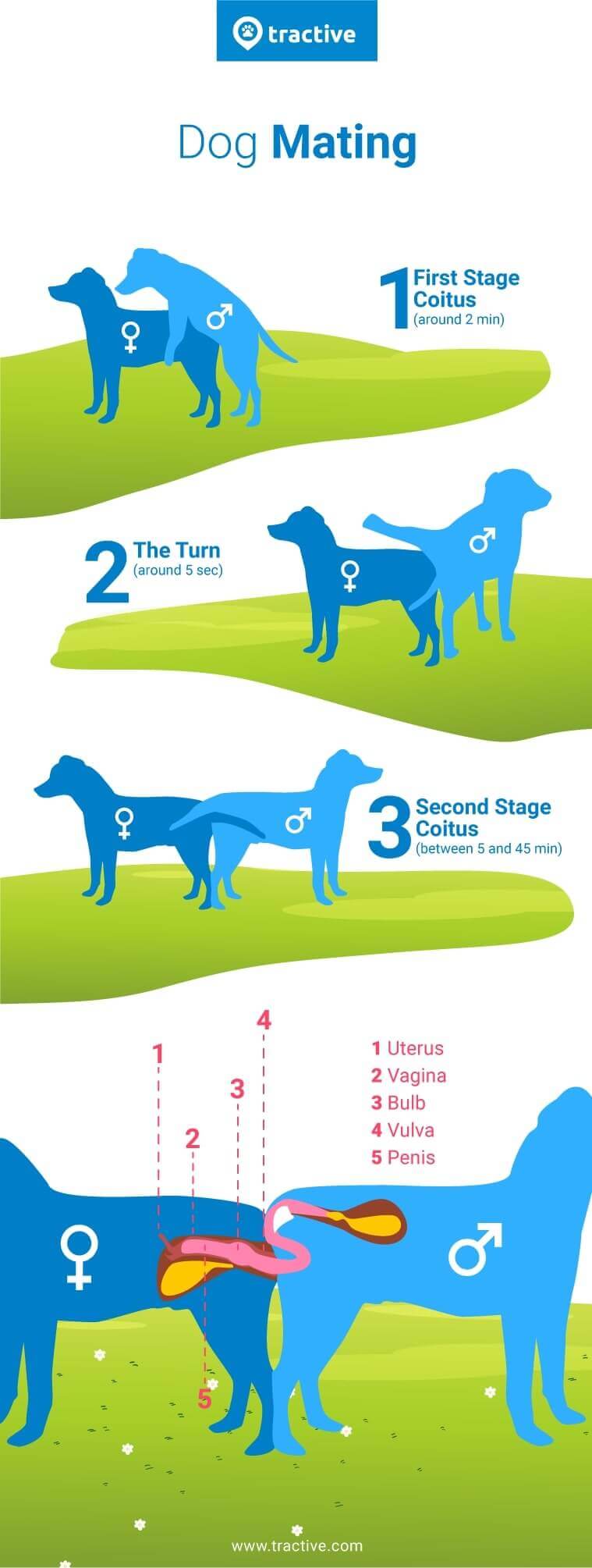
Credit: tractive.com
Dealing With Stress And Anxiety
Male dogs in heat can feel stressed and anxious. This is normal but needs care. Stress can affect their health and behavior. Helping your dog stay calm improves their mood and well-being. Here are ways to notice and manage stress in male dogs.
Signs Of Stress In Male Dogs
Watch for pacing or restlessness. Excessive barking or whining shows anxiety. Some dogs drool or pant more than usual. Loss of appetite or hiding are red flags. Scratching or biting their fur can signal stress. Recognizing these signs helps you act fast.
Calming Products And Techniques
Use calming sprays with natural scents. Soft music can soothe your dog’s nerves. Try gentle massage to relax muscles. Chew toys help distract and reduce anxiety. Consider calming collars with pheromones. These tools support your dog’s calm state.
Creating A Comfortable Environment
Provide a quiet, safe space for your dog. Keep bedding soft and clean. Avoid loud noises and sudden movements. Keep a regular routine to reduce stress. Give your dog time to rest and relax. Comfort helps your dog feel secure and calm.
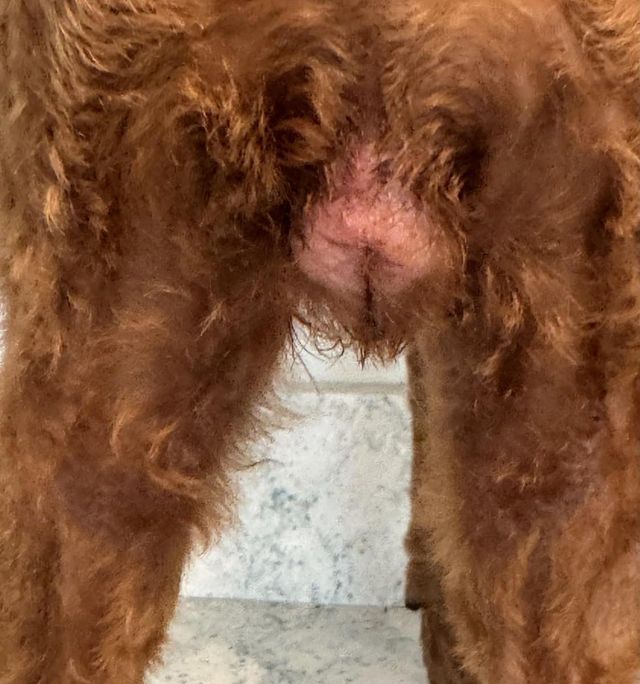
Credit: www.careanimalclinic.com
Frequently Asked Questions
Do Male Dogs Go Into Heat Like Females?
No, male dogs do not go into heat. However, they react strongly to female dogs in heat nearby. Their behavior changes due to hormonal surges and increased instincts to mate.
What Behaviors Show A Male Dog Is In Heat?
Male dogs may become restless, mark territory more, and show increased mounting behavior. They might also bark more and try to escape to find females.
How Long Do Male Dog Heat Behaviors Last?
Male dog heat-related behaviors can last several weeks, depending on the presence of a female in heat. These behaviors typically subside once the female’s cycle ends.
Can Neutering Stop Male Dog Heat Behaviors?
Yes, neutering reduces hormone levels and can greatly decrease heat-related behaviors in male dogs. It is an effective way to manage unwanted mating instincts.
Conclusion
Male dogs show clear signs when nearby females are in heat. These behaviors help them express interest and readiness to mate. Understanding these signs can help owners manage their pets better. It also keeps dogs calm and safe during this time.
Paying attention to your dog’s actions prevents unwanted stress or problems. Always provide care and patience while your male dog reacts naturally. This knowledge supports a happy and healthy environment for your pet.


