

Are you curious about what makes a dog a “breeding dog”? Maybe you’ve heard the term before but aren’t quite sure what it really means.
Understanding this can help you make smarter choices—whether you’re thinking about breeding, adopting, or just want to know more about your furry friend. You’ll discover the key qualities, responsibilities, and important facts about breeding dogs that every dog lover should know.
Keep reading, and you’ll gain insights that could change the way you see dogs forever.
Credit: www.denison-vet.com
Role Of A Breeding Dog
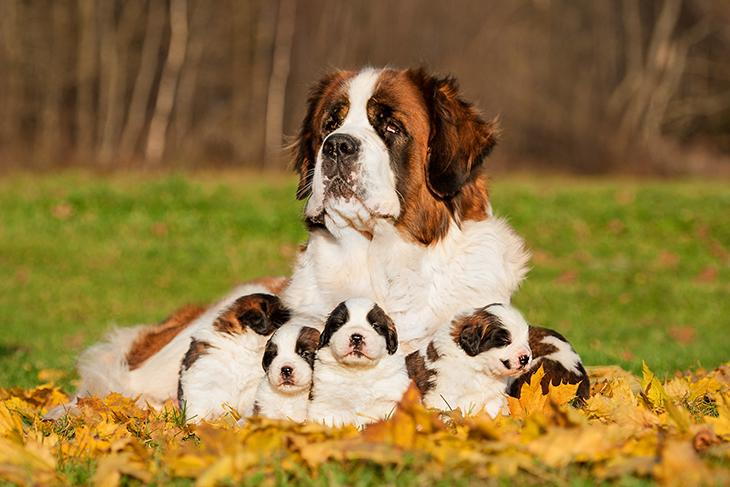
The role of a breeding dog is important in dog breeding. These dogs pass their traits to puppies. Their health, behavior, and looks affect future generations.
A breeding dog helps keep a breed’s quality. They also help improve certain traits. Breeders choose dogs carefully to keep good traits alive.
Traits That Define A Breeding Dog
A good breeding dog has strong health and good behavior. They have a clear breed type and good physical features. These dogs should have no genetic diseases. Temperament is also key. They must be calm and friendly. These traits help make healthy puppies with good character.
Purpose In Canine Lineage
Breeding dogs carry on the breed’s history. They keep breed standards true over time. These dogs shape the future of the breed. Their puppies inherit their best traits. This helps maintain strong, healthy dogs in the breed. They also help avoid passing bad traits or diseases.
Choosing The Right Breeding Dog
Choosing the right breeding dog is very important. The dog you select affects the health and traits of future puppies. Good choices lead to strong, happy dogs. Poor choices can cause health or behavior problems.
Breeders must think about many things before selecting a dog. This helps keep the breed healthy and true to its type. Here are key points to focus on.
Health Criteria To Consider
Health is the top priority. Choose dogs with no serious illnesses or conditions. Check for hereditary diseases common in the breed. Regular veterinary exams and health clearances are musts. Good nutrition and fitness also play a role.
Temperament And Behavior Factors
Temperament affects how puppies will act. Pick dogs with calm, friendly behavior. Avoid dogs with aggression or anxiety problems. Social, confident dogs make better parents. This helps puppies grow into well-adjusted adults.
Pedigree And Genetic Background
Pedigree shows a dog’s family history. Look for dogs with strong, healthy ancestors. Avoid close inbreeding to reduce genetic risks. Good pedigrees help predict traits and health. Study genetic tests to understand risks and strengths.
Health Requirements For Breeding
Health plays a vital role in breeding dogs. Healthy dogs are more likely to produce strong puppies. Meeting health requirements helps prevent passing diseases to offspring. Breeders must focus on key areas to ensure good health.
Essential Health Screenings
Health screenings check for genetic and contagious diseases. Tests for hips, elbows, eyes, and heart are common. Screening helps detect problems early. Only dogs with clear results should breed. This protects future puppies from inherited issues.
Vaccinations And Preventive Care
Vaccinations protect dogs from serious illnesses. Dogs need up-to-date shots before breeding. Regular parasite control keeps dogs free from fleas and worms. Preventive care supports overall health. Healthy parents mean healthier puppies.
Nutrition And Physical Fitness
Proper nutrition strengthens a dog’s immune system. Balanced diets support energy and reproductive health. Regular exercise keeps dogs fit and active. Good fitness improves breeding success. Strong dogs cope better with pregnancy and delivery.
Breeding Process Basics
The breeding process is an important step in creating healthy puppies. It involves careful planning and understanding of a dog’s natural cycles. Good knowledge helps ensure the well-being of both the mother and her puppies.
Breeders must follow specific steps to increase the chances of successful mating and pregnancy. Each stage requires attention to the dog’s health and behavior. Knowing what to expect makes the process smoother for everyone involved.
Timing And Mating Procedures
The right timing is key for successful breeding. Female dogs go into heat about twice a year. This period lasts around three weeks. The best time to mate is during the middle of this phase.
During this time, the female is most fertile and ready to accept the male. Mating usually happens naturally, but sometimes assistance is needed. Breeders must watch closely to know the exact day for mating.
Signs Of Readiness In Female Dogs
Female dogs show clear signs when they are ready to breed. Swelling of the vulva and bloody discharge are common. Behavior changes, like being more affectionate or restless, also occur.
These signs help breeders identify the best time for mating. Observing these cues carefully avoids missed opportunities. It also prevents stress for the female dog.
Care During Pregnancy
Pregnancy in dogs lasts about 63 days. Proper care during this time is vital. The mother needs a balanced diet and a calm environment.
Regular vet visits check the health of the mother and puppies. Exercise should be gentle and not too tiring. Clean and quiet resting areas help reduce stress.
Responsibilities Of Breeding Dog Owners
Owning a breeding dog comes with important responsibilities. These duties ensure the health and well-being of the dog and its puppies. Responsible owners focus on the dog’s care, health, and proper breeding practices. The aim is to raise healthy puppies and support the breed’s quality.
Ethical Breeding Practices
Ethical breeding means choosing dogs with good health and temperament. Owners must avoid breeding dogs with genetic problems. Breeding should improve the breed, not just produce puppies. Respect for the dog’s well-being is a priority. Avoid overbreeding and give dogs time to recover between litters.
Record Keeping And Documentation
Keeping clear records is essential for breeding dogs. Owners track health history, vaccinations, and breeding dates. Documentation helps prove the puppies’ lineage and health. It also aids in managing breeding schedules. Good records protect both the dog and the buyer.
Preparing For Puppy Care
Preparing for puppies means setting a safe, clean space. Owners must plan for feeding, vet visits, and socialization. Early care affects puppy growth and behavior. Newborns need warmth and gentle handling. Owners should be ready to support the mother dog as well.

Credit: www.airbornek9.com
Common Challenges In Breeding Dogs
Breeding dogs is not an easy task. It involves many challenges that breeders must handle carefully. These challenges affect the health and well-being of the dogs and puppies. Understanding these issues helps breeders prepare better and take proper care of their dogs.
Health Complications
Breeding dogs can face several health problems. Pregnancy and birth may cause stress or injury to the mother. Some dogs have difficulties during labor, which needs quick attention. Regular veterinary checks are important to catch health issues early. Proper nutrition and care reduce the risk of complications.
Genetic Disorders
Genetic disorders often affect breeding dogs and their puppies. Some breeds are more prone to inherited diseases. These disorders can cause pain, weakness, or early death. Testing breeding dogs for genetic problems is crucial. Responsible breeders avoid mating dogs with known genetic risks.
Behavioral Issues
Behavioral problems can appear in breeding dogs and puppies. Stress and poor handling may cause fear or aggression. Puppies learn habits from their parents and environment. Socialization and training help prevent behavior problems. Calm and friendly dogs make better breeders and pets.
Legal And Ethical Considerations
Breeding dogs involves more than just pairing animals. Legal and ethical factors play a big role in responsible breeding. These rules protect dogs and ensure breeders act with care.
Breeding Regulations And Laws
Many countries have laws to control dog breeding. These rules cover licensing, record keeping, and health checks. Breeders must follow these laws to avoid penalties. Regulations help prevent illegal and harmful breeding practices.
Animal Welfare Concerns
Animal welfare is a key concern in dog breeding. Puppies and parent dogs need proper care, food, and medical attention. Overbreeding can cause health problems. Ethical breeders prioritize the well-being of every dog.
Breeder Accountability
Good breeders take full responsibility for their dogs. They ensure dogs go to safe, loving homes. Transparency about breeding methods builds trust. Accountability also means correcting mistakes and improving practices over time.
Credit: www.newsweek.com
Frequently Asked Questions
What Is A Breeding Dog In Simple Terms?
A breeding dog is a dog specifically chosen for reproduction. These dogs have desirable traits to improve future litters. Breeders select them based on health, temperament, and breed standards. The goal is to produce healthy puppies with quality characteristics.
How Do Breeders Select A Breeding Dog?
Breeders assess dogs for health, genetics, and temperament. They ensure the dog meets breed standards and lacks hereditary diseases. Proper evaluation helps maintain breed quality and avoid genetic problems in puppies. Selection is a careful process to produce strong, healthy offspring.
Why Is A Breeding Dog Important For Dog Breeding?
Breeding dogs determine the quality and health of puppies. They pass on traits like size, coat, and behavior. Responsible breeding ensures breed preservation and puppy well-being. Choosing the right breeding dog is crucial for ethical and successful breeding practices.
Can Any Dog Become A Breeding Dog?
Not every dog qualifies as a breeding dog. Only healthy dogs meeting breed standards and free from genetic issues are chosen. Proper evaluation by experts is essential. Responsible breeders avoid breeding dogs with health or temperament problems.
Conclusion
A breeding dog plays an important role in raising healthy puppies. They need good care, health checks, and proper training. Responsible breeders choose dogs with strong traits and good temperaments. Breeding dogs help improve dog breeds over time. Knowing what a breeding dog is helps you understand this process better.
It also shows the effort behind raising new puppies. Always remember, breeding takes patience, knowledge, and care. It is not a quick or easy task. This role supports the future of many dog breeds.


