

Have you ever wondered why some dogs look and behave so differently from others? The answer lies in selective breeding—a process humans have used for centuries to shape dogs into the companions we know today.
But what exactly are selective breeding dogs, and how does this practice affect their traits and health? If you want to understand the breeds you love or are thinking about bringing a dog into your life, this article will guide you through everything you need to know.
Keep reading to discover how selective breeding has created the unique dogs you see around you and what that means for your furry friend.

Credit: www.reddit.com
Selective Breeding Basics
Selective breeding is the process of choosing specific dogs to mate. This choice depends on traits that breeders want to keep or improve. The goal is to create dogs with certain qualities.
This practice shapes many dog breeds we see today. Understanding how selective breeding works helps us know why dogs look and act the way they do.
Purpose Of Selective Breeding
Selective breeding aims to develop dogs with useful or desired traits. Some breeds are made for hunting, guarding, or herding. Others are bred for their size, color, or temperament.
Breeders focus on traits that match human needs or preferences. This makes dogs better companions or workers.
Historical Background
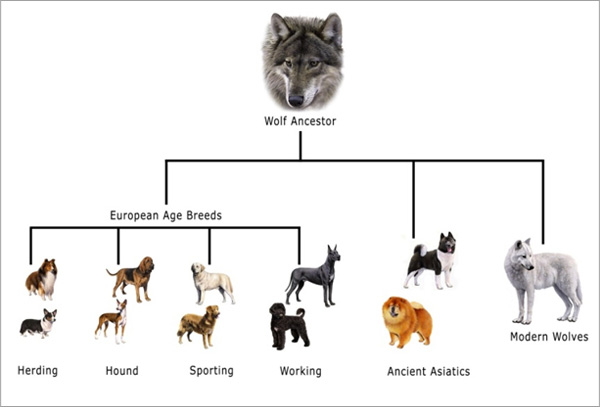
Humans began breeding dogs thousands of years ago. Early people chose dogs that helped with hunting or protection. Over time, this led to many different breeds.
Each breed has a unique history linked to the tasks it performed. The variety in dog breeds shows the long history of selective breeding.
Genetic Traits In Focus
Breeders select traits like size, coat type, and behavior. These traits come from the dog’s genes. By choosing parents with strong traits, puppies often inherit them.
This focus on genetics helps keep breed standards clear. It also helps prevent some health problems common in certain breeds.

Credit: www.reddit.com
Top Selectively Bred Dog Breeds
Selective breeding shapes many popular dog breeds today. Breeders focus on traits like size, temperament, and skills. This process creates dogs suited for specific roles or lifestyles. Here are some top selectively bred dog breeds.
Labrador Retriever
Labradors are friendly and highly trainable. They were bred for retrieving game during hunts. Their intelligence and gentle nature make them great family pets. Labs are also used as service dogs and in search missions.
German Shepherd
German Shepherds have strong work ethics. They were bred for herding and guarding sheep. Their courage and loyalty suit police and military jobs well. These dogs are smart, alert, and protective.
Bulldog
Bulldogs have a unique, muscular build. Originally bred for bull-baiting, they are now calm companions. Their loose skin and flat face are distinct breed features. Bulldogs are known for being stubborn but loving.
Poodle
Poodles are known for their curly coats and intelligence. They were bred as water retrievers. Their hypoallergenic fur makes them popular with allergy sufferers. Poodles come in different sizes: standard, miniature, and toy.
Dachshund
Dachshunds have long bodies and short legs. They were bred to hunt badgers underground. Their bold and curious nature stands out. These dogs are playful and make good watchdogs.
Traits Shaped By Breeding
Selective breeding shapes many traits in dogs. Breeders choose parents to pass specific features. These traits affect how dogs look, act, and stay healthy. Understanding these traits helps us see why dogs vary so much.
Physical Characteristics
Selective breeding changes a dog’s size, color, and coat type. Some breeds have short legs or long ears. Others have thick fur or smooth skin. These traits help dogs do certain jobs or fit certain homes. Physical traits often make each breed unique and easy to recognize.
Temperament And Behavior
Breeders also select dogs for their behavior and moods. Some dogs are calm and gentle, good for families. Others are alert and energetic, great for work like guarding or hunting. Temperament traits guide how dogs interact with people and other animals. These traits make dogs suited for different roles and lifestyles.
Health Implications
Selective breeding can affect a dog’s health. Some traits may cause health problems over time. For example, very flat faces can lead to breathing issues. Breeders try to avoid these problems but not always successfully. Knowing health risks helps owners care better for their dogs.
Surprising Facts About Selective Breeding
Selective breeding in dogs has shaped many breeds we see today. It involves choosing specific dogs to mate, aiming for certain traits. Some facts about this process may surprise you. These facts reveal the history, intelligence, and ethical questions behind selective breeding.
Unexpected Breed Origins
Many dog breeds have surprising origins. For example, the Chihuahua likely comes from ancient Mexican dogs. Some breeds mixed with wild animals long ago. These origins affect their looks and behavior. Understanding breed history helps explain their traits today.
Breeding And Dog Intelligence
Selective breeding can affect a dog’s intelligence. Breeders often choose dogs for their problem-solving skills or obedience. Some breeds rank higher in learning ability due to this. Yet, intelligence varies widely even within the same breed. Environment also plays a big role in a dog’s smarts.
Ethical Concerns And Debates
Selective breeding raises many ethical questions. Some practices prioritize appearance over health. This can cause genetic diseases in dogs. Animal lovers and experts often debate the fairness of this. Many call for responsible breeding focused on well-being, not just looks.
Future Of Dog Breeding
The future of dog breeding holds many changes. It aims to create healthier dogs with better traits. Advances in science and changing views shape this future. Breeders now focus more on health and well-being. The way dogs are bred will likely improve significantly.
Advances In Genetic Technology
New genetic tools help breeders understand dog DNA better. They can find genes linked to diseases and avoid them. This reduces health problems in future puppies. Genetic testing also helps keep breed traits strong. Science makes breeding more precise and safer.
Breeding For Health And Longevity
Breeders now focus on dogs’ health more than looks. Selecting for strong immune systems and long life is common. This means dogs live happier, longer lives. Breeding plans include avoiding inherited diseases. Health checks before breeding are becoming standard.
Shifting Public Attitudes
People want dogs that are healthy and happy. They care less about rare or fancy features. Ethical breeding practices gain more support. Puppy buyers ask about health and care standards. Breeders respond by improving how they raise dogs.
Credit: www.offleashk9training.com
Frequently Asked Questions
What Is Selective Breeding In Dogs?
Selective breeding in dogs is choosing specific dogs to mate. Breeders aim to enhance desired traits like size, coat, or behavior. This practice helps develop distinct breeds with consistent characteristics.
Which Dogs Are Commonly Selectively Bred?
Popular selectively bred dogs include Labradors, German Shepherds, and Bulldogs. Breeders focus on traits such as temperament, appearance, and working ability. These breeds often meet specific needs like companionship or service.
Why Do Breeders Practice Selective Breeding?
Breeders practice selective breeding to improve health, behavior, and appearance. It maintains breed standards and enhances traits valuable to owners. This controlled breeding reduces genetic disorders in dog populations.
Can Selective Breeding Affect Dog Health?
Yes, selective breeding can impact dog health. It may increase risks of hereditary diseases if not managed properly. Responsible breeding includes health testing to minimize genetic problems.
Conclusion
Selective breeding shapes dogs to fit specific roles and needs. It creates many breeds with unique traits and skills. This process helps dogs serve as hunters, helpers, or companions. Understanding selective breeding explains why dogs look and act so differently.
It also shows the bond between humans and dogs through time. Choosing the right breed means knowing their history and purpose. Each breed has strengths suited for certain tasks or families. This knowledge helps owners care for dogs better and enjoy their company more.
Selective breeding remains a key part of how dogs grow with us.


