

Are you wondering when dog breeding season happens and how it affects your furry friend? Understanding the right time for breeding can make a big difference in your dog’s health and happiness.
Whether you’re a dog owner thinking about puppies or just curious about your pet’s behavior, knowing the timing of breeding season is key. Keep reading to discover everything you need to know about dog breeding season and how it impacts your dog’s life.
Dog Breeding Basics
Dog breeding is a natural process that requires understanding key basics. Knowing when dogs are ready to breed helps owners plan better. It also promotes the health of both the mother and puppies. This section covers important facts about dog breeding timing and breed differences.
Breeding Season Timing
Most female dogs go into heat twice a year. This heat cycle lasts about three weeks. The best time to breed is during the second week of heat. Male dogs can breed any time but show more interest when females are in heat. Seasons do not strongly affect breeding in most dogs. Indoor dogs may have less seasonal variation in their cycles.
Breed-specific Variations
Some breeds have different heat patterns. Small breeds often come into heat earlier than large breeds. Large breeds may have fewer heat cycles each year. Certain breeds can have irregular cycles or longer heat periods. Knowing breed traits helps prepare for breeding times. Always observe your dog’s behavior and health closely.
Signs Of Heat In Female Dogs
Female dogs show clear signs when they enter their heat cycle. Recognizing these signs helps dog owners prepare and care for their pets properly. The heat cycle usually happens twice a year and lasts about three weeks. During this time, female dogs go through physical and behavioral changes that are easy to notice.
Physical Symptoms
One of the first signs is swelling of the vulva. This swelling can be quite noticeable and lasts for several days. A bloody discharge often starts soon after swelling. The color and amount may change during the cycle. Female dogs may also lick their genital area more than usual. Some dogs have a slight loss of appetite during this time. These physical symptoms show the dog is in heat and ready for breeding.
Behavioral Changes
Female dogs act differently during their heat cycle. They may become more restless and pace around often. Some dogs want extra attention and seem more affectionate. Others might be more shy or even irritable. Female dogs in heat often try to escape or roam more. They may lift their tail and show interest in male dogs nearby. These behaviors help signal their readiness to mate.
Male Dog Readiness
Male dog readiness is a key part of the breeding process. Understanding this helps dog owners know the right time for breeding. Male dogs do not have a strict season like females. Instead, their readiness depends on different signs and behaviors. This section explains how to detect male dog fertility and what behaviors to watch for during breeding season.
Detecting Fertility
Male dogs produce sperm all year round. Their fertility peaks when a female is in heat nearby. Healthy males show firm testicles and active sperm production. A vet can check sperm quality with tests. Good fertility means strong, active sperm ready for breeding.
Behavior During Breeding Season
Male dogs act different when females are in heat. They become more alert and restless. Some may bark, roam, or try to escape to find a mate. They often mark territory with urine more than usual. These behaviors show they are ready to breed.

Credit: www.poiseahts.com
Factors Affecting Breeding Cycles
Dog breeding cycles depend on several key factors. These factors affect when a female dog goes into heat and how often. Understanding these helps predict breeding seasons better. Breeding cycles vary by dog age, health, and environment. Each plays a major role in the timing and success of breeding.
Age And Health
Age affects breeding cycles strongly. Young dogs may have irregular cycles. Older dogs might cycle less often. Health also changes breeding patterns. Healthy dogs tend to have regular heat cycles. Illness or poor nutrition can delay or stop cycles. Monitoring a dog’s health helps manage breeding times well.
Environmental Influences
Season and light exposure impact breeding cycles. Dogs often breed more in spring or fall. Longer daylight hours trigger hormonal changes. Temperature and climate also matter. Dogs in colder places may cycle differently than those in warm areas. Changes in routine or stress can affect heat cycles too.
Managing Breeding Timing
Managing the timing of dog breeding is very important for healthy puppies and happy owners. Knowing the right time to breed helps avoid health problems for the mother and the puppies. It also makes sure the puppies have the best chance to grow strong and healthy.
Careful planning helps keep the breeding process smooth and safe. It also stops unwanted litters that can cause stress for both dogs and owners. Understanding the breeding cycle helps make better decisions.
Optimal Mating Periods
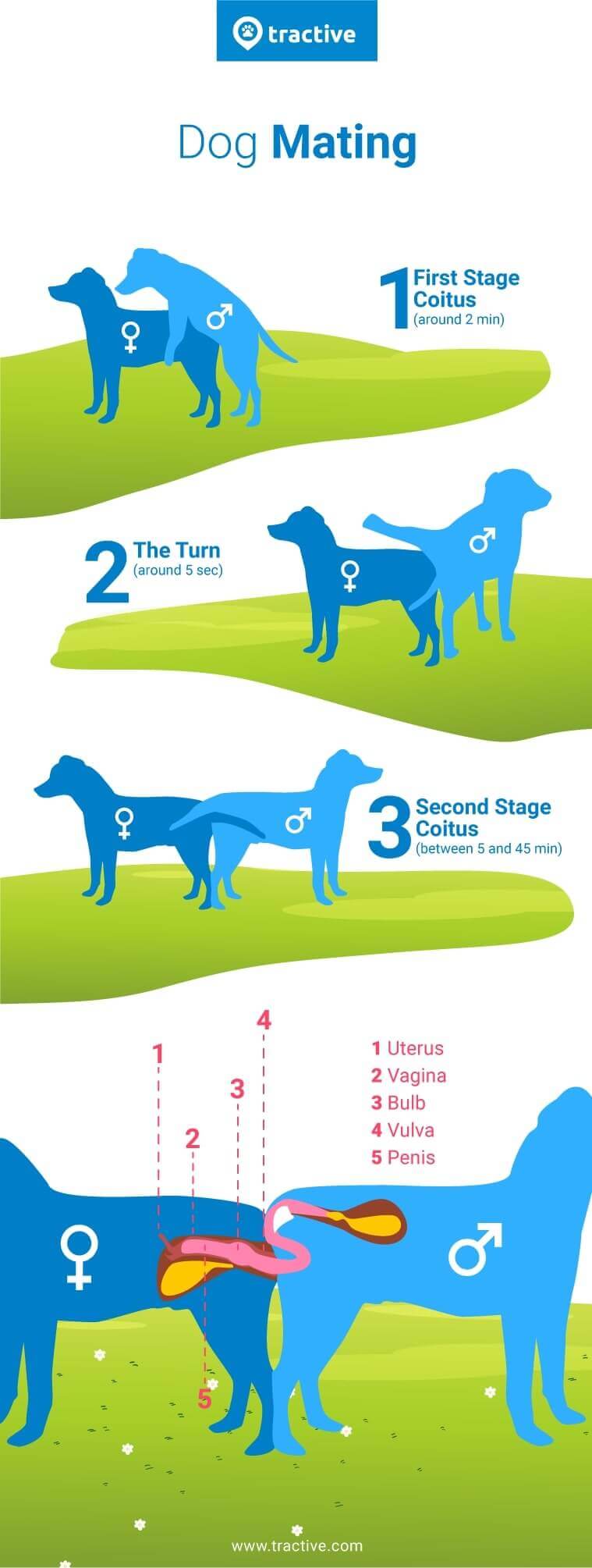
The best time for a female dog to mate is during her heat cycle. This cycle happens about twice a year. The most fertile days are usually in the middle of the cycle. During these days, the chance of pregnancy is highest.
Watching for signs like swelling or bleeding helps find the right time. Male dogs are more interested during this period too. Breeding during the optimal period improves the health of puppies.
Avoiding Unplanned Litters
Unplanned litters cause many problems. They can lead to too many dogs without homes. To avoid this, keep dogs separated when the female is in heat. Use secure fencing and supervision to prevent accidental mating.
Spaying and neutering pets not meant for breeding is the best way to stop unplanned litters. Responsible owners plan breeding carefully and control when dogs meet. This protects dogs and helps control the dog population.
Credit: tractive.com
Health Considerations For Breeding Dogs
Breeding dogs need special care to stay healthy. Their health affects puppies and mom. Good health checks and care keep dogs strong. It also helps avoid problems during pregnancy and birth.
Pre-breeding Health Checks
Veterinary exams are important before breeding. The vet checks heart, joints, and overall health. Tests for infections and genetic diseases happen here. Vaccines must be up to date. Breeding only healthy dogs lowers risks for puppies. The vet also checks if the dog is ready physically and mentally.
Nutrition And Care
Nutrition affects dog fertility and puppy health. Dogs need balanced food with vitamins and minerals. Protein helps build strong muscles and tissues. Clean water is a must every day. Exercise keeps dogs fit but avoid overdoing it. Stress reduction is vital for good breeding results. Regular grooming and parasite control support overall health.
Common Myths About Dog Breeding
Dog breeding is a topic surrounded by many myths. These myths can confuse dog owners. Knowing the truth helps you care better for your pet. It also helps in understanding the right time to breed dogs.
This section clears up common misunderstandings about dog breeding. It breaks down false ideas about timing and frequency.
Misconceptions About Seasonality
Many believe dogs only breed in spring or fall. Actually, dogs can come into heat twice a year. Some breeds may have more or less frequent cycles. The heat cycle depends on the dog’s breed and health. Dogs are not limited to one specific breeding season.
Another myth says breeding happens only in warm months. Dogs can go into heat during any season. The environment does not control their breeding cycle. Understanding this helps in planning proper care year-round.
Breeding Frequency Myths
Some think female dogs should breed every time they go into heat. This is not true. Breeding too often can harm the dog’s health. Vets recommend spacing out breeding cycles for safety. Responsible breeding means giving dogs time to rest.
Another false idea is that male dogs should mate frequently. Males can breed often, but overbreeding causes stress and lowers sperm quality. Healthy breeding practices focus on the dog’s well-being. Quality over quantity matters in dog breeding.
Credit: www.petscare.com
Frequently Asked Questions
When Does Dog Breeding Season Typically Start?
Dog breeding season usually begins when a female dog enters her heat cycle. This can happen twice a year, often in spring and fall. The exact timing varies by breed and individual dogs. Knowing the heat cycle helps plan breeding more effectively.
How Long Does A Dog’s Breeding Season Last?
A dog’s breeding season lasts about 2 to 3 weeks during her heat cycle. The fertile period is usually 9 to 14 days after the cycle starts. This is the ideal time for successful mating and conception.
Can All Dog Breeds Breed During The Same Season?
No, breeding seasons can vary among dog breeds. Some breeds may have heat cycles year-round, while others follow seasonal patterns. Smaller breeds tend to cycle more frequently than larger breeds. Breed-specific timing is important for successful breeding.
What Signs Indicate A Dog Is In Breeding Season?
Common signs include swelling of the vulva, bleeding, and behavioral changes like increased affection. Female dogs may also flag their tails to show readiness. Recognizing these signs helps identify the optimal breeding time.
Conclusion
Dog breeding season usually starts twice a year for most dogs. Female dogs go into heat, signaling the best time to breed. Knowing this helps owners prepare and care for their pets well. Breeding at the right time supports the health of both mother and puppies.
Always watch for signs your dog is ready. Understanding these basics makes breeding safer and easier. Keep learning about your dog’s cycle for the best results. Caring for your dog during this time shows responsible pet ownership.


