

Have you ever walked into your home and noticed that unmistakable smell of dog urine? If your furry friend is marking their territory, you’re not alone—and it can be frustrating.
Understanding why your dog urinates in certain spots is the first step to stopping this behavior for good. You’ll discover the real reasons behind dog urine marking, how it affects your home, and simple ways you can take control. Keep reading to learn how to protect your space and strengthen the bond with your pet.
Why Dogs Mark Urine
Dogs mark urine for many reasons. It is a natural behavior rooted in their instincts. This action helps dogs communicate and understand their environment. Understanding why dogs mark urine can help owners manage this behavior better. It also reveals how dogs interact with other animals.
Instinct And Territory
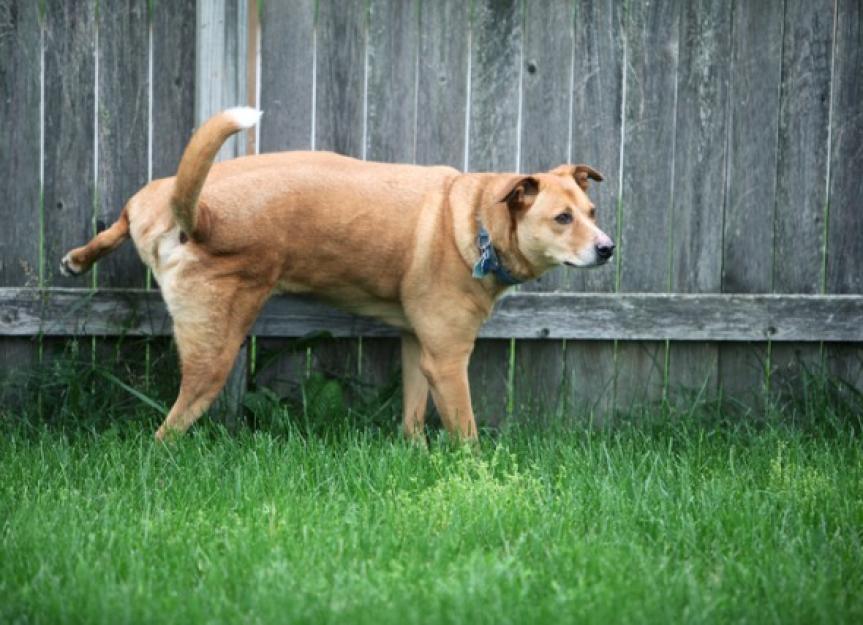
Marking urine is a way dogs claim their space. It tells other dogs that the area is taken. This behavior comes from wild ancestors. They used scent to protect their territory. It helps keep other dogs away. Marking also gives dogs a sense of security.
Social Communication
Dogs use urine to send messages to others. The scent carries information about age and health. It helps dogs find friends or rivals. This is their way to introduce themselves. Marking shows a dog’s presence without a fight. It helps maintain peace in dog groups.
Triggers For Marking
Many things can cause a dog to mark. New smells or dogs nearby often trigger marking. Stress or excitement also play a role. Changes in the environment can increase marking. Some dogs mark more after being left alone. Understanding triggers helps control unwanted marking.
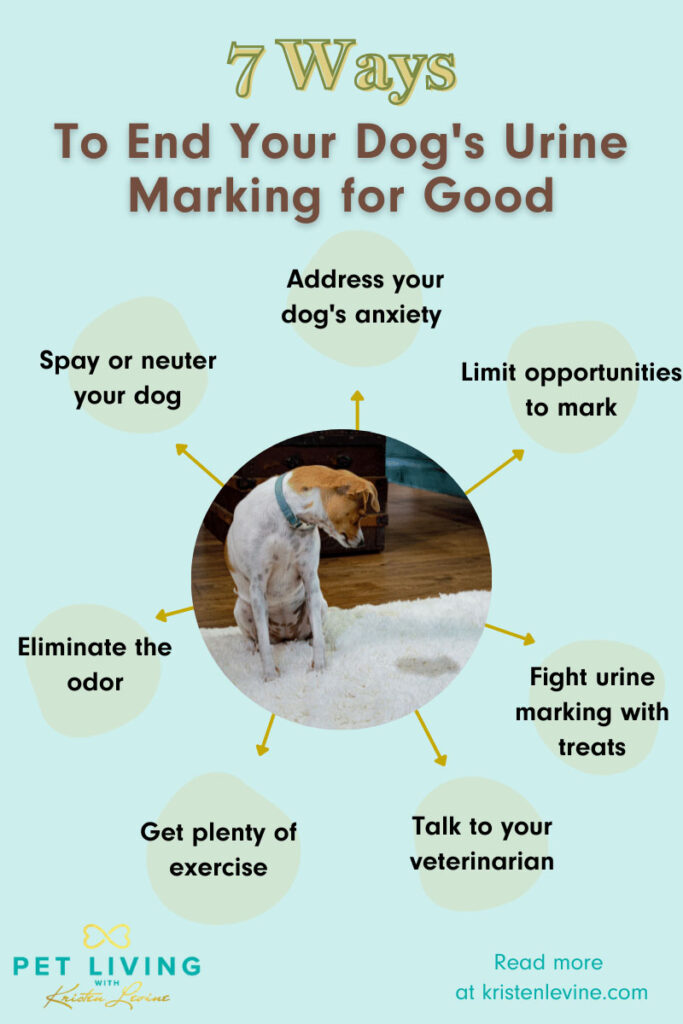
Credit: kristenlevine.com
Identifying Marking Vs. Accidents
Understanding the difference between marking and accidents is important. Dogs mark to communicate, while accidents happen by mistake. Spotting the difference helps in training and managing your dog better. This section explains how to tell if your dog is marking or having an accident.
Marking Patterns
Marking usually happens in small amounts. Dogs often lift their leg or squat to mark. They choose vertical surfaces like walls, furniture, or doors. Marking spots repeat often, showing a pattern. Accidents are larger and on horizontal surfaces. They happen randomly and without a clear pattern.
Behavioral Signs
Dogs show certain behaviors before marking. They may sniff the spot carefully. Some dogs circle before they mark. After marking, they might look alert or proud. Accidents happen suddenly without warning. Dogs often look confused or guilty after accidents. Watching these signs helps identify the behavior.
Preventing Urine Marking Indoors
Stopping dogs from urine marking inside is important for a clean home. This behavior can be stressful for both pets and owners. Understanding how to prevent it helps keep your space fresh and your dog happy. Simple steps make a big difference.
Cleaning Techniques
Clean marked spots quickly and thoroughly. Use enzyme-based cleaners designed for pet urine. These break down urine scent and stop dogs from marking again. Avoid ammonia cleaners; they smell like urine to dogs. Wash fabrics and carpets well to remove all odors. Repeat cleaning if the scent lingers.
Limiting Access
Block your dog’s access to places they mark. Use baby gates or close doors to restrict certain rooms. Create a safe area with toys and bedding. Monitor your dog closely in new spaces. This reduces chances to mark and helps build good habits.
Using Deterrents
Try safe deterrents to discourage marking. Use scents dogs dislike, like citrus or vinegar. Spray these near previous marking spots. Place motion-activated devices that emit sounds or harmless sprays. These tools teach dogs to avoid certain areas. Always combine deterrents with positive training.
Credit: www.petmd.com
Training Strategies To Stop Marking
Stopping dog urine marking needs patience and clear training methods. Dogs mark to show territory or stress. Training helps change this habit by guiding dogs to better behaviors. Here are some effective strategies to help control marking.
Positive Reinforcement
Reward your dog when it pees in the right place. Use treats or praise immediately after good behavior. This helps your dog connect good actions with rewards. Avoid punishment; it can increase stress and marking.
Consistent Commands
Use the same words to tell your dog where to pee. Short commands like “go potty” work best. Repeat commands calmly and clearly. Consistency helps your dog understand what you want.
Redirecting Behavior
Catch your dog before it marks inside. Gently lead your dog outside or to its toilet spot. Praise your dog when it pees there. Redirecting stops unwanted marking and builds better habits.
Managing Marking Outdoors
Managing dog urine marking outdoors helps keep your environment clean and your dog calm. It also reduces stress for both you and your pet. Proper control and guidance can limit unwanted marking. You can teach your dog where it is okay to mark.
Patience and consistency are key. Below are useful methods to manage marking during outdoor activities.
Supervised Walks
Always watch your dog closely during walks. Supervision helps you notice when your dog tries to mark. You can gently stop them before they do. Redirect their attention with a toy or treat. This shows your dog where marking is not allowed.
Controlled Socialization
Introduce your dog to other dogs in calm settings. Controlled social times reduce anxiety and marking urges. Keep meetings short and positive. Let your dog learn good behavior around others. A calm dog marks less often.
Using Leash Effectively
Keep your dog on a leash during outdoor time. A leash gives you control over their movements. Guide your dog away from places where marking happens. Use a short leash to prevent wandering. This helps limit marking spots.
When To Seek Veterinary Help
Dog urine marking can be a normal behavior. But sometimes, it signals a health problem or stress. Knowing when to seek veterinary help is important. This helps keep your dog healthy and happy.
Medical Causes
Frequent or sudden marking might mean a medical issue. Urinary tract infections can cause your dog to mark more. Bladder stones or kidney problems also affect urination. Some dogs mark due to pain or discomfort. A vet can check for these health concerns. Early diagnosis leads to better treatment and relief.
Behavioral Therapy Options
Marking can be a sign of anxiety or stress. Separation anxiety often causes increased marking indoors. Territorial behavior might make your dog mark outside too. A vet can suggest behavioral therapy to help. Training, calming techniques, and environment changes reduce marking. Sometimes, medication supports therapy and improves your dog’s mood.
Credit: humanecolorado.org
Frequently Asked Questions
Why Do Dogs Urine Mark Indoors?
Dogs urine mark indoors to communicate territory or stress. It signals dominance or anxiety. Understanding triggers helps manage this behavior effectively.
How To Stop Dog Urine Marking Behavior?
Consistent training, neutering, and cleaning marked areas can reduce urine marking. Positive reinforcement and deterrents also help prevent recurrence.
Is Urine Marking Different From Regular Urination?
Yes, urine marking involves small amounts to mark territory. Regular urination is for bladder emptying. Both have distinct purposes and behaviors.
Does Neutering Reduce Dog Urine Marking?
Neutering often reduces urine marking by lowering hormone-driven behaviors. However, some dogs may continue marking due to habits or anxiety.
Conclusion
Understanding dog urine marking helps manage this common behavior better. Dogs mark to communicate, show territory, or express feelings. Training and patience reduce unwanted marking inside the house. Consistent routines and positive rewards guide dogs to behave well. Keep your dog calm and busy to avoid stress marking.
Watch for signs and address marking early for best results. Every dog is different, so find what works for yours. This knowledge makes living with your dog more peaceful and happy.

