

If you have a female dog, you’ve probably noticed some unusual changes in her behavior at times. When your dog is in heat, her actions and moods can shift in ways that might confuse or even worry you.
Understanding what’s happening can help you support her better and keep her comfortable. You’ll discover the key signs of a dog in heat, why these behaviors happen, and how you can manage them with ease. Keep reading to learn how to handle this natural phase with confidence and care.
Signs Of A Dog In Heat
Dogs in heat show clear signs that owners can notice. Understanding these signs helps in caring for the dog properly. Signs can be physical or behavioral. Both types give clues about the dog’s condition.
Physical Symptoms
The most obvious physical sign is swelling of the vulva. This area becomes larger and redder than usual. You may also see a discharge that varies in color. It often starts light and becomes darker over days. Some dogs lick the area more than usual. The dog’s urine may smell stronger. This helps attract male dogs. These physical changes usually last about three weeks.
Behavioral Changes
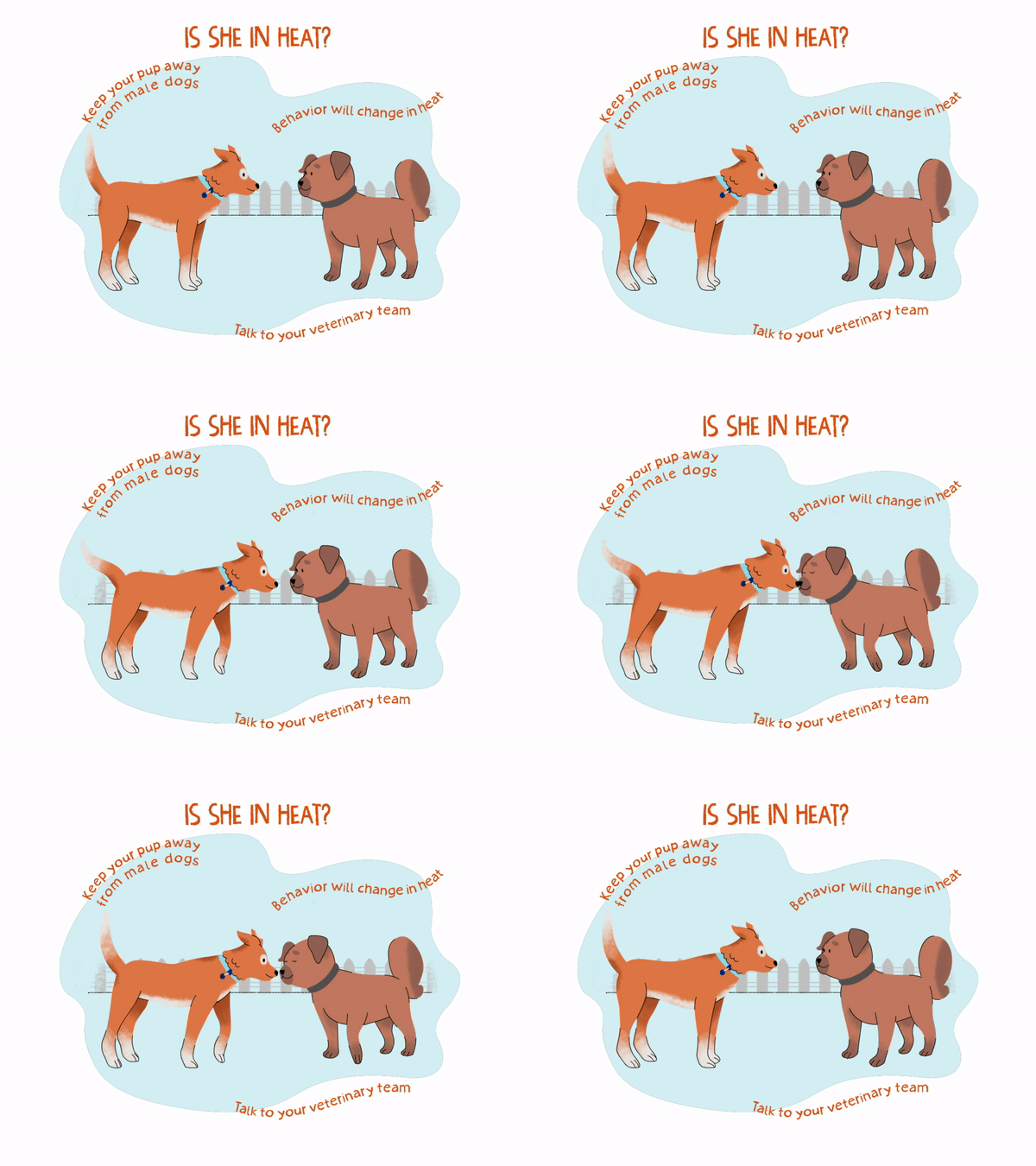
Dogs in heat often act differently. They may be more restless or nervous. Some become clingy and want more attention. Others might hide or seem less active. Female dogs may try to escape to find a mate. They can also show more affection to people and other dogs. Some dogs bark or whine more often. These changes help signal that the dog is ready to breed.

Credit: www.wiggles.in
How Often And How Long
Understanding how often and how long a dog goes into heat helps owners care for their pets better. This knowledge explains changes in behavior and physical signs. It also helps prepare for the dog’s needs during this time.
Heat Cycle Frequency
Most female dogs enter heat twice a year. Some breeds may have more frequent cycles. Smaller dogs often experience heat more often than larger dogs. The time between cycles is usually six months. This cycle can vary from dog to dog. Knowing the frequency helps in managing your dog’s routine.
Duration Of Heat
A dog’s heat cycle usually lasts about three weeks. The cycle has different stages with distinct behaviors. The bleeding phase lasts about 7 to 10 days. The fertile period happens in the middle of the cycle. After this, the signs gradually fade. Monitoring your dog during heat is important for her comfort.
Managing Your Dog’s Behavior
Managing your dog’s behavior during her heat cycle can be challenging. This time brings changes in mood and actions. Knowing how to help her stay calm and active is key. It helps reduce stress for both of you. Let’s explore simple ways to manage her behavior effectively.
Calming Techniques
Keep a quiet and safe space for your dog. Soft bedding and gentle lighting help her relax. Use a calm voice and slow movements around her. Give her gentle petting to ease tension. Avoid loud noises and busy environments. Try natural calming aids, like lavender scents, but check with your vet first. Consistency in daily routine also soothes her mind.
Exercise And Activity
Regular walks help burn extra energy. Choose quiet places to avoid distractions or other dogs. Shorter, more frequent walks work well. Gentle play indoors can keep her busy too. Avoid rough games that excite her too much. Mental exercises like puzzle toys also help focus her mind. This balance supports her mood and helps control behavior.
Safety Precautions
Dogs in heat need extra care to stay safe and calm. Their behavior changes and risks rise. Understanding safety steps helps protect your dog and others. Keep your dog secure and peaceful during this time.
Preventing Unwanted Pregnancies
Keep your dog indoors or in a secure yard. Never leave her alone outside. Male dogs can sense her heat from far away. Use a leash on walks to control contact. Consider dog diapers or special pants to reduce risk. Spaying your dog is a permanent way to avoid pregnancy.
Avoiding Aggression And Stress
Heat can make dogs anxious or aggressive. Give her a quiet place to rest. Avoid loud noises and busy environments. Watch for signs of irritability or fear. Spend calm, gentle time with your dog. Do not force interactions with other dogs or people. Regular walks and play help reduce stress.
When To Consult A Veterinarian
Knowing when to consult a veterinarian about your dog in heat is important. Some changes in behavior are normal. Other signs may point to health problems. Watch your dog carefully during this time. Early vet visits can prevent serious issues.
Signs Of Health Issues
Bleeding that is very heavy or lasts too long needs attention. Swelling or redness around the vulva may show infection. Lethargy or loss of appetite can signal illness. Foul smell or unusual discharge is a warning. Sudden changes in behavior, like aggression or pain, require a checkup.
Spaying And Medical Options
Spaying stops heat cycles and lowers health risks. Talk to your vet about the best time for surgery. Some medicines help manage heat symptoms safely. Your vet can explain options and benefits. Medical care keeps your dog healthy and comfortable during heat.

Credit: www.rheinhotel-larus.de
Caring For Puppies And Breeding Considerations
Caring for puppies and understanding breeding needs takes effort and knowledge. It involves more than just letting dogs mate. Proper care keeps puppies healthy and happy. Thoughtful breeding helps avoid health problems. Both require careful planning and attention.
Responsible Breeding Tips
Choose healthy dogs with good temperaments. Check their health history for genetic issues. Avoid breeding dogs too young or old. Space out breeding to keep the mother healthy. Provide a clean, safe place for whelping. Monitor the mother and puppies closely for problems. Consult a vet for advice and help.
Puppy Care Basics
Keep puppies warm and dry after birth. Feed the mother well to support nursing. Watch puppies gain weight and grow steadily. Handle them gently to build trust. Start socializing puppies early with people and other pets. Schedule vet visits for vaccinations and checkups. Provide a balanced diet as they begin eating solids.
Credit: www.banfield.com
Frequently Asked Questions
What Are Common Signs Of A Dog In Heat?
A dog in heat often shows swelling of the vulva, bleeding, and increased licking. She may also act restless and more affectionate than usual. Changes in behavior and scent marking are typical signs that your dog is in heat.
How Long Does A Dog Stay In Heat?
A dog’s heat cycle usually lasts about 2 to 3 weeks. The most fertile period occurs around days 9 to 14. Heat cycles typically happen every 6 months, but timing can vary by breed and individual.
Can Dogs In Heat Mate With Other Dogs?
Yes, dogs in heat are fertile and can mate with male dogs. This period is when females are receptive and capable of becoming pregnant. It’s important to supervise or separate dogs if you don’t want breeding.
How To Manage A Dog’s Behavior During Heat?
Keep your dog calm and provide extra attention during heat. Avoid strenuous exercise and limit exposure to male dogs. Use protective garments to manage bleeding and maintain hygiene at home.
Conclusion
Understanding your dog’s behavior during heat helps you care better. Expect changes like restlessness, frequent urination, and mood swings. Keep her comfortable and safe during this time. Patience and gentle handling make the process easier for both. Watch for signs of discomfort or health issues.
This knowledge supports a happy, healthy dog all year round.


