Planning to travel to Canada with your dog? It’s exciting, but also a bit overwhelming.
You want to make sure your furry friend stays safe, comfortable, and happy throughout the trip. There are important rules and tips you need to know before you go. Keep reading, and you’ll discover everything necessary to make your Canadian adventure smooth and stress-free for both you and your dog.

Credit: www.pettravelstore.com
Preparing Your Dog For Travel
Traveling to Canada with your dog is exciting but needs careful preparation. Your dog’s comfort and safety come first. Getting ready takes time and effort. Start planning early to avoid last-minute stress.
Prepare your dog for the journey step by step. Check their health, pick the right carrier, and train them for travel. These steps help your dog feel calm and happy during the trip.
Health Check And Vaccinations
Visit the vet before traveling. Make sure your dog is healthy and fit to travel. Ask the vet for a full health check. Your dog needs all required vaccinations for Canada. Keep vaccination records ready for border control. Carry a health certificate issued within ten days of travel. This document proves your dog meets Canada’s entry rules.
Choosing The Right Carrier
Select a carrier that fits your dog’s size. It should be comfortable and well-ventilated. Your dog must stand, turn, and lie down inside. The carrier must meet airline rules if flying. Use a strong carrier with secure locks. Add familiar blankets or toys for comfort. Label the carrier with your contact information clearly.
Training For Travel Comfort
Help your dog get used to the carrier early. Practice short trips to build comfort. Reward calm behavior during travel practice. Teach your dog to stay calm around loud noises. Avoid feeding your dog just before travel to reduce sickness. Bring water and a collapsible bowl for hydration. Keep calm yourself; dogs sense your mood.
Credit: www.gopetfriendly.com
Travel Documents And Regulations
Traveling to Canada with your dog requires careful preparation. You must follow specific rules to keep your pet safe and legal. Understanding travel documents and regulations helps avoid problems at the border. This guide covers important details for pet owners.
Pet Import Requirements
Canada allows dogs to enter but has strict rules. Dogs must be healthy and free from diseases. Some breeds may face restrictions or bans. Vaccinations, especially rabies, are mandatory. Check the latest rules before travel to ensure compliance.
Microchipping And Identification
Microchipping your dog is highly recommended. It helps identify your pet if lost. Use a microchip that meets international standards. Attach a collar with an ID tag showing your contact details. This ensures quick reunions in case of separation.
Necessary Paperwork
Prepare all documents before travel. A valid rabies vaccination certificate is essential. Get a health certificate from your vet within 10 days of travel. Carry import permits if required. Keep all papers handy for inspection at the border.
Choosing Transportation Options
Choosing the right transportation for your trip to Canada with your dog is important. It affects your comfort and your pet’s safety. Think about your dog’s size, temperament, and health. Also, consider the length of the journey and your budget. Each mode of travel has its rules and benefits. Understanding these helps you plan better.
Traveling By Air With Your Dog
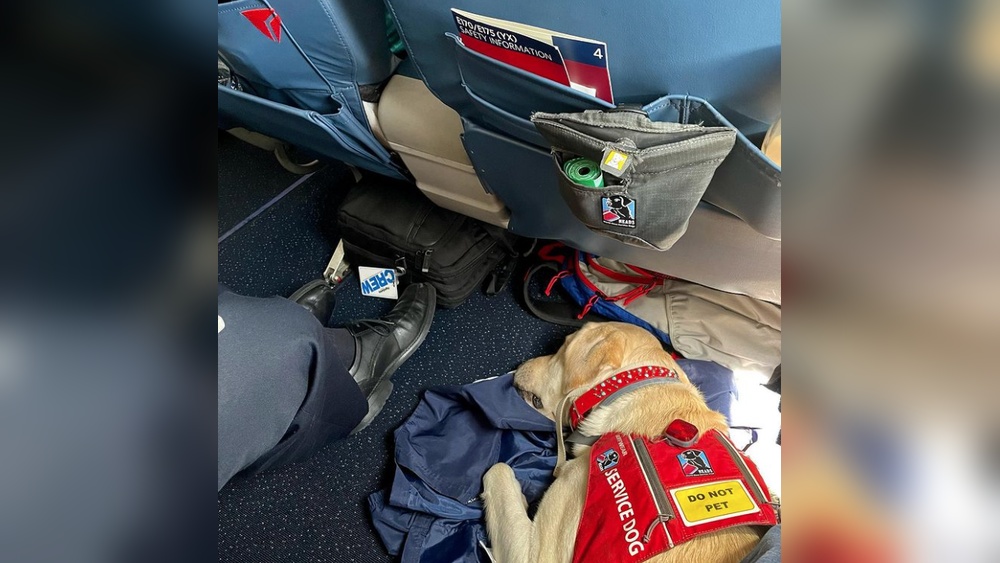
Flying with your dog requires advance preparation. Airlines have specific rules for pets. Small dogs often fly in the cabin under the seat. Larger dogs usually travel in the cargo hold. Check the airline’s pet policy before booking. Use an airline-approved carrier for safety. Keep your dog calm with familiar toys or blankets. Avoid feeding your pet right before the flight to reduce stress.
Driving Across The Border
Driving to Canada with your dog offers flexibility. Your dog stays close and relaxed in the car. Make sure your pet has proper ID tags and vaccination records. Plan stops for bathroom breaks and water. Use a pet seatbelt or crate for safety. Border officers may ask about your dog’s health. Have all documents ready to avoid delays. Driving lets you control the pace and environment.
Using Pet-friendly Public Transport
Public transport options vary by city in Canada. Some buses and trains allow small dogs in carriers. Larger dogs may need a muzzle or leash. Always check pet rules before traveling. Keep your dog calm to avoid disturbing others. Bring water and a small bowl for your pet. Public transport can be a good choice in urban areas. It helps reduce travel stress for both of you.
Packing Essentials For Your Dog
Packing for your dog is very important when traveling to Canada. Your dog needs the right items to stay happy and healthy. Bringing the right supplies helps avoid stress for both you and your pet. Plan carefully to cover food, comfort, and safety needs.
Food And Water Supplies
Bring enough food for the entire trip. Use familiar brands to avoid stomach issues. Carry portable bowls for food and water. Keep fresh water handy at all times. Hydration is key, especially during long trips.
Comfort Items And Toys
Pack your dog’s favorite blanket or bed. These items provide a sense of security. Bring a few toys to keep your dog entertained. Toys help reduce anxiety in new places. Small, lightweight items are best for travel.
Emergency And First Aid Kit
Prepare a first aid kit for your dog. Include bandages, antiseptic wipes, and tweezers. Add any medication your dog needs. Keep a copy of your dog’s medical records. This kit helps you handle minor injuries or issues quickly.
Managing Your Dog During The Journey
Traveling to Canada with your dog needs careful planning. Managing your dog during the journey helps make the trip smooth and safe. Dogs can get stressed or tired, so keeping an eye on their needs is important. This section guides you on how to keep your dog calm, take regular breaks, and watch their health and behavior during travel.
Keeping Your Dog Calm
Start by preparing your dog before the trip. Give them quiet and comfort to reduce anxiety. Use a favorite blanket or toy to make their space familiar. Speak softly and gently to calm your dog. Avoid loud noises and sudden moves. Keep your dog secure in a crate or seatbelt harness to prevent accidents. A calm dog travels better and feels safer.
Regular Breaks And Exercise
Plan stops every two to three hours. Let your dog stretch and walk a bit. Exercise helps reduce stress and energy buildup. Find safe, grassy areas for bathroom breaks. Bring water and a bowl to keep your dog hydrated. Short walks improve circulation and comfort. Avoid letting your dog eat too much during breaks to prevent sickness.
Monitoring Health And Behavior
Watch your dog closely for signs of discomfort or illness. Look for heavy panting, drooling, or unusual quietness. Check their eyes and nose for dryness or discharge. Keep an eye on their eating and bathroom habits. Contact a vet if your dog shows signs of distress. Staying alert helps catch problems early and keeps your dog healthy.
Credit: www.flywithmypet.com
Arrival And Settling In Canada
Arriving in Canada with your dog marks the start of a new adventure. It is important to follow the right steps to make your pet’s transition smooth and safe. Understanding the customs, finding places to stay, and helping your dog adjust are key parts of settling in.
Customs And Inspection Procedures
At the Canadian border, pets must go through customs and health inspections. Officials check vaccination records and health certificates. Make sure you have all documents ready to avoid delays. Your dog may be examined to confirm good health. This process helps keep Canada’s environment safe from diseases.
Finding Pet-friendly Accommodations
Choose hotels or rentals that welcome pets. Many places in Canada offer pet-friendly rooms with extra space. Search for accommodations near parks or walking areas. This makes daily walks easier and more enjoyable for your dog. Confirm pet policies before booking to avoid surprises.
Adjusting To The New Environment
Your dog needs time to get used to new surroundings. Start with short walks to explore local sights and smells. Keep familiar toys and bedding nearby for comfort. Maintain a regular feeding and exercise schedule. Patience and care help your dog feel safe and happy in Canada.
Frequently Asked Questions
What Documents Are Needed To Travel To Canada With A Dog?
You need a valid rabies vaccination certificate and a health certificate from a vet. Ensure your dog is microchipped for identification. Check Canada’s specific import requirements before traveling.
Are There Quarantine Rules For Dogs Entering Canada?
Generally, healthy dogs with proper documents do not require quarantine. However, dogs showing signs of illness may be held for observation. Always verify current regulations before your trip.
Can I Bring My Dog On Canadian Domestic Flights?
Yes, most Canadian airlines allow dogs in-cabin or as cargo. Book in advance and follow airline pet policies. Use an airline-approved pet carrier for safe travel.
What Pet Travel Tips Ensure A Smooth Trip To Canada?
Prepare your dog with regular walks and hydration before travel. Bring familiar toys and a leash. Keep all documents handy and arrive early at the airport.
Conclusion
Traveling to Canada with your dog can be a fun adventure. Prepare all documents and health checks ahead. Know the rules for pets at borders and airports. Keep your dog comfortable during the trip. Take breaks for walks and water.
Enjoy exploring new places together safely. A little planning makes the journey smooth and happy. Your dog will thank you for the care. Ready for a great trip with your furry friend?