

If you’ve just welcomed a Yorkie puppy into your home, you know how full of energy and curiosity they can be. Training your little Yorkie might feel challenging, but with the right tips, you can turn your playful pup into a well-behaved companion.
Imagine having a dog that listens, behaves well around guests, and knows exactly what you expect. That’s exactly what this guide will help you achieve. Keep reading to discover simple, effective Yorkie puppy training tips that will make your life easier and your bond stronger.
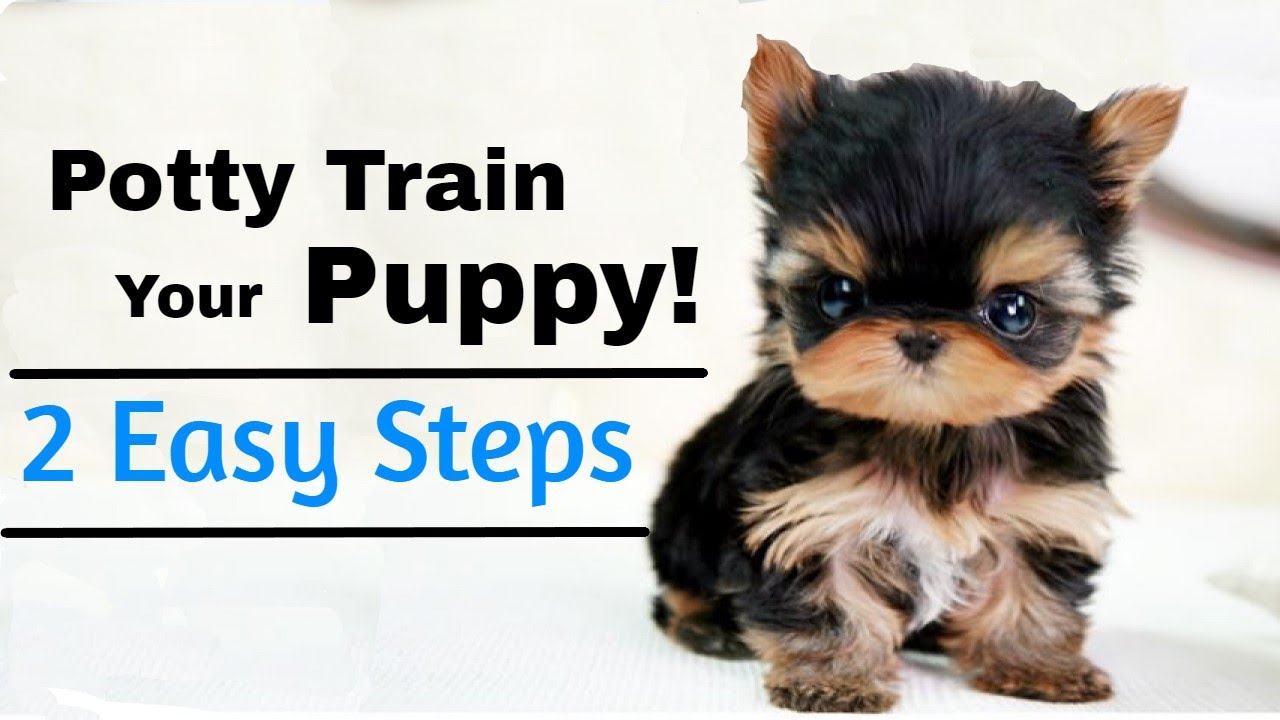
Credit: www.youtube.com
Choosing The Right Training Approach
Choosing the right training approach for a Yorkie puppy is key to success. Yorkies are small but smart dogs. They need a method that suits their personality and energy. The right approach helps build trust and makes training easier. It also keeps your puppy happy and eager to learn. Understanding different techniques can guide you in training your Yorkie effectively.
Positive Reinforcement Techniques
Positive reinforcement means rewarding good behavior. This can be treats, praise, or playtime. Yorkies respond well to kindness and rewards. It helps them learn faster and enjoy training sessions. Avoid punishment, as it can scare or confuse your puppy. Instead, focus on encouraging the actions you want to see.
Consistency And Patience
Training needs regular practice every day. Use the same commands and signals each time. Yorkies learn best when they know what to expect. Patience is important. Puppies make mistakes. Stay calm and keep trying. This builds confidence and strong habits in your puppy.
Setting Realistic Expectations
Yorkie puppies are small and have short attention spans. Training sessions should be short and fun. Do not expect perfect behavior right away. Progress takes time and effort. Celebrate small wins and keep goals simple. This keeps training positive and helps your puppy grow well.
Housebreaking Your Yorkie Puppy
Housebreaking your Yorkie puppy is one of the first steps in training. It helps your puppy learn where to go to the bathroom. This training needs patience and consistency. Yorkies are small, and their bladders are tiny. They need frequent bathroom breaks throughout the day.
Start early. Set a clear routine. This makes it easier for your puppy to understand expectations. Your Yorkie will feel more confident and less stressed. Clean accidents quickly to avoid lingering smells. This helps prevent repeat accidents in the same spot.
Establishing A Bathroom Routine
Set specific times for bathroom breaks. Take your puppy out right after waking up, eating, and playing. Small puppies often need to go every hour. Choose a consistent bathroom spot outside. This helps your Yorkie recognize where to go. Praise and reward your puppy immediately after they go outside. Positive reinforcement helps build good habits fast.
Using Crate Training Effectively
A crate can be a safe space for your Yorkie. Dogs avoid soiling their sleeping area. Use the crate for short periods at first. Make sure it is comfortable and the right size. Do not leave your puppy in the crate too long. Take your puppy out for bathroom breaks often. Crate training helps teach bladder control and builds routine.
Handling Accidents Calmly
Accidents will happen. Stay calm and avoid punishment. Clean the area with an enzyme cleaner. This removes odors that attract your puppy back. Use accidents as a chance to learn your puppy’s signals. Watch for sniffing or circling behaviors. Take your Yorkie outside immediately. Calm responses help your puppy feel safe and learn faster.
Basic Obedience Commands
Basic obedience commands are the foundation of good behavior for your Yorkie puppy. Teaching these commands early helps your puppy understand what you expect. It also builds trust between you and your pet. Consistent training makes your Yorkie calmer and easier to manage. Start with simple commands and practice daily for best results.
Teaching Sit And Stay
Start with the “sit” command to get your puppy’s attention. Hold a treat close to their nose, then move it up slowly. This movement makes your Yorkie sit naturally. Say “sit” clearly as they do it. Give the treat and praise immediately.
Next, introduce the “stay” command. Ask your puppy to sit first. Show your palm and say “stay” in a firm voice. Take a small step back and wait. If your puppy stays, reward with a treat. Repeat several times, increasing distance gradually.
Mastering Come And Heel
The “come” command helps keep your Yorkie safe. Use a happy tone to call your puppy’s name followed by “come.” When they run to you, give a treat and lots of praise. Practice in a quiet area to avoid distractions.
“Heel” teaches your Yorkie to walk beside you. Hold a treat at your side and say “heel.” Start walking slowly and reward your puppy for staying close. If they pull, stop walking until they return to your side. Practice often on short walks.
Introducing Leave It And Drop It
“Leave it” protects your puppy from harmful objects. Hold a treat in your closed hand and say “leave it.” Wait until your Yorkie stops trying to get the treat. Then give a different treat with your other hand. Repeat until they understand.
“Drop it” helps you get items from your puppy safely. Offer a toy and say “drop it.” When your Yorkie releases the item, give a treat and praise. Practice with different objects to ensure good response.
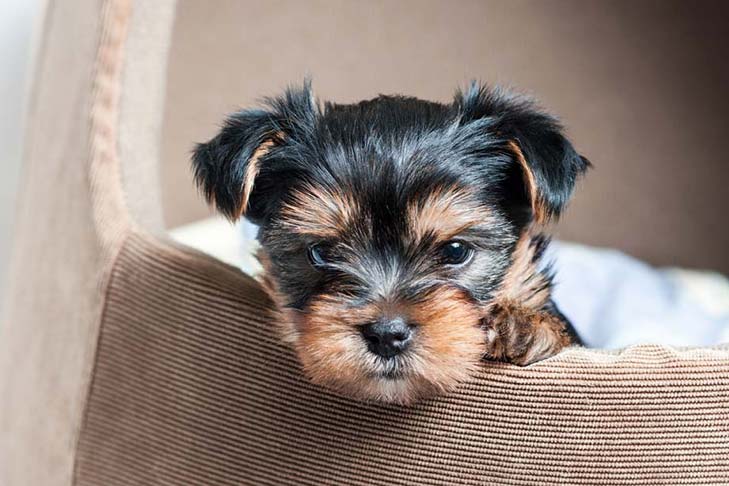
Credit: www.akc.org
Socializing Your Yorkie Puppy
Socializing your Yorkie puppy is a key part of raising a happy and confident dog. Early social experiences help your puppy learn how to behave around others. They also reduce fear and anxiety in new situations. Start socializing your Yorkie puppy as soon as possible for the best results. Gentle, positive experiences build trust and good habits. This section guides you through important socializing steps.
Introducing New People And Pets
Introduce your Yorkie puppy to many different people. Let your puppy meet children, adults, and seniors. Keep meetings calm and friendly. Allow your puppy to sniff and explore at their own pace. Also, introduce your puppy to other pets carefully. Use controlled, slow introductions to avoid stress. Positive experiences with new faces help your Yorkie become friendly.
Exposure To Different Environments
Take your Yorkie puppy to various places. Try parks, busy streets, and quiet gardens. Let your puppy hear different sounds and see new sights. Keep outings short and enjoyable to avoid overwhelm. New environments teach your puppy to adapt. This exposure helps your Yorkie stay calm in many situations.
Preventing Fearful Behavior
Watch your Yorkie puppy’s reactions closely. If your puppy shows fear, stop and comfort them. Avoid forcing your puppy into scary situations. Use treats and praise to create positive feelings. Gradually increase exposure to new things at your puppy’s pace. Preventing fear early leads to a well-adjusted adult dog.
Managing Common Behavior Issues
Managing common behavior issues in Yorkie puppies helps create a happy home. These small dogs often show big personality traits that need gentle guidance. Early training sets clear rules and builds good habits. Patience and consistency are key to handling typical problems.
Addressing Excessive Barking
Yorkies bark a lot to alert or get attention. Too much barking can annoy neighbors and family members. Teach your puppy a “quiet” command using calm, firm words. Reward silence with treats or praise to encourage good behavior. Provide toys and playtime to reduce boredom-driven barking. Avoid yelling back, as this can increase noise.
Controlling Nipping And Biting
Puppies explore the world with their mouths. Yorkies may nip during play or teething. Stop biting by saying “no” firmly and offering a chew toy. Redirect their energy to safe objects instead of hands or clothes. Consistent training helps your puppy learn gentle play. Avoid rough games that encourage biting or jumping.
Reducing Separation Anxiety
Yorkies bond closely with their owners and dislike being alone. Signs include whining, scratching doors, or destructive chewing. Gradually increase time apart to build confidence. Leave a favorite toy or blanket with your scent. Keep departures and arrivals low-key to ease stress. Regular exercise and mental stimulation help reduce anxiety symptoms.
Using Toys And Rewards Wisely
Using toys and rewards wisely helps Yorkie puppies learn faster. Toys keep their attention and make training fun. Rewards encourage good behavior and build a strong bond. Balance between play and treats makes training effective and enjoyable.
Selecting The Best Training Toys
Choose toys that are safe and small enough for Yorkies. Soft chew toys work well for their tiny mouths. Interactive toys like puzzle feeders challenge their minds. Avoid toys with small parts that can break off. Rotate toys often to keep your puppy interested.
Choosing Treats For Motivation
Pick treats that are healthy and easy to eat quickly. Small, soft treats work best during training sessions. Use treats your Yorkie loves but avoid overfeeding. Break bigger treats into tiny pieces for more rewards. Keep treats ready for good behavior and quick praise.
Balancing Play And Training
Mix short playtimes with training sessions to keep focus. Let your puppy rest between training rounds to avoid stress. Use toys as rewards or to signal breaks. Keep training sessions short and positive for better results. A happy puppy learns faster and enjoys training more.
Advanced Training Tips
Advanced training helps your Yorkie puppy learn new skills and behave better. This stage builds on basic commands and makes training more fun. It also strengthens your bond with your puppy. Use clear methods and stay patient for best results.
Introducing Clicker Training
Clicker training uses a small device that makes a clicking sound. The click marks the exact moment your puppy does something right. This helps your Yorkie understand what you want quickly.
Start by clicking and giving a treat right away. Repeat this to link the sound with a reward. Then, use the click to guide your puppy during training. It makes learning faster and clearer.
Building Longer Attention Spans
Yorkies can get distracted easily. Train your puppy to focus for longer times step by step. Begin with short sessions of a few minutes.
Use treats and praise to keep your puppy interested. Slowly increase the training time as your puppy improves. Change the environment to practice focus in different places.
Training For Tricks And Agility
Tricks and agility training add fun and exercise for your Yorkie. Teach simple tricks like rolling over or shaking paws first. Use treats and clicker to reward success.
Set up small agility courses with tunnels, jumps, or cones. Guide your puppy through each obstacle slowly. This training builds confidence and keeps your Yorkie active.

Credit: www.reddit.com
Frequently Asked Questions
How To Start Training A Yorkie Puppy At Home?
Begin with basic commands like sit, stay, and come. Use positive reinforcement such as treats and praise. Keep sessions short and consistent. Early socialization helps Yorkies adapt well. Patience is key to building trust and good habits.
What Is The Best Age To Train A Yorkie Puppy?
Start training as early as 8 weeks old. Puppies are most receptive to learning between 8 to 16 weeks. Early training shapes their behavior and social skills. Consistency during this period results in better obedience and bonding.
How To Potty Train A Yorkie Puppy Effectively?
Establish a routine for bathroom breaks, especially after meals. Use a designated potty spot outdoors. Reward your Yorkie immediately after they eliminate outside. Be patient and avoid punishment for accidents. Consistent timing and positive reinforcement speed up potty training.
What Are Common Challenges In Yorkie Puppy Training?
Yorkies can be stubborn and easily distracted. They may bark excessively if not trained properly. Small size makes house training sometimes tricky. Overcoming these needs patience, consistency, and positive rewards. Early socialization reduces anxiety and behavioral issues.
Conclusion
Training your Yorkie puppy takes patience and love. Small steps build strong habits. Keep routines simple and consistent every day. Praise good behavior to encourage learning. Avoid harsh words or actions that scare your puppy. Remember, each Yorkie learns at its own pace.
Celebrate progress, no matter how small. Enjoy the journey and bond with your puppy. A happy Yorkie makes a happy home. Keep training fun and gentle for best results. Your efforts will bring a well-behaved, joyful companion.


