

Is your dog peeing inside the house, leaving you frustrated and wondering why it keeps happening? You’re not alone.
Many dog owners face this challenge, and it’s often more than just a simple accident. Understanding the behavior behind indoor peeing can help you stop it for good. You’ll discover why your dog might be peeing inside, what it means, and most importantly, what you can do to fix it.
Keep reading to take control and enjoy a cleaner, happier home with your furry friend.
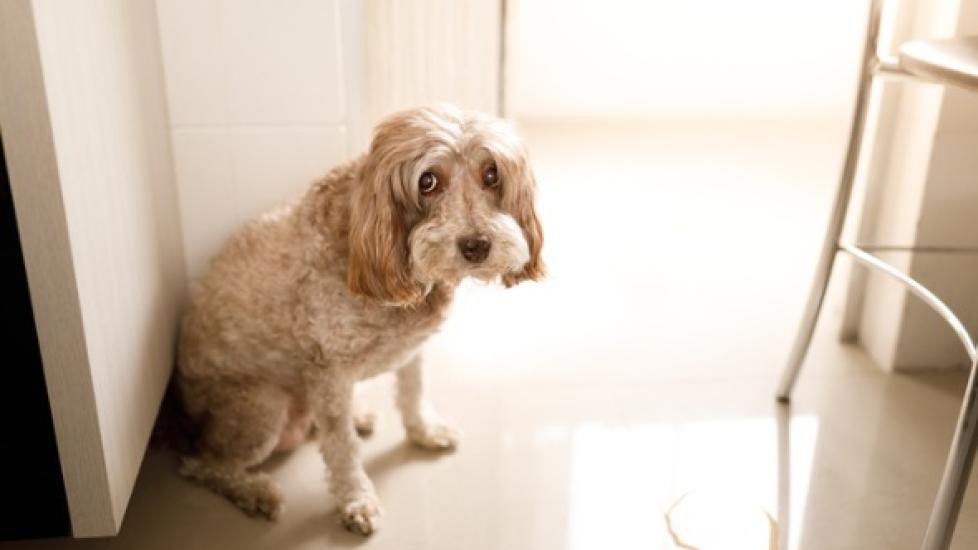
Credit: www.petmd.com
Common Causes Of Indoor Peeing
Indoor peeing is a common problem many dog owners face. Understanding the causes helps solve it faster. Dogs pee inside for different reasons. Some are physical, some are behavioral. Knowing these reasons guides proper training and care.
Medical Issues
Health problems can cause dogs to pee indoors. Urinary infections make it hard to hold urine. Kidney problems may increase urination. Diabetes can lead to frequent peeing. Always check with a vet first. Treating health issues often stops indoor accidents.
Marking Territory
Dogs mark territory to show ownership. This behavior is natural, especially in males. They use small urine spots to mark places. New smells or visitors may trigger marking. Neutering or spaying can reduce this behavior. Training helps dogs learn where to pee.
Anxiety And Stress
Stress causes many dogs to pee inside. Separation from owners is a common trigger. Loud noises like thunderstorms also upset dogs. Changes in daily routine can increase anxiety. Calm training and comfort reduce stress peeing. Patience and care help dogs feel safe.
Lack Of Training
Some dogs pee inside from poor training. Puppies need time to learn bathroom rules. Consistent schedules teach when to go outside. Ignoring early signs leads to accidents. Positive reinforcement helps dogs learn fast. Training builds good habits and trust.
Changes In Environment
Moving to a new home can confuse dogs. New smells and sights make them nervous. Visitors or new pets may cause accidents. Changes in furniture or yard can affect habits. Give dogs time to adjust slowly. Keep routines steady to ease transitions.
Identifying Peeing Patterns
Understanding when and where your dog pees inside is key. Identifying peeing patterns helps find the cause. It also guides you to fix the behavior.
Watch your dog closely. Notice the times, places, and reasons for peeing. This knowledge makes training easier and more effective.
Time Of Day
Dogs often pee at certain times. Many need to go after waking up. Others pee after eating or playing. Tracking these times reveals habits. You can then plan walks or breaks better.
Location Preferences
Dogs may choose specific spots in the house. These places feel safe or familiar. Some dogs pick corners or near doors. Knowing the spots helps you clean well. It also prevents repeat accidents.
Triggers And Stimuli
Certain things make dogs pee indoors. Loud noises, new people, or stress can trigger it. Some dogs pee when excited or scared. Identifying these triggers helps reduce accidents. You can work on calming your dog in these moments.
Training Techniques To Prevent Peeing
Training your dog to stop peeing inside requires patience and clear methods. Dogs learn best through regular routines and kind guidance. Consistency helps your dog know what you expect. These training techniques can make a big difference.
Consistent Potty Schedule
Set specific times for bathroom breaks every day. Take your dog out first thing in the morning. Offer another break after meals and before bedtime. A regular schedule helps your dog control their bladder. It also reduces accidents inside the house.
Positive Reinforcement
Praise your dog when they pee outside. Use treats or gentle petting as rewards. This teaches your dog that outside peeing is good. Avoid punishment for accidents. Positive rewards build trust and encourage good behavior.
Crate Training
Use a crate to give your dog a safe space. Dogs usually avoid peeing where they sleep. Keep the crate just big enough to stand and turn. Limit crate time to avoid stress. This method helps your dog learn bladder control.
Supervision And Management
Watch your dog closely inside the house. Notice signs like sniffing or circling. Interrupt before accidents happen and take your dog outside. Use baby gates to limit access to certain rooms. Keeping an eye on your dog prevents mistakes.

Credit: www.akc.org
Addressing Anxiety-related Peeing
Dogs often pee in the house due to anxiety. It is a common behavior problem. Anxiety makes dogs feel scared or stressed. This leads to accidents inside the home. Understanding how to address this issue helps keep your house clean. It also improves your dog’s well-being.
Calming Strategies
Calming your dog reduces anxiety-related peeing. Use gentle voices and slow movements around your dog. Create a quiet and safe space for them. Try calming aids like lavender sprays or anxiety wraps. Regular, calm exercise helps your dog relax. Avoid punishment as it increases stress and peeing.
Behavioral Therapy
Behavioral therapy trains dogs to manage stress. Work with a professional trainer or vet. Use positive reinforcement to reward calm behavior. Gradual exposure to triggers helps dogs adjust. Teach your dog commands that redirect their focus. Consistency and patience are key to success.
Environmental Enrichment
Environmental enrichment keeps your dog engaged and less anxious. Provide toys that stimulate the mind and body. Rotate toys to keep your dog interested. Add puzzle feeders for mental exercise. Spend quality time playing and bonding daily. A busy dog is less likely to pee inside.
Cleaning And Odor Removal
Cleaning and removing odors from dog urine is key to stopping repeated house accidents. Fresh stains are easier to clean, so act fast. Proper cleaning helps keep your home fresh and your dog calm.
Effective Cleaning Products
Use enzyme-based cleaners designed for pet urine. These break down urine molecules and remove odors completely. Avoid bleach or ammonia cleaners; they can make dogs pee again.
Paper towels or cloths help soak up urine quickly. Rinse the area with water before applying cleaner. Let the cleaner sit for 10 to 15 minutes for best results.
Preventing Repeat Accidents
Remove all scent traces to stop dogs from marking again. Use odor neutralizers after cleaning. Keep the area dry and well-ventilated to prevent smells.
Train your dog to use outside areas. Praise and reward good behavior to reinforce habits. Regular cleaning reduces the chance of repeat accidents.
When To Seek Veterinary Help
Behavioral peeing in the house can be confusing for dog owners. Sometimes, it is not just bad habits but a sign of health issues. Knowing when to seek veterinary help can protect your dog’s health and stop the problem early.
Dogs cannot tell us when they feel pain or discomfort. Changes in urination patterns may mean a medical problem. Ignoring these signs can make the condition worse. A vet can find the exact cause and suggest treatment.
Signs Of Medical Problems
Watch for blood in the urine or strong smell. Notice if your dog pees more often or has accidents inside. Straining or crying while urinating means pain. Sudden peeing after being trained is a red flag. Lethargy, fever, or loss of appetite may show illness too. These signs need immediate veterinary attention.
Professional Behavioral Assistance
Sometimes, peeing is purely behavioral but hard to fix alone. A professional trainer or animal behaviorist can help. They understand dog habits and stress triggers well. They use safe, kind methods to change behavior. Combining vet care with training gives the best results. Early help can prevent long-term problems.

Credit: www.amazon.com
Frequently Asked Questions
Why Do Dogs Pee Inside The House Behaviorally?
Dogs may pee inside due to stress, anxiety, or marking territory. Behavioral issues like insecurity or lack of training also cause indoor peeing. Identifying triggers helps manage and reduce this behavior effectively.
How Can I Stop My Dog’s Behavioral Peeing?
Consistent training, positive reinforcement, and regular potty breaks help stop behavioral peeing. Address stress factors and create a calm environment. Consulting a vet or trainer may be necessary for persistent cases.
Is Behavioral Peeing Different From Medical Issues?
Yes, behavioral peeing stems from emotions or habits, not physical illness. Medical issues cause involuntary urination. Always rule out health problems with a vet before assuming behavioral causes.
Can Anxiety Cause Dogs To Pee Indoors?
Yes, anxiety can lead dogs to pee indoors as a coping mechanism. Separation anxiety or new environments often trigger this behavior. Managing anxiety reduces indoor accidents significantly.
Conclusion
Behavioral peeing in dogs can be tough to handle. It needs patience and clear training steps. Watch your dog’s habits and comfort. Give plenty of chances to go outside. Stay calm and avoid punishment. Consistent care helps your dog learn better habits.
Small changes lead to big improvements over time. Remember, your dog wants to please you. Understanding and kindness make the process easier. Keep trying, and you will see progress.


