

Bringing a new puppy home is exciting, but crate training can feel overwhelming. You want your puppy to feel safe and comfortable, and you want the process to be smooth for both of you.
What if you could make crate training easier and faster? You’ll discover simple, effective tips that can turn your puppy’s crate into their favorite spot. Keep reading, and you’ll learn how to create a happy, stress-free experience that helps your puppy grow confident and well-behaved.

Credit: www.foodexsaudiexpo.com
Choosing The Right Crate
Choosing the right crate is a key step in crate training your puppy. A good crate keeps your puppy safe and comfortable. It also helps your puppy learn where to rest and relax. Picking the right size, type, and location of the crate makes training easier.
Sizing Your Crate
The crate should fit your puppy well. It must be big enough to stand, turn, and lie down comfortably. Avoid crates that are too large. Puppies may use extra space as a bathroom spot. Check your puppy’s expected adult size. Choose a crate that fits their full-grown size but still feels cozy.
Types Of Crates
There are several crate types to consider. Wire crates provide good airflow and visibility. Plastic crates offer more privacy and a den-like feel. Soft-sided crates are lightweight and easy to carry. Choose one based on your puppy’s needs and your lifestyle. Each type has benefits for training and travel.
Location Matters
Place the crate in a quiet, low-traffic area. Puppies need calm spaces to feel safe. Avoid noisy or busy rooms. The crate should be near family activity but not too loud. This helps your puppy feel part of the home. Keep the crate away from direct sunlight or cold drafts.
Credit: www.cruceroclick.com
Introducing Your Puppy To The Crate
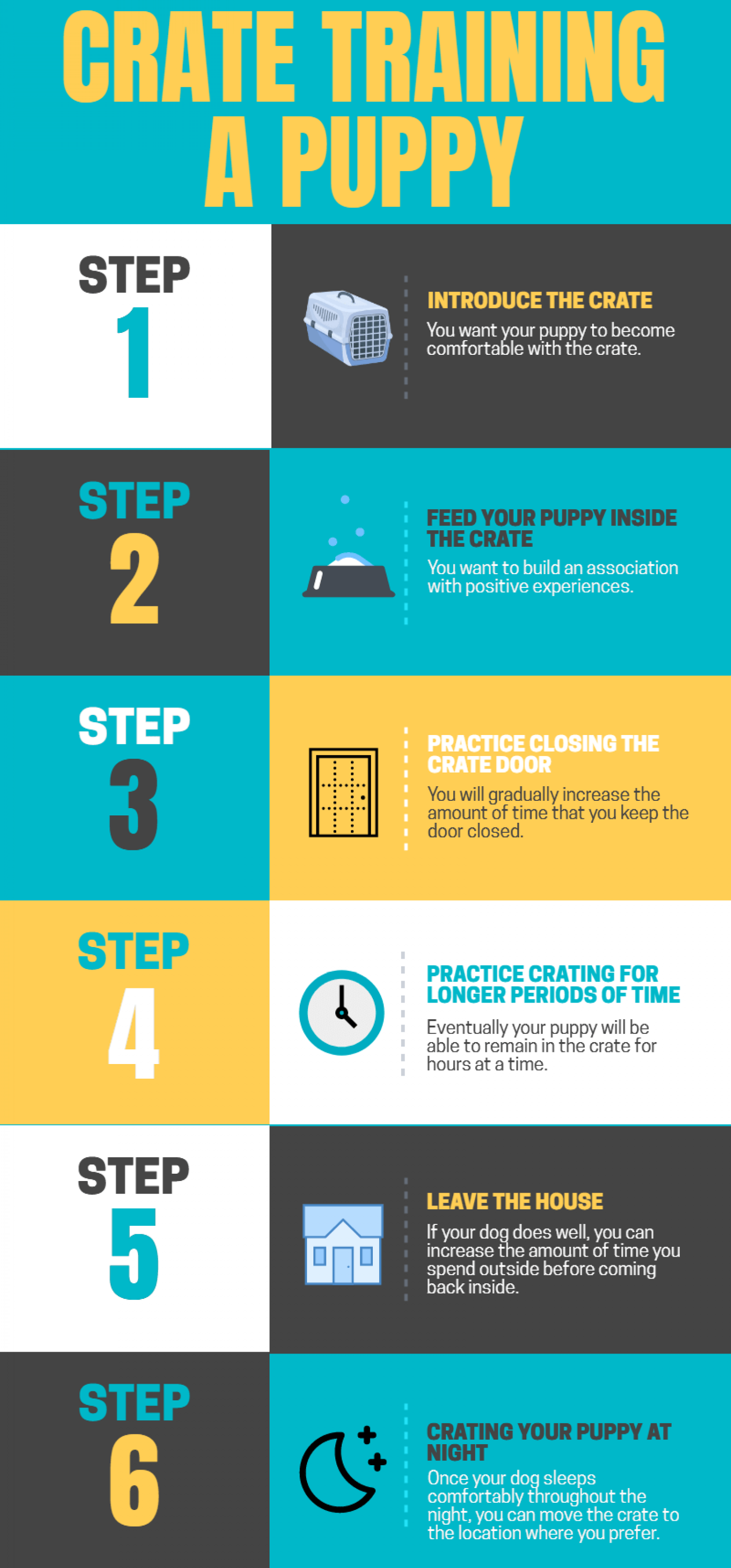
Introducing your puppy to the crate is the first step in creating a safe space for them. This space will help your puppy feel secure and calm. It also makes house training easier. The key is to make the crate a happy place. Patience and consistency are very important during this process.
Making The Crate Inviting
Place a soft blanket or bed inside the crate. This makes it comfortable for your puppy. Choose a quiet spot in your home for the crate. Avoid busy or noisy areas. Let the crate door stay open at first. This allows your puppy to explore it freely. The goal is to make the crate feel like a cozy den.
Gradual Acclimation
Start by encouraging your puppy to enter the crate on their own. Use gentle words and praise when they go inside. Do not force your puppy in. Close the door for a few seconds once they are inside. Slowly increase the time the door stays shut. Always stay nearby to reassure your puppy. This builds trust and reduces fear.
Using Treats And Toys
Place treats inside the crate to attract your puppy. Use favorite toys to make the crate fun. Offer a chew toy to keep them busy. Give treats when your puppy enters or stays calm. This creates positive feelings about the crate. Never use the crate as punishment. It should always be a place for good things.
Establishing A Routine
Establishing a routine is key to successful crate training for your puppy. A steady schedule helps your puppy feel safe and understand what to expect. It builds trust and reduces anxiety. Puppies thrive on predictability. Consistent routines make crate time a normal part of their day.
Consistent Crate Times
Choose specific times for crate sessions every day. Puppies learn faster when crate times do not change much. Set times after meals, naps, and playtime work well. Avoid long or random crate periods. Short and steady crate times help puppies stay calm and relaxed.
Pre-crate Activities
Before crate time, engage your puppy in calm activities. A short walk or gentle play can help them burn energy. Avoid exciting games right before. This prepares your puppy to settle down quickly inside the crate. A tired puppy rests better and feels comfortable.
Post-crate Rewards
Give your puppy praise or treats after crate time ends. Positive rewards make puppies happy about the crate. Use soft words and gentle petting. This shows the crate is a safe and good place. Rewards build a strong connection between you and your puppy.
Handling Common Challenges
Crate training a puppy is not always easy. Many pet owners face common problems that can make the process tough. Understanding these challenges helps in handling them well. Patience and consistency are key to success.
Each puppy is different and may react in unique ways. Some might whine, others show signs of anxiety, or get bored quickly. Addressing these issues early on keeps the training smooth and effective.
Dealing With Whining
Whining is a common sign of discomfort or need. Puppies might whine because they want attention or need to go outside. Avoid giving attention right away. Wait until the puppy is quiet before responding. This teaches them that silence gets rewards.
Make sure the crate is comfortable with soft bedding. Place it in a quiet spot to reduce stress. Use a calm voice to reassure your puppy if needed. Over time, whining usually decreases as the puppy adjusts.
Managing Separation Anxiety
Separation anxiety happens when a puppy feels scared alone. Start with short crate times and gradually increase them. Leave a piece of your clothing inside for comfort. Practice leaving the room for a few minutes, then return calmly.
Keep departures and arrivals low-key to reduce stress. Avoid making a big fuss. Use treats and toys to create positive associations with the crate. Consistent practice helps the puppy feel safe and relaxed.
Preventing Boredom
Boredom can lead to whining or destructive behavior. Provide safe chew toys or puzzle feeders in the crate. Rotate toys regularly to keep interest high. Play with your puppy before crate time to tire them out.
Short crate sessions during the day can prevent loneliness. Avoid leaving the puppy in the crate for too long. A happy, engaged puppy learns better and stays calm in the crate.
Nighttime Crate Tips
Nighttime crate training helps your puppy feel safe and learn good habits. Proper nighttime routines make crate training easier for both you and your puppy. A calm, comfortable crate encourages restful sleep and reduces anxiety.
Setting Up For Sleep
Place the crate in a quiet, dim room. Keep the crate door open until bedtime. Add a soft blanket or bed inside the crate. Use a small nightlight nearby to reduce darkness. Avoid loud noises or sudden movements around the crate. Establish a consistent bedtime to create a routine.
Nighttime Bathroom Breaks
Young puppies need bathroom breaks during the night. Set an alarm to take your puppy out every few hours. Keep the bathroom area close to the crate. Use a leash to guide your puppy gently. Keep these trips calm and quiet. Avoid playing or feeding during breaks.
Comfort And Security
Place a favorite toy or chew inside the crate. Use a piece of your worn clothing for familiar scent. Avoid overloading the crate with items to keep space cozy. Speak softly near the crate to soothe your puppy. Patience and gentle voice build trust and calmness.

Credit: www.etsy.com
Crate Training Mistakes To Avoid
Crate training can help your puppy feel safe and learn good habits. Avoiding common mistakes makes training easier. Mistakes can cause fear or stress. They slow down progress and confuse your puppy. Follow these tips to keep crate training positive and effective.
Using The Crate For Punishment
Never use the crate as a punishment place. Your puppy should see it as a safe space. Punishing inside the crate makes your puppy scared. This fear stops them from liking the crate. Keep the crate a happy and calm spot.
Overusing The Crate
Do not keep your puppy in the crate too long. Puppies need time to play and explore. Long periods in the crate cause boredom and anxiety. Give your puppy breaks to stretch and go outside. Balance crate time with fun and exercise.
Ignoring Puppy Signals
Watch your puppy’s behavior closely. They tell you when they need out. Whining or scratching means they want attention or a bathroom break. Ignoring these signs causes stress and accidents. Respond quickly to build trust and good habits.
Progressing Beyond The Crate
Moving beyond the crate is an important step in your puppy’s training. It helps your dog gain more freedom while staying safe and well-behaved. The transition should be slow and careful to avoid confusion or accidents. Your puppy needs time to learn new rules outside the crate.
Patience and consistency are key. Keep the training positive and clear. This will help your puppy feel confident and secure as it explores more of your home.
Increasing Freedom Gradually
Start by allowing your puppy short periods outside the crate. Choose a safe, puppy-proofed area at first. Watch your dog closely for signs of stress or bad behavior. Gradually increase the time and space your puppy can explore. This helps build trust and understanding of limits. Avoid sudden changes that can cause anxiety or accidents.
Maintaining Boundaries
Set clear rules for the puppy’s new space. Use baby gates or closed doors to limit access. Teach your puppy which areas are off-limits. Consistent commands help your dog know what is allowed. Praise good behavior and gently correct mistakes. Boundaries keep your home safe and protect your puppy.
When To Retire The Crate
The crate is not forever. Watch your puppy’s behavior and maturity. If your dog stays calm and safe without the crate, it may be time. Retiring the crate means your puppy can handle freedom responsibly. Keep monitoring to ensure good habits continue. Some dogs always like having a crate as a safe space.
Frequently Asked Questions
How Long Does Crate Training A Puppy Take?
Crate training duration varies, usually taking 1 to 3 weeks. Consistency and patience are key. Puppies adapt faster with positive reinforcement and routine.
What Size Crate Is Best For My Puppy?
Choose a crate that fits your puppy comfortably. It should be large enough to stand, turn, and lie down. Avoid oversized crates to prevent accidents.
How Often Should A Puppy Be Crated Daily?
Limit crate time to 2-3 hours for young puppies. Increase gradually as they grow. Avoid over-crating to prevent stress and behavioral issues.
Can Crate Training Help With Housebreaking?
Yes, crate training aids housebreaking by teaching bladder control. Puppies avoid soiling their sleeping area. Consistent schedule and praise improve results.
Conclusion
Crate training helps puppies feel safe and comfortable. It builds good habits and keeps your home tidy. Be patient and consistent with your training steps. Praise your puppy for calm behavior inside the crate. Use short sessions to avoid stress or fear.
Over time, your puppy will enjoy their crate space. This training creates trust and a happy pet. Keep practicing daily to see the best results. Small efforts bring big rewards for you and your puppy.

