

Bringing a puppy into your home is exciting, but it also comes with a big responsibility. You want to give your new furry friend the best start in life, and that means knowing exactly how to care for them.
Whether this is your first puppy or you want to improve your skills, these puppy care tips will help you build a strong bond and keep your pup healthy and happy. Keep reading—you’ll discover simple, practical advice that makes puppy care easier and more rewarding for both of you.
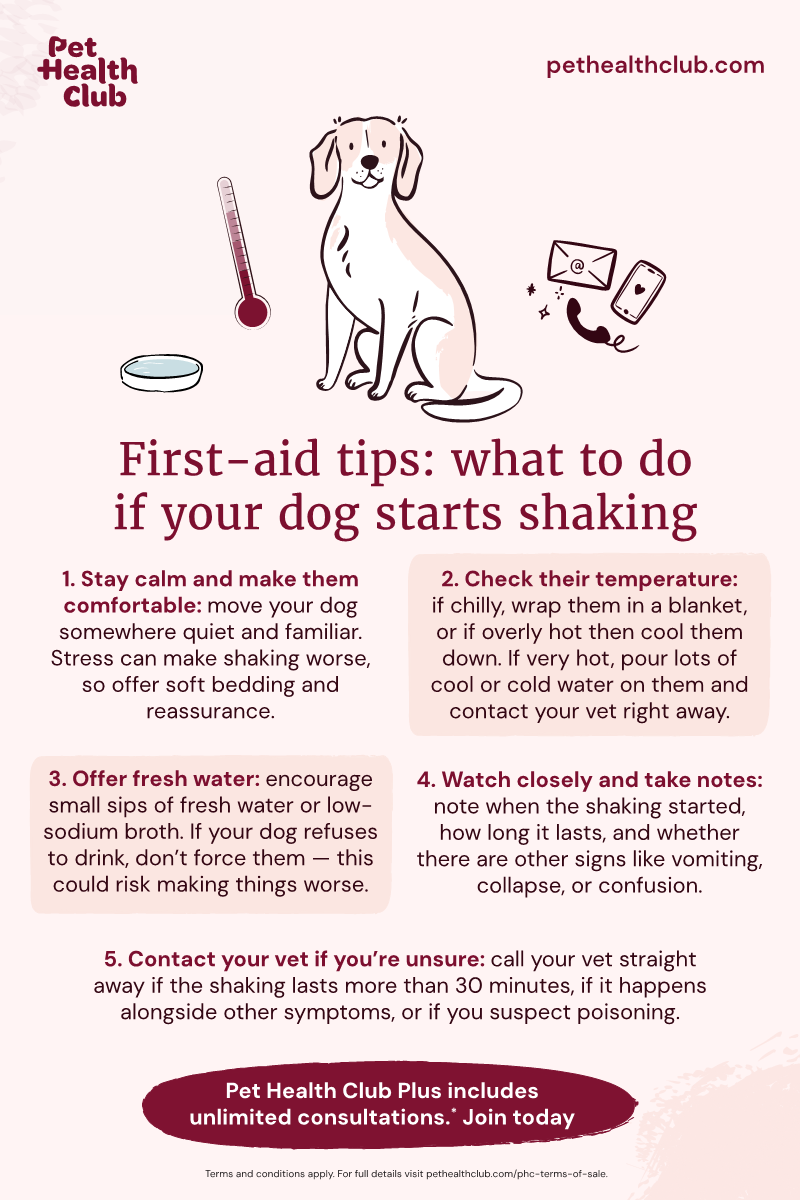
Credit: www.pethealthclub.com
Choosing The Right Puppy
Choosing the right puppy sets the stage for a happy life together. This decision affects your daily routine and your puppy’s health. Consider your lifestyle and living space carefully. A well-matched puppy fits your energy level and family size. Take time to explore your options and prepare well.
Selecting A Breed
Each breed has unique traits and needs. Some dogs need lots of exercise, others prefer quiet time. Size matters too. Large breeds need more space and food. Small breeds can live happily in apartments. Think about grooming needs and temperament. Choose a breed that fits your daily life and home.
Finding A Reputable Breeder
Trustworthy breeders care for their puppies and parents. They provide health clearances and good living conditions. Avoid places where puppies look unhealthy or scared. Ask for references and visit the breeder’s home. A good breeder answers your questions honestly. This helps ensure your puppy starts healthy.
Preparing Your Home
Make your home safe and welcoming before bringing a puppy. Remove small objects and toxic plants. Set up a cozy bed and a quiet spot. Buy food, toys, and grooming tools. Puppy-proof areas where your dog will spend time. A prepared home helps your puppy feel secure and loved.
:strip_icc()/Puppy-food-feeding-schedule-2804779-a35fb27f23bd427cbea6ed24236fee22.jpg)
Credit: www.thesprucepets.com
Nutrition And Feeding
Proper nutrition is key for a puppy’s growth and health. Feeding your puppy the right food helps build strong bones, muscles, and a healthy immune system. It also supports their energy needs during play and learning.
Choosing the best foods and setting a good feeding routine ensures your puppy gets enough nutrients. It also prevents problems like obesity or nutrient deficiencies. Knowing which foods to avoid keeps your puppy safe from toxins and illness.
Best Puppy Foods
Pick foods made especially for puppies. These have the right balance of protein, fat, and vitamins. Look for brands with real meat listed as the first ingredient. Avoid foods with too many fillers like corn or soy.
Wet or dry food can both work well. Some puppies prefer wet food for its taste and moisture. Dry food helps keep teeth clean by reducing plaque.
Feeding Schedule
Feed your puppy small meals several times a day. Young puppies need three to four meals daily. This helps maintain steady energy and proper digestion.
At about six months, reduce feeding to two meals a day. Stick to consistent times. This routine helps your puppy learn good eating habits.
Avoiding Harmful Foods
Some human foods can harm puppies. Chocolate, grapes, onions, and garlic are toxic. Avoid giving your puppy bones, as they can splinter and cause injury.
Keep sugary snacks and salty foods away. These can upset your puppy’s stomach or cause long-term health issues. Always ask your vet before offering new treats.
Health And Vet Care
Taking care of a puppy’s health is very important. Early vet visits help catch problems fast. Puppies need regular check-ups to stay strong and happy. Good health care sets the path for a long life.
Vaccination Schedule
Puppies need vaccines to protect them from diseases. The first shots start at six to eight weeks old. Core vaccines include distemper, parvovirus, and rabies. Follow the vet’s schedule for booster shots. Vaccines keep your puppy safe from deadly illnesses.
Common Puppy Illnesses
Some illnesses affect puppies more often. Watch for signs like vomiting, diarrhea, or coughing. Parvovirus and kennel cough are common and contagious. Early treatment can save your puppy’s life. Call the vet if symptoms appear.
Parasite Prevention
Parasites can harm your puppy’s health. Fleas, ticks, and worms are the most common. Use vet-recommended treatments to prevent infestations. Check your puppy regularly for signs of parasites. Clean living areas help reduce risks.

Credit: www.bernedoodledo.com
Training Basics
Training your puppy lays the foundation for good behavior and a happy life together. Start early to build trust and clear communication. Consistency and patience help your puppy learn faster. Training also keeps your puppy safe and confident in different situations.
Housebreaking Tips
Choose a specific spot outside for your puppy’s bathroom breaks. Take your puppy there often, especially after eating or sleeping. Praise your puppy immediately after they go in the right place. Clean accidents with an enzyme cleaner to remove smells. Stay patient and keep a regular schedule for best results.
Socialization Strategies
Expose your puppy to many people, animals, and places gently. Introduce new experiences slowly and positively. Watch your puppy’s reactions and give breaks if overwhelmed. Meeting other puppies helps your puppy learn good play habits. Early socialization reduces fear and aggression later on.
Basic Commands
Start with simple commands like “sit,” “stay,” and “come.” Use clear, short words and consistent tones. Reward your puppy with treats or praise right after obeying. Keep training sessions short and fun to hold attention. Repeat often for your puppy to remember commands well.
Exercise And Play
Exercise and play are vital for a puppy’s growth and happiness. They help build strong muscles and keep your puppy healthy. Play also strengthens the bond between you and your puppy. Puppies have lots of energy. Use exercise and play to guide that energy in good ways.
Daily Activity Needs
Puppies need daily exercise to stay fit and calm. Short walks and gentle runs suit young pups best. Playtime should happen at least twice a day. Pay attention to your puppy’s energy level. Too much exercise can tire them out quickly. Break activities into small, fun sessions. This helps avoid stress and injury.
Safe Toys
Choose toys that are safe and durable. Avoid small toys that puppies can swallow. Soft chew toys help with teething pain. Toys made from non-toxic materials are best. Rotate toys to keep your puppy interested. Always watch your puppy during play. Remove any broken toys to prevent choking.
Mental Stimulation
Exercise is not just physical. Puppies need mental challenges too. Puzzle toys can keep their minds busy. Training sessions also provide mental work. Simple commands like “sit” and “stay” help. Mental stimulation reduces bad behavior and boredom. Change up games to keep your puppy sharp.
Grooming Essentials
Grooming is a key part of caring for your puppy. It helps keep your puppy clean and healthy. Regular grooming also builds trust between you and your pet. Simple grooming steps can prevent many health problems. Start early to make grooming a good habit for your puppy.
Bathing And Brushing
Bathing your puppy keeps its coat clean and fresh. Use warm water and a gentle puppy shampoo. Avoid getting soap in the puppy’s eyes or ears. Brush your puppy’s fur often to remove dirt and loose hair. Brushing also stops mats and tangles from forming. Choose a brush suitable for your puppy’s coat type.
Nail Trimming
Trim your puppy’s nails carefully to avoid pain or injury. Long nails can hurt your puppy’s paws and cause walking problems. Use a special nail clipper made for dogs. Cut small amounts at a time. Stop if you see a pink area inside the nail. That area has blood vessels and nerves.
Dental Care
Healthy teeth are very important for your puppy’s well-being. Brush your puppy’s teeth regularly with a dog-safe toothbrush and toothpaste. Start brushing slowly to help your puppy get used to it. Clean teeth prevent bad breath and gum disease. You can also give dental chews to help keep teeth strong.
Creating A Safe Environment
Creating a safe environment is key to raising a happy puppy. Puppies are curious and like to explore. This can lead to danger if the home is not prepared. Taking steps to protect your puppy will keep them safe and calm.
Safety helps puppies learn and grow with confidence. It also protects your belongings and prevents accidents. Small changes in your home can make a big difference.
Puppy-proofing Your Home
Remove small objects that puppies can swallow. Cover electrical wires and keep cords out of reach. Block off stairs or rooms that are unsafe. Store cleaning supplies and chemicals where puppies cannot reach. Use baby gates to limit the puppy’s access in the house.
Safe Spaces
Create a quiet and cozy area for your puppy. Use a crate or a small bed in a calm corner. This helps puppies feel secure and reduces stress. Make sure the space is free from drafts and loud noises. Always provide fresh water and soft bedding in this area.
Handling Separation Anxiety
Start by leaving your puppy alone for short times. Gradually increase the time as they get used to it. Give a favorite toy or chew to keep them busy. Avoid long goodbyes to reduce stress. Patience and calmness help your puppy feel safe when alone.
Frequently Asked Questions
How Often Should I Feed My Puppy Daily?
Feed your puppy 3 to 4 times a day. Use high-quality puppy food. Follow vet recommendations for portion sizes and schedule.
When Should I Start Training My Puppy?
Begin training as early as 7 to 8 weeks old. Early training helps build good habits and social skills.
How Much Exercise Does A Puppy Need?
Puppies need 5 minutes of exercise per month of age, twice daily. Avoid over-exercising to protect growing joints.
What Vaccinations Does My Puppy Require?
Core vaccines include distemper, parvovirus, and rabies. Consult your vet for a complete vaccination schedule tailored to your puppy.
Conclusion
Caring for a puppy takes time and patience. Small steps lead to strong bonds and healthy habits. Feeding, training, and love shape a happy dog. Regular vet visits keep your puppy safe and well. Play and rest help your puppy grow strong.
Enjoy each moment with your new friend. A well-cared puppy brings joy every day. Keep learning and stay consistent in care. Your puppy will thank you with loyalty and love. Simple care makes a big difference in puppy health.

