

Are you worried about allergies but still want a furry friend by your side? You’ve probably heard the term “hypoallergenic dog breeds” but aren’t sure what it really means.
Understanding this can help you choose a dog that fits your lifestyle without triggering sneezes or itchy eyes. You’ll discover what hypoallergenic dogs are, why they matter, and how to find the perfect breed for you. Keep reading—you’re closer than ever to welcoming a pet that feels just right for your home.

Credit: www.reddit.com
Hypoallergenic Dogs Explained
Hypoallergenic dog breeds are often seen as a solution for people with allergies. These dogs are believed to cause fewer allergic reactions. The idea comes from the type of hair or fur they have. Some dogs shed less or produce fewer allergens. This can help reduce the symptoms of allergies.
Allergic reactions usually happen because of proteins found in a dog’s skin cells, saliva, and urine. These proteins stick to fur and skin flakes called dander. Hypoallergenic dogs tend to release less dander or have coats that trap it better. This lowers the chance of triggering allergies.
Allergies And Dogs
Dog allergies are caused by proteins, not fur itself. The proteins come from dog saliva, urine, and dander. When dogs shed, these proteins spread into the air. People with allergies can breathe them in or touch them. This causes sneezing, itchy eyes, and other symptoms.
Some dogs produce fewer allergens, but no dog is 100% hypoallergenic. People react differently to different dogs. The best way to find out is to spend time with a dog before bringing it home. Cleaning often and using air filters can also help reduce allergens.
Myths About Hypoallergenic Breeds
Many believe hypoallergenic dogs never cause allergies. This is not true. All dogs produce allergens. The difference lies in how much they spread.
Another myth is that hair length matters most. But short hair does not always mean fewer allergens. Some long-haired dogs shed less dander. Coat type and grooming play a big role.
People also think hypoallergenic means no shedding. Most hypoallergenic breeds still shed, but less than others. Regular grooming reduces dander and loose hair. This helps manage allergies better.
Traits Of Hypoallergenic Breeds
Hypoallergenic dog breeds have special traits that make them better for people with allergies. These dogs shed less hair and dander, which often cause allergic reactions. Understanding their traits helps to choose a breed that fits well with sensitive homes.
Low Shedding Characteristics
Hypoallergenic breeds shed very little fur. Less shedding means fewer loose hairs and dander around the house. This reduces the chances of triggering allergies. These dogs often need regular grooming to keep their coat clean and healthy.
Coat Types That Help
Many hypoallergenic dogs have curly or wavy coats. These coats trap loose hair instead of letting it float in the air. Some breeds have hair that grows continuously, similar to human hair. This type of coat holds the dander, reducing its spread.
Common Breed Features
Hypoallergenic breeds usually have dense, tight fur. Their skin produces less dander than other dogs. These breeds tend to have smaller sizes, which means less surface area for allergens. They also often have friendly, calm temperaments.
Popular Hypoallergenic Dog Breeds
Hypoallergenic dog breeds are popular among people who suffer from allergies. These dogs shed less hair and dander, which can reduce allergic reactions. Many families choose hypoallergenic breeds to enjoy pets without discomfort.
These breeds come in various sizes, from tiny lap dogs to larger companions. Each breed has unique traits but shares the common benefit of being easier on allergy sufferers. Below are some popular hypoallergenic dog breeds divided by size.
Small Breeds
Small hypoallergenic dogs fit well in apartments and small homes. The Maltese is known for its silky, low-shedding coat. The Bichon Frise has curly fur that traps dander and reduces allergens.
The Shih Tzu has hair that grows continuously, not fur that sheds often. The Yorkshire Terrier’s fine hair is more like human hair than dog fur. These dogs stay small and are friendly companions.
Medium And Large Breeds
Medium and large hypoallergenic dogs offer more space for active families. The Portuguese Water Dog is energetic and has a curly, water-resistant coat. The Standard Poodle is smart and sheds very little.
The Soft Coated Wheaten Terrier has a soft, wavy coat that does not shed much. The Giant Schnauzer combines strength with a hypoallergenic coat. These dogs need regular grooming to keep their coats healthy.
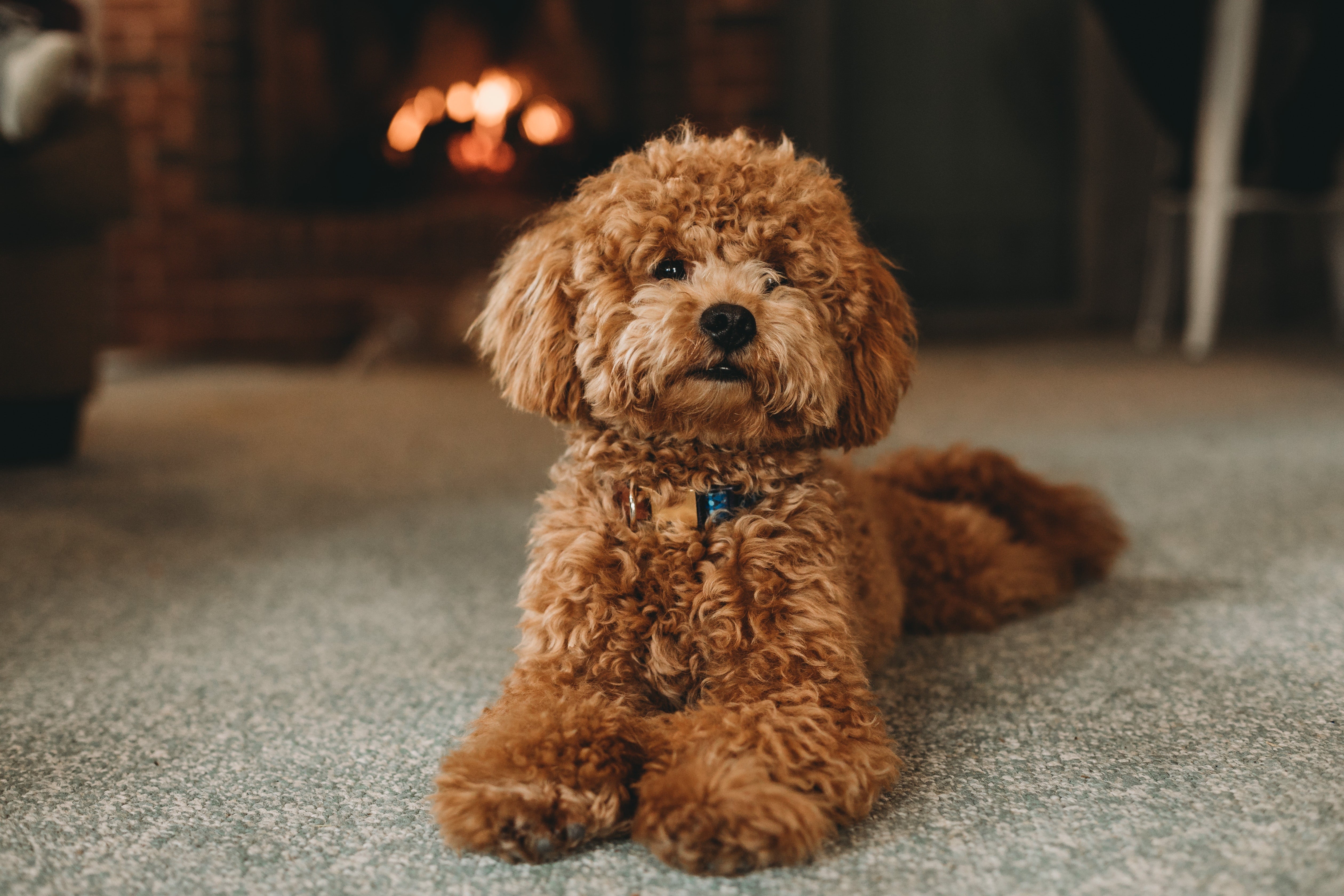
Credit: www.pethonesty.com
Choosing The Right Hypoallergenic Dog
Finding a hypoallergenic dog means more than avoiding allergies. It involves matching the dog’s traits with your daily life. Each breed has unique needs and personalities. This match helps create a happy home for both you and your pet.
Think about your daily schedule, living space, and energy level. These factors guide the choice of a hypoallergenic dog. The right fit makes pet care easier and more enjoyable.
Lifestyle Considerations
Your lifestyle shapes the type of dog you should get. Some dogs need lots of exercise and outdoor time. Others prefer calm indoor days. Consider your work hours, family, and activity level. Choose a dog that fits your daily rhythm. This reduces stress for you and the dog.
Grooming Needs
Hypoallergenic dogs still require grooming. Some breeds shed less but need regular brushing. Others need haircuts to stay healthy and clean. Grooming affects allergies and the dog’s comfort. Know the grooming time you can commit to before choosing a breed.
Temperament And Activity Level
Temperament is key for a good match. Some dogs are playful and energetic. Others are calm and quiet. Match the dog’s personality with your home environment. Activity level matters too. Active dogs need space to run and play. Calm dogs fit better in smaller homes or apartments.
Managing Allergies With Dogs
Managing allergies with dogs takes effort and care. Hypoallergenic dog breeds can help reduce allergic reactions. Yet, managing your environment and habits is key. Small steps make a big difference in comfort and health.
Home Cleaning Tips
Clean your home often to reduce allergens. Vacuum floors and furniture with a HEPA filter. Wash dog bedding weekly in hot water. Dust surfaces regularly using a damp cloth. Keep windows open to air out rooms.
Personal Allergy Management
Wash your hands after touching your dog. Avoid touching your face, especially eyes and nose. Use allergy medications as advised by your doctor. Wear a mask during grooming or cleaning. Change clothes after playing with your dog.
Regular Grooming Practices
Brush your dog outside to limit indoor hair. Bathe your dog regularly with gentle shampoo. Trim your dog’s nails to reduce scratching. Clean your dog’s ears to prevent infections. Schedule professional grooming if needed for your breed.

Credit: en.wikipedia.org
When Hypoallergenic Isn’t Enough
Hypoallergenic dog breeds often promise fewer allergy problems. Yet, for some allergy sufferers, these breeds still cause reactions. Allergies depend on many factors beyond dog hair. This section explores what to do when hypoallergenic dogs don’t fully help.
Testing Allergy Reactions
Testing allergy reactions before adopting a dog is wise. Visit a friend with the same breed to see your response. Allergy tests can also identify specific triggers. Skin or blood tests reveal sensitivity to pet dander. This helps decide if a dog breed fits your needs. Small exposure can prevent surprises after bringing a dog home.
Alternative Pets For Allergy Sufferers
Some pets cause fewer allergies than dogs. Fish, turtles, or reptiles do not shed dander. Birds can trigger allergies but are less common than dogs. Small mammals like hamsters or guinea pigs may suit some people. Always spend time near a pet before adopting. Choose pets carefully to enjoy companionship without allergy issues.
Frequently Asked Questions
What Does Hypoallergenic Dog Breed Mean?
Hypoallergenic dog breeds produce fewer allergens, causing less allergy reaction in sensitive people. They shed less dander and hair.
Are Hypoallergenic Dogs Completely Allergen-free?
No, hypoallergenic dogs still produce some allergens. They just produce fewer allergens compared to other breeds.
Which Breeds Are Considered Hypoallergenic?
Common hypoallergenic breeds include Poodles, Bichon Frises, Maltese, and Schnauzers. These breeds shed less dander and hair.
Can Hypoallergenic Dogs Prevent All Allergies?
Hypoallergenic dogs reduce allergy symptoms but cannot guarantee zero allergic reactions. Individual responses may vary.
Conclusion
Hypoallergenic dog breeds shed less hair and cause fewer allergies. They suit people with sensitive skin or asthma. Choosing the right breed helps reduce allergy symptoms. Remember, no dog is 100% allergy-free. Spend time with a dog before bringing it home.
This helps see if allergies react or not. Enjoy the company of a furry friend without worry. Hypoallergenic dogs offer love and comfort to many people. They make great pets for allergy sufferers.

