
Choosing the right dog breeder can make all the difference for you and your future furry friend. But how do you know if a breeder is trustworthy and responsible?
Asking the right questions is key to finding a healthy, happy puppy that fits your life. You’ll discover exactly what questions to ask a dog breeder to protect your investment and ensure your new pet has the best start possible.
Keep reading—you’ll feel confident and prepared when it’s time to bring your new companion home.
Credit: cooperandkids.com
Breeder’s Experience
Understanding a breeder’s experience is key to finding a healthy and happy dog. An experienced breeder knows how to raise strong puppies. They can answer all your questions and guide you well. Experience shows in how they care for their dogs and manage their breeding program.
Years In Breeding
Ask how many years the breeder has been working with dogs. More years often mean better knowledge and skills. A breeder with long experience usually has a good reputation. They have learned how to avoid common health problems in puppies.
Specialized Dog Breeds
Find out which breeds the breeder works with. Many breeders focus on one or two breeds only. This focus helps them understand breed traits deeply. It also helps them improve the breed’s health and temperament over time.
Breeding Goals
Ask about the breeder’s goals for their dogs. Good breeders aim for healthy, well-tempered puppies. They avoid breeding just for looks or quick profit. Their goal is to produce dogs that fit well in families and homes.
Health And Genetics
Health and genetics play a big role in a puppy’s future. Asking the breeder about these topics helps you find a healthy dog. It also shows if the breeder cares about their dogs’ well-being. Understanding the dog’s background can prevent many health problems later.
Health Screenings
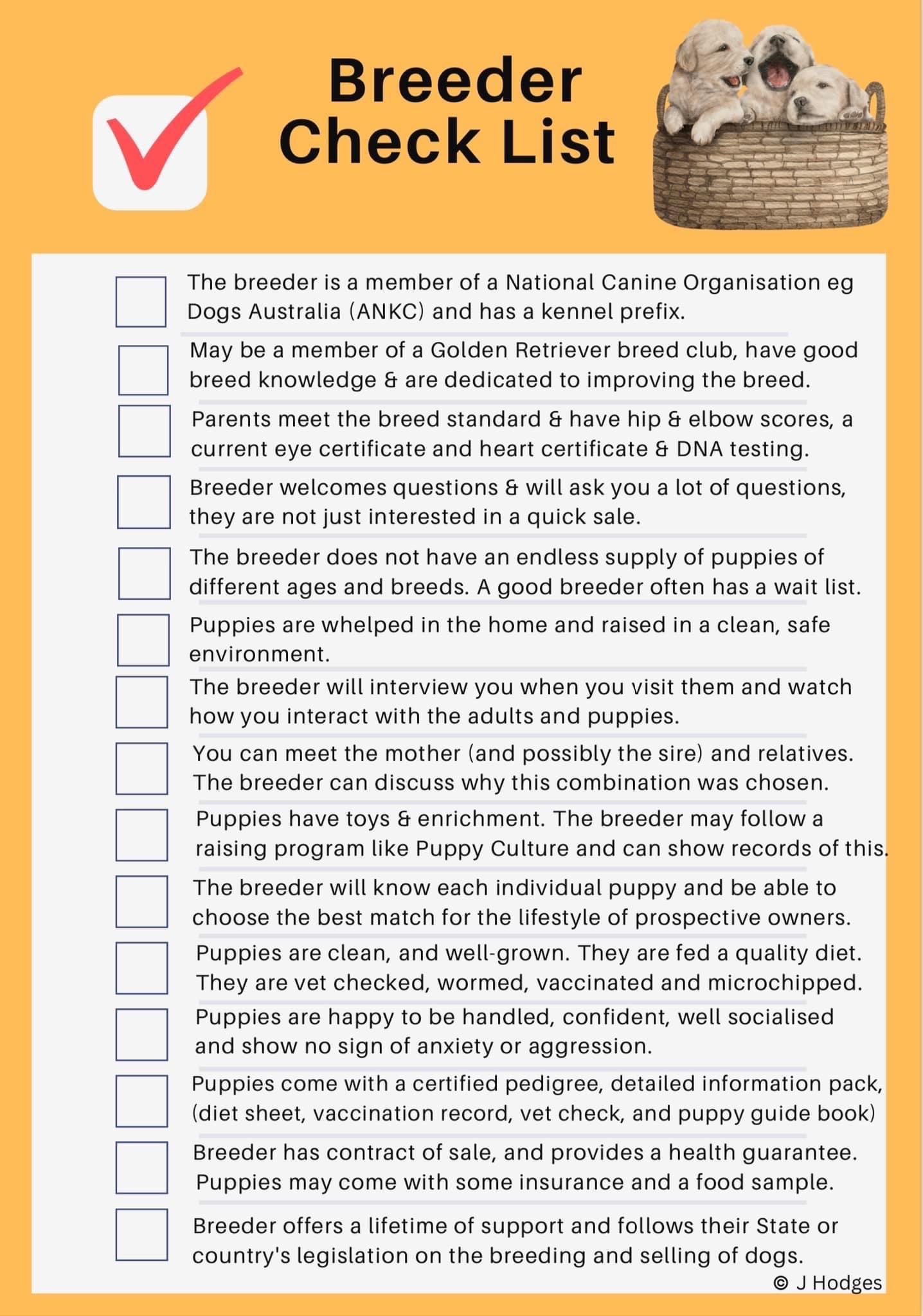
Ask the breeder if they do health screenings on their dogs. These tests check for common diseases in the breed. They include checks for hips, eyes, and heart health. Good breeders share these results openly. It proves the dogs are healthy and fit for breeding.
Genetic Testing
Genetic tests find inherited diseases before puppies are born. These tests reduce the risk of passing bad genes. Ask which genetic tests the breeder uses. Responsible breeders avoid mating dogs with harmful genes. This ensures healthier puppies with fewer risks.
Vaccination Records
Vaccinations protect puppies from many serious diseases. Ask for the puppy’s vaccination records. Confirm the breeder follows a proper vaccination schedule. Healthy puppies should have all shots before going home. This protects your new dog and your family.
Puppy Socialization
Puppy socialization is very important for a happy and confident dog. Socialization helps puppies learn how to behave around people, animals, and new places. It shapes their personality and reduces fear and aggression later in life. Asking the breeder about how they socialize their puppies gives you a good idea of what to expect.
Early Social Exposure
Ask if the breeder starts socializing puppies early. Puppies should meet different sights, sounds, and smells. This early exposure helps puppies feel safe in many environments. It also teaches them to handle new experiences calmly.
Interaction With Humans
Find out how often puppies interact with people. Puppies need gentle handling by different people daily. This builds trust and comfort around humans. It also helps puppies learn to enjoy being touched and held.
Exposure To Other Animals
Check if puppies meet other animals like dogs or cats. Meeting other animals early helps puppies learn good social skills. It lowers chances of fear or aggression toward other pets. Social play with other animals is a key part of puppy development.
Parent Dogs’ Environment
Understanding the environment of the parent dogs is key when choosing a breeder. It shows how the puppies might grow up. Healthy, happy parents usually lead to healthy puppies. Ask detailed questions about where the parent dogs live and how they are treated.
Living Conditions
Ask where the parent dogs live. Are they inside the home or kept outside? Clean, safe spaces matter a lot. Dogs should have enough room to move freely. The area should be free from hazards. Good living conditions help dogs stay healthy and stress-free.
Temperament Of Parents
Find out about the parents’ behavior. Are they calm, friendly, or shy? The temperament of the parents often passes to the puppies. Friendly and well-socialized parents usually raise puppies with good behavior. Ask if the breeder can show you how the parents act around people and other dogs.
Access To Exercise
Exercise keeps dogs fit and happy. Ask how often the parents get to play and run. Regular exercise helps prevent health problems and bad habits. Parents who get enough exercise are likely to have strong, energetic puppies. Check if the breeder has safe outdoor space for playtime.
Breeder’s Policies
Understanding a breeder’s policies helps you know what to expect. It protects you and the dog. These rules show how responsible the breeder is. Ask about their return and refund options. Learn if they require spaying or neutering. Check if they offer health guarantees for their puppies.
Return And Refund
Ask if the breeder accepts returns. Find out if you can get a refund. Some breeders want the dog back if you cannot keep it. Others may charge a fee or have conditions. Clear rules on returns prevent future problems.
Spay/neuter Agreements
Many breeders ask owners to spay or neuter pets. This prevents unwanted puppies and health issues. Check if the breeder requires a contract. Know the timeline for surgery. Some breeders may check proof of surgery later.
Health Guarantees
Health guarantees protect you from hidden illnesses. Ask what diseases or conditions are covered. See how long the guarantee lasts. Learn what steps to take if the puppy gets sick. A good breeder stands behind their puppies’ health.

Credit: www.chewy.com
Puppy Documentation
Puppy documentation is important when buying a dog. It proves the puppy’s background and health. Proper papers help you trust the breeder and protect your new pet.
Ask the breeder about the documents they provide. Check for important papers that show the puppy’s history. These papers also help with future care and registration.
Registration Papers
Registration papers confirm the puppy’s breed and pedigree. They come from official kennel clubs or breeding organizations. These papers prove the puppy is purebred and show its family tree.
Request to see registration papers before buying. These documents add value and confirm the breeder’s honesty. Registered puppies often have better health and behavior records.
Medical Records
Medical records show the puppy’s health history. They include vaccinations, deworming, and any treatments. These records help you know the puppy is healthy and cared for.
Ask the breeder for full medical records. These should be complete and up-to-date. A healthy puppy starts with good medical care from birth.
Microchipping
Microchipping is a small chip placed under the puppy’s skin. It helps identify the dog if lost. Many breeders provide microchipping before selling a puppy.
Check if the breeder has microchipped the puppy. Ask for the chip number and registration details. Microchipping adds safety and peace of mind for pet owners.
Visiting The Breeder
Visiting the breeder is a crucial step when choosing your new dog. This visit helps you see the environment where puppies grow. It also lets you check how the breeder cares for the dogs. Seeing everything firsthand gives you confidence in your choice.
Facility Cleanliness
Cleanliness shows how much the breeder cares about the dogs. The area should be free of dirt and bad smells. Bedding and toys must be clean and in good condition. A tidy facility means healthy and happy puppies.
Puppy Interaction
Watch how puppies behave with the breeder and each other. Puppies should be playful and curious, not scared or shy. See if the breeder lets you hold and play with the puppies. This helps you feel the puppy’s personality and health.
Breeder Transparency
The breeder should answer all your questions openly and honestly. They should share details about the puppy’s parents and health checks. Ask to see vaccination and medical records. Transparency builds trust and shows the breeder’s professionalism.

Credit: www.youtube.com
Buyer Support
Buyer support is an important part of choosing a dog breeder. Good breeders do not just sell puppies and disappear. They help new owners care for their dogs after adoption. This support can make the transition easier and build a strong bond between you and your new pet.
Post-adoption Guidance
Ask the breeder about the advice they give after you take the puppy home. Do they provide health tips and feeding schedules? Will they guide you on vaccinations and vet visits? A breeder who offers clear post-adoption guidance helps you keep your dog healthy and happy.
Training Assistance
Training a new dog can be challenging. Check if the breeder helps with basic training tips. Do they offer advice on housebreaking or socializing your puppy? Some breeders may even recommend trainers or classes. Support in training helps your dog learn good behavior early.
Ongoing Communication
Find out if the breeder stays in touch after the sale. Can you call or email them with questions? Ongoing communication shows the breeder cares about your puppy’s well-being. It also gives you a resource for advice as your dog grows.
Frequently Asked Questions
What Health Tests Do You Perform On Your Dogs?
Responsible breeders conduct health screenings for genetic and common breed diseases. Ask about hip, elbow, eye, and heart tests. Ensure puppies come with health clearances and veterinary records to guarantee wellness.
How Do You Socialize And Raise Your Puppies?
Good breeders expose puppies to various sounds, people, and environments early. This builds confidence and proper behavior. Ask about their socialization methods to ensure well-rounded, well-adjusted puppies.
Can I Meet The Puppy’s Parents Before Buying?
Meeting the puppy’s parents helps assess temperament and health. Reputable breeders allow visits to observe living conditions and parental behavior. This ensures transparency and trust in the breeding process.
What Is The Puppy’s Vaccination And Deworming Schedule?
Breeders should provide a clear vaccination and deworming timeline. Puppies need vaccinations starting at 6-8 weeks, followed by boosters. Confirm the schedule and get records to keep your puppy healthy.
Conclusion
Choosing the right dog breeder takes careful thought and good questions. Ask about the puppy’s health, parents, and living conditions. Trust your feelings and watch how the breeder acts. Clear answers show honesty and care. A happy puppy starts with a responsible breeder.
Take your time and choose wisely. This helps your new dog stay healthy and happy for years. Your questions protect both you and your future pet.


