

Are you worried about allergies but still want a loyal furry friend by your side? Choosing the right dog breed can make a big difference in how comfortable you feel at home.
Hypoallergenic dog breeds might be the perfect solution for you. These special dogs shed less and produce fewer allergens, helping you enjoy companionship without the sneezing and itching. Keep reading to discover which breeds could fit your lifestyle and how to find the perfect hypoallergenic dog for you.
Your ideal pet is closer than you think!
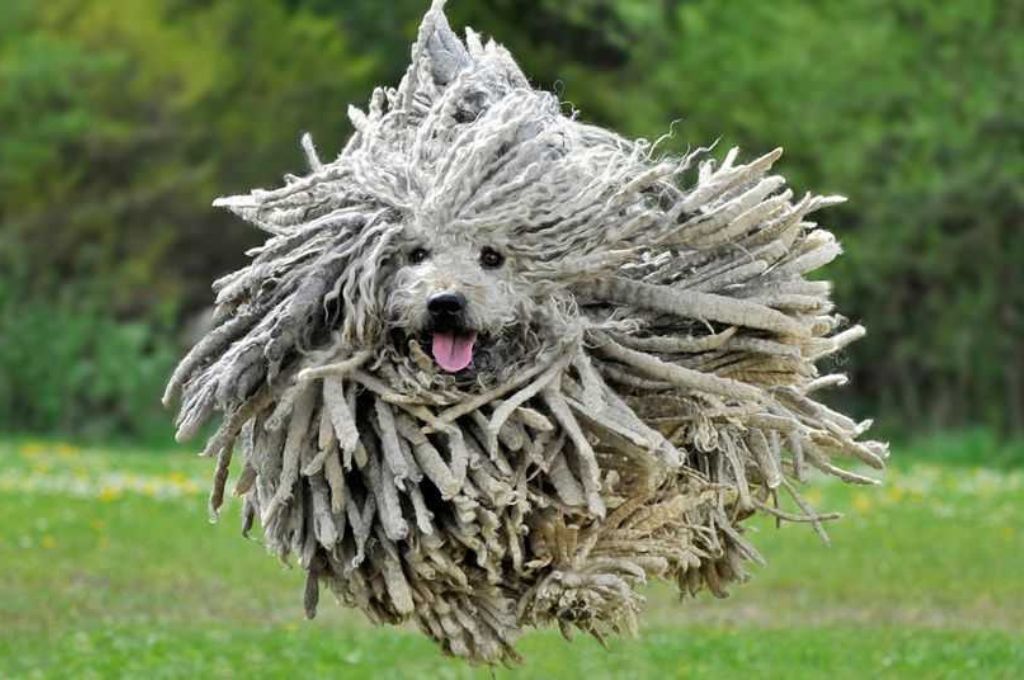
Credit: www.woofblankets.com
Hypoallergenic Dogs Explained
Hypoallergenic dogs are breeds that cause fewer allergy problems. Many people with dog allergies want a pet they can enjoy without sneezing or itching. These dogs produce fewer allergens that trigger allergic reactions.
Not all dogs are the same for allergy sufferers. Some breeds shed less fur and dander. This helps reduce the amount of allergens in the home.
What Makes A Dog Hypoallergenic
A dog is called hypoallergenic if it sheds less hair and skin flakes. Less shedding means fewer allergens spread in the air. Some breeds also produce less saliva, which contains allergy-causing proteins.
Coat type plays a big role. Dogs with curly or wiry hair hold onto loose fur. This stops hair and dander from flying around the house.
Regular grooming also helps keep allergens low. Bathing and brushing remove loose fur and skin flakes. This keeps the environment cleaner for allergy sufferers.
Common Allergens In Dogs
Dog allergens mainly come from dander, saliva, and urine. Dander is made of tiny skin flakes. These flakes stick to fur and furniture. When inhaled, they can trigger allergies.
Saliva contains proteins that can cause reactions. When dogs lick their fur, saliva dries and spreads allergens. This can affect people who are sensitive.
Urine also has proteins that cause allergies. When it dries, allergens mix with dust. This makes it harder to avoid allergy triggers indoors.

Credit: www.pethonesty.com
Top Hypoallergenic Dog Breeds
Hypoallergenic dog breeds are great for people who suffer from allergies but still want a furry friend. These dogs shed less dander, which is what usually causes allergic reactions. Many hypoallergenic breeds come in different sizes. This gives you options depending on your living space and lifestyle.
Small Hypoallergenic Breeds
Small dogs often fit well in apartments or small homes. The Bichon Frise is a popular small breed with a soft, curly coat. It sheds very little and is friendly with families. The Maltese is another small dog with long, silky hair that does not shed much. These dogs need regular grooming to keep their coats healthy. The Shih Tzu also has hair that grows continuously, which means less dander in your home. These small breeds are gentle and easy to train.
Medium And Large Hypoallergenic Breeds
Medium and large hypoallergenic dogs are perfect for active people. The Portuguese Water Dog is strong and has curly fur that traps dander. It enjoys swimming and outdoor activities. The Standard Poodle is well-known for its intelligence and non-shedding coat. These dogs need exercise and mental challenges. The Kerry Blue Terrier has soft, wavy fur and is very loyal. These larger breeds fit well in homes with yards and active families.
Benefits Of Hypoallergenic Dogs
Hypoallergenic dogs offer many benefits for people with allergies. These breeds produce fewer allergens, which helps reduce allergy symptoms. They make it easier to enjoy the company of a dog without constant sneezing or itching. Many allergy sufferers find these dogs a better match for their homes and lifestyles.
Reduced Allergy Symptoms
Hypoallergenic dogs shed less fur and dander. This leads to fewer airborne allergens in your home. People with allergies often experience less sneezing, watery eyes, and skin irritation. These dogs help create a more comfortable environment. They allow allergy sufferers to spend more time with their pets.
Suitability For Allergy Sufferers
Hypoallergenic dogs are a good choice for people who want pets but have allergies. These breeds make pet ownership possible without severe allergic reactions. They fit well in homes with children or elderly family members. Allergy sufferers can enjoy companionship without worry. These dogs bring joy without the usual allergy struggles.
Caring For Hypoallergenic Dogs
Caring for hypoallergenic dogs requires special attention to keep them healthy and happy. These dogs shed less, which helps reduce allergens. Still, they need regular care to maintain their coat and overall health. Simple routines can make a big difference in their well-being. Understanding grooming and health needs helps you provide the best care for your pet.
Grooming Tips
Hypoallergenic dogs need regular grooming to stay clean and comfortable. Brush their coat often to prevent mats and tangles. Use a gentle brush suited for their hair type. Bathe them with mild shampoo to avoid skin irritation. Trim their nails regularly to prevent discomfort. Clean their ears carefully to avoid infections. Regular grooming reduces allergens in your home and keeps your dog happy.
Health Considerations
Hypoallergenic dogs have specific health needs to watch for. Check their skin for signs of dryness or irritation. Provide a balanced diet to support their coat and immune system. Schedule regular vet visits for vaccines and health checks. Monitor their teeth and gums for dental issues. Exercise is important to keep them fit and active. Early care helps prevent common health problems in these breeds.
Myths About Hypoallergenic Dogs
Many people believe hypoallergenic dogs do not cause allergies at all. This idea is not true. There are common myths about hypoallergenic dog breeds that need to be cleared up. Understanding these myths helps you make better choices about pets and allergies.
All Dogs Produce Allergens
Every dog produces allergens. These are proteins found in their skin, saliva, and urine. Allergens can cause allergic reactions in sensitive people. Some breeds shed less hair, which spreads fewer allergens. But no dog is completely free of allergens.
Hypoallergenic Does Not Mean Allergen-free
Hypoallergenic dogs shed less dander and hair. This lowers the amount of allergens in the air. It does not mean they produce no allergens. People with mild allergies might feel better with these dogs. Still, allergy symptoms can happen with any dog breed.
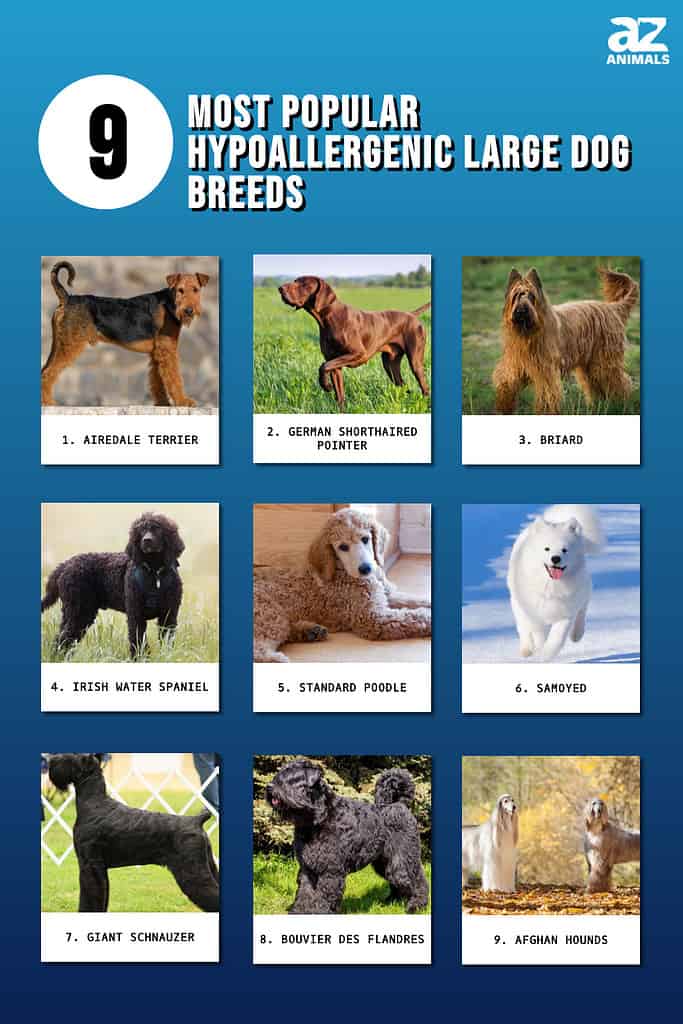
Credit: medsourcellc.com
Choosing The Right Hypoallergenic Dog
Choosing the right hypoallergenic dog is important for a healthy and happy home. Not all hypoallergenic dogs suit every person or family. Consider your daily life and space before picking a breed. This helps ensure the dog fits well with your routine and environment.
Lifestyle Compatibility
Think about your activity level and time at home. Some hypoallergenic dogs need lots of exercise and play. Others prefer quiet and short walks. Small apartments need smaller dogs with less energy. Larger homes can handle active breeds that need room to run. Match a dog’s needs with your lifestyle for best results.
Allergy Testing And Precautions
Test your allergy by spending time with the dog breed first. Visit breeders or shelters to see how you react. Use allergy medicines or air purifiers to reduce symptoms. Regular grooming helps keep allergens low. Clean your home often to remove pet dander. Taking these steps eases allergy issues and improves comfort.
Frequently Asked Questions
What Defines A Hypoallergenic Dog Breed?
A hypoallergenic dog breed produces fewer allergens than others. These dogs shed less dander, reducing allergy triggers. They are ideal for people with pet allergies but not completely allergen-free.
Which Dog Breeds Are Best For Allergy Sufferers?
Popular hypoallergenic breeds include Poodles, Bichon Frises, and Maltese. These dogs have hair that sheds minimally. They help reduce allergic reactions in sensitive individuals.
Are Hypoallergenic Dogs Completely Allergy-free?
No dog breed is 100% allergy-free. Hypoallergenic dogs produce fewer allergens but can still cause mild reactions. Regular grooming and cleaning help manage allergies effectively.
How Can I Reduce Allergies With A Hypoallergenic Dog?
Frequent grooming, regular bathing, and cleaning your home reduce allergens. Using air purifiers and vacuuming with HEPA filters also helps. These steps minimize allergy symptoms around hypoallergenic dogs.
Conclusion
Choosing a hypoallergenic dog breed can help reduce allergy problems. These dogs shed less, making them easier to live with for sensitive people. Remember, no dog is 100% allergy-free. Spending time with a dog before adopting can show how your body reacts.
Each breed has its own personality and care needs. Pick one that fits your lifestyle and home. Enjoy the company of a furry friend without constant sneezing or itching. A hypoallergenic dog can bring joy and comfort to your life.


