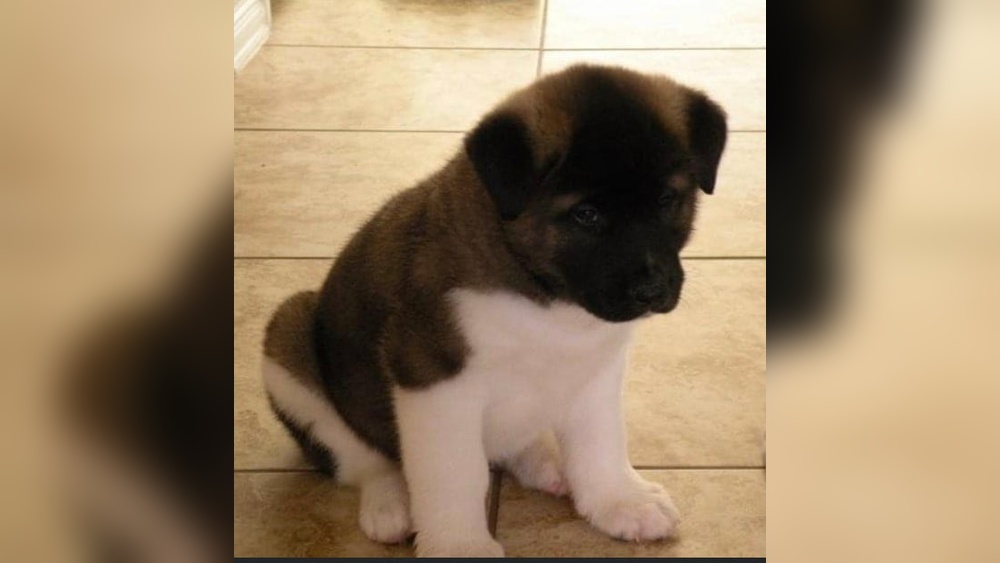
Getting your new puppy housebroken can feel like a big challenge. You want your home to stay clean, and you want your puppy to learn good habits quickly.
What if you could make the process easier and less stressful for both of you? You’ll discover the best housebreaking tips that actually work. These simple, practical steps will help you teach your puppy where to go, so you can enjoy more happy moments together without the mess.
Keep reading to find out how to turn your puppy into a well-behaved member of your family faster than you thought possible.
Choosing The Right Spot
Choosing the right spot for housebreaking your puppy helps build good habits. A clear, consistent place teaches your puppy where to go. This reduces accidents and speeds up training. Pick a spot that is easy to access and safe for your puppy. The area should also be quiet and free from distractions.
Indoor Vs Outdoor Options
Decide if your puppy will learn to go inside or outside. Outdoor spots work well for puppies with yard access. Outdoor training gives fresh air and natural scents. Indoor options suit apartment living or bad weather days. Use puppy pads or indoor grass mats for indoor spots. Both choices need patience and regular trips.
Creating A Designated Area
Set up a specific potty area your puppy can recognize. Keep the spot clean to avoid bad smells. Use the same spot every time to build a habit. Place some of your puppy’s waste there to mark the area. Reward your puppy after they go in the right place. This helps them understand the spot is correct.
Establishing A Routine
Establishing a routine is key to successful housebreaking for puppies. Puppies learn best when their day follows a clear pattern. A steady schedule helps them understand when to eat, play, and go potty. It builds good habits and reduces accidents inside the house.
Feeding Schedules
Feed your puppy at the same times every day. This predictability helps control their digestion and potty needs. Use measured portions to avoid overeating. Consistent feeding times make it easier to guess when your puppy will need a bathroom break. Avoid free feeding as it can confuse the puppy’s potty schedule.
Regular Potty Breaks
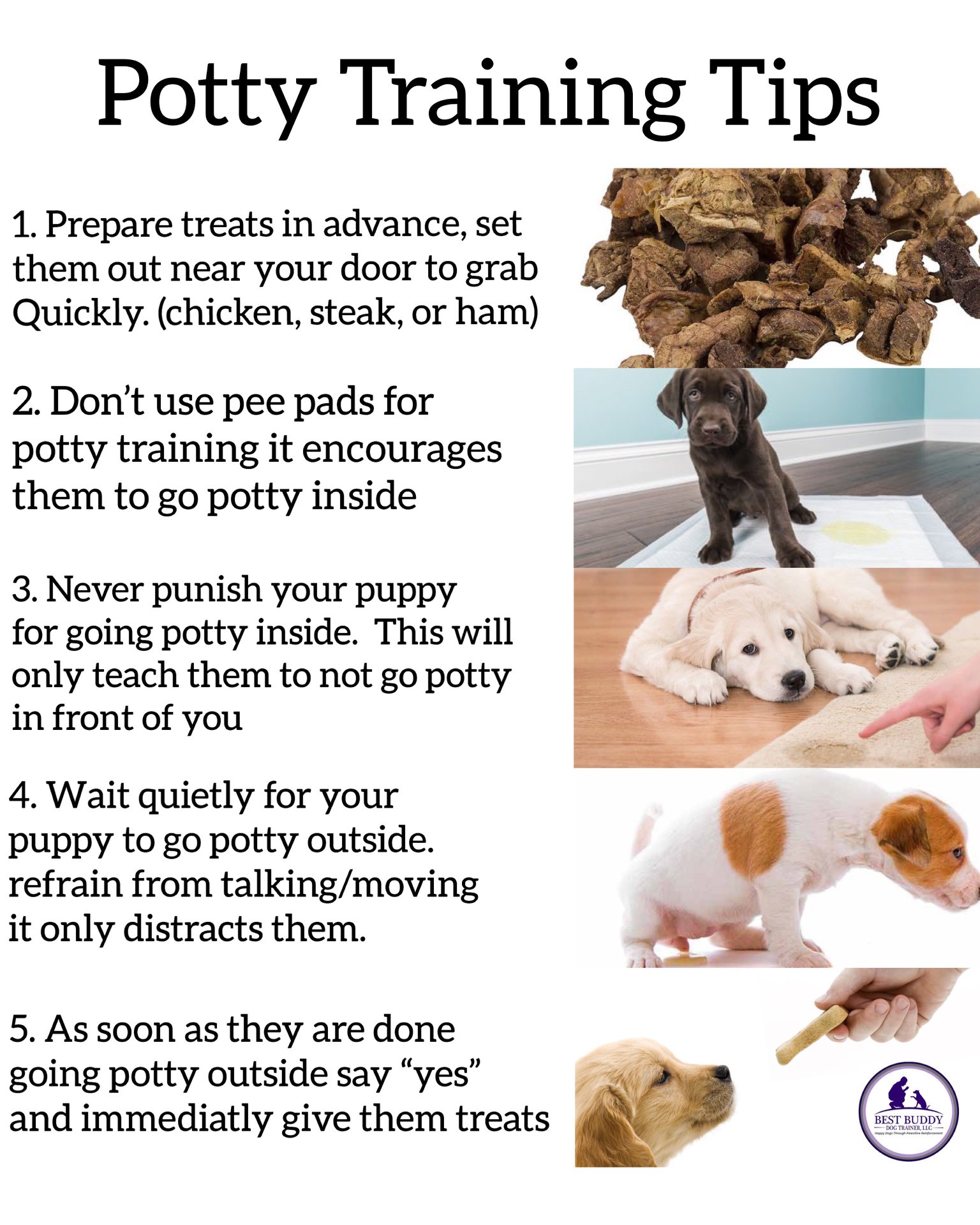
Take your puppy outside often, especially after eating or drinking. Frequent potty breaks prevent accidents and teach where to go. Young puppies may need to go out every hour. Praise your puppy when they go potty outside. This positive reinforcement encourages good behavior. Watch for signs like sniffing or circling to know when they need a break.
Recognizing Puppy Signals
Recognizing your puppy’s signals is key to successful housebreaking. Puppies often show clear signs before they need to go outside. Watching for these signals helps prevent accidents inside your home. It also builds trust between you and your puppy.
Learning these signs early makes potty training faster and less stressful. Your puppy will feel more secure when you respond correctly. This strengthens your bond and helps your puppy learn good habits.
Common Signs Before Potty
Puppies usually sniff the floor or circle around when they need to go. They may whine or pace near the door. Some puppies sit by you or look at you with wide eyes. These are clear signs your puppy wants to go outside.
Watching your puppy closely helps you spot these signals quickly. Each puppy is different, so notice what your puppy does most. Recognizing these signs early can stop accidents before they happen.
Responding Quickly
Act fast once you see your puppy’s signals. Pick them up gently or lead them to the potty spot. Praise your puppy after they finish outside. Quick response teaches your puppy the right place to go.
Being consistent helps your puppy understand house rules. Delays can confuse your puppy and cause accidents. Speed and patience make potty training easier for both of you.

Credit: wagwalking.com
Using Positive Reinforcement
Using positive reinforcement is a gentle and effective way to housebreak puppies. It helps them learn good habits by rewarding the right behavior. Puppies respond well to kindness and clear signals. This method builds trust and encourages puppies to repeat the desired actions. Positive reinforcement makes training a happy experience for both you and your puppy.
Effective Reward Types
Treats are a popular reward for puppies. Choose small, soft treats that are easy to eat quickly. Praise your puppy with a happy voice and pets. Some puppies like toys or playtime as rewards. Use what your puppy enjoys most to encourage good habits. Variety in rewards keeps your puppy interested and motivated.
Timing Matters
Reward your puppy immediately after the right behavior. Puppies have short attention spans and forget quickly. Giving a reward too late can confuse your puppy. Timing helps your puppy connect the action with the reward. Practice patience and be consistent to see fast progress.
Handling Accidents Calmly
Accidents happen often during puppy housebreaking. Staying calm helps your puppy learn faster. Reacting with anger or frustration can confuse your puppy. Calmness shows your puppy that accidents are normal. It also keeps training positive and effective.
Cleaning Techniques
Clean accidents quickly and thoroughly. Use an enzymatic cleaner to remove all odors. This stops your puppy from returning to the same spot. Avoid cleaners with ammonia. Ammonia smells like urine to dogs and can cause repeat accidents.
Blot the area with paper towels first. Then spray the cleaner and let it sit. Wipe it off after a few minutes. Repeat if needed to remove all traces.
Avoiding Punishment
Never punish your puppy for accidents. Punishment can make your puppy scared or anxious. This slows down learning and trust. Instead, focus on praising good bathroom habits. Reward your puppy immediately after they go outside. Positive feedback encourages them to repeat the behavior.
Remember, accidents are part of the learning process. Patience and kindness help your puppy grow confident and happy.
Crate Training Benefits
Crate training offers many benefits for puppies and their owners. It creates a safe space where puppies feel secure and calm. This helps reduce anxiety and prevents destructive behavior. A crate also makes housebreaking easier by teaching puppies to hold their bladder.
Using a crate helps puppies learn routine and discipline. It provides a quiet area for rest and sleep. The crate becomes a den-like space that meets their natural need for shelter. This sense of security speeds up training and builds good habits early.
Choosing The Right Crate
Select a crate that fits your puppy comfortably. It should be large enough to stand, turn, and lie down. Avoid crates that are too big. Puppies may use one corner as a bathroom if space is excessive. Choose a crate with good ventilation and easy access doors.
Crate Training Steps
Start by placing soft bedding inside the crate. Encourage your puppy to enter using treats and praise. Keep the crate door open at first. Gradually close the door for short times while you watch. Increase the time slowly as your puppy adjusts.
Never use the crate as punishment. Make it a positive place your puppy likes. Feed meals inside the crate to build good associations. Take your puppy outside immediately after crate time to prevent accidents. Patience and consistency help create success.
Dealing With Common Challenges
Housebreaking a puppy can be challenging. Many pet owners face common problems that slow progress. Knowing how to handle these issues helps keep training on track. Patience and consistency are key during this phase.
Regression Issues
Puppies sometimes lose progress after weeks of good behavior. This is called regression. It can happen due to stress, changes at home, or illness. Stay calm and avoid punishment. Go back to basics with frequent potty breaks. Reward successes to encourage good habits again.
Nighttime Accidents
Nighttime accidents are common in young puppies. Their bladders are small and need more breaks. Limit water intake before bed and take your puppy out right before sleeping. Use a crate to help them hold it overnight. If accidents happen, clean the area well to remove odors. This stops repeat accidents in the same spot.
Credit: ipr.iitr.ac.in
When To Seek Professional Help
Housebreaking a puppy can be challenging. Sometimes, you may face problems that you cannot solve alone. Knowing when to ask for help can save time and stress. Professional help can guide you through tough moments and improve your puppy’s training.
Trainer Assistance
Professional trainers know how to teach puppies good habits. They use proven methods to fix housebreaking issues. Trainers can spot mistakes in your routine. They provide clear advice tailored to your puppy’s needs. Their support helps your puppy learn faster and better.
Veterinary Concerns
Sometimes, housebreaking problems come from health issues. Puppies might have infections or bladder problems. A vet can check for medical causes. Treating health issues often fixes accidents in the house. Do not ignore frequent or sudden accidents; seek veterinary advice.
Credit: www.humaneworld.org
Frequently Asked Questions
How Long Does Housebreaking A Puppy Usually Take?
Housebreaking a puppy typically takes 4 to 6 months. Consistency and patience speed up the process. Every puppy learns at their own pace.
What Are The Best Housebreaking Methods For Puppies?
Positive reinforcement and crate training are highly effective. Reward your puppy for going outside. Avoid punishment to build trust.
How Often Should I Take My Puppy Outside?
Take your puppy outside every 1 to 2 hours. Also, take them after meals, naps, and play sessions. Regular trips prevent accidents indoors.
What Signs Indicate My Puppy Needs To Go Out?
Watch for sniffing, circling, whining, or heading to the door. These behaviors show your puppy needs to eliminate soon.
Conclusion
Housebreaking a puppy takes patience and consistency. Use simple routines and reward good behavior. Expect accidents; they are part of learning. Stay calm and keep training sessions short. Soon, your puppy will understand where to go. Enjoy the process and celebrate small successes.
A well-trained puppy brings joy and comfort. Keep these tips handy for smooth housebreaking. Your efforts will create a happy home for both.