

Bringing a new puppy into your life is exciting, but it can also be overwhelming. You want your puppy to grow up happy, well-behaved, and confident.
That’s where the right training makes all the difference. If you’re wondering how to start or improve your puppy training, you’re in the right place. Keep reading to discover simple, effective tips that will help you build a strong bond with your furry friend and set them up for success.
Your puppy’s best behavior starts here!

Credit: resources.sdhumane.org
Starting Early
Starting puppy training early sets a strong foundation for good behavior. Puppies learn fast at a young age. Early training helps prevent bad habits from forming. It also builds trust and communication between you and your puppy. Begin training with simple commands and positive reinforcement. This approach makes learning fun and effective.
Choosing The Right Age
Puppies can start learning basic commands as early as 7 to 8 weeks old. At this age, they are curious and eager to explore. Training sessions should be short and gentle. Use treats and praise to encourage good behavior. Avoid overwhelming your puppy with too many commands at once. Focus on simple tasks like sitting, staying, and coming.
Building A Routine
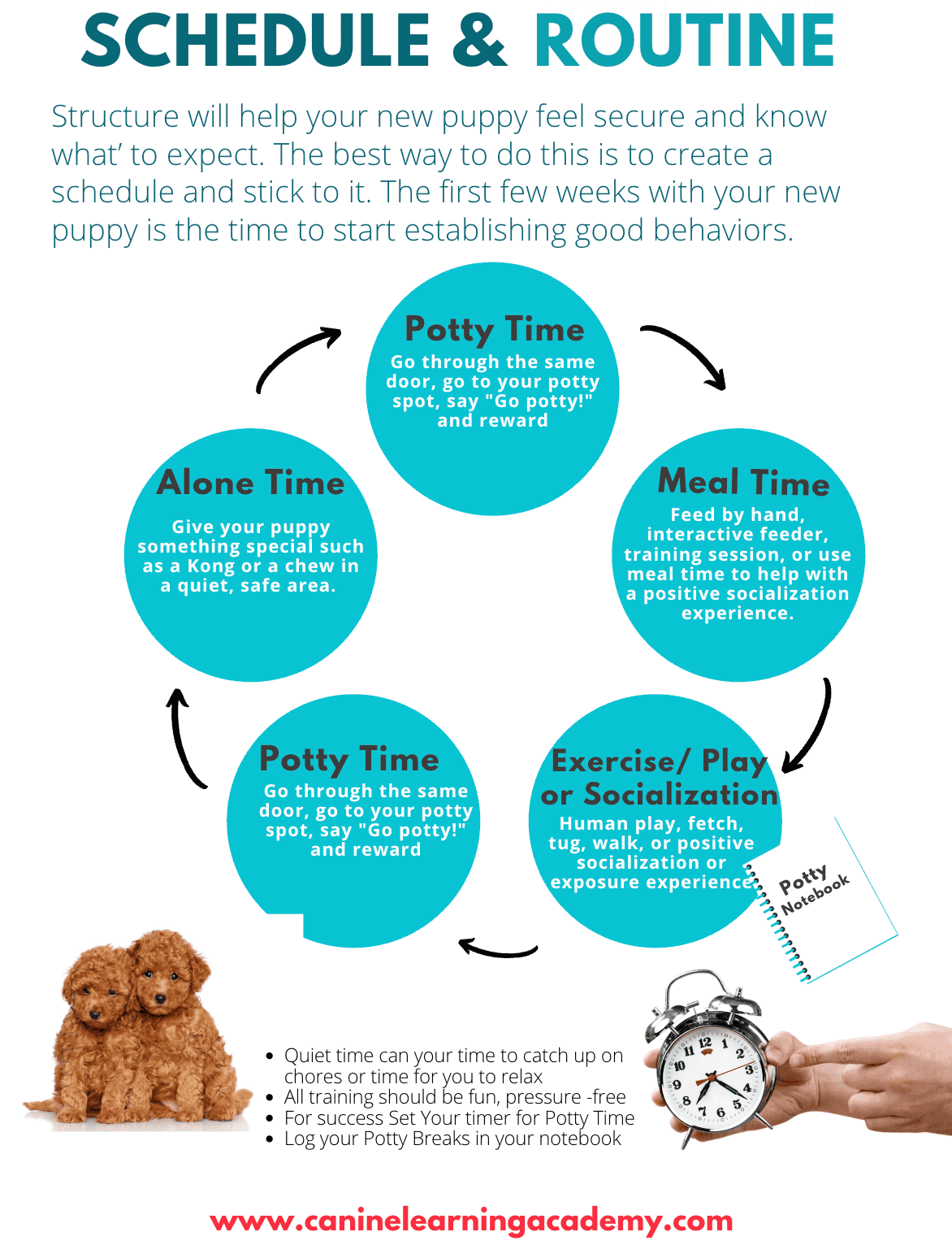
Consistency helps puppies understand what is expected. Set a daily schedule for training and playtime. Keep training sessions brief but frequent. Practice commands several times each day. A regular routine reduces confusion and builds good habits. Make sure to include potty breaks and quiet time. This balance keeps your puppy calm and focused.
Basic Commands
Teaching basic commands is the first step in puppy training. These commands help your puppy understand what you expect. They build good behavior and keep your puppy safe. Simple words and clear signals work best. Practice often and stay patient. Puppies learn best with short, fun sessions.
Sit And Stay
“Sit” is the easiest command to teach. It helps control your puppy in many situations. Hold a treat above their nose. Move it back slowly over their head. When they sit, say “sit” and give the treat. Repeat this several times daily.
“Stay” means your puppy stays in one place. Start with short times. Say “stay” and hold your hand up like a stop sign. Step back slowly. If your puppy stays, give a treat. Increase the time and distance little by little.
Come And Heel
“Come” calls your puppy to you. Use a happy voice. Say “come” and gently pull on the leash. When your puppy reaches you, offer praise and a treat. Practice inside first, then outside with distractions.
“Heel” means your puppy walks close to your side. Use a short leash and keep your puppy next to you. Say “heel” and start walking. Reward your puppy for staying close. Stop if your puppy pulls ahead or lags behind. Try again calmly.
Leave It And Drop It
“Leave it” stops your puppy from picking up things. Show your puppy a treat. Cover it with your hand and say “leave it.” Wait until the puppy stops trying. Give a different treat from the other hand. Repeat until your puppy listens quickly.
“Drop it” helps your puppy release items from their mouth. Offer a treat and say “drop it.” When your puppy lets go, give the treat and praise. Practice often with toys and safe objects to teach this command well.
House Training
House training is one of the first steps in raising a happy puppy. It helps your puppy learn where to go potty and where not to. A well-trained puppy feels secure and lives peacefully with your family. Consistency and patience are key to successful house training. Start early and keep a regular schedule for the best results.
Potty Training Techniques
Take your puppy outside often, especially after meals and naps. Choose a specific spot for your puppy to potty. Praise your puppy right after they go in the right place. Watch for signs that your puppy needs to go out. Clean accidents quickly to avoid smells that attract your puppy back. Use a simple command like “go potty” to help your puppy learn.
Crate Training Benefits
Crate training gives your puppy a safe, quiet place to rest. It helps prevent accidents by keeping your puppy in a small space. Puppies do not like to soil their sleeping area. Crates help teach your puppy bladder control. Use the crate only for short periods at first. Make the crate cozy with a soft blanket and toys. Never use the crate as punishment.
Socialization
Socialization is a key part of puppy training. It helps puppies learn how to behave around people, animals, and new places. Proper socialization builds confidence and reduces fear. Early exposure to different experiences makes puppies calmer and happier adults.
Introducing New People
Let your puppy meet many different people. Include men, women, and children. Keep meetings short and positive. Allow the puppy to approach at its own pace. Use gentle praise to encourage friendly behavior.
Meeting Other Dogs
Arrange safe playdates with calm dogs. Watch how they interact closely. Stop any rough or fearful behavior quickly. Social play teaches bite control and sharing. Puppies learn important skills by watching other dogs.
Exposure To Different Environments
Take your puppy to various places. Parks, streets, and pet-friendly stores work well. New sights, sounds, and smells build comfort. Start with quiet spots before busy areas. This helps reduce anxiety in new settings.
Positive Reinforcement
Positive reinforcement is a gentle and effective way to train puppies. It focuses on rewarding good behavior to encourage your puppy to repeat it. This approach helps build trust and makes training fun for your puppy. Using rewards like treats, praise, and affection motivates your puppy to learn quickly. Positive reinforcement creates a strong bond between you and your puppy. It also reduces stress and fear during training sessions.
Using Treats Effectively
Treats are powerful tools in puppy training. Use small, tasty treats that your puppy loves. Give treats immediately after your puppy performs the desired behavior. This timing helps your puppy connect the treat with the action. Avoid giving too many treats to prevent overfeeding. Instead, gradually reduce treats and use other rewards. Treats work best when used consistently and with clear commands.
Praise And Affection
Praise and affection are important rewards too. Use a happy voice to say “good job” or “well done.” Petting and gentle strokes show your puppy you are pleased. These rewards can be as effective as treats. They help build emotional bonds and encourage positive behavior. Praise and affection work well during and after training sessions. They make your puppy feel safe and loved.
Credit: caninelearningacademy.com
Managing Behavior
Managing your puppy’s behavior is key to raising a happy dog. Puppies explore the world with their mouths and paws. This natural curiosity sometimes leads to biting and chewing. These behaviors can frustrate owners but are normal for puppies. Proper guidance helps your puppy learn good manners early.
Separation anxiety is another common challenge. Puppies feel scared when left alone. This fear can cause barking, whining, and destructive acts. Handling these feelings gently builds your puppy’s confidence. Patience and consistent training create a calm and secure dog.
Dealing With Biting And Chewing
Biting and chewing are ways puppies explore and relieve teething pain. Stop biting by redirecting your puppy’s attention to toys. Offer chew toys that are safe and fun. Praise your puppy when it chews the right items.
Never use your hands as toys. This can encourage biting behavior. Use firm but gentle “no” commands when biting happens. Time-outs for rough play teach your puppy limits. Consistency is important to reduce biting over time.
Handling Separation Anxiety
Separation anxiety can cause stress for puppies and owners. Start by leaving your puppy alone for short times. Gradually increase the time away to build trust. Create a cozy space with favorite toys and blankets.
Keep departures and arrivals calm to avoid excitement. Avoid long goodbyes that can increase anxiety. Use treats and praise when your puppy stays calm alone. Seek help from a vet if anxiety is severe.
Exercise And Play
Puppies need exercise and play to stay healthy and happy. These activities help them learn good behavior. They also burn off extra energy that might cause trouble. Regular playtime builds a strong bond between you and your puppy. It keeps their mind sharp and their body fit.
Exercise and play are part of puppy training. They teach your puppy how to focus and listen. It also helps reduce stress and anxiety. A tired puppy is a calm puppy.
Daily Activity Needs
Every puppy needs daily exercise. Short walks work well for small breeds. Bigger puppies need longer, more active play. Aim for at least 30 minutes each day. Break it into short sessions to keep your puppy engaged. Watch your puppy’s energy level. Adjust exercise time if needed to avoid over-tiring.
Play outside is great for fresh air and new smells. Indoor play can work on rainy days. Use simple games like fetch or tug-of-war. These activities teach commands and improve obedience. Consistent daily exercise helps your puppy grow strong and well-behaved.
Interactive Toys
Interactive toys make playtime fun and educational. They challenge your puppy’s mind and body. Puzzle toys hide treats, encouraging problem-solving skills. Chew toys help with teething and reduce biting. Choose toys that are safe and the right size for your puppy.
Rotate toys often to keep your puppy interested. Use interactive toys during training to reward good behavior. These toys prevent boredom and destructive habits. Let your puppy explore new toys to build confidence and happiness.
Consistency And Patience
Training a puppy needs two key things: consistency and patience. Puppies learn best when rules stay the same every day. They also need time to understand what you want. Training is not quick. It takes calm and steady effort.
Patience helps you stay kind and clear. Consistency helps your puppy know what to do. Together, they build trust and good habits. Without these, training can become confusing and slow.
Setting Clear Rules
Decide what your puppy can and cannot do. Use simple commands and the same words every time. This helps your puppy learn faster. Everyone in the family should follow the same rules. This stops the puppy from getting mixed signals. Clear rules make training easier and more effective.
Staying Calm And Persistent
Puppies do not learn in one day. They make mistakes often. Stay calm and avoid yelling or punishment. Gentle correction works better. Repeat lessons with patience and kindness. Keep training sessions short and fun. Persistence helps your puppy remember and follow commands. Over time, good behavior becomes a habit.

Credit: www.petplay.com
Frequently Asked Questions
How Early Should I Start Training My Puppy?
Start training your puppy as soon as you bring them home. Early training builds good habits and social skills. Puppies are most receptive between 8 to 16 weeks. Consistent, positive reinforcement helps in faster learning and better behavior development.
What Is The Best Method For Puppy House Training?
Use a consistent schedule for feeding and potty breaks. Take your puppy outside frequently, especially after meals. Praise and reward them immediately after they eliminate outdoors. Avoid punishment to prevent fear and confusion. Patience and consistency are key.
How Can I Stop My Puppy From Biting?
Redirect biting to chew toys and discourage biting hands or clothes. Use a firm “no” or “ouch” to signal disapproval. Offer plenty of chew toys to satisfy teething needs. Consistent training helps your puppy learn gentle play.
Why Is Socialization Important For Puppies?
Socialization helps puppies become confident and well-adjusted adults. Exposure to new people, animals, and environments prevents fear and aggression. Start early and use positive experiences. Proper socialization leads to happier, friendlier dogs.
Conclusion
Training your puppy takes patience and love. Keep sessions short and fun. Use clear commands and reward good behavior. Consistency helps your puppy learn faster. Always stay calm and positive. Small steps build strong habits over time. Enjoy the process and bond with your puppy.
Good training creates a happy, well-behaved dog. Start early and be patient every day. Your efforts will bring great results soon.


