

If you have a Husky, you know how beautiful and energetic they are. But keeping your Husky looking and feeling great takes regular grooming.
You might wonder how to handle their thick fur without hurting them or causing stress. This guide will help you discover simple, effective ways to groom your Husky at home. By the end, you’ll have the confidence to keep your furry friend healthy, happy, and looking their best.
Ready to make grooming easy and enjoyable for both you and your Husky? Let’s dive in!
Choosing The Right Grooming Tools
Choosing the right grooming tools is key for keeping your Husky healthy and looking great. Their thick double coat needs special care to stay clean and tangle-free. Using the best tools makes grooming easier and more effective. It helps prevent skin problems and keeps your dog comfortable.
Brush Types For Huskies
A slicker brush works well for removing loose hair and mats. It has fine, short wires close together. A pin brush is gentle and good for finishing touches. It keeps the coat smooth and shiny. An undercoat rake is perfect for shedding season. It removes dead fur from the dense undercoat without hurting the skin.
Selecting The Best Clippers
Choose clippers made for thick coats. Look for quiet and sharp blades to avoid pulling hair. Adjustable blade sizes help trim different areas safely. Cordless clippers offer more control and ease during grooming sessions. Keep blades clean and oiled to maintain performance and avoid skin irritation.
Additional Grooming Supplies
Use a good quality shampoo made for dogs to keep the coat clean. Nail clippers or grinders keep paws healthy and prevent injury. Ear cleaners stop infections by removing dirt and wax. Have soft towels and a blow dryer with cool settings to dry your Husky gently. A grooming table or mat helps keep your dog steady during grooming.

Credit: www.youtube.com
Brushing Techniques For Huskies
Brushing a Husky is an important part of keeping them healthy and happy. Their thick fur needs regular care to stay clean and strong. The right brushing techniques help remove loose hair and prevent mats. They also keep the coat shiny and reduce shedding inside the home.
Frequency Of Brushing
Brush your Husky at least two to three times a week. This keeps the fur free of dirt and tangles. During heavy shedding periods, daily brushing works best. Short sessions of 10 to 15 minutes can make brushing easy and stress-free. Regular brushing helps your dog feel comfortable and look great.
Handling The Double Coat
Huskies have a dense double coat with a soft undercoat and longer guard hairs. Use a slicker brush or undercoat rake to reach deep layers. Start brushing from the neck and move towards the tail. Be gentle to avoid hurting your dog. This method removes loose fur and prevents matting in the thick layers.
Dealing With Shedding Seasons
Huskies shed heavily twice a year, usually in spring and fall. During these times, increase brushing to daily sessions. Use a de-shedding tool to remove dead undercoat hair. This reduces the amount of fur around the house. Shedding seasons need patience and care to keep your Husky’s coat healthy.
Bathing Your Husky
Bathing your husky is an important part of grooming. Huskies have thick coats that need special care. Bathing helps keep their fur clean and healthy. It also removes dirt and loose hair. Proper bathing protects their skin from dryness and irritation. Follow these tips to bathe your husky safely and comfortably.
How Often To Bathe
Bathing your husky too often can dry out their skin. Usually, bathe your husky every two to three months. If your dog gets very dirty or smelly, a bath may be needed sooner. Avoid frequent baths unless your vet says it is necessary. Regular brushing reduces the need for frequent baths.
Choosing The Right Shampoo
Use a shampoo made for dogs, not humans. Dog shampoos keep their skin balanced and protect their coat. Choose a gentle, moisturizing shampoo for huskies. Avoid shampoos with harsh chemicals or strong scents. Hypoallergenic shampoos are good for sensitive skin. Always rinse your husky’s coat well to remove all shampoo.
Drying Tips
After the bath, dry your husky carefully. Use a towel to remove extra water from the coat. Huskies have thick fur that takes time to dry. A blow dryer on low heat helps dry the coat faster. Keep the dryer moving to avoid hot spots. Make sure your husky is fully dry to prevent skin problems.
Nail And Paw Care
Caring for your husky’s nails and paws is very important. Healthy paws keep your dog happy and active. Regular nail trimming and paw checks prevent pain and injury. This section explains easy steps to care for your husky’s nails and paws.
Trimming Nails Safely
Use a sharp nail clipper made for dogs. Hold your husky’s paw gently but firmly. Trim small bits of the nail at a time. Avoid cutting into the quick, the pink part inside the nail. Cutting the quick causes bleeding and pain. If your husky has dark nails, trim little by little. Stop if you see a black dot in the middle of the nail.
Inspecting And Cleaning Paws
Check your husky’s paws after every walk. Look between toes and pads for dirt, stones, or cuts. Use a damp cloth to clean away mud and debris. Dry paws well to stop infections. Check for cracks or redness. If you find wounds, clean gently with warm water and apply a pet-safe ointment.
Preventing Common Paw Issues
Protect paws from hot pavement and ice. Use dog boots if needed. Keep nails trimmed to prevent snagging. Moisturize dry paw pads with a vet-approved balm. Watch for signs of irritation, swelling, or limping. Early care stops small problems from becoming serious.
Ear And Dental Maintenance
Keeping your husky’s ears and teeth clean is very important for their health. Regular care helps prevent infections and bad breath. It also keeps your dog comfortable and happy. This section explains how to clean ears and care for teeth properly. It also shows signs to watch for that might mean a problem.
Cleaning Ears Properly
Check your husky’s ears once a week. Look for dirt, wax, or bad smell. Use a soft cloth or cotton ball with a vet-approved ear cleaner. Gently wipe inside the ear flap. Do not push deep into the ear canal. Stop if your dog shows pain or discomfort. Dry the ears well after cleaning. Avoid water inside the ears during baths.
Dental Care Tips
Brush your husky’s teeth at least twice a week. Use a dog toothbrush and toothpaste only. Human toothpaste can harm dogs. Start slowly to get your dog used to brushing. Use circular motions and clean all sides of the teeth. Give dental chews or toys to help reduce plaque. Regular dental care helps avoid tooth loss and gum disease.
Signs Of Problems To Watch For
Look out for redness or swelling in ears. Notice if your husky shakes its head or scratches ears often. Bad smell or dark discharge from ears means infection. Check teeth for yellow buildup, broken teeth, or bleeding gums. Bad breath that does not go away needs a vet visit. Early detection helps treat problems faster and easier.
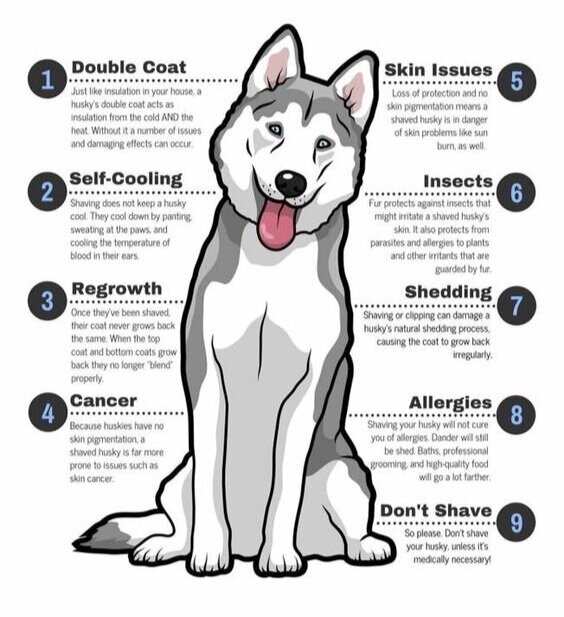
Credit: www.huskyhavenfl.org
Managing Huskies’ Shedding
Managing shedding is a key part of grooming a Husky dog. Huskies have thick double coats that shed a lot. This natural process helps them stay cool in summer and warm in winter. Shedding can be heavy during seasonal changes. Regular care reduces loose hair and keeps your dog comfortable. It also helps keep your home cleaner and your Husky’s coat healthy.
Understanding Shedding Cycles
Huskies shed twice a year during spring and fall. This is called “blowing coat.” They lose their thick undercoat to prepare for new weather. Outside these seasons, shedding still happens but less. Knowing this helps you plan grooming sessions better. Regular brushing during heavy shedding removes dead hair fast. It also prevents matting and skin problems.
Tools To Control Shedding
Use a slicker brush to remove loose fur. A de-shedding tool reaches the undercoat without hurting the skin. Comb your Husky’s fur gently but firmly. Bathing with special dog shampoo helps remove dead hair. Dry your dog well to avoid skin issues. Brush your Husky a few times each week. More frequent brushing is needed during shedding seasons.
Keeping Your Home Clean
Husky hair spreads around the house easily. Vacuum floors and furniture often. Use lint rollers on clothes and sofas. Wash your dog’s bedding regularly. Air filters can reduce hair and dander in the air. Creating a grooming area helps contain loose hair. Clean tools after each use to avoid spreading fur. These habits keep your home tidy and fresh.
Diet And Grooming Connection
Grooming a Husky goes beyond brushing and bathing. Diet plays a key role in keeping their coat shiny and skin healthy. A well-balanced diet supports fur growth and reduces shedding. It can also prevent dry skin and irritation. Understanding how nutrition affects grooming helps you care better for your Husky.
Nutrition For A Healthy Coat
Protein is essential for strong fur. Choose high-quality meat or fish-based dog food. Omega-3 and Omega-6 fatty acids improve coat softness and shine. Vegetables and fruits add vitamins and antioxidants. Avoid fillers like corn or soy that offer little value.
Supplements That Help
Fish oil supplements boost Omega-3 intake. They reduce itching and dryness. Biotin supports hair growth and skin repair. Always check with a vet before adding supplements. Proper dosage ensures safety and effectiveness.
Hydration’s Role In Skin Health
Water keeps your Husky’s skin hydrated from inside. Dehydration causes flaky, itchy skin and dull fur. Provide fresh water daily. Wet food can increase water intake. Monitor your dog’s drinking habits closely.

Credit: plushpuppy.com.au
When To Seek Professional Grooming
Knowing when to seek professional grooming for your Husky is key. Huskies have thick, double coats that require special care. Some grooming tasks can be done at home, but others need expert help. Professional groomers have the right tools and skills to keep your dog healthy and comfortable.
Professional grooming helps manage shedding and skin problems. It also ensures your Husky’s coat stays clean and mat-free. Watch your dog closely for signs that grooming is needed beyond your usual care. Regular visits can prevent bigger issues later on.
Signs You Need A Groomer
Look for mats and tangles that are hard to remove. Excessive shedding that clogs your home may need a groomer’s touch. Skin irritation, redness, or bad odor shows your dog needs cleaning. Long nails that cause discomfort or clicking sounds on the floor need trimming. If your Husky dislikes brushing or becomes restless, a groomer can help.
Choosing A Grooming Service
Pick a groomer with experience in Husky coats. Check for good reviews and ask for recommendations. A clean, calm place is best for your dog’s comfort. See if the groomer uses gentle products that suit sensitive skin. Confirm they offer services like nail trimming and ear cleaning. Pricing should be clear and fair for the services offered.
Preparing Your Husky For Grooming Visits
Brush your Husky before the appointment to remove loose hair. Make sure your dog is calm and relaxed before leaving. Bring treats or toys to comfort your dog during the visit. Tell the groomer about any health issues or behavior problems. Keep your dog’s vaccination records handy if required. A little preparation makes the visit easier for both your dog and the groomer.
Frequently Asked Questions
How Often Should I Groom My Husky Dog?
You should groom your husky at least once a week. During shedding season, groom daily to remove loose fur. Regular grooming helps maintain a healthy coat and reduces shedding around your home.
What Tools Are Best For Grooming A Husky?
Use a slicker brush, undercoat rake, and comb for grooming. These tools effectively remove loose hair and prevent matting. A good-quality brush keeps your husky’s coat clean and shiny.
Can I Bathe My Husky Frequently?
Bathing your husky once every 2-3 months is ideal. Frequent baths can strip natural oils from their coat. Use a dog-specific shampoo to protect their skin and maintain coat health.
How Do I Manage Husky Shedding?
Regular brushing and seasonal grooming reduce shedding significantly. Increase grooming frequency during spring and fall when huskies shed heavily. A healthy diet and hydration also help control shedding.
Conclusion
Grooming a husky keeps your dog healthy and happy. Regular brushing removes loose fur and stops mats. Bathing should be done only when needed. Check ears and teeth often to avoid problems. Trim nails carefully to keep paws strong. Patience and care make grooming easier for both.
Enjoy the bond you build during grooming time. Your husky will look great and feel good. Simple steps help maintain a beautiful, clean coat. Keep a grooming routine to see best results.


