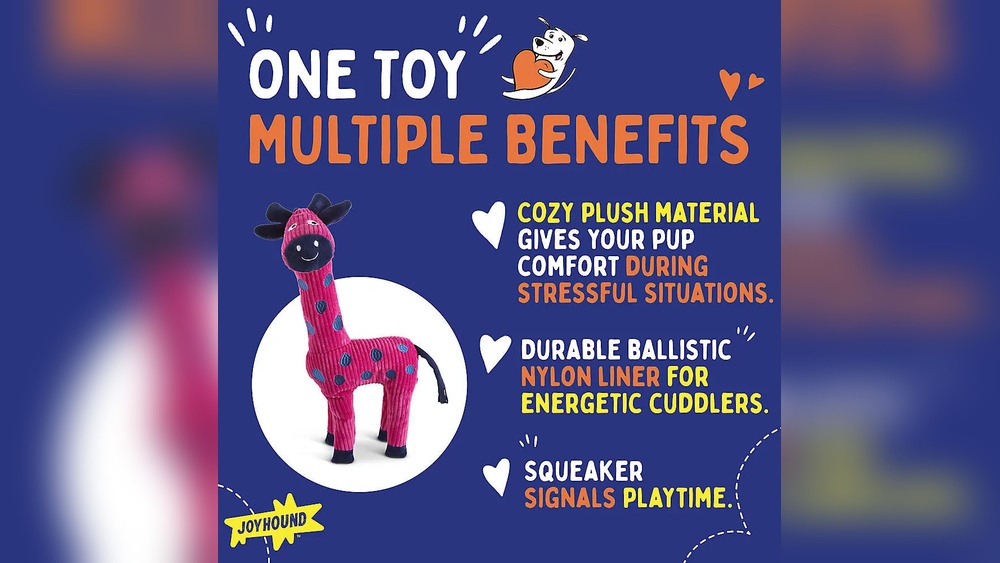
Have you ever bought toys for your dog, only to watch them ignore the new gifts completely? It can be frustrating and confusing.
You might wonder if something is wrong or if your dog just doesn’t like toys. Understanding why your dog doesn’t play with toys is important for their happiness and health. You’ll discover the surprising reasons behind this behavior and simple ways to encourage your furry friend to enjoy playtime again.
Keep reading to unlock the secrets and bring back the fun to your dog’s life!
Common Reasons Dogs Ignore Toys
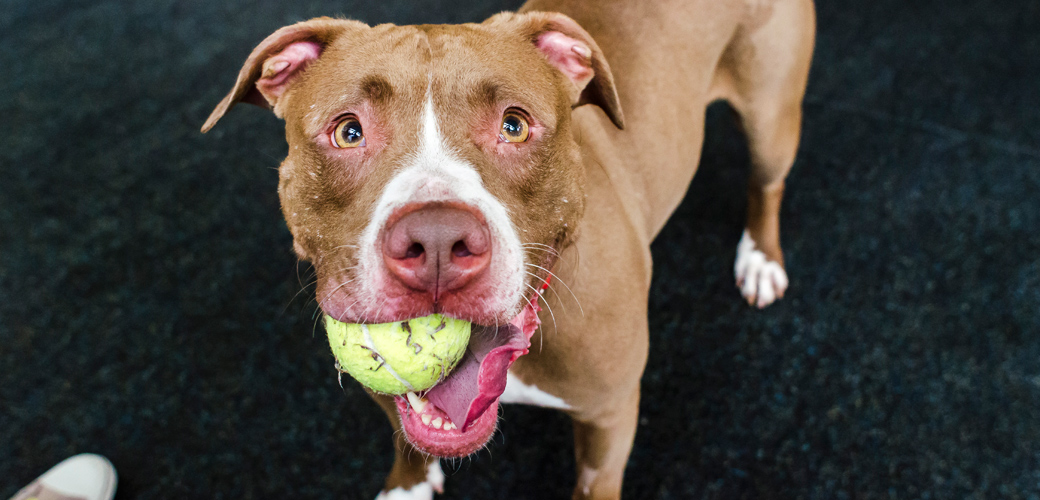
Dogs do not always play with toys, and this can confuse many pet owners. Understanding why dogs ignore toys helps improve their happiness and health. Several common reasons explain this behavior.
Lack Of Interest In Toys
Some dogs simply do not find toys fun or exciting. Their energy might focus on other activities like resting or exploring. Toys that do not match their taste or style often get ignored. Dogs have unique preferences, just like humans.
Preference For Human Interaction
Many dogs prefer spending time with their owners over toys. They enjoy petting, talking, or playing together more than playing alone. This preference shows their need for social connection. Toys cannot replace the bond they share with people.
Previous Negative Experiences
Dogs may avoid toys due to bad past experiences. Toys that caused discomfort or fear get linked to negative feelings. This memory makes dogs stay away from similar items. Understanding their history helps choose better toys for them.
Health Issues Affecting Play
Health problems can stop dogs from playing with toys. Pain or discomfort can make play less fun or even scary. Understanding these health issues helps you care better for your dog.
Dental Problems
Dogs with bad teeth may avoid chewing toys. Tooth pain can be sharp and strong. Chewing hard toys can hurt their gums or teeth more. Watch for drooling or bad breath as signs of dental issues.
Arthritis And Joint Pain
Older dogs often have arthritis. Their joints hurt and swell. Moving or chasing toys can cause pain. They may prefer resting to playing. Soft toys or gentle play can help.
Sensory Decline
Dogs lose some senses as they age. They may not see or hear toys well. This makes finding or chasing toys hard. Using toys with strong smells or sounds can help them enjoy play again.
Behavioral Factors
Behavioral factors can explain why dogs may not play with toys. These factors affect a dog’s willingness and interest in toys. Understanding them helps improve your dog’s playtime.
Fear Or Anxiety
Fear or anxiety can stop dogs from playing. Loud noises or new places may scare them. Some dogs feel nervous around toys they do not know. Comfort and patience can help reduce their fear.
Low Energy Levels
Dogs with low energy often avoid toys. Older dogs or those feeling unwell may lack interest. Rest and proper diet can boost their energy. A tired dog will not want to play much.
Lack Of Socialization
Dogs that miss social time may not enjoy toys. Playing with other dogs teaches them to have fun. Without this, dogs may feel unsure about toys. Gentle interaction with pets or people helps them learn.
Credit: www.aspca.org
Toy Types And Preferences
Dogs have different likes and dislikes when it comes to toys. Not all toys catch their interest. Understanding toy types and preferences helps find what your dog enjoys. This makes playtime fun and rewarding for both of you.
Material And Texture
Dogs respond to different materials and textures. Some prefer soft plush toys they can carry gently. Others like tough rubber or nylon toys to chew on. Texture affects how a dog feels about a toy. A rough surface might be good for chewing. A smooth one may be better for fetching. Try different materials to see what your dog prefers.
Size And Shape
Toys come in many sizes and shapes. Small toys might be easy to carry but can be swallowed. Large toys may be hard to pick up. Shape matters too. Balls are good for chasing. Bones or sticks appeal to dogs who like chewing. Match the toy size and shape to your dog’s breed and mouth size. This keeps play safe and fun.
Interactive Vs. Static Toys
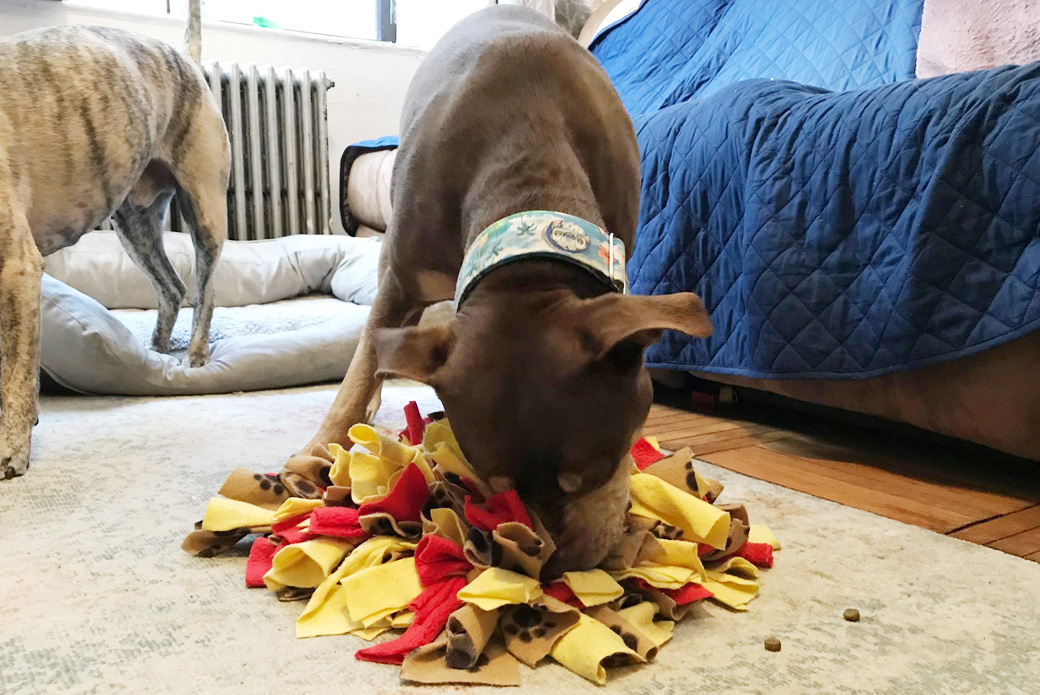
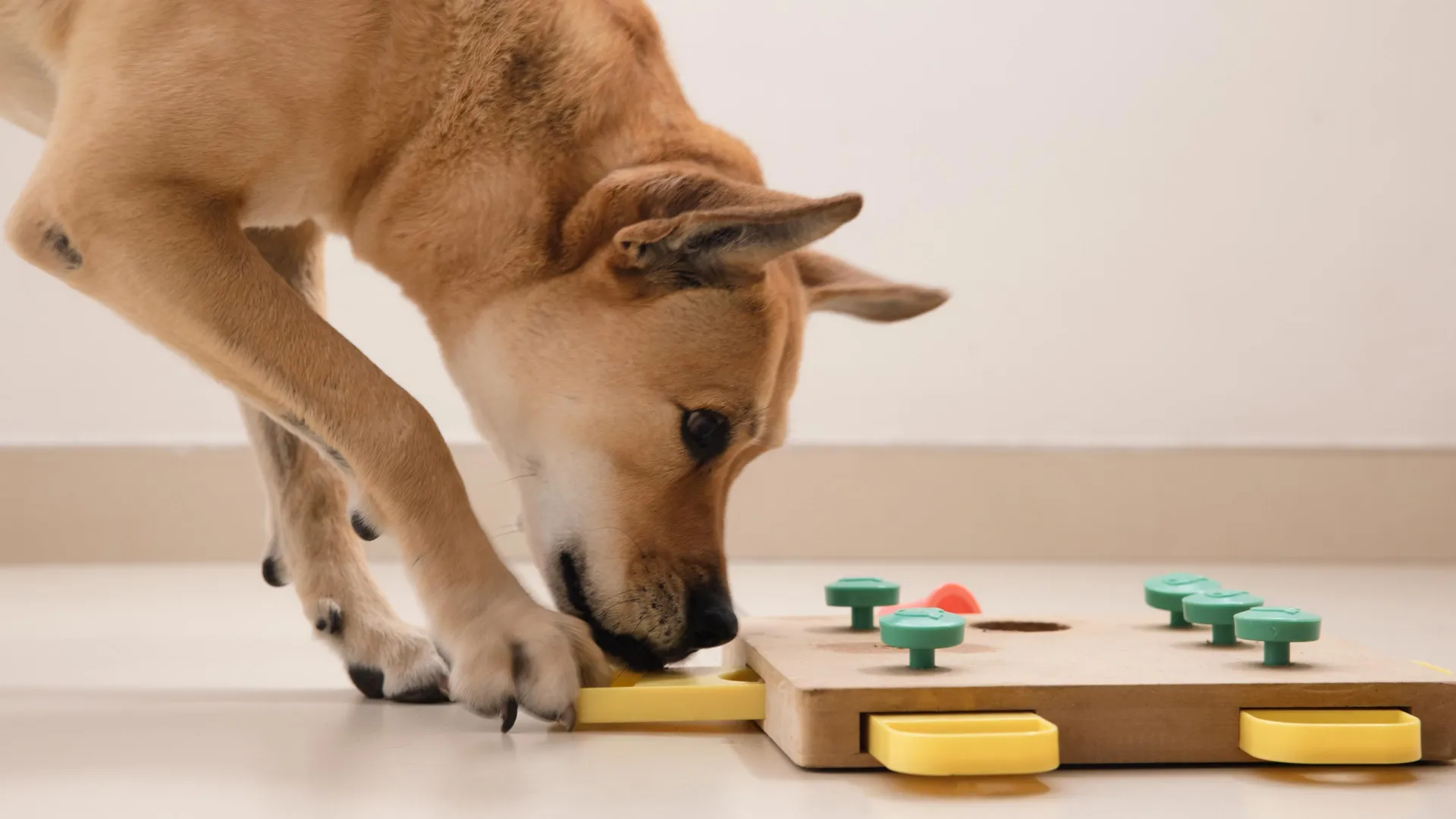
Interactive toys engage dogs more than static toys. Toys that move or make noise attract attention. Puzzle toys challenge their mind and keep them busy. Static toys stay still and may bore some dogs. Some dogs prefer simple toys to chew or carry. Others like toys that change and surprise. Notice your dog’s reaction to different types.
Environmental Influences
Environmental factors can affect your dog’s interest in toys. Dogs are sensitive to their surroundings, which can change how they behave. Some homes may have distractions that make playtime less fun for dogs.
Understanding these influences helps you create a better play environment. Small changes can encourage your dog to enjoy toys more.
Household Noise And Distractions
Loud noises can scare or distract dogs. TV, music, or busy conversations might make them uneasy. Dogs need quiet time to focus on toys.
Try to reduce noise during play. A calm space helps dogs feel safe and more willing to play.
Availability Of Playtime
Dogs need regular playtime to stay interested in toys. If playtime is rare, dogs may lose interest. Short, frequent sessions work best.
Make time every day for your dog to play. Consistent play keeps their energy and interest high.
Presence Of Other Pets
Other pets can affect how your dog plays. Some dogs may feel shy or less playful around others. Competition for toys can cause stress.
Give your dog its own space and toys. This helps them feel comfortable and enjoy playtime more.
Credit: www.aspca.org
Encouraging Play In Dogs
Encouraging play in dogs helps improve their mood and health. Play builds a stronger bond between you and your dog. Some dogs may not show interest in toys at first. Patience and the right approach can change that.
Try different ways to make playtime fun and exciting. Small steps can lead to big changes in their behavior.
Choosing The Right Toys
Select toys that match your dog’s size and chewing strength. Soft toys suit gentle chewers, while rubber toys fit strong chewers. Toys that make noise or move can catch their attention better. Watch how your dog reacts and adjust choices. Avoid toys that are too hard or small to prevent injury.
Incorporating Play Into Routine
Set regular times for play each day. Short sessions work better than long ones. Play after walks or meals when your dog feels active. Create a quiet, safe space free from distractions. Consistent timing helps your dog expect and enjoy playtime.
Positive Reinforcement Techniques
Praise your dog with kind words or treats during play. Reward any interest shown in toys, even small steps. Use gentle encouragement to keep your dog engaged. Avoid punishment for lack of interest; it can harm trust. Positive feelings help your dog want to play more.
Credit: www.sciencedaily.com
Frequently Asked Questions
Why Don’t My Dogs Show Interest In Toys?
Dogs may ignore toys if they lack stimulation or prefer other activities. Boredom, stress, or health issues can also reduce playfulness. Try different toy types or interactive play to engage them better.
Can Health Issues Cause Dogs To Avoid Toys?
Yes, pain, arthritis, or dental problems can make play uncomfortable. If your dog suddenly stops playing, consult a vet to rule out medical concerns affecting their interest in toys.
Do All Dog Breeds Play With Toys Equally?
No, some breeds are naturally less playful or prefer specific toy types. Understanding your dog’s breed traits helps select toys that match their play style and increase engagement.
How Can I Encourage My Dog To Play With Toys?
Use positive reinforcement like treats and praise during play. Rotate toys regularly and involve yourself in play sessions to boost your dog’s enthusiasm for toys.
Conclusion
Dogs have different reasons for not playing with toys. Sometimes, they may feel tired or stressed. Other times, they might not like the toy’s shape or texture. Try new toys and watch how your dog reacts. Pay attention to their mood and energy levels.
Playing together can help build trust and fun. Understanding your dog’s needs makes playtime better. Keep toys clean and safe to encourage interest. Patience and care help your dog enjoy playtime more. Every dog is unique, so find what suits yours best.