

Have you noticed something different about your dog’s behavior and wondered if it could be linked to cryptorchidism? Understanding how this condition affects your furry friend’s actions can help you provide better care and avoid common problems.
You’ll discover what cryptorchid dog behavior looks like, why it happens, and what you can do to support your pet’s well-being. Keep reading to learn how to recognize signs and take the right steps for your dog’s health and happiness.

Credit: en.wikipedia.org
Cryptorchidism In Dogs
Cryptorchidism is a condition affecting male dogs where one or both testicles do not move into the scrotum. This can cause health problems and affect the dog’s behavior. Understanding this condition helps owners care better for their pets.
Early detection is important. Vets can often diagnose cryptorchidism during puppy exams. Treatment usually involves surgery to prevent complications.
What Is Cryptorchidism
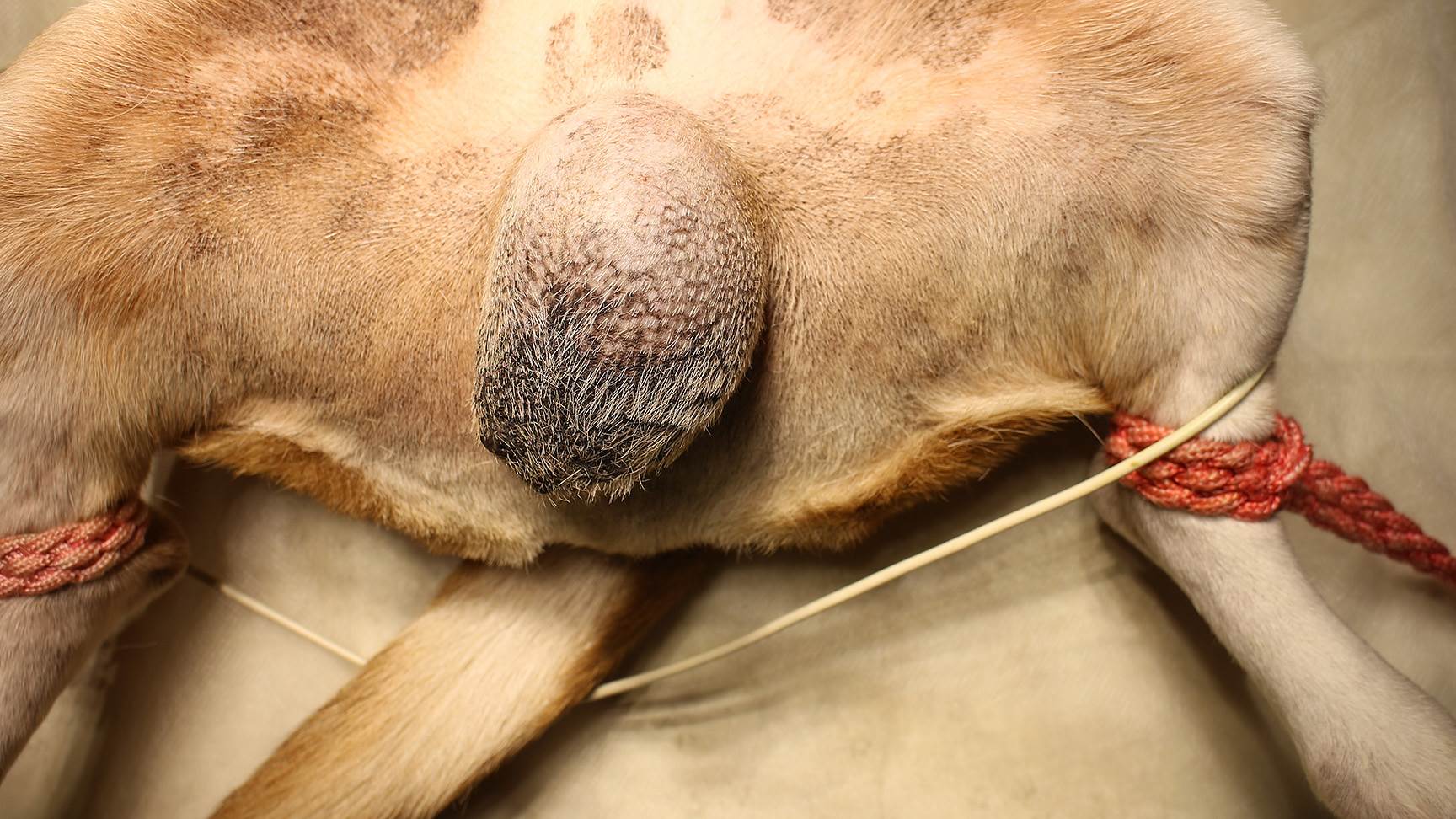
Cryptorchidism means one or both testicles stay inside the body. Normally, testicles move down into the scrotum before birth or soon after. If they do not, they remain in the abdomen or groin area. This can lead to problems like pain or cancer risks.
Causes And Risk Factors
Genetics play a big role in cryptorchidism. Some dogs inherit the condition from their parents. Hormone imbalances during development may also cause it. Premature birth and low birth weight increase risk. Not neutering affected dogs helps stop passing the gene.
Common Breeds Affected
Certain breeds have higher chances of cryptorchidism. These include Chihuahuas, Boxers, and Poodles. Other breeds like Yorkshire Terriers and Dachshunds also show this condition often. Knowing breed risks helps owners stay alert for symptoms.
Credit: www.petsxl.com
Behavioral Traits Of Cryptorchid Dogs
Cryptorchid dogs show unique behaviors due to their condition. These dogs have one or both testicles undescended. This can affect their hormone levels and behavior. Understanding these traits helps owners care for them better.
Some behaviors differ from those of fully descended male dogs. Knowing these differences helps with training and socialization.
Aggression And Dominance
Cryptorchid dogs may show more aggression than other dogs. This behavior can come from higher testosterone levels. They might try to show dominance over other dogs and people. Early training can help control these behaviors. Socializing them with other dogs is important too.
Anxiety And Nervousness
Some cryptorchid dogs feel more anxious or nervous. This can be due to hormonal imbalances. They might be shy or scared in new situations. Gentle, consistent training builds their confidence. A calm environment helps reduce their stress.
Playfulness And Energy Levels
Many cryptorchid dogs have high energy and love to play. Their playfulness can be a way to release stress. Regular exercise is important to keep them healthy. Playtime also helps strengthen the bond with their owner.
Health Impacts On Behavior
Cryptorchidism, or undescended testicles, affects a dog’s health and behavior. This condition changes hormone levels and can cause discomfort. These changes impact how a dog acts daily. Understanding these effects helps owners care better for their pets.
Hormonal Influences
Testicles produce hormones like testosterone. In cryptorchid dogs, hormone balance may shift. This shift can cause aggression or increased marking. Dogs may show more dominance or restlessness. Hormones also affect energy and mood. Changes can lead to unusual behaviors in some dogs.
Pain And Discomfort Effects
Undescended testicles may cause pain or discomfort. This pain can make dogs irritable or shy. Some dogs avoid play or exercise due to discomfort. Pain may cause sudden aggression or withdrawal. Owners might notice changes in eating or sleeping habits. Addressing pain improves a dog’s behavior and well-being.
Long-term Behavioral Changes
Without treatment, cryptorchidism can cause lasting effects. Dogs may develop anxiety or fear issues. Social behavior might change, causing isolation or aggression. Long-term hormone imbalance can increase stress levels. Early care reduces risks of permanent behavior problems. Observing changes helps catch problems early for better care.
Training Tips For Cryptorchid Dogs
Training cryptorchid dogs needs patience and care. These dogs may show unique behaviors due to their condition. Using the right training methods helps them learn better. Focus on kindness and clear guidance for best results.
Start with positive methods to build trust. Control any signs of aggression early. Help your dog meet others safely to improve social skills. These steps create a happy and balanced pet.
Positive Reinforcement Techniques
Reward good behavior with treats or praise. This makes your dog want to repeat the action. Use simple commands and be consistent. Avoid punishment; it can cause fear or confusion. Keep training sessions short and fun to hold attention.
Managing Aggressive Behavior
Watch for signs like growling or stiff posture. Stay calm and do not shout. Redirect your dog’s focus with toys or commands. Teach basic obedience to improve control. Seek professional help if aggression increases or worries you.
Socialization Strategies
Introduce your dog to different people and dogs slowly. Use quiet places first to avoid stress. Praise calm behavior during new encounters. Regular social time helps reduce fear and aggression. Good social skills make your dog more relaxed and friendly.
When To Seek Veterinary Advice
Cryptorchidism in dogs needs careful attention from owners. Knowing when to seek veterinary advice protects your dog’s health. Early action can prevent complications and ease treatment.
Behavioral Warning Signs
Watch for unusual behavior in your dog. Signs include aggression, restlessness, or changes in appetite. Your dog might lick the affected area often. Any swelling or discomfort calls for a vet visit. Sudden changes in mood or energy also matter.
Surgical Options And Recovery
Veterinarians usually recommend surgery to remove undescended testicles. This prevents health risks like tumors or infections. Surgery is simple and safe in most cases. Recovery time is short, often just a few weeks. Follow your vet’s advice on care and rest.
Post-surgery Behavioral Changes
Dogs may become calmer after surgery. Hormone levels balance out, reducing aggressive behavior. Some dogs show less marking or roaming. Monitor your dog’s mood and activity closely. Report any unusual changes to your veterinarian.
Preventing Behavioral Issues
Preventing behavioral issues in cryptorchid dogs helps keep them happy and healthy. These dogs may face challenges due to hormonal imbalances. Taking early steps can reduce risks of unwanted behavior. Focus on proper care and training to guide your dog well.
Understanding how to support your dog’s mental and physical needs is key. A calm and structured environment helps your dog feel safe. Avoid stress and confusion to prevent anxiety or aggression.
Early Diagnosis Importance
Detect cryptorchidism early for better care and training plans. Early diagnosis helps prevent future health and behavior problems. Visit the vet as soon as you notice signs. Knowing your dog’s condition allows you to act quickly. Timely surgery or treatment can improve your dog’s well-being.
Proper Exercise And Mental Stimulation
Exercise reduces excess energy that may cause bad behavior. Daily walks and playtime keep your dog active and calm. Mental games challenge your dog’s brain and prevent boredom. Bored dogs can become destructive or anxious. Use toys, puzzles, and training sessions to engage your dog.
Consistent Routine And Environment
Dogs feel secure with a steady daily routine. Feed, walk, and train your dog at the same times. A consistent environment limits confusion and stress. Avoid sudden changes in your dog’s space or schedule. Predictability helps your dog stay relaxed and well-behaved.

Credit: www.reddit.com
Frequently Asked Questions
What Is A Cryptorchid Dog’s Typical Behavior?
Cryptorchid dogs often behave normally, but some may show increased aggression or anxiety. Hormonal imbalances can affect mood and activity levels, so monitoring behavior is essential.
Does Cryptorchidism Affect A Dog’s Temperament?
Yes, cryptorchidism can influence temperament by causing hormonal fluctuations. This sometimes leads to irritability, dominance, or nervousness, but effects vary by individual dog.
Can Cryptorchid Dogs Be Trained Normally?
Yes, cryptorchid dogs can be trained like other dogs. Consistent training and patience help manage any behavioral quirks related to hormonal changes.
Is Cryptorchidism Linked To Aggression In Dogs?
Cryptorchidism may increase aggression risk due to retained testicular hormones. Proper socialization and neutering can reduce aggressive tendencies effectively.
Conclusion
Cryptorchid dogs may show different behaviors than other dogs. Some can be more restless or aggressive. It is important to watch their actions closely. Regular vet visits help keep them healthy and happy. Training and patience work well with these dogs.
Understanding their needs makes life easier for both. Caring for a cryptorchid dog takes time and love. Always give them a safe and calm environment. This helps reduce stress and unwanted behavior. Knowing what to expect helps you be a better pet owner.


