

Grooming your dog at home can save you time and money while strengthening the bond between you and your furry friend. Imagine keeping your dog looking fresh and feeling comfortable without the stress of busy salons or high costs.
You might think it’s difficult or messy, but with the right tips and tools, you can easily become your dog’s personal groomer. You’ll discover simple steps to make dog grooming a fun and rewarding experience for both you and your pet.
Ready to learn how to take control of your dog’s care? Let’s dive in!

Credit: www.totosdogwash.com
Preparing For Grooming
Preparing for grooming your dog is an important step. It helps make the process smooth and safe for both of you. Getting ready means having the right tools, choosing a good spot, and creating a calm space. This preparation helps your dog feel relaxed and enjoy grooming time.
Gathering Essential Tools
Start by collecting all grooming tools. You will need a brush or comb suited for your dog’s fur type. Have nail clippers, dog-friendly shampoo, and towels ready. A pair of scissors can help with trimming fur safely. Keep treats nearby to reward your dog during grooming.
Choosing The Right Location
Select a place with enough light and space. A bathroom or laundry room works well. Use a non-slip mat to keep your dog steady. Avoid noisy or busy areas that can distract or stress your dog. Make sure the area is easy to clean after grooming.
Setting A Calm Environment
Keep the room quiet and free of sudden noises. Speak softly to your dog to keep them calm. Play gentle music if it helps your dog relax. Take breaks if your dog seems nervous or restless. A calm environment makes grooming safer and more pleasant.
Bathing Your Dog
Bathing your dog is a key part of grooming. It keeps your dog clean and healthy. Bath time can be a calm and bonding experience. Knowing how to bathe your dog properly helps avoid skin problems. Use gentle methods to make your dog feel safe and relaxed.
Selecting Suitable Shampoo
Choose a shampoo made for dogs. Human shampoos can harm your dog’s skin. Look for products that suit your dog’s coat type. Sensitive skin needs gentle, hypoallergenic formulas. Avoid shampoos with strong fragrances or harsh chemicals. Natural ingredients are often better for your dog’s skin.
Proper Bathing Techniques
Use warm water, not hot or cold. Wet your dog’s coat fully before applying shampoo. Massage the shampoo gently into the fur and skin. Clean the face carefully, avoiding eyes and ears. Rinse thoroughly to remove all shampoo. Leftover shampoo can cause itching and irritation.
Drying Tips For Comfort
Pat your dog dry with a soft towel. Avoid rough rubbing that can tangle fur. Use a blow dryer on low heat if your dog accepts it. Keep the dryer moving to avoid overheating one spot. Make sure your dog is completely dry to prevent skin issues. Dry fur also helps your dog stay warm and comfortable.
Brushing And Detangling
Brushing and detangling keep your dog’s coat healthy and shiny. It removes dirt, loose fur, and prevents mats. Regular brushing also helps you check for skin problems or parasites. This simple habit makes grooming easier and more pleasant for your dog.
Choosing The Best Brush
Select a brush that fits your dog’s coat type. For short-haired dogs, use a rubber brush or bristle brush. Long-haired dogs need a slicker brush or a pin brush. Some breeds benefit from a comb to reach undercoat. Choose soft, gentle brushes for sensitive skin.
Handling Matted Fur
Mats can hurt your dog and cause skin issues. Use a detangling spray or conditioner to soften mats. Start by gently separating mats with your fingers. Use a wide-tooth comb to work through small tangles. Never pull hard; be patient and calm.
Brushing Frequency
Brush your dog regularly for best results. Short-haired dogs need brushing once a week. Long-haired or double-coated dogs may require daily brushing. Adjust frequency based on your dog’s activity and coat condition. Regular brushing keeps fur smooth and healthy.

Credit: m.yelp.com
Trimming Nails Safely
Trimming your dog’s nails is important for their health and comfort. Long nails can cause pain and affect how your dog walks. Nail trimming may seem hard, but it can be simple and safe with the right steps. Taking care during the process keeps your dog calm and avoids injuries.
Tools For Nail Cutting
Use the right tools for safe nail trimming. Nail clippers made for dogs work best. There are guillotine-style and scissor-style clippers. Choose one that fits your dog’s nail size. A nail file or grinder helps smooth rough edges after clipping. Keep styptic powder or cornstarch nearby to stop bleeding if needed.
Step-by-step Nail Trim
Start by calming your dog and holding their paw gently. Look for the quick, the pink area inside the nail with blood vessels. Avoid cutting the quick to prevent pain and bleeding. Cut small pieces from the nail tip. Stop if you see a dark spot or the quick. Smooth edges with a nail file or grinder. Praise your dog to make the experience positive.
Avoiding Common Mistakes
Do not cut nails too short. Cutting the quick causes pain and bleeding. Avoid rushing; take breaks if your dog gets nervous. Never use human nail clippers—they can crush dog nails. Avoid trimming nails when your dog is very anxious. Regular trimming prevents nails from getting too long and hard to cut.
Cleaning Ears And Eyes
Cleaning your dog’s ears and eyes is an important part of grooming. Dirt and wax can build up and cause discomfort or infections. Regular care helps keep your pet healthy and happy. It also allows you to check for signs of problems early.
Ear Cleaning Supplies
Use a gentle ear cleaner made for dogs. Cotton balls or soft gauze pads work well. Avoid cotton swabs as they can hurt the ear canal. Have treats ready to reward your dog for staying calm. A good light source helps you see inside the ear.
Safe Cleaning Methods
Gently lift your dog’s ear flap. Apply the cleaner as directed on the bottle. Massage the base of the ear to loosen wax and debris. Use a cotton ball to wipe out the ear canal carefully. Never push deep into the ear. Stop if your dog shows pain or discomfort.
Eye Care Tips
Check your dog’s eyes for redness or discharge daily. Use a damp, soft cloth or eye wipes made for pets. Wipe from the corner of the eye outward. Avoid touching the eyeball directly. Consult a vet if you notice swelling or constant tearing.
Maintaining Dental Health
Maintaining your dog’s dental health is an important part of grooming. Clean teeth help prevent bad breath, pain, and serious health problems. Regular care keeps your dog happy and healthy. It also saves money on vet visits.
Choosing Toothbrush And Paste
Select a toothbrush made for dogs. These have soft bristles and small heads. They fit better in your dog’s mouth. Use toothpaste made especially for dogs. Human toothpaste can hurt your pet. Dog toothpaste comes in tasty flavors. This makes brushing easier and more pleasant.
Brushing Techniques
Start slowly to help your dog get used to brushing. Use gentle, circular motions on teeth and gums. Focus on the outside surfaces where plaque builds. Brush for about two minutes each time. Try to brush daily or at least several times a week. Praise your dog often to keep brushing positive.
Alternative Dental Care Options
Dental chews can help reduce plaque and tartar. Look for products approved by vets. Raw bones and special toys also clean teeth naturally. Regular professional cleanings at the vet may be needed. These options support brushing and keep teeth strong.
Handling Common Grooming Challenges
Grooming your dog at home has its challenges. Some dogs feel nervous or scared. Others shed a lot or have skin problems. Knowing how to handle these issues makes grooming easier and safer. This helps keep your dog calm and healthy during grooming sessions.
Dealing With Anxious Dogs
Some dogs get nervous during grooming. Speak softly and use a calm voice. Give treats to create a positive feeling. Take breaks if your dog seems stressed. Use gentle strokes and avoid sudden moves. A quiet room helps your dog feel safe. Patience is key to building trust over time.
Managing Shedding
Shedding can make grooming harder. Use a brush suited for your dog’s fur type. Brush regularly to remove loose hair. Bathing your dog helps reduce shedding. Use a shampoo made for shedding control. Clean your grooming area often to stop hair buildup. A healthy diet also reduces shedding naturally.
Addressing Skin Issues
Skin problems need special care during grooming. Check for redness, bumps, or dry patches. Use gentle, hypoallergenic shampoos. Avoid over-bathing to prevent skin dryness. If you see signs of infection, call your vet. Keep your dog’s skin clean and moisturized. Regular grooming helps spot skin issues early.
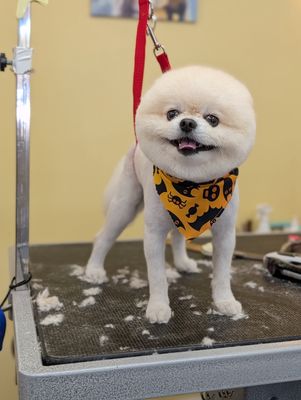
Credit: www.yelp.com
Creating A Grooming Schedule
Creating a grooming schedule is key to keeping your dog healthy and happy. A regular routine helps prevent skin problems and keeps your dog looking neat. Setting a schedule also makes grooming easier over time. You can avoid last-minute stress and keep your dog calm.
Frequency By Breed
Different dog breeds need grooming at different times. Long-haired dogs require more frequent brushing to stop mats and tangles. Short-haired breeds need less brushing but still benefit from regular baths. Some breeds shed a lot and need more attention during shedding seasons. Know your dog’s breed and adjust grooming accordingly.
Seasonal Grooming Tips
Seasons affect your dog’s coat and skin. In summer, dogs may need more baths to remove dirt and sweat. Brush often to remove loose hair and help skin breathe. Winter can dry out skin, so use moisturizing shampoos. Check paws for cracks or ice buildup. Adjust grooming tools and products based on the season.
Tracking Progress
Keep a simple grooming log. Write down dates, what you did, and any skin or coat changes. This helps spot problems early. Tracking progress also shows what works best for your dog. You can plan future grooming sessions better and keep your dog comfortable.
Frequently Asked Questions
What Basic Tools Do I Need For Diy Dog Grooming?
Essential tools include a slicker brush, comb, nail clippers, grooming scissors, and dog shampoo. These help maintain your dog’s coat, nails, and overall hygiene efficiently at home.
How Often Should I Groom My Dog Myself?
Most dogs benefit from grooming every 4 to 6 weeks. Regular grooming keeps their coat healthy, reduces shedding, and prevents matting and skin issues.
Is Diy Grooming Safe For All Dog Breeds?
DIY grooming is safe for many breeds with proper tools and techniques. However, some breeds with complex coats may require professional grooming for best results.
How Do I Safely Trim My Dog’s Nails At Home?
Use sharp dog nail clippers and trim small amounts gradually. Avoid cutting too close to the quick to prevent pain and bleeding.
Conclusion
DIY dog grooming saves money and builds a strong bond. Regular care keeps your dog healthy and happy. Start slow and learn with patience and love. Use the right tools and stay gentle always. Enjoy the time spent together, making grooming fun.
Your dog will thank you with wagging tails and bright eyes. Keep practicing, and grooming will become easier each time. A little effort goes a long way for your furry friend.


