
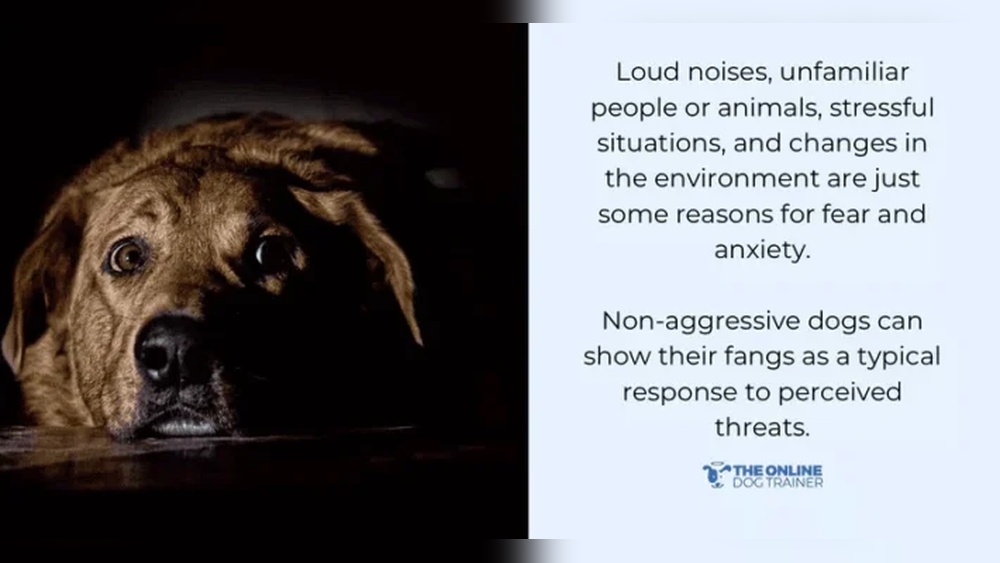
Is your dog showing signs of aggression that worry you? You’re not alone, and the good news is that aggressive behavior in dogs can be managed and improved.
Understanding why your dog acts this way is the first step toward a calmer, happier pet—and a safer home. You’ll discover clear, practical steps to fix aggressive behavior, helping you build trust and harmony with your furry friend. Keep reading to learn how you can take control and make a positive change today.
Credit: theonlinedogtrainer.com
Causes Of Aggressive Behavior
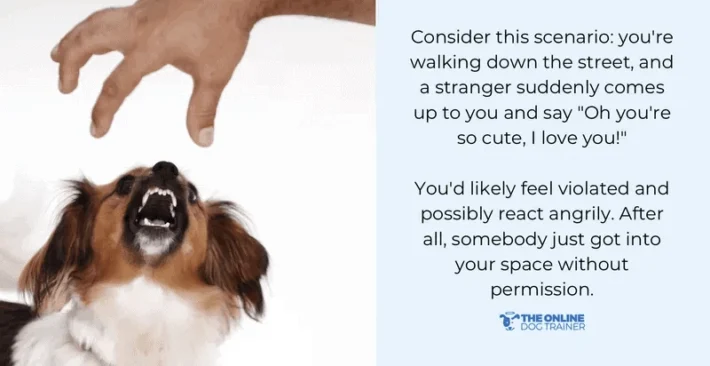
Aggressive behavior in dogs can be worrying for any pet owner. Understanding why dogs act aggressively helps in managing and fixing the problem. Aggression usually comes from different causes. These causes include genetics, environment, health, and social experiences. Each factor plays a key role in shaping a dog’s behavior.
Genetics And Breed Tendencies
Some dog breeds have stronger instincts for protection or guarding. These traits come from their genetic background. Genes can influence how a dog reacts to threats or strangers. Breeds like guard dogs or hunting dogs may show higher aggression. This does not mean all dogs of these breeds are aggressive. Genetics only set a foundation. Training and care affect the final behavior.
Environmental Factors
The surroundings where a dog grows affect its behavior a lot. A stressful or chaotic home can cause fear and aggression. Loud noises, neglect, or abuse increase aggressive reactions. Dogs that feel unsafe often respond with biting or growling. Calm and stable environments help dogs feel secure. This lowers chances of aggressive acts.
Health Issues
Sometimes aggression starts from pain or illness. Dogs in pain may snap to protect themselves. Diseases like brain disorders or hormonal imbalances can change behavior. Regular vet visits help catch these problems early. Treating health issues often reduces aggression. Ignoring health can make aggression worse.
Lack Of Socialization
Dogs need to meet other animals and people from a young age. Without socialization, dogs become fearful or shy. Fear can turn into aggressive behavior. Dogs unfamiliar with different situations may react by biting or barking. Early social experiences teach dogs how to behave. Proper socialization builds confidence and calmness.
Recognizing Aggression Signs
Recognizing the signs of aggression in dogs is the first step to fixing the behavior. Early detection helps prevent problems from getting worse. Dogs show aggression in many ways. Knowing these signs helps you act safely and calmly. Pay close attention to how your dog moves and reacts.
Body Language Cues
Dogs use body language to express feelings. Watch for stiff bodies and raised hackles. A dog may growl or bare its teeth. Look for intense staring or a fixed gaze. Ears pinned back or tail held high and stiff are warnings. Lips pulled back to show teeth also signal anger. These signs show your dog feels threatened or upset.
Types Of Aggression
Aggression has different types. Territorial aggression happens when a dog protects its space. Fear aggression occurs when a dog feels scared. Protective aggression shows when a dog defends family members. Redirected aggression happens if a dog cannot reach the real target. Play aggression can look like rough play but may hurt. Each type needs a different approach to manage.
Triggers To Watch For
Some things cause dogs to act aggressively. Common triggers include loud noises and sudden movements. Strangers or other animals may also cause stress. Touching sensitive areas like paws or tail can trigger aggression. Being startled during sleep or eating is another trigger. Knowing your dog’s triggers helps avoid trouble and keep peace.
Preventive Measures
Preventive measures are key to stopping aggressive behavior in dogs before it starts. These steps help build good habits early. They make dogs feel safe and calm. Prevention saves stress for both owners and pets.
Early Socialization
Introduce your dog to different people and animals early. This helps them learn how to behave around others. Socialization reduces fear and anxiety. Dogs that meet many friends tend to stay calm. Start socialization in a controlled, positive way.
Consistent Training
Train your dog with clear rules and routines. Use the same commands every day. Consistency builds trust and understanding. Dogs learn what is okay and what is not. Reward good behavior to encourage it. Avoid punishment that scares your dog.
Safe Environment Setup
Make your home a safe space for your dog. Remove objects that might cause stress or harm. Provide a quiet area where your dog can relax. Keep dangerous items out of reach. A calm environment helps reduce aggressive reactions.
Training Techniques
Training techniques play a key role in fixing aggressive behavior in dogs. They help change how dogs react to triggers. These methods build trust and good habits. Using the right techniques makes dogs calmer and more obedient. Consistency and patience are very important in training. Let’s explore three effective methods to help your dog feel safe and behave well.
Positive Reinforcement
Positive reinforcement means rewarding good behavior. Give treats, praise, or toys when your dog acts calmly. This teaches your dog that calm behavior gets rewards. Avoid punishment as it can increase aggression. Reward small steps toward better behavior. This creates a happy and willing learner. Keep rewards timely and consistent for best results.
Desensitization And Counter-conditioning
Desensitization helps dogs get used to triggers slowly. Start with low levels of the trigger at a distance. Gradually bring the trigger closer as the dog stays calm. Counter-conditioning changes how a dog feels about the trigger. Pair the trigger with something positive like treats. This shifts fear or anger to a good feeling. Patience is key; progress might be slow but steady.
Obedience Commands
Teaching basic commands builds control and focus. Commands like sit, stay, and come help manage your dog. Use clear, simple words and hand signals. Practice commands daily in different settings. Strong obedience skills reduce stress and confusion in dogs. This lowers chances of aggressive reactions. Reward your dog for following commands quickly and calmly.
Managing Aggressive Episodes
Managing aggressive episodes in dogs is key to creating a safe environment. These moments can be sudden and stressful. Staying calm and acting wisely helps reduce the risk of harm. Understanding how to control these episodes protects both you and your dog.
Calming Strategies
Speak softly to your dog to lower its stress. Avoid loud noises or sudden movements that may scare it. Offer a favorite toy or treat to distract your dog. Create a quiet space where your dog can feel safe. Use slow, gentle petting to soothe your dog’s nerves.
Avoiding Escalation
Do not stare directly at your dog during aggression. Back away slowly without turning your back. Avoid yelling or punishing the dog in the moment. Keep other pets and people away from the area. Watch your dog’s body language to predict changes. Stop actions that seem to trigger aggression quickly.
When To Seek Professional Help
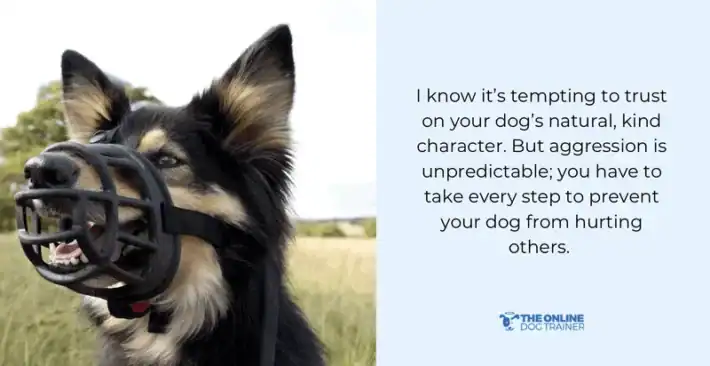
Persistent aggression needs expert advice. Contact a certified dog trainer or behaviorist. Immediate help is necessary if your dog bites or shows extreme fear. Professionals can create a safe training plan. They help you understand the causes of aggression. Early intervention improves long-term results.
Credit: theonlinedogtrainer.com
Role Of Exercise And Mental Stimulation
Exercise and mental stimulation play a big role in managing aggressive behavior in dogs. Dogs need both physical and mental activities to stay calm and happy. Without enough exercise, dogs can become restless and frustrated, which may lead to aggression. Mental challenges keep their minds busy and prevent boredom. Combining both helps reduce stress and improve behavior.
Physical Activity Benefits
Regular physical activity helps burn off extra energy. A tired dog is less likely to show aggressive behavior. Exercise also releases feel-good chemicals in the brain. This lowers stress and anxiety levels. Walking, running, and playing outside are great ways to keep dogs active. These activities improve overall health and mood.
Interactive Toys And Games
Interactive toys provide mental challenges for dogs. Puzzle feeders and treat-dispensing toys keep dogs busy. These toys make dogs think and solve problems. This mental work reduces boredom and destructive behavior. Playing games like hide and seek also stimulates the mind. Mental games build focus and reduce aggression.
Routine Importance
A consistent daily routine helps dogs feel safe. Predictable schedules reduce anxiety and stress. Dogs with clear routines often show fewer aggressive signs. Set regular times for feeding, walking, and play. Routine helps dogs know what to expect. This stability supports better behavior and calmness.
Medical Interventions
Medical interventions can help control aggressive behavior in dogs. These treatments support training and behavior therapy. They aim to reduce anxiety, fear, and impulsive reactions.
Medical care often works with other behavior modification methods. It is not a quick fix but part of a long-term plan. Understanding the right medical steps helps dog owners manage aggression safely.
Behavioral Medication
Behavioral medication helps calm dogs with aggression problems. Vets may prescribe anti-anxiety drugs or antidepressants. These medicines reduce stress and improve mood.
Medications do not change behavior alone. They support training by making dogs more receptive. This makes learning new, positive behaviors easier and faster.
Veterinary Assessments
A veterinary assessment checks for physical causes of aggression. Pain or illness can make dogs act aggressively. Vets look for health problems that affect mood and behavior.
Regular health checks are important for aggressive dogs. Vets may run blood tests or neurological exams. Identifying medical issues helps create an effective treatment plan.
When Medication Is Needed
Medication is needed if aggression is severe or dangerous. It helps control sudden attacks or extreme fear. Vets decide when drugs are necessary after careful evaluation.
Behavioral medication should always be combined with training. Stopping medication too soon can cause relapse. Consistent care and follow-up improve results over time.
Credit: theonlinedogtrainer.com
Building A Trusting Relationship
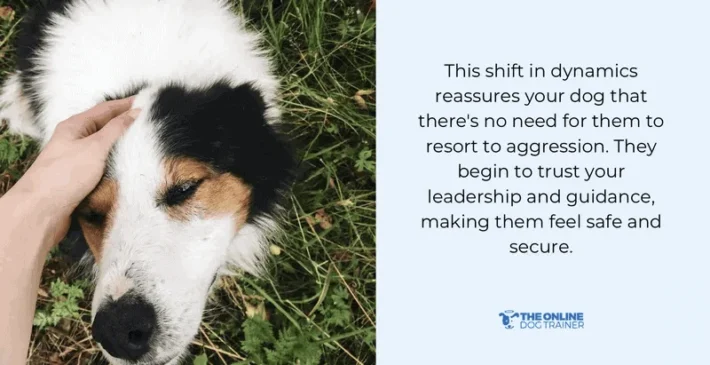
Building a trusting relationship is the first step to fix aggressive behavior in dogs. Trust helps your dog feel safe and calm. A dog that trusts you will listen and respond better. This bond creates a foundation for positive change.
Positive Interaction Tips
Spend time playing and talking softly to your dog. Use gentle touches and praise good behavior. Avoid harsh tones or punishment. Reward calm and friendly actions with treats or petting. These positive moments build trust quickly.
Consistency And Patience
Be consistent with rules and routines every day. Dogs learn better when signals stay the same. Patience is key. Change takes time, and rushing can cause stress. Keep calm and stay steady in your approach.
Understanding Your Dog’s Needs
Observe what your dog likes and dislikes. Notice their body language and signals. Provide enough exercise and mental stimulation. Meet their basic needs for food, water, and comfort. Understanding your dog reduces fear and aggression.
Frequently Asked Questions
What Causes Aggressive Behavior In Dogs?
Aggression in dogs often stems from fear, pain, territorial instincts, or lack of training. Identifying the cause is key to effective treatment and safer interactions.
How Can Training Reduce Dog Aggression?
Consistent, positive reinforcement training helps dogs learn calm behaviors. It builds trust and reduces fear-based aggression through clear communication and rewards.
When Should I Seek Professional Help For Dog Aggression?
If your dog shows frequent or severe aggressive behaviors, consult a professional trainer or veterinarian. Early intervention ensures safety and effective management.
Can Socialization Prevent Aggressive Behavior In Dogs?
Yes, early socialization exposes dogs to various people and animals. It helps them develop confidence and reduces fear-driven aggression.
Conclusion
Fixing aggressive behavior in dogs takes time and patience. Stay calm and consistent with training. Use positive rewards to encourage good behavior. Avoid punishment, as it can make aggression worse. Seek help from a professional trainer if needed. Understand your dog’s triggers and work to reduce them.
Safe, gentle care builds trust and peace. Remember, small steps lead to big changes. Your dog can become calmer and happier. Keep trying, and enjoy a stronger bond together.


