
If your dog’s behavior is becoming a challenge, you’re not alone. You want a happy, well-behaved companion who listens and responds without stress.
That’s where behavior dog training comes in. It’s more than just teaching tricks—it’s about understanding your dog’s mind and guiding them to act in ways that make life easier and more enjoyable for both of you. Keep reading to discover simple, effective techniques that can transform your dog’s behavior and strengthen the bond you share.
Your journey to a calmer, happier dog starts here.
Credit: www.cosmiccanine.com
Basics Of Dog Behavior
Understanding dog behavior is key to effective training and a happy pet. Dogs communicate through actions, body language, and sounds. Knowing these basics helps you respond correctly and build trust.
Each dog has its own personality, shaped by breed, environment, and experiences. Observing your dog closely helps identify its unique traits and needs.
How Dogs Learn
Dogs learn mainly through repetition and rewards. Positive experiences encourage good behavior. They remember actions followed by treats, praise, or play.
Dogs also learn by watching and copying others. Puppies often mimic their mothers and littermates. Training uses this natural skill with clear commands and consistent feedback.
Common Behavioral Issues
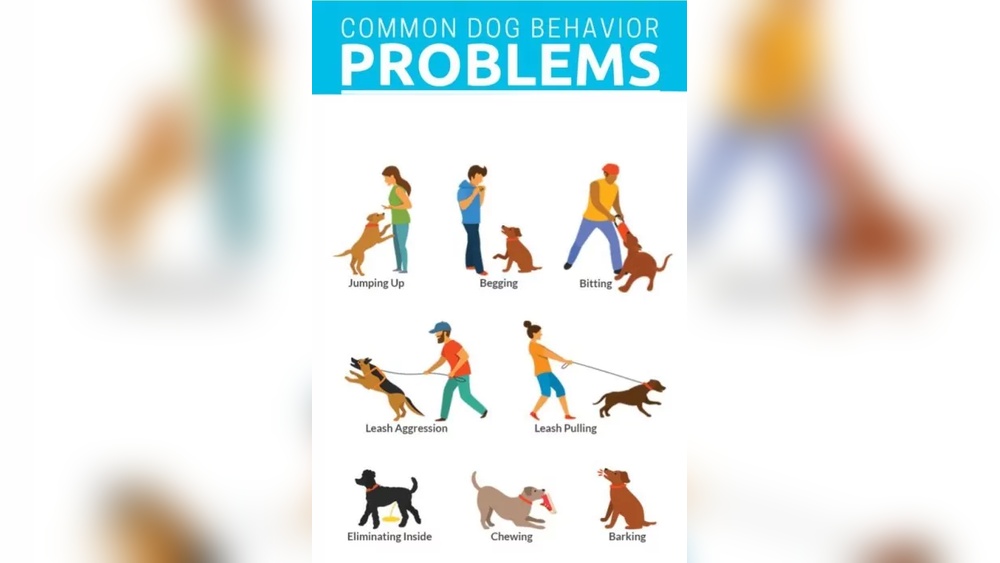
Many dogs show common problems like barking, chewing, or pulling on the leash. These behaviors often come from boredom, fear, or lack of training.
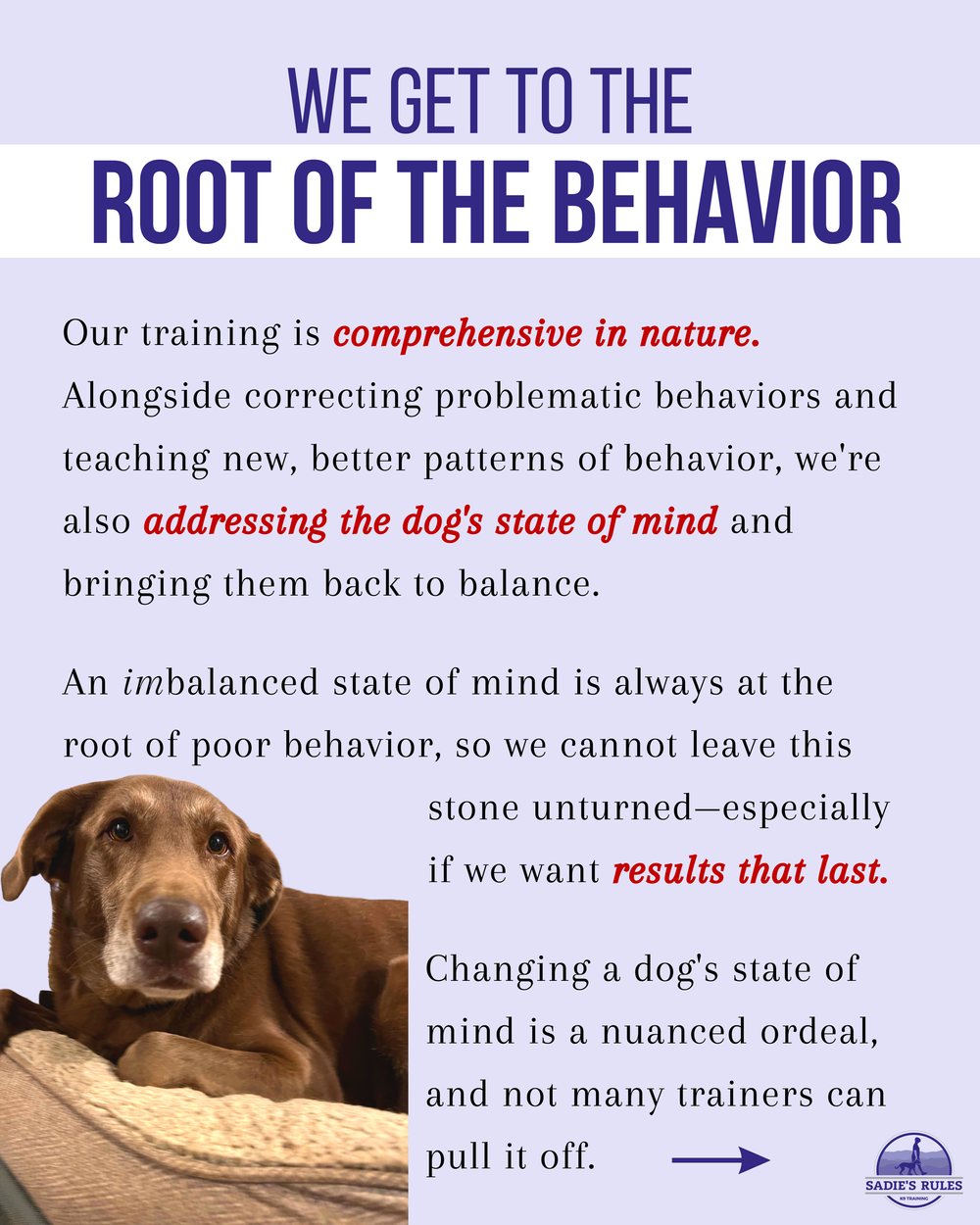
Understanding the cause helps solve the problem. For example, a dog that barks a lot might feel lonely or anxious. Addressing feelings is as important as correcting actions.
Credit: www.sadiesrulesk9training.com
Effective Training Methods
Effective training methods shape your dog’s behavior positively. They build trust and make learning fun. Using the right techniques helps your dog understand what you want clearly. The process becomes smoother and more enjoyable for both of you.
Training is not just about commands. It is about communication and patience. Choosing effective methods leads to lasting results and a happy dog.
Positive Reinforcement
Positive reinforcement rewards good behavior. Giving treats, praise, or playtime encourages your dog to repeat actions. This method builds confidence and strengthens your bond. Dogs learn faster when they feel safe and happy. Avoid punishment; it can cause fear and confusion.
Clicker Training
Clicker training uses a small sound device to mark correct behavior. The click signals to the dog that a reward is coming. It helps dogs understand exactly which action is right. This method speeds up learning and makes training clear. Keep the clicks consistent and always follow with a reward.
Consistency And Patience
Consistency means using the same commands and rules every time. It helps your dog learn what is expected. Patience allows your dog to learn at their own pace. Training takes time; rushing can cause stress. Stay calm and repeat lessons often for the best results.
Addressing Specific Problems
Addressing specific behavior problems is key in dog training. Each dog has unique challenges. Understanding these helps trainers create clear, effective plans. Targeted training improves a dog’s life and your bond.
Barking And Aggression
Excessive barking often signals fear or boredom. Training teaches dogs to stay calm and quiet. Consistent commands and rewards reduce unwanted noise. Aggression needs careful attention. Trainers work to change aggressive responses into calm behavior. Safety is the priority during all sessions.
Separation Anxiety
Separation anxiety makes dogs scared when alone. They may chew, bark, or act restless. Gradual training helps dogs feel safe and relaxed. Creating a routine builds trust and comfort. Small steps teach dogs to enjoy quiet time alone.
Housebreaking Challenges
Housebreaking takes patience and a clear routine. Dogs learn where and when to go outside. Regular bathroom breaks and praise reinforce good habits. Mistakes happen and trainers handle them calmly. This keeps dogs confident and well-behaved indoors.
Tools And Equipment
Effective behavior dog training requires the right tools and equipment. These items help guide your dog’s learning and keep training safe. Choosing the proper gear makes sessions smoother and more productive.
Leashes And Collars
Leashes and collars control your dog during training. Use a sturdy leash about 4 to 6 feet long. It offers enough space for movement but keeps your dog close. Flat collars work well for everyday use. Head halters and harnesses give better control for strong pullers. Avoid choke chains or prong collars, as they can hurt your dog.
Training Aids
Training aids help teach commands and correct unwanted behavior. Clickers create a clear, consistent sound to mark good actions. Treat pouches keep rewards handy and easy to reach. Toys can motivate your dog and make learning fun. Use training aids gently and always reward positive behavior.
When To Use Crates
Crates provide a safe space for dogs during training. Use a crate to prevent bad habits when unsupervised. It helps with housebreaking and calming anxious dogs. Make the crate comfortable with soft bedding. Never use crates for punishment. Introduce the crate slowly and reward your dog for entering.
Building A Strong Bond
Building a strong bond with your dog is key to successful behavior training. Trust and understanding grow from daily interactions. This bond helps your dog feel safe and eager to learn. It creates a positive space for training and play. Patience and consistency play big roles in deepening your connection.
Communication Techniques
Clear communication helps your dog understand your wishes. Use simple words and short commands. Your tone matters; speak calmly and firmly. Body language also sends strong signals. Maintain eye contact to show attention. Avoid sudden movements that may scare your dog. Reward good behavior with praise or treats. This teaches your dog what you expect.
Exercise And Mental Stimulation
Exercise keeps your dog healthy and happy. Regular walks and playtime burn extra energy. Tired dogs behave better and learn faster. Mental games challenge your dog’s mind. Puzzle toys and training drills work well. These activities reduce boredom and stress. A busy dog is less likely to develop bad habits. Combine physical and mental tasks daily.
Maintaining Long-term Success
Maintaining long-term success in behavior dog training requires ongoing effort and attention. Training is not a one-time event. It needs regular work to keep good habits strong. Dogs learn by repetition and consistency. This helps them remember commands and behave well over time.
Each stage of your dog’s life may bring new challenges. Keeping training effective means adapting to these changes. Staying patient and flexible supports your dog’s growth. Long-term success comes from steady care and smart adjustments.
Regular Practice
Practice makes your dog’s behavior steady and reliable. Short, daily training sessions work best. They keep your dog focused without tiring them. Use simple commands often. Praise and rewards help your dog feel motivated. Consistent practice stops bad habits from returning.
Adapting To Changes
Dogs change as they grow older or face new situations. Training must change with them. Watch your dog’s behavior closely. Adjust your methods to fit new needs. New environments or family members may require fresh training rules. Flexibility helps keep your dog happy and well-behaved.
Seeking Professional Help
Some behavior problems need extra support. Professional trainers or behaviorists can guide you. They offer advice tailored to your dog’s needs. Early help prevents small problems from growing. Don’t hesitate to ask for expert help to keep training on track.

Credit: peggyadams.org
Frequently Asked Questions
What Is Behavior Dog Training?
Behavior dog training focuses on teaching dogs good manners and obedience. It helps correct unwanted behaviors and reinforces positive actions. This training improves communication between dogs and owners. It promotes a well-behaved, happy, and balanced pet.
How Long Does Behavior Dog Training Take?
The duration varies by dog and behavior issues. Basic training may take a few weeks. More complex behavior problems can need months. Consistency and patience from the owner speed up progress. Regular practice ensures lasting results.
Can Behavior Dog Training Fix Aggression?
Yes, with professional guidance, aggression can be managed. Training focuses on understanding triggers and teaching alternative responses. Early intervention improves success rates. Combining training with behavioral therapy is often recommended. Safety for everyone is the top priority.
What Methods Are Used In Behavior Dog Training?
Common methods include positive reinforcement, clicker training, and desensitization. Positive reinforcement rewards good behavior to encourage repetition. Clicker training uses sound cues for clear communication. Desensitization gradually exposes dogs to triggers to reduce fear or aggression.
Conclusion
Behavior dog training helps build trust and good habits. It teaches dogs how to act in different situations. Training takes patience and daily practice. Small steps lead to big improvements over time. Clear communication makes learning easier for your dog.
A well-trained dog is happier and safer. Keep training fun and consistent for best results. Your dog will respond better and feel loved. This creates a strong bond between you and your pet. Behavior dog training is a simple way to improve life together.


