

Bringing home your first puppy is exciting, but it can also feel overwhelming. You want to give your new furry friend the best start, but where do you begin?
The good news is, with the right tips, you can make this experience smooth and joyful for both of you. You’ll discover simple, practical advice that helps you understand your puppy’s needs, build a strong bond, and avoid common mistakes.
Keep reading—your puppy’s happy and healthy future starts here.
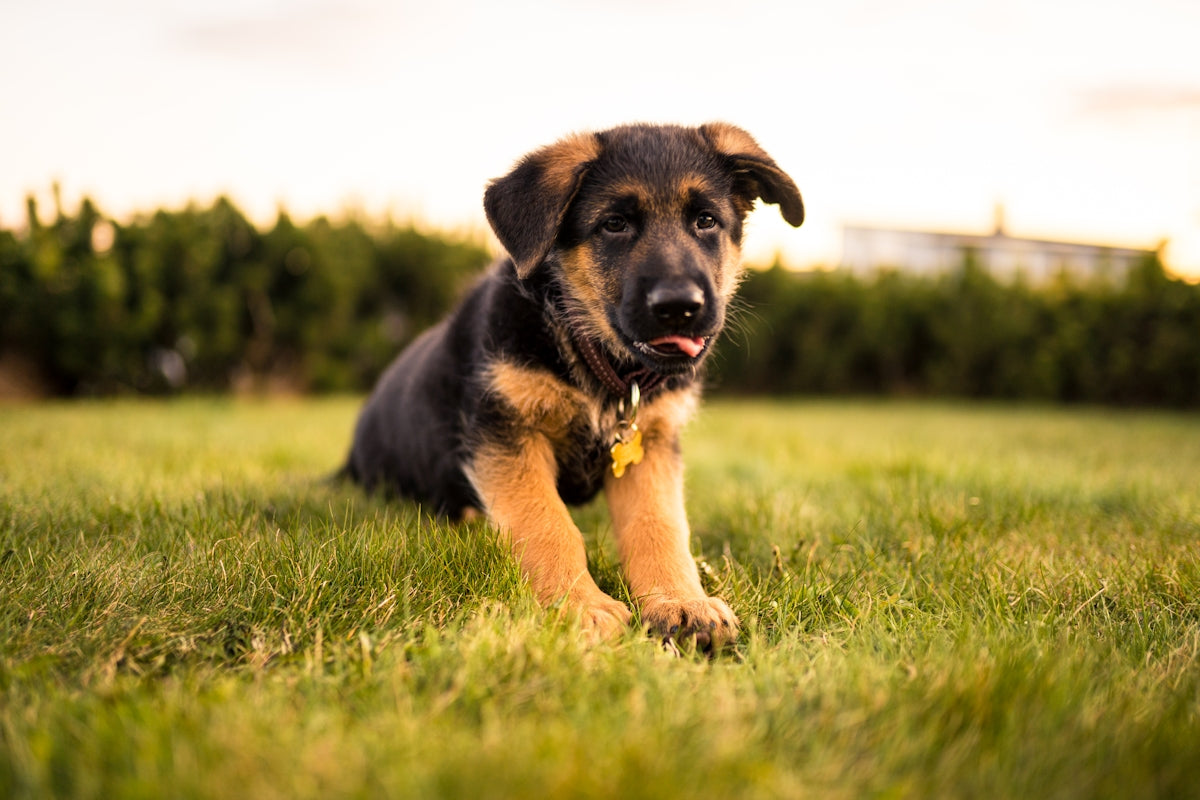
Credit: dognation.com.au
Preparing Your Home
Preparing your home for a new puppy is very important. It helps your puppy feel safe and happy. You need to create a space where your puppy can play and rest. You also need supplies that will make your puppy’s life easier. Making your home safe keeps your puppy from getting hurt.
Safe Spaces For Puppies
Choose a quiet area for your puppy to rest. Use a soft bed or crate with blankets. This spot should be away from loud noises and busy areas. Puppies need a calm place to feel secure. Make sure the space is easy to clean.
Essential Supplies
Buy food and water bowls that do not tip over. Get puppy food recommended by a vet. Have toys to keep your puppy busy and happy. Use a collar and leash for walks. Don’t forget grooming tools like brushes and nail clippers.
Puppy-proofing Tips
Remove small objects that puppies can swallow. Hide electrical cords and keep them out of reach. Block off stairs and dangerous areas with gates. Store cleaning products and medicines where puppies cannot get them. Check plants, some can be harmful to puppies.
Choosing The Right Puppy
Choosing the right puppy is the first step to a happy pet experience. This choice shapes your daily life and your new friend’s future. Thoughtful selection helps avoid surprises and builds a strong bond. Consider your home, time, and lifestyle before bringing a puppy home.
Selecting A Suitable Breed
Each dog breed has unique traits and care needs. Some breeds need lots of exercise and space. Others prefer calm, indoor living. Match a breed’s energy level with your daily routine. Consider size too. Large dogs may need bigger homes. Small dogs often adapt well to apartments. Learn about health issues common to certain breeds. Choose a breed that fits your family and lifestyle.
Finding Reputable Breeders
A good breeder cares for puppies and parents. They provide health checks and vaccinations. Visit the breeder’s home if possible. Watch how they treat the dogs. Puppies should be clean and social. Ask for health records and parent history. Avoid breeders who sell many breeds or have poor conditions. Responsible breeders answer all your questions honestly. This ensures a healthy, well-socialized puppy.
Adoption Considerations
Animal shelters have many puppies waiting for homes. Adoption saves lives and reduces overpopulation. Shelters often include medical care and behavior checks. Staff can help match you with a good fit. Adopted dogs come in all sizes and ages. Consider adopting an older puppy or adult dog. They may already be trained and calm. Adoption is a kind choice with many rewards.
First Days At Home
Bringing a puppy home is exciting and a little scary. The first days matter a lot for your puppy’s comfort and safety. They need time to adjust to new sights, sounds, and smells. You will help them feel safe and loved. The way you act now shapes their behavior and trust.
Introducing Your Puppy To Family
Let your puppy meet family members calmly. One by one is best. Soft voices and slow movements keep the puppy calm. Show family how to pet gently. Avoid loud noises or quick hugs. Give your puppy space to explore and sniff. Let them come to people, not the other way around.
Establishing A Routine
Puppies thrive with routine. Set times for feeding, potty breaks, and play. A schedule helps them learn fast. Keep sleep times quiet and cozy. Consistency makes puppies feel safe. Stick to the same places for eating and bathroom. This helps prevent accidents and confusion.
Managing Separation Anxiety
Separation anxiety is common in new puppies. Start with short alone times. Use a crate or safe space. Leave toys or treats to comfort your puppy. Avoid long goodbyes. Quiet exits help reduce stress. Practice leaving and returning calmly. This teaches your puppy to relax alone.
Nutrition And Feeding
Feeding a new puppy is a big responsibility. Good nutrition helps your puppy grow strong and healthy. Choosing the right food and feeding the right way supports your puppy’s development. It also helps avoid health problems later in life.
Choosing Quality Food
Select food made for puppies. These foods have the right nutrients for growth. Look for labels that say “complete and balanced.” Avoid foods with too many fillers like corn or soy. Protein should be the main ingredient. High-quality food improves energy and coat health.
Feeding Schedules
Puppies need regular meals every day. Feed small amounts three to four times daily. This helps with digestion and energy levels. Keep feeding times consistent to build good habits. Use the feeding guide on the package as a start. Adjust amounts as your puppy grows.
Avoiding Harmful Foods
Some human foods can harm puppies. Chocolate, grapes, onions, and garlic are toxic. Avoid giving bones or raw meat that can cause illness. Keep sweets and salty snacks away. Always check with a vet before offering new treats. Safe feeding protects your puppy’s health.
Training Basics
Training your new puppy sets the base for good behavior. It helps your dog learn rules and live happily with your family. Start training early to build trust and understanding. Keep sessions short and fun to hold your puppy’s attention. Consistency is key to avoid confusion and bad habits.
House Training Tips
Choose a specific spot outside for your puppy to go potty. Take your puppy there often, especially after eating and sleeping. Praise your puppy immediately after they go in the right place. Clean accidents quickly with a pet-safe cleaner to remove smells. Avoid punishment; it can scare your puppy and slow learning.
Basic Commands
Start with simple commands like “sit,” “stay,” and “come.” Use clear, calm words and a firm tone. Show your puppy what to do by guiding gently. Practice commands several times a day in short sessions. Patience helps your puppy learn at their own pace.
Positive Reinforcement
Reward good behavior with treats, toys, or praise. This makes your puppy want to repeat the behavior. Ignore bad behavior instead of punishing. Use rewards immediately to help your puppy connect actions and praise. Positive training builds a strong bond and happy puppy.

Credit: www.walmart.com
Health Care
Taking care of your puppy’s health is very important. Good health care helps your puppy grow strong and happy. It also prevents many health problems later. Understanding basic health steps makes your puppy’s life better.
Vaccination Schedule
Puppies need vaccines to protect them from diseases. Start vaccinations at six to eight weeks old. Follow the vet’s schedule for booster shots. Vaccines keep your puppy safe from illnesses like parvovirus and rabies. Keep a record of all vaccinations for future reference.
Regular Vet Visits
Visit the vet often during your puppy’s first year. Vets check for health issues and growth progress. Early visits catch problems before they become serious. Talk to the vet about your puppy’s diet and care. Regular visits build a good health routine for your puppy.
Preventing Common Illnesses
Clean your puppy’s living area daily. Give fresh water and healthy food every day. Avoid contact with sick animals. Use flea and tick preventatives as advised by the vet. Watch for signs like coughing, vomiting, or diarrhea. Early care stops illnesses from getting worse.
Socialization
Socialization is a key step in raising a happy and confident puppy. It helps them learn how to behave around others. Socialization starts early and continues as your puppy grows. It reduces fear and builds trust with new experiences. Social puppies become friendly dogs who enjoy life and new situations.
Introducing To Other Pets
Introduce your puppy to other pets slowly. Start with calm and friendly animals. Use a safe place for the first meeting. Watch their body language closely. Reward good behavior with treats and praise. Keep meetings short and positive. Gradually increase the time they spend together. This builds trust and helps them accept each other.
Meeting New People
Expose your puppy to different people often. Include children, adults, and seniors. Let your puppy sniff and explore at their own pace. Encourage gentle petting and calm voices. Avoid forcing contact if your puppy seems scared. Praise your puppy for calm behavior. This helps your puppy feel safe and friendly around strangers.
Puppy Playdates
Arrange playdates with other puppies or friendly dogs. Choose dogs with good temperaments. Supervise all play to keep it safe. Playdates teach bite control and social cues. They also help your puppy burn off energy. Short, fun sessions are best at first. Playdates build social skills and confidence in your puppy.
Exercise And Play
Exercise and play are essential for a happy, healthy puppy. Puppies need regular activity to burn energy and stay fit. Playtime helps build a strong bond between you and your new furry friend. It also teaches good behavior and keeps your puppy’s mind sharp.
Daily Activity Needs
Every puppy needs daily exercise. Short walks and gentle play sessions work best. Small breeds may need less, while larger breeds need more exercise. Aim for at least two playtimes or walks each day. Watch your puppy’s energy and rest when tired.
Safe Toys
Choose toys made for puppies to protect their teeth and gums. Avoid small toys that can be swallowed. Soft, chewable toys help with teething pain. Rotate toys often to keep your puppy interested. Check toys regularly for damage and replace if broken.
Mental Stimulation
Puppies need mental games to stay sharp and happy. Use puzzle toys or hide treats for them to find. Training sessions also challenge their brain. Keep sessions short and fun to hold attention. A tired mind helps reduce bad behavior.
Handling Challenges
Owning a puppy is joyful but comes with challenges. Handling these early problems well builds trust and good habits. Patience and consistency help puppies learn the right way.
Understanding common issues prepares you to act calmly and confidently. Each puppy is unique, so try different methods to find what works best.
Dealing With Chewing
Puppies chew to explore and soothe their gums. Offer plenty of safe chew toys to keep them busy. Remove items you don’t want ruined from their reach. Praise your puppy when they chew toys, not furniture. Redirect chewing quickly if they start on something wrong.
Managing Barking
Barking is a puppy’s way to communicate or get attention. Learn the difference between playful and urgent barking. Stay calm and avoid yelling, which may increase barking. Teach a quiet command and reward silence. Give enough exercise and mental play to reduce boredom barking.
Coping With Accidents
Accidents indoors are normal for new puppies. Clean messes immediately with pet-safe cleaners to remove odors. Take your puppy outside often, especially after eating or sleeping. Praise and reward them for going outside. Avoid punishment; it can cause fear and confusion.

Credit: www.lemon8-app.com
Frequently Asked Questions
How Do I Prepare My Home For A New Puppy?
Create a safe, puppy-proof space by removing hazards. Set up a cozy bed, toys, and feeding area. Ensure all chemicals and small objects are out of reach. This helps your puppy feel secure and comfortable in their new environment.
What Are The Best First Training Tips For Puppies?
Start with simple commands like sit, stay, and come. Use positive reinforcement with treats and praise. Keep training sessions short and consistent. Early socialization and patience are key to building good habits and a strong bond.
How Often Should I Feed My First Puppy?
Feed your puppy three to four times daily. Use high-quality puppy food suited to their breed and size. Follow your vet’s recommendations on portion sizes. Regular feeding helps support healthy growth and energy levels.
When Should I Schedule My Puppy’s First Vet Visit?
Schedule your puppy’s first vet visit within a week of bringing them home. This ensures timely vaccinations, health checks, and parasite prevention. Early vet visits help establish a health baseline and address any concerns promptly.
Conclusion
Caring for a new puppy takes patience and love. Stick to a daily routine to help your puppy feel safe. Teach basic commands early for good behavior. Give plenty of playtime to keep your puppy happy. Remember, mistakes happen—stay calm and consistent.
Enjoy the special moments as your puppy grows. The bond you build now lasts a lifetime. Keep learning and stay patient for the best results. Your puppy will thank you with loyalty and joy.


