

If you want your dog to stay happy and healthy, understanding what they truly need for nutrition is key. You might think feeding them any dog food is enough, but their bodies require specific nutrients to thrive.
Are you sure your furry friend is getting the right balance? Keep reading, because what you learn here could change how you care for your dog’s diet—and boost their energy, shine their coat, and support their overall well-being. Your dog depends on you to make the best choices, so let’s dive into the essentials of dog nutrition together.
Key Nutrients For Dogs
Dogs need different nutrients to stay healthy and active. These nutrients help their bodies work well and keep them full of energy. Good nutrition supports their muscles, skin, and overall growth.
Each nutrient plays a special role in a dog’s health. Feeding the right balance helps your dog live a long and happy life.
Proteins And Amino Acids
Proteins build strong muscles and repair tissues. Dogs need amino acids, which are the building blocks of proteins. Some amino acids cannot be made by dogs and must come from food. Meat, fish, and eggs are good sources of protein.
Fats And Fatty Acids
Fats provide energy and help absorb vitamins. They keep a dog’s skin healthy and coat shiny. Essential fatty acids, like omega-3 and omega-6, reduce inflammation and support brain health. Fish oil and flaxseed are rich in these fats.
Carbohydrates
Carbohydrates give dogs quick energy. Whole grains and vegetables contain fiber, which aids digestion. Too many carbs can lead to weight gain, so balance is important. Carbs also help keep blood sugar steady.
Vitamins And Minerals
Vitamins support the immune system and help with growth. Minerals build strong bones and teeth. Dogs need vitamins like A, D, and E, and minerals such as calcium and iron. A varied diet usually provides these nutrients.
Water’s Role
Water is vital for all body functions. It helps regulate body temperature and removes waste. Dogs should always have fresh water available. Dehydration can cause serious health problems quickly.

Credit: www.holistapet.com
Choosing The Right Dog Food
Choosing the right food for your dog is very important for their health. Dogs need a balanced diet with the right nutrients. Good food helps them stay active and happy. It also supports their growth and immune system. Understanding the best food options makes feeding easier and safer.
Commercial Vs Homemade Diets
Commercial dog food is made to meet nutritional needs. It is convenient and comes in dry, wet, or semi-moist forms. These foods often have added vitamins and minerals. Homemade diets use fresh ingredients like meat, vegetables, and grains. They allow control over what your dog eats. But homemade meals need careful planning to avoid missing nutrients.
Reading Dog Food Labels
Labels show important information about ingredients and nutrition. Look for the first few ingredients; they should be real meat or fish. Avoid foods with many fillers like corn or wheat. Check for guaranteed analysis to see protein, fat, and fiber levels. Also, look for AAFCO approval to ensure the food meets standards.
Age And Breed Considerations
Puppies, adults, and senior dogs have different nutritional needs. Puppies need more protein and calories to grow. Adult dogs require balanced nutrients to maintain health. Seniors benefit from lower calories and joint support nutrients. Breed size also matters. Small breeds need energy-dense food. Large breeds need food that supports bones and joints.
Special Dietary Needs
Some dogs have allergies or health problems. These dogs need special diets like hypoallergenic or prescription food. Weight control diets help overweight dogs. Dogs with kidney or liver problems need low-protein or special nutrient food. Always follow your vet’s advice for these diets. Proper nutrition helps manage health issues well.
Feeding Tips For Different Life Stages
Dogs need different nutrition at each life stage. Feeding them properly supports their growth, health, and energy. Adjusting their diet helps meet their changing body needs. This guide covers feeding tips for puppies, adults, and senior dogs. Follow these tips to keep your dog healthy and happy.
Puppy Nutrition
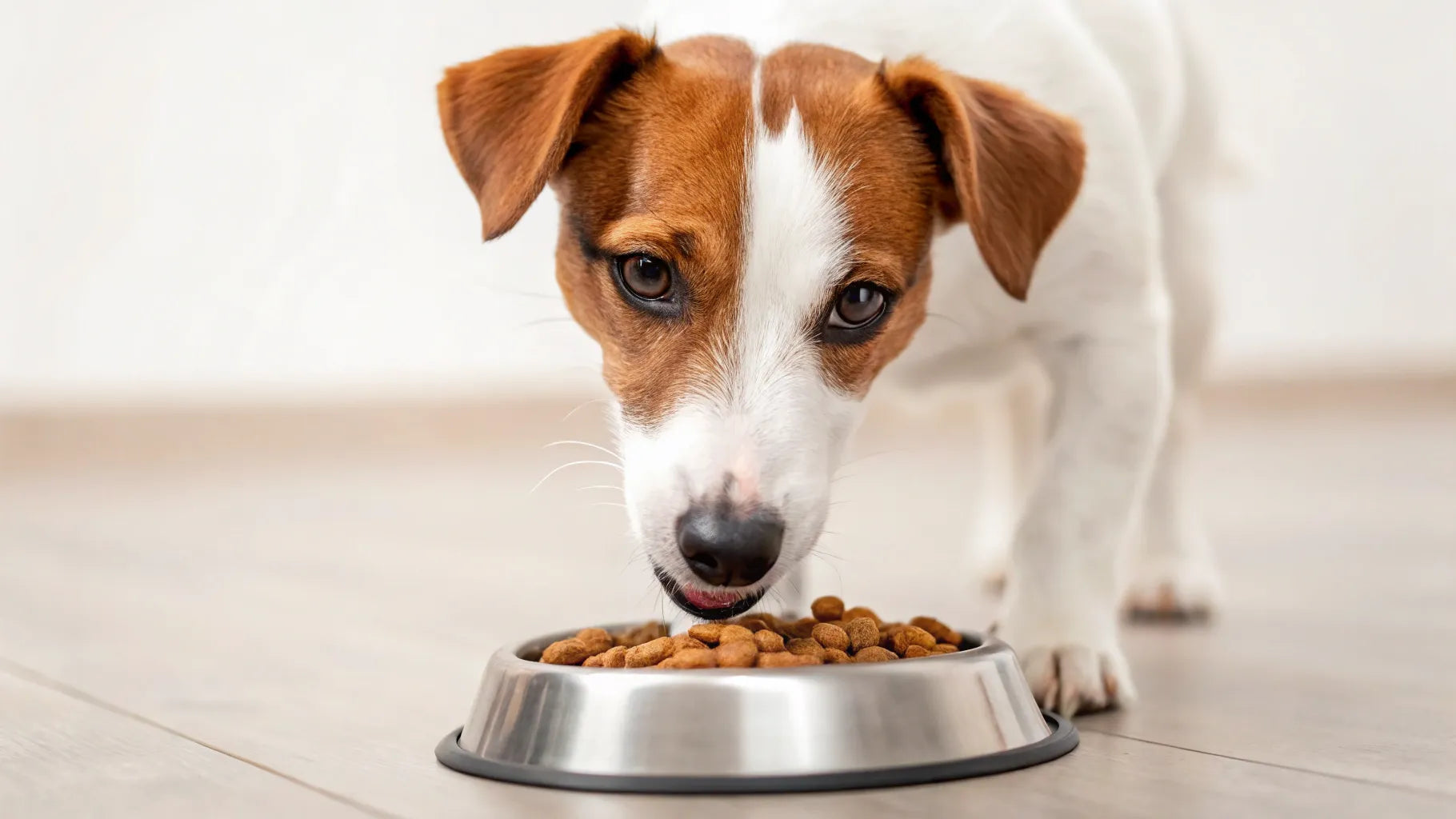
Puppies grow fast and need many nutrients. Protein helps build strong muscles and bones. Choose food rich in protein and fat for energy. Feed small meals four times a day. Avoid giving adult dog food to puppies. Puppy food has extra vitamins and minerals for growth. Fresh water must always be available.
Adult Dog Diet
Adult dogs need balanced meals to maintain weight. Protein and fat levels should be moderate. Too many calories cause weight gain. Feed two meals a day instead of free feeding. Include fiber to support digestion. Treats should be healthy and given in small amounts. Monitor your dog’s weight regularly to adjust food.
Senior Dog Requirements
Senior dogs need fewer calories but more fiber. Their metabolism slows down with age. Choose food with joint support nutrients like glucosamine. Protein helps maintain muscle mass in older dogs. Avoid foods that cause weight gain or digestive issues. Regular vet checkups help adjust diet as needed. Hydration remains important for aging dogs.
Credit: www.houndsy.com
Common Nutritional Challenges
Dogs need the right nutrition to stay healthy and active. Sometimes, feeding dogs can be tricky. Many dogs face common nutritional challenges. These can affect their health and happiness. Understanding these challenges helps keep dogs safe and well-fed.
Food Allergies And Sensitivities
Some dogs react badly to certain foods. These reactions cause itching, swelling, or stomach upset. Common allergens include beef, dairy, and wheat. Identifying and avoiding these foods is key. A vet can help find the cause. Special diets often improve a dog’s condition quickly.
Obesity Prevention
Overfeeding can lead to obesity in dogs. Obese dogs have more health problems. These include joint pain, diabetes, and heart disease. Portion control and regular exercise help keep weight in check. Feeding high-quality food with balanced nutrients supports healthy weight.
Avoiding Toxic Foods
Certain foods are toxic to dogs and must be avoided. Chocolate, grapes, onions, and garlic are dangerous. Even small amounts can cause serious illness. Keep these foods out of reach at all times. Knowing what is toxic protects dogs from harm.
Supplements And Treats
Supplements and treats play an important role in a dog’s nutrition. They can support health but should not replace balanced meals. Knowing when to use supplements and choosing healthy treats helps keep dogs happy and strong.
When To Use Supplements
Supplements help fill gaps in a dog’s diet. Dogs with health issues or special needs may benefit from them. Older dogs often need joint support supplements. Puppies might require vitamins for growth. Always ask a vet before adding supplements. Overuse can cause harm or imbalance.
Healthy Treat Options
Choose treats with natural ingredients and low calories. Small pieces of cooked chicken, carrots, or apples work well. Avoid treats with sugar, salt, or artificial flavors. Look for treats that provide vitamins or fiber. Use treats to reward good behavior or training.
Treats Vs Balanced Meals
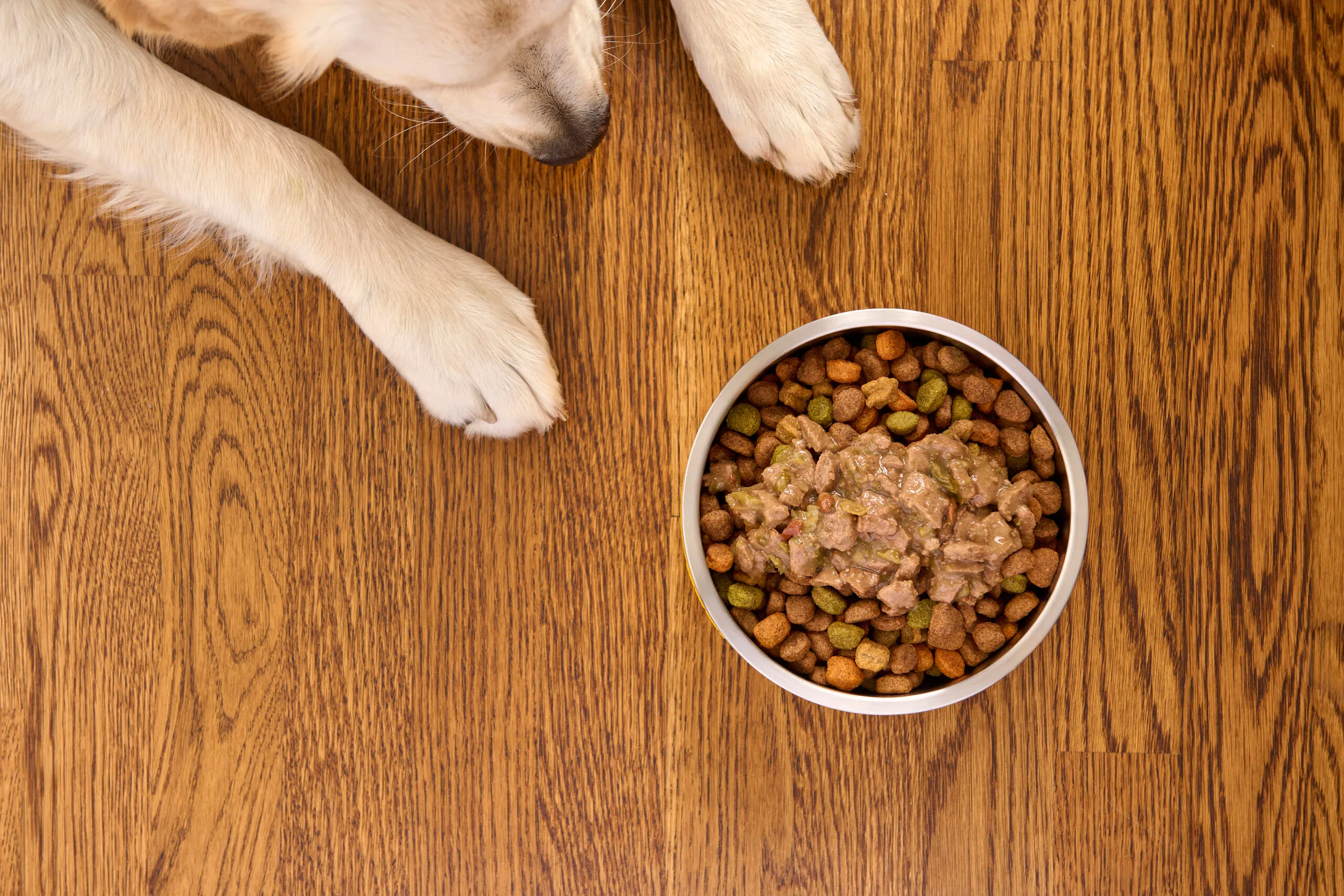
Treats should never replace a full meal. Balanced meals give all nutrients dogs need daily. Treats are snacks, not food sources. Too many treats cause weight gain and poor nutrition. Keep treats under 10% of daily calories. Meals keep dogs healthy and strong long-term.
Credit: www.pedigree.com
Monitoring And Adjusting Diet
Monitoring and adjusting your dog’s diet is key to good health. Dogs need different nutrients as they grow and face health changes. Careful observation helps spot problems early. Adjustments keep your dog strong and happy.
Signs Of Nutritional Deficiencies
Watch for dull fur, weight loss, or low energy. Changes in skin, poor coat, or frequent infections can also signal a problem. Loss of appetite or digestive issues may indicate missing nutrients. Early signs are subtle but important.
Regular Vet Checkups
Visit the vet often for health checks. Vets can spot hidden issues through exams and tests. Blood tests reveal vitamin and mineral levels. Regular visits ensure your dog’s diet meets all needs. Prevent problems before they start.
Adapting To Health Changes
Health problems may require diet changes. Dogs with allergies or illnesses need special nutrition. Older dogs need fewer calories and more joint support. Adjust food type, amount, and supplements as needed. Keep your dog comfortable and healthy.
Frequently Asked Questions
What Essential Nutrients Do Dogs Need Daily?
Dogs need protein, fats, carbohydrates, vitamins, and minerals daily. Protein supports muscle growth. Fats provide energy. Carbs offer fiber and energy. Vitamins and minerals ensure overall health and proper body functions.
How Much Water Should A Dog Drink Daily?
A dog should drink about 1 ounce of water per pound of body weight daily. Fresh, clean water must always be available to keep them hydrated and healthy.
Can Dogs Eat Human Food For Nutrition?
Some human foods are safe, like plain chicken and carrots. Avoid toxic foods such as chocolate, onions, and grapes. Consult a vet before feeding human food regularly to your dog.
How Do I Choose The Best Dog Food?
Look for high-quality ingredients with real meat as the first ingredient. Avoid fillers, artificial colors, and preservatives. Choose food based on your dog’s age, size, and health needs.
Conclusion
Dogs need balanced nutrition to stay healthy and happy. Proteins help build strong muscles. Carbohydrates give energy for daily activities. Fats support brain and skin health. Vitamins and minerals keep their body working well. Fresh water is essential for life.
Feeding your dog the right food matters. Good nutrition helps dogs live longer. Pay attention to their age and size. Healthy food choices lead to a joyful pet. Keep learning about dog nutrition for best care. A well-fed dog is a happy dog.


