If you have a Chihuahua or are thinking about getting one, understanding your dog’s behavior is key to a happy relationship. These tiny dogs pack a big personality, and knowing what makes them tick can help you connect with your pet like never before.
You’ll discover the secrets behind Chihuahua dog behavior—why they act the way they do, how to read their signals, and what you can do to keep them happy and well-behaved. Keep reading, and you’ll unlock the full potential of your bond with your little companion.
Chihuahua Temperament
Chihuahuas are known for their unique temperament. Small in size but big in personality, they show many traits that make them special pets. Understanding their temperament helps owners connect better with these tiny dogs. Their behavior often surprises people due to their strong character and lively nature.
Loyalty And Attachment
Chihuahuas form strong bonds with their owners. They show deep loyalty and often follow their favorite person around. These dogs enjoy close contact and love to be near their humans. They can become very attached, sometimes favoring one person over others. This loyalty makes them excellent companions.
Alertness And Watchfulness
Chihuahuas are naturally alert and aware of their surroundings. They often act as little watchdogs, barking at new sights or sounds. Their sharp senses help them detect changes quickly. This alertness can keep their home safe. Despite their size, they are brave and confident.
Social Interaction With Humans
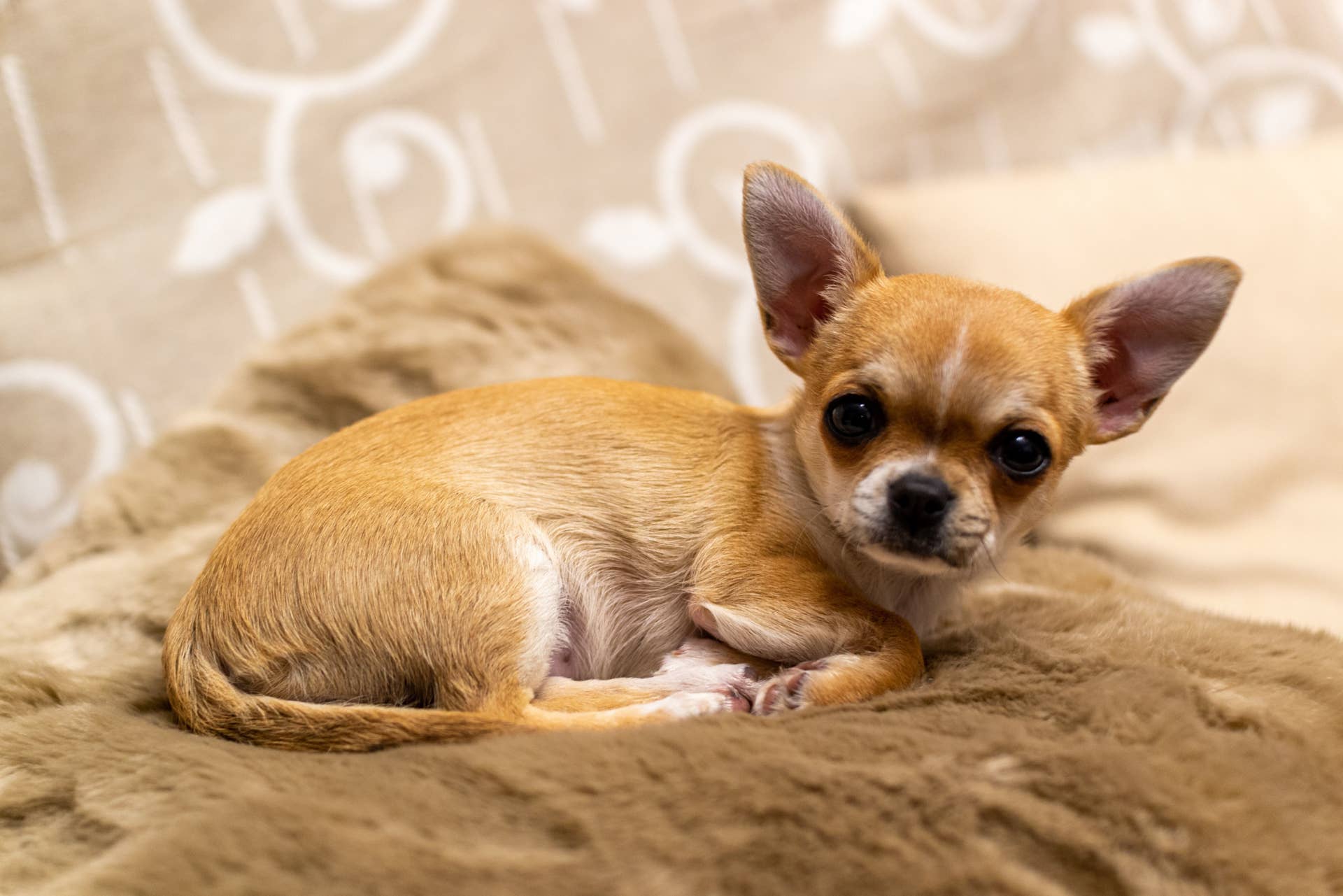
Chihuahuas enjoy socializing but prefer calm and gentle interactions. They can be shy with strangers but warm up with patience. These dogs thrive on positive attention and playtime. They communicate well with body language and vocal sounds. Socializing helps them stay happy and well-behaved.
Credit: pethelpful.com
Common Behavior Traits
Chihuahuas have unique behavior traits. These traits make them special and easy to recognize. Understanding these behaviors helps owners care for their pets better. This section covers common traits you will see in most Chihuahuas.
Energy Levels And Activity
Chihuahuas are small but full of energy. They enjoy short play sessions and quick walks. Their energy can surprise many people. They often run around the house or yard. Despite their size, they need daily activity to stay happy. Too little exercise can make them restless or grumpy.
Vocal Tendencies And Barking
Chihuahuas are known for their loud barking. They use barking to alert their owners about strangers or noises. This breed can be quite vocal even without clear reasons. Early training helps control excessive barking. Quiet moments are common, but expect bursts of sound. Their bark is sharper than many larger dogs.
Protectiveness And Territoriality
Chihuahuas often show strong protectiveness. They guard their space and people closely. This trait makes them good watchdogs despite their small size. They may act wary or aggressive toward strangers. Territorial behavior is common, especially around home and family. Socializing them early reduces over-protectiveness and fear.
Training Tips
Training a Chihuahua requires patience and consistency. These small dogs have big personalities. Training helps build good habits and strengthens your bond. Use gentle methods and clear commands. Focus on making training fun and rewarding.
Early Socialization
Start socializing your Chihuahua early. Introduce them to people and other pets slowly. This helps reduce fear and aggression. New experiences build confidence and calm behavior. Early socialization makes your dog friendlier and more relaxed.
Positive Reinforcement
Use treats and praise to reward good behavior. This encourages your Chihuahua to repeat it. Avoid harsh punishments or yelling. Positive reinforcement creates trust and motivates learning. Keep training sessions short and fun to hold attention.
Managing Stubbornness
Chihuahuas can be stubborn and independent. Stay patient and consistent with commands. Repeat training regularly to reinforce lessons. Use firm but kind tones to show leadership. Break tasks into small steps for easier learning.
Behavioral Challenges
Chihuahuas are small but full of spirit. Their behavior can be charming yet challenging. Some traits need special care and attention. Understanding these behaviors helps build a better bond with your dog.
Behavioral challenges in Chihuahuas often stem from their strong emotions. They can be protective and sensitive. These traits sometimes lead to problems that owners must manage carefully.
Separation Anxiety
Chihuahuas often form deep attachments to their owners. Leaving them alone may cause stress and worry. They may bark, whine, or even destroy items around the house. This behavior shows their fear of being abandoned. Training and comfort can reduce this anxiety. Consistent routines help them feel safe and calm.
Aggression Signs
Though small, Chihuahuas can show aggression. Growling, snapping, or biting are common signs. This behavior may come from fear or protectiveness. Sometimes, they feel threatened by strangers or other animals. Early socialization and gentle discipline can control aggression. Recognizing these signs early prevents bigger problems.
Fear And Shyness
Many Chihuahuas are naturally shy or fearful. Loud noises, new places, or strangers may scare them. Fear can cause hiding or trembling. Shy dogs need patience and gentle encouragement. Gradual exposure to new experiences builds their confidence. Calm environments help them feel more secure.
Adapting To Family Life
Chihuahuas are small dogs with big personalities. They adjust well to family life but need care and attention. Their behavior changes as they grow used to their new home. Understanding their needs helps create a happy environment for everyone.
Compatibility With Children
Chihuahuas can be gentle with children. They prefer calm and quiet kids. Rough play can scare or hurt these small dogs. Teaching kids to be gentle builds a strong bond. Small children may need supervision around a Chihuahua.
Interaction With Other Pets
Chihuahuas often get along with other pets. They like playing but can be protective. Early introductions help pets accept each other. Watch their behavior during first meetings. Positive experiences create peaceful home life.
Creating A Safe Environment
Safety is key for Chihuahuas in family homes. Their small size makes them fragile. Avoid high places where they can fall. Provide a quiet space for rest and comfort. Keep harmful items out of reach to prevent accidents.

Credit: pethelpful.com
Health And Behavior Link
The health of a Chihuahua affects its behavior deeply. When a Chihuahua feels good physically, it acts happy and active. Poor health can cause changes in mood and habits. Understanding this link helps owners care better for their pets.
Impact Of Physical Health
Chihuahuas with good health show bright eyes and a lively spirit. Pain or illness may make them quiet or restless. Problems like dental issues or joint pain can change their behavior. Early health checks keep them comfortable and calm.
Signs Of Stress Or Discomfort
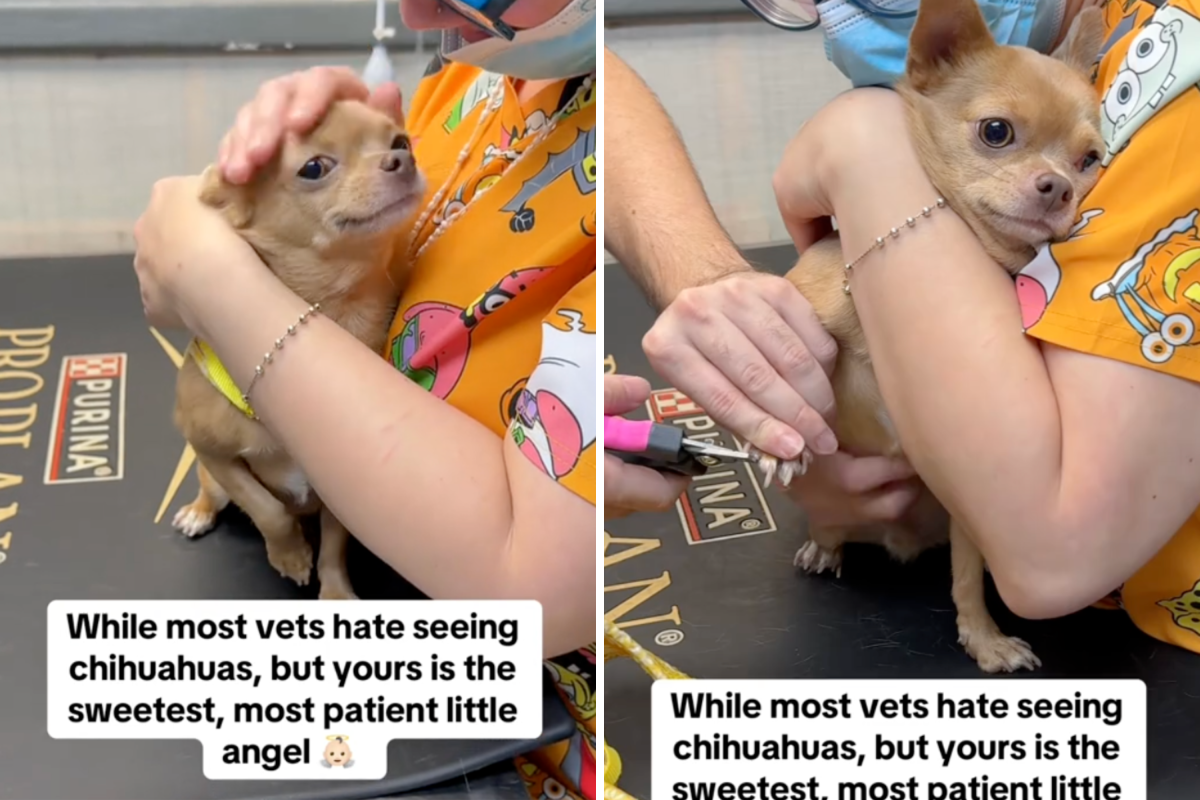
Watch for trembling, whining, or hiding as signs of stress. Loss of appetite or sudden aggression may mean discomfort. These signs tell you something is wrong inside. Quick attention to these signals prevents bigger health problems.
Regular Exercise And Mental Stimulation
Exercise keeps a Chihuahua’s body strong and mind sharp. Short walks and playtime reduce anxiety and boost mood. Mental games stop boredom and bad habits from forming. A healthy routine helps a Chihuahua behave well every day.
Credit: www.newsweek.com
Frequently Asked Questions
What Are Common Chihuahua Dog Behaviors?
Chihuahuas are alert, lively, and loyal dogs. They often bark at strangers and enjoy close human companionship. They can be protective despite their small size and may show stubbornness during training.
Why Do Chihuahuas Bark So Much?
Chihuahuas bark to alert their owners of perceived threats. Their small size makes them feel vulnerable, leading to frequent vocalizations. Proper socialization helps reduce excessive barking.
How Do Chihuahuas Behave With Strangers?
Chihuahuas can be wary or shy around strangers. Early socialization helps them become more confident and friendly. They may initially bark but usually warm up with time.
Are Chihuahuas Good With Children?
Chihuahuas can be good with gentle children who respect their size. They may not tolerate rough handling, so supervision is essential. Teaching kids to be gentle improves their bond.
Conclusion
Chihuahua dogs have unique and lively behaviors to explore. They can be loyal, alert, and sometimes a bit stubborn. Understanding their habits helps build a strong bond. Patience and gentle training work best with these small dogs. Remember, every Chihuahua is different and special.
Enjoy their energy and loving nature every day. Caring for a Chihuahua brings joy and companionship. Keep learning about their needs for a happy pet life.