
Have you ever watched your dog stiffen, growl, or snap when another dog gets too close? Aggressive dog-to-dog behavior can be scary and confusing.
You want your dog to be friendly and calm, but sometimes things just don’t go as planned. Understanding why your dog acts this way is the first step to stopping it. This article will help you recognize the signs, learn what triggers aggression, and discover simple ways to bring peace back to your walks and playdates.
Keep reading—your dog’s happiness and safety depend on it.
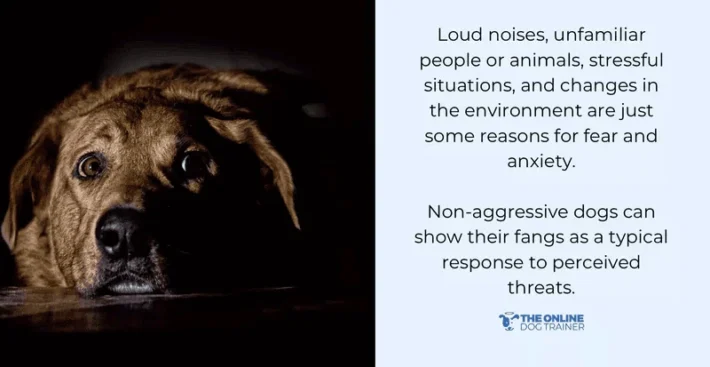
Credit: theonlinedogtrainer.com
Causes Of Dog To Dog Aggression
Dog to dog aggression happens for many reasons. Understanding these causes helps manage and reduce fights. Dogs show aggression due to nature, experience, or environment. Knowing the root helps owners keep dogs safe and calm.
Genetic Factors
Some dogs inherit traits that make them more aggressive. Breeds bred for guarding or fighting may show higher aggression. Genetics can influence how a dog reacts to others. Not all dogs in these breeds are aggressive, but genetics play a role.
Lack Of Socialization
Dogs that do not meet other dogs often may fear them. Poor socialization in puppyhood causes confusion and fear. Dogs learn how to act with others by meeting friends early. Without this, dogs may grow aggressive or shy around other dogs.
Fear And Anxiety
Fear makes dogs act defensively. An anxious dog may growl or bite first. Fear of bigger or unknown dogs triggers aggression. Dogs protect themselves by acting tough when scared. Calm training can help reduce this fear.
Territorial Instincts
Dogs guard their space and family strongly. They see other dogs as threats in their area. Territory can be home, yard, or a favorite spot. This cause leads to barking, chasing, and fighting. Understanding this helps control aggressive behavior.
Resource Guarding
Dogs protect things they value, like food or toys. They may growl or snap to keep others away. This behavior is common but can cause fights. Teaching dogs to share can lessen guarding problems.
Past Trauma Or Abuse
Dogs with bad past experiences may distrust others. Abuse or neglect can make dogs aggressive toward dogs. These dogs need gentle care and patience. Healing helps them feel safe and less aggressive.

Credit: sidneyaarons.com.au
Recognizing Aggressive Behavior
Recognizing aggressive behavior in dogs is key to preventing fights. Dogs show clear signs before they become aggressive. Understanding these signs helps keep both dogs safe. Watch carefully for changes in behavior during dog interactions. These signals often come from the dog’s body and sounds.
Body Language Cues
Dogs use their bodies to express feelings. Stiff legs and raised hackles often show tension. Tail position changes can mean different things. A tail held high may signal confidence or challenge. A low or tucked tail usually means fear or submission. Watch the ears; pinned back ears can show discomfort or anger.
Vocalizations And Growls
Growls warn others to stay away. It is a clear sign of discomfort or threat. Barking loudly and sharply may also show aggression. Some dogs snarl, showing their teeth to warn others. Pay attention to the tone and length of sounds. Quiet growls can be more serious than loud barks.
Posture And Eye Contact
A dog that stands tall and stiff may be ready to fight. Direct eye contact can be a challenge or threat. Some dogs stare without blinking to intimidate. Avoidance of eye contact may signal fear or submission. Dogs might lean forward to show dominance. Watch for sudden changes in posture during play or meeting.
Signs Of Escalation
Escalation happens when the warning signs are ignored. Snapping or lunging usually follows tense body language. The dog may bite or try to pin the other dog down. Growling turns into barking and snapping. Quick movements and raised fur show rising aggression. Early intervention can stop escalation before harm.
Distinguishing Play From Aggression
Play often looks rough but has key differences. Play bows invite others to join in fun. Dogs take turns chasing and being chased. Mouths open wide without hard bites in play. Aggressive bites are hard and cause pain. Watch for relaxed bodies and wagging tails in play. If dogs seem stiff and tense, it may not be play.
Preventing Dog To Dog Aggression
Preventing dog to dog aggression helps keep pets safe and happy. Aggression between dogs can cause injuries and stress. Taking steps early can reduce the risk of fights. Understanding how to manage dog behavior supports peaceful interactions.
Early Socialization Techniques
Start socializing puppies young. Introduce them to different dogs in safe places. Let them experience new sights and sounds. Positive early meetings build good habits. Socialization teaches dogs how to play nicely.
Controlled Introductions
Introduce dogs slowly and calmly. Use leashes to keep control. Choose neutral locations like parks or open spaces. Watch body language closely for signs of stress. Allow dogs to approach at their own pace.
Supervised Interactions
Always watch dogs when they meet. Never leave new friends alone at first. Step in if play becomes too rough. Supervision helps prevent fights before they start. It also lets dogs learn limits safely.
Managing Triggers
Identify what causes aggression. Common triggers include toys, food, or space. Remove or control these triggers during meetings. Teach dogs to remain calm in these situations. Avoid forcing dogs to share items they guard.
Proper Exercise And Mental Stimulation
Give dogs plenty of physical activity. Tired dogs are less likely to act out. Mental games keep their minds busy and calm. Exercise reduces stress and unwanted energy. Healthy dogs behave better around others.

Credit: www.usadogbehavior.com
Training Strategies To Reduce Aggression
Training is key to managing aggressive dog-to-dog behavior. It helps your dog feel safe and behave calmly around others. Many strategies work well to reduce aggression. These methods build trust and improve communication between you and your dog.
Positive Reinforcement Methods
Reward your dog for calm and friendly behavior. Use treats, praise, or toys to encourage good actions. Avoid punishing aggressive behavior. Focus on rewarding what you want to see more often. This helps your dog learn the right way to act.
Desensitization And Counterconditioning
Expose your dog to other dogs slowly and safely. Start from a distance where your dog feels calm. Gradually decrease the space between dogs over time. Pair these encounters with treats or fun activities. This changes your dog’s feelings about other dogs from fear or anger to calmness.
Leash Training And Control
Keep your dog on a leash during walks and meetings. Use a strong, comfortable leash for better control. Teach your dog to walk without pulling. Practice stopping or changing direction if your dog shows signs of aggression. Leash control prevents fights and keeps everyone safe.
Professional Behavior Modification
Work with a certified dog trainer or behaviorist. Professionals can identify the cause of aggression. They create a personalized plan for your dog’s needs. Guidance from experts ensures safe and effective training. It also helps you learn how to support your dog best.
Consistency And Patience
Train your dog every day with the same rules. Consistency helps dogs understand what is expected. Be patient and calm during training sessions. Change takes time and effort. Stay positive and keep practicing to see steady progress.
When To Seek Professional Help
Aggressive behavior between dogs can be dangerous. Knowing when to seek professional help is crucial. Early action can prevent harm to your dog and others. Professional guidance helps manage and reduce aggression safely.
Identifying Serious Aggression
Serious aggression shows through repeated, intense attacks or threats. Growling or snapping is common, but biting is more severe. Watch for stiff body posture and direct eye contact. If your dog hurts others or does not calm down, the aggression is serious. Serious aggression needs expert evaluation and action.
Choosing A Qualified Trainer Or Behaviorist
Pick a trainer or behaviorist with experience in aggressive dogs. Look for certifications from recognized organizations. Ask about their approach to dog aggression and success stories. Avoid trainers who use harsh punishment. A good professional uses positive and safe methods to change behavior.
Veterinary Consultation
Veterinarians can find health issues causing aggression. Pain or illness may make a dog more aggressive. A vet check helps rule out physical causes. Share your dog’s behavior history with the vet. The vet may suggest tests or treatments to help.
Using Medication Safely
Medication can help calm aggressive dogs in some cases. Only give medicine prescribed by a vet. Do not use drugs without professional advice. Medication works best with training and behavior changes. Monitor your dog closely for side effects during treatment.
Safety Tips For Owners
Dealing with aggressive dog to dog behavior is tough for any owner. Safety must be the top priority. Knowing how to protect yourself, your dog, and others reduces risks. Use smart strategies and tools to keep control and calm.
Avoiding Risky Situations
Prevent encounters that might cause fights. Keep dogs on a leash in public areas. Watch body language closely. Separate dogs that show signs of tension or fear. Avoid places with many unfamiliar dogs. Choose quiet times for walks or play.
Using Muzzles And Safety Gear
Muzzles can stop bites during walks or vet visits. Pick a comfortable muzzle that fits well. Use harnesses for better control instead of collars. Safety gear helps protect both dogs and people. Always introduce gear slowly to avoid stress.
Emergency Response Plans
Have a clear plan if a fight starts. Stay calm and avoid shouting. Use loud noises or water to break up fights safely. Never try to grab dogs by the collar. Keep first aid supplies ready for injuries. Know the nearest vet or emergency clinic.
Educating Family Members
Teach everyone in the home about dog safety. Show how to read dog signals and signs of aggression. Explain why some dogs need space. Stress the importance of not disturbing dogs during eating or resting. Clear rules help keep the whole family safe.
Frequently Asked Questions
What Causes Aggressive Dog To Dog Behavior?
Aggressive behavior often stems from fear, territorial instincts, or poor socialization. Dogs may react aggressively to protect themselves or their space. Past trauma or lack of training can also contribute to aggression towards other dogs.
How Can I Prevent My Dog From Being Aggressive?
Early socialization and consistent training are key to prevention. Introduce your dog to other dogs calmly and gradually. Use positive reinforcement and avoid punishment. Regular exercise and mental stimulation also reduce aggressive tendencies.
When Should I Seek Professional Help For Dog Aggression?
Seek help if your dog shows frequent or severe aggression. Professional trainers or behaviorists can assess and create a tailored plan. Early intervention improves outcomes and ensures safety for your dog and others.
Can Aggressive Dog Behavior Be Corrected?
Yes, with patience and proper techniques, aggressive behavior can improve. Behavior modification, training, and socialization are essential. Consistency and professional guidance increase the chances of successful behavior change.
Conclusion
Aggressive dog to dog behavior needs careful attention and action. Understanding why dogs act this way helps prevent fights. Training and socializing dogs early can reduce aggression. Always watch your dogs closely during playtime. Seek help from a professional trainer if needed.
Keeping dogs calm and safe protects both pets and people. Patience and consistency make a big difference in behavior. Aggression is not fixed; it can improve with effort. Your dog can learn to get along with others. Stay calm and positive while managing your dog’s behavior.


