

Have you ever wondered if your dog could use a litter box just like a cat? If you’re tired of constant outdoor trips or messy accidents around the house, training your dog to use a litter box might be the solution you didn’t know you needed.
It sounds unusual, but it’s possible—and it could make your life a lot easier. Keep reading to discover how you can teach your furry friend this clever trick and what it takes to make it work smoothly in your home.
Dog Litter Box Basics
Training a dog to use a litter box is possible with patience and the right tools. Understanding the basics helps make the process smooth. Dogs need a proper setup to feel comfortable using a litter box. This section covers the essentials you must know before training your dog.
Choosing The Right Litter Box
Pick a litter box that fits your dog’s size. Small dogs need smaller boxes, while larger dogs need bigger ones. The box should have low sides for easy access. Make sure it is sturdy and easy to clean. Some boxes come with covers to reduce odor and mess.
Suitable Litter Materials
Use litter that is safe and comfortable for dogs. Avoid clumping cat litter as it can harm dogs if swallowed. Paper-based or wood pellet litters work well. These types absorb moisture and control odor. Keep the litter fresh by changing it regularly.
Setting Up The Area
Place the litter box in a quiet, low-traffic spot. Dogs like privacy when they go potty. Avoid noisy or busy areas in your home. Keep the box away from your dog’s food and water bowls. Clean the area often to encourage use and maintain hygiene.
Training Steps
Training your dog to use a litter box takes patience and clear steps. This guide covers the basics to help your dog learn quickly. Follow these steps carefully for the best results.
Introducing The Litter Box
Place the litter box in a quiet, easy-to-access spot. Let your dog explore it without pressure. Use a familiar scent or a small amount of dog urine on the litter. This helps your dog recognize the box as a bathroom place.
Encouraging Use
Watch for signs your dog needs to go. Gently guide them to the litter box at these times. Praise and reward your dog after they use the box correctly. Avoid punishment to keep training positive and stress-free.
Establishing A Routine
Create a consistent schedule for bathroom breaks. Take your dog to the litter box after meals and naps. Consistency helps your dog understand when and where to go. Stick to the routine until your dog feels confident.
Common Challenges
Training a dog to use a litter box can be a helpful solution, but it comes with challenges. Understanding these common problems helps in managing expectations and improving training success. Patience and consistency are key to overcoming obstacles.
Avoiding Accidents
Accidents happen during training. Dogs may not always find the litter box in time. Place the box in a quiet, easy-to-reach spot. Clean accidents quickly to avoid smells that attract repeat offenses. Reward your dog when it uses the box correctly. This encourages good habits.
Dealing With Resistance
Some dogs resist using a litter box. New habits can feel strange to them. Use positive reinforcement, like treats and praise. Avoid punishment, which causes fear and confusion. Be patient as your dog learns this new behavior. Gradual steps help reduce resistance.
Managing Multiple Pets
Multiple pets add complexity to litter box training. Each dog has unique needs and habits. Provide enough litter boxes for all dogs. This prevents competition and stress. Monitor interactions to ensure all pets feel safe. Consistent routines help maintain order and cleanliness.

Credit: www.reddit.com
Expert Tips
Training a dog to use a litter box takes patience and the right approach. Expert tips can make this process smoother. Focus on clear steps and consistent routines. Dogs learn best with positive support and a clean space. Recognizing when to ask for help can save time and stress.
Positive Reinforcement Techniques
Reward your dog with treats and praise after using the litter box. This helps your dog connect good behavior with rewards. Use a calm voice and gentle petting to encourage your dog. Avoid punishment as it can cause fear and confusion. Keep training sessions short and fun to hold your dog’s attention.
Cleaning And Maintenance
Keep the litter box clean to avoid odors and mess. Scoop waste daily and wash the box weekly with mild soap. Place the litter box in a quiet, low-traffic area. Use litter designed for dogs to absorb urine and control smell. A clean box invites your dog to use it regularly.
When To Seek Professional Help
Consult a vet if your dog shows signs of illness or discomfort. A trainer can assist if your dog resists litter box training. Professionals provide tailored advice for your dog’s needs. Early help can prevent bad habits from forming. Don’t wait too long to get support if training stalls.
Benefits Of Litter Box Training
Training a dog to use a litter box brings many benefits. It makes life easier for both you and your pet. You can keep your home cleaner and more organized. It also helps your dog stay healthy and comfortable indoors. This method works well for dogs of all sizes and ages.
Indoor Convenience
Using a litter box means your dog can relieve itself inside. This is helpful during bad weather or at night. You do not need to rush outside for bathroom breaks. It saves time and effort, especially in busy households. Your dog learns a clear place for toileting, reducing accidents.
Hygiene And Odor Control
Litter boxes help keep your home clean and fresh. They contain urine and waste in one spot. Special litter absorbs moisture and controls smell well. Cleaning the box regularly keeps germs away. This reduces the risk of illness for your family and pet.
Suitability For Small Or Elderly Dogs
Small or old dogs may find it hard to go outside often. Litter boxes offer a safe and easy option. They reduce stress for dogs with limited mobility. Your dog stays comfortable without long walks. This training supports their health and well-being indoors.

Credit: www.amazon.com
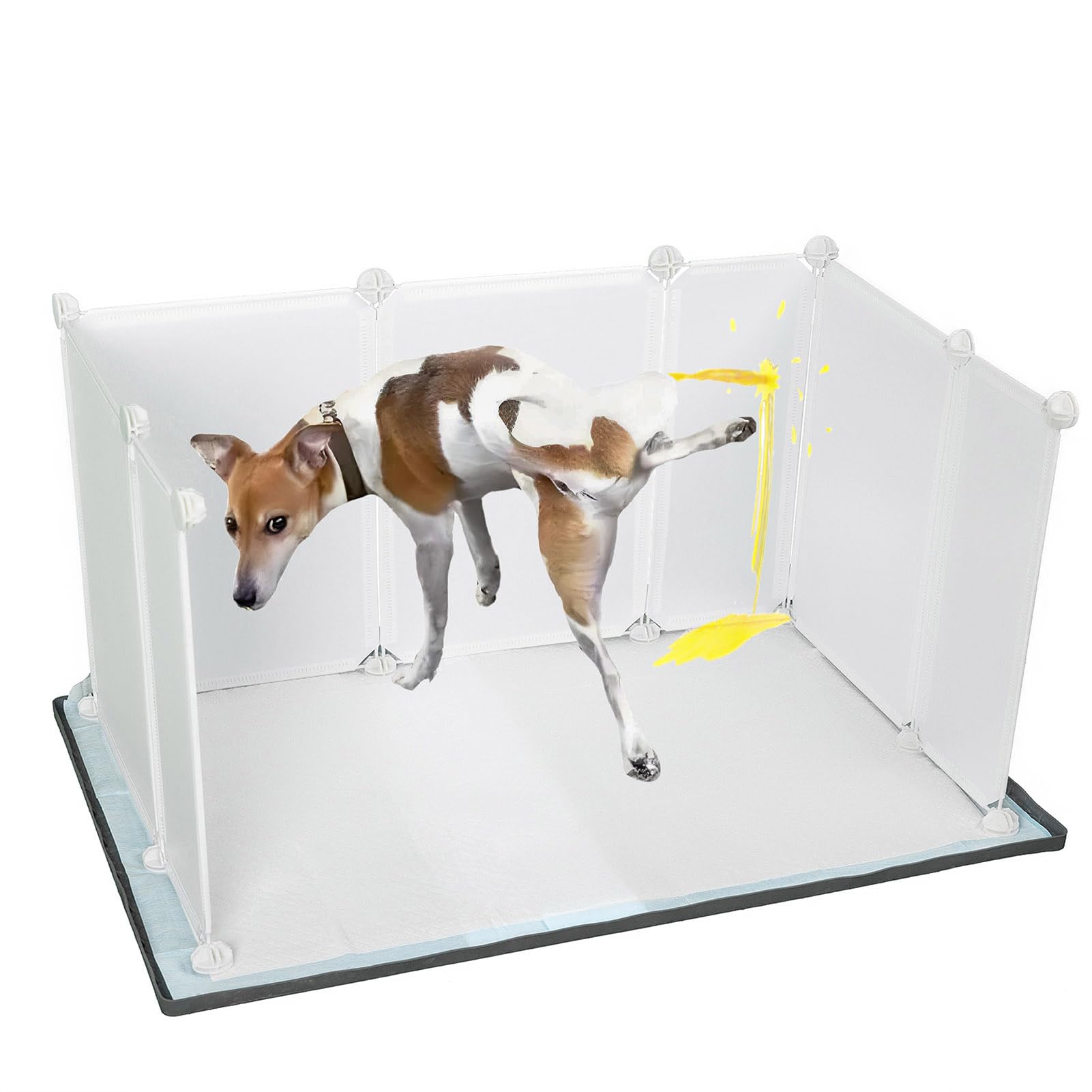
Credit: www.amazon.com
Frequently Asked Questions
Can All Dog Breeds Use A Litter Box?
Most small to medium dog breeds can be trained to use a litter box. Larger breeds may find it challenging due to size. Success depends on the dog’s temperament, training consistency, and the litter box design.
How Long Does It Take To Train A Dog To Use A Litter Box?
Training duration varies by dog but generally takes 2 to 4 weeks. Consistent positive reinforcement and patience speed up the process. Puppies may take longer than adult dogs to adapt.
What Are The Best Litter Box Types For Dogs?
Large, sturdy litter boxes with low entry points work best for dogs. Consider boxes designed specifically for dogs or DIY trays with washable pads. The box should be easy to clean and odor-resistant.
Can Indoor Dog Litter Boxes Prevent House Accidents?
Yes, litter boxes provide a designated potty spot, reducing indoor accidents. Proper training and regular cleaning improve effectiveness. However, it should complement rather than replace outdoor walks for exercise.
Conclusion
Training a dog to use a litter box takes time and patience. Not every dog will learn quickly, but many can adapt. Start with small steps and reward good behavior. Keep the litter box clean and in a quiet spot.
Stay consistent and calm during training sessions. Dogs enjoy routines, so make it part of their daily life. Remember, success comes from steady practice and care. Training a dog this way can make life easier for you both. Give it a try, and see how your dog responds.


