

Have you ever wanted your dog to greet you with a cute paw shake? Teaching your dog to paw is not only adorable but also a great way to build trust and strengthen your bond.
Imagine the joy of showing off your clever pup’s new trick to friends and family. This guide will walk you through simple, effective steps to train your dog to paw, even if you’re a beginner. Ready to see your dog’s paws in action?
Let’s get started!
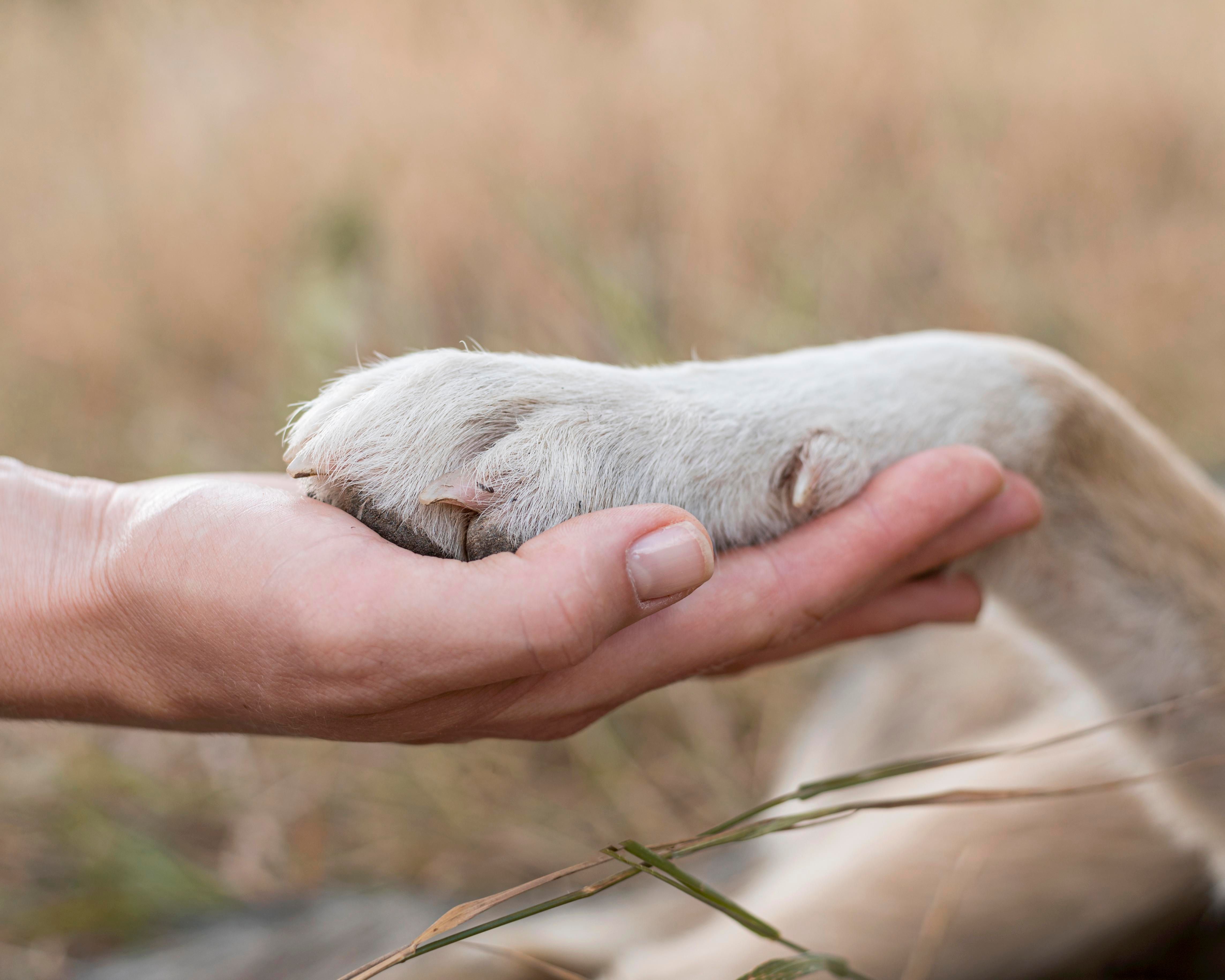
Credit: www.woofz.com
Why Teach The Paw Trick
Teaching your dog to give a paw is more than a fun trick. It helps build a strong bond between you and your pet. This simple gesture encourages good behavior and makes training sessions enjoyable. Dogs love to learn new things, and paw training is an easy way to start.
Benefits For You And Your Dog
Teaching the paw trick brings many benefits. It improves your dog’s focus and patience. Your dog learns to listen and follow commands better. For you, it creates a chance to spend quality time with your dog. This trick also works as a good icebreaker with friends and family. It shows how smart and well-behaved your dog can be.
Building Trust And Communication
The paw trick helps build trust between you and your dog. Your dog learns to understand your cues and feels safe. Training this trick improves your communication skills. Your dog responds better to your voice and gestures. This trust makes other training easier and strengthens your relationship.
Essential Tools And Preparation
Training a dog to give a paw requires some basic tools and good preparation. These help your dog focus and learn faster. Gathering the right items and setting the right space makes training easier for both of you.
Prepare everything before you start. This keeps the session smooth and fun. Your dog will feel more comfortable and ready to learn new tricks.
Choosing The Right Treats
Pick small, tasty treats your dog loves. Treats should be soft and easy to chew. Break bigger treats into tiny pieces. This way, your dog stays motivated without getting full too fast.
Use treats that your dog does not get often. Special treats make training more exciting. Keep treats ready and within reach during training.
Creating A Distraction-free Environment
Choose a quiet place for training. Less noise helps your dog focus better. Turn off TVs, radios, and other distractions. Keep other pets or people away during training time.
Train in the same spot at first. This helps your dog understand what to expect. A calm environment speeds up learning and keeps your dog calm.
Step-by-step Training Process
Training your dog to give a paw is a fun and simple trick. It builds trust and improves communication. Follow this step-by-step process to teach your dog easily. Patience and consistency are key. Keep training sessions short and positive.
Getting Your Dog’s Attention
Find a quiet place to start training. Make sure your dog is calm and focused. Use a treat or toy to catch their interest. Hold the treat close to your dog’s nose. Let them smell but not take it yet. This helps your dog pay attention to you.
Encouraging Paw Movement
Hold your dog’s paw gently with your hand. Say a simple word like “paw” or “shake.” If your dog lifts their paw, even a little, praise them. Repeat this several times. Gradually, your dog will learn to lift their paw on command.
Using Commands Effectively
Say the command clearly before asking for the paw. Use the same word every time. Keep your tone calm and friendly. Wait for your dog to respond. Avoid repeating the command too many times. Give your dog time to understand.
Rewarding And Praising
Give your dog a treat right after they lift their paw. Use kind words like “good job” or “well done.” Pet your dog gently to show affection. Rewards help your dog link the action with positive feelings. Always end training on a happy note.
Credit: www.dogkindtraining.com
Common Challenges And Fixes
Training a dog to give its paw can be fun but also tricky. Many owners face some common problems. These challenges can slow progress or cause frustration. Knowing how to fix these issues helps keep training smooth and enjoyable. Patience and small changes make a big difference.
Dealing With Disinterest
Some dogs show little interest in training sessions. They might ignore your commands or walk away. Try using high-value treats your dog loves. Keep training sessions short to hold their attention. Use a calm voice and gentle encouragement. Stop if your dog seems bored and try again later.
Handling Overexcitement
Excited dogs may jump or bark during training. This behavior can distract and confuse them. Stay calm and lower your voice. Ask for a sit or stay before trying the paw command. Reward only when your dog is calm. This helps them learn better control.
Adjusting To Different Dog Personalities
Each dog learns in its own way. Some are fast learners, others need more time. Observe your dog’s mood and energy before training. Use toys or treats that suit their personality. Be flexible with your methods. Adjust speed and style to fit your dog’s needs.
Advanced Tips For Mastery
Training your dog to paw is fun and rewarding. Advanced tips help deepen your dog’s skills. These tips improve communication and make the trick more reliable. Training becomes smoother and more enjoyable for both of you.
Adding Verbal And Hand Signals
Start by pairing the paw command with a clear word. Use a simple word like “paw” or “shake.” Next, add a hand signal. This can be an open palm or a gentle tap on your knee. Practice saying the word and showing the signal together. Dogs learn faster with both signals combined. It helps them understand what you want without confusion.
Practicing In Various Settings
Train your dog in different places. Try inside the house, the yard, or at the park. New environments teach your dog to focus despite distractions. Keep training sessions short and positive. Change locations often to build your dog’s confidence. Your dog will perform the paw trick anywhere with practice.
Combining With Other Tricks
Use the paw trick alongside other commands. For example, ask for “sit” then “paw.” This builds your dog’s listening skills. Mix paw with tricks like “roll over” or “stay.” It makes training more fun and challenging. Combining tricks helps your dog think and respond better.

Credit: smart.dhgate.com
Frequently Asked Questions
How Long Does It Take To Train A Dog To Paw?
Training a dog to paw typically takes 1 to 2 weeks. Consistent daily practice of 5-10 minutes helps dogs learn quickly. Patience and positive reinforcement improve training success.
What Is The Best Treat For Paw Training?
Small, soft treats work best for paw training. They are easy to chew and keep your dog’s attention. Choose treats your dog loves for effective motivation.
Can All Dog Breeds Learn To Paw On Command?
Yes, nearly all dog breeds can learn to paw. Some breeds may learn faster, but patience and consistency help every dog succeed. Training is about practice, not breed.
How Do I Start Teaching My Dog To Paw?
Begin by asking your dog to sit calmly. Hold a treat in your hand and encourage them to touch your palm with their paw. Reward immediately when they do.
Conclusion
Training a dog to paw builds trust and fun between you both. Be patient and keep sessions short. Reward good behavior with treats or praise. Practice daily to help your dog learn faster. Remember, every dog learns at its own pace.
Enjoy the process and celebrate small wins. Teaching paws can also improve your dog’s focus. This simple trick strengthens your bond and brings joy. Keep training light and positive for best results. Your dog will love showing off this new skill.


