

You want the best for your puppy, and feeding is a big part of that. But when your furry friend reaches four months old, you might wonder: Can my 4 month old puppy eat adult dog food?
Choosing the right food now can affect your puppy’s growth, health, and energy. Keep reading to discover why what you feed your puppy matters, and how to make the best choice for your loyal companion. Your puppy’s future starts with the food you give today.
Puppy Nutritional Needs
Puppies have special nutritional needs. Their bodies grow fast and require more energy. Feeding a puppy the right food helps build strong bones and muscles. It also supports brain development and good health. Adult dog food may not meet these needs. Understanding what puppies need is important for their growth and well-being.
Growth Requirements
Puppies grow quickly, especially in the first year. Their bodies need more calories than adult dogs. These calories help with weight gain and energy. Protein is very important for muscle and tissue growth. Puppies also need more fat for energy and brain development. The right balance of nutrients supports healthy growth and prevents problems later.
Essential Nutrients For Puppies
Protein, fat, vitamins, and minerals must be in puppy food. Protein helps build muscles and repair tissues. Fat provides energy and helps absorb vitamins. Calcium and phosphorus strengthen bones and teeth. Vitamins like A, D, and E support immunity and vision. Puppy food has the right amounts of these nutrients. Adult dog food may lack what growing puppies need.
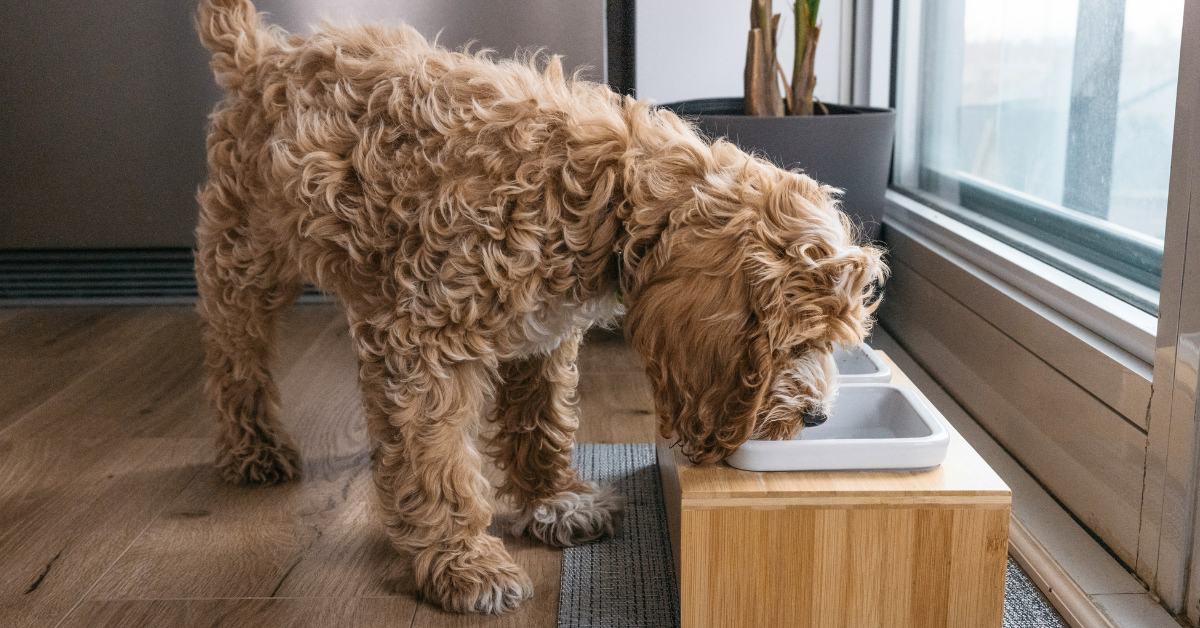
Credit: www.acanapetfoods.co.uk
Differences Between Puppy And Adult Food
Puppy food and adult dog food are made differently to meet unique needs. Puppies grow fast and need more energy and nutrients. Adult dogs need food that keeps them healthy without extra calories. Understanding these differences helps you choose the right food for your 4-month-old puppy.
Calorie Content
Puppy food has more calories than adult dog food. Growing puppies burn a lot of energy. They need extra calories to build muscles and bones. Adult dogs need fewer calories to maintain their weight. Feeding adult food to puppies can slow their growth.
Protein And Fat Levels
Puppy food contains higher protein and fat. Protein helps build strong muscles and tissues. Fat provides energy and supports brain development. Adult dog food has less protein and fat to avoid weight gain. Puppies require more nutrients for healthy growth.
Vitamin And Mineral Balance
Puppy food has extra vitamins and minerals. Calcium and phosphorus support bone growth. Vitamins A and D help immune health and vision. Adult dog food has balanced nutrients for maintenance. Puppies need this special balance for proper development.
Risks Of Feeding Adult Food To Puppies
Feeding adult dog food to a 4-month-old puppy can cause several problems. Puppies need special nutrition to grow strong and healthy. Adult food does not meet these needs well. This section explains the risks of feeding adult food to puppies.
Nutritional Deficiencies
Puppies need more protein, fat, and calories than adult dogs. Adult food has fewer nutrients for growth. Lack of these nutrients can slow puppy development. It may also weaken their immune system. This makes puppies more prone to sickness.
Digestive Issues
Puppies have sensitive stomachs. Adult food is harder to digest for them. It can cause upset stomach, diarrhea, or constipation. These digestive problems lead to discomfort and dehydration. Puppies need food that is gentle on their stomach.
Growth Problems
Proper growth depends on correct nutrition. Adult food can cause bones and muscles to grow poorly. It may lead to weak joints or poor muscle development. Feeding the wrong food can cause long-term health issues. Puppies need food designed for their growth stage.
When Can Puppies Transition To Adult Food
Puppies need special food to grow strong and healthy. Their bodies use nutrients differently than adult dogs. Knowing the right time to change their food keeps them safe and well-fed. This change should happen carefully to avoid stomach problems or poor growth.
Age Guidelines
Puppies usually switch to adult food between 9 and 12 months old. Small breeds may change earlier, around 9 months. Large breeds take longer, often after 12 months. The timing depends on how fast they grow and mature. Feeding adult food too soon may not meet their nutrient needs.
Weight And Breed Considerations
Breed size affects food transition time. Small dogs mature faster and need adult food earlier. Large dogs grow slower and need puppy food longer. Watch your puppy’s weight and body shape. A vet’s advice helps decide the right moment to switch food.
Tips For Switching Dog Food
Switching your puppy from puppy food to adult dog food needs care. Sudden changes can upset your dog’s stomach. Follow easy steps to make the change smooth. Watch your puppy closely during this time.
Gradual Transition Process
Start by mixing a small amount of adult food with puppy food. Increase the adult food slowly over 7 to 10 days. This helps your puppy adjust to the new taste and texture. Keep the old food in the mix until your puppy eats only adult food.
Monitoring Health During Switch
Check your puppy’s stool daily for any changes. Look for diarrhea or constipation as signs of trouble. Notice if your puppy is eating less or seems tired. Contact your vet if you see any health problems. Keeping an eye on your puppy ensures a healthy switch.

Credit: www.reddit.com
Expert Recommendations
Experts share key advice on feeding your 4-month-old puppy. Choosing the right food supports growth and health. Puppies have special nutritional needs that differ from adult dogs. Feeding adult food too soon can cause problems. Below are important tips from professionals.
Veterinarian Advice
Veterinarians recommend feeding puppy-formulated food until at least 12 months old. Puppy food contains extra protein and calories for growth. Adult food lacks these nutrients. Switching too early may lead to poor development or illness. Regular check-ups help track your puppy’s health and diet needs. Always ask your vet before changing foods.
Choosing The Right Food
Select food made specifically for puppies of your dog’s size. Small breeds need different nutrition than large breeds. Check labels for key ingredients like DHA and calcium. These support brain and bone growth. Avoid adult dog food until your puppy grows older. Balanced nutrition helps your puppy grow strong and happy.
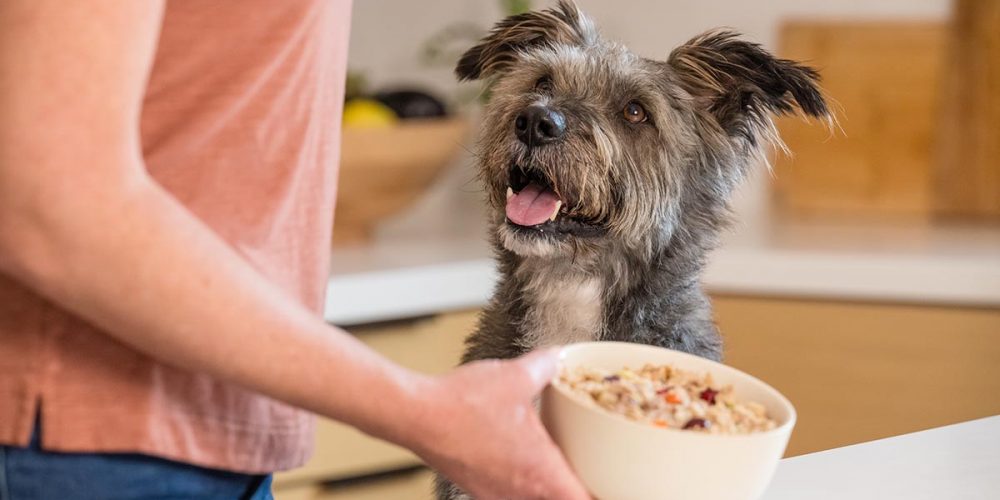
Credit: blog.justfoodfordogs.com
Frequently Asked Questions
Can A 4-month-old Puppy Eat Adult Dog Food Safely?
While adult dog food is not toxic, it lacks essential nutrients for puppies. Puppies need higher protein and fat for growth. Feeding adult food regularly can lead to nutritional deficiencies and slower development. It’s best to use puppy-specific food until they reach about one year old.
What Happens If A Puppy Eats Adult Dog Food?
If a puppy eats adult dog food occasionally, it’s usually fine. However, regular feeding can cause poor growth and health issues due to inadequate nutrient levels. Puppies need food formulated for their energy and developmental needs to thrive and build strong bones and muscles.
When Should I Transition My Puppy To Adult Dog Food?
Most puppies transition to adult dog food between 9 and 12 months. Large breeds may need longer, up to 18 months. Transition gradually over 7-10 days to avoid digestive upset. Consult your vet for the best timing based on your puppy’s breed and health.
Can Adult Dog Food Cause Digestive Issues In Puppies?
Yes, adult dog food can cause digestive upset in puppies. It often lacks the right balance of nutrients and fiber puppies need. This mismatch can lead to diarrhea, constipation, or stomach discomfort. Always feed age-appropriate food to support healthy digestion.
Conclusion
Feeding a 4-month-old puppy adult dog food is not ideal. Puppies need special nutrients to grow strong and healthy. Adult dog food lacks these essential nutrients. It may cause health problems or slow growth. Stick to puppy food until your dog reaches one year old.
This helps support their development and energy needs. Always check with your vet before changing food. Healthy eating now means a happy, strong dog later. Keep your puppy’s diet balanced and age-appropriate for best results. Simple choices make a big difference.


