

You want the best for your puppy, and that includes feeding them the right food. But what happens if your puppy eats adult dog food?
Will it hurt them? You might be worried about their health and growth, and that’s completely natural. Understanding the difference between puppy and adult dog food can help you make the best choices for your furry friend. Keep reading to find out what really happens when a puppy eats adult dog food and how to keep your pup happy and healthy.
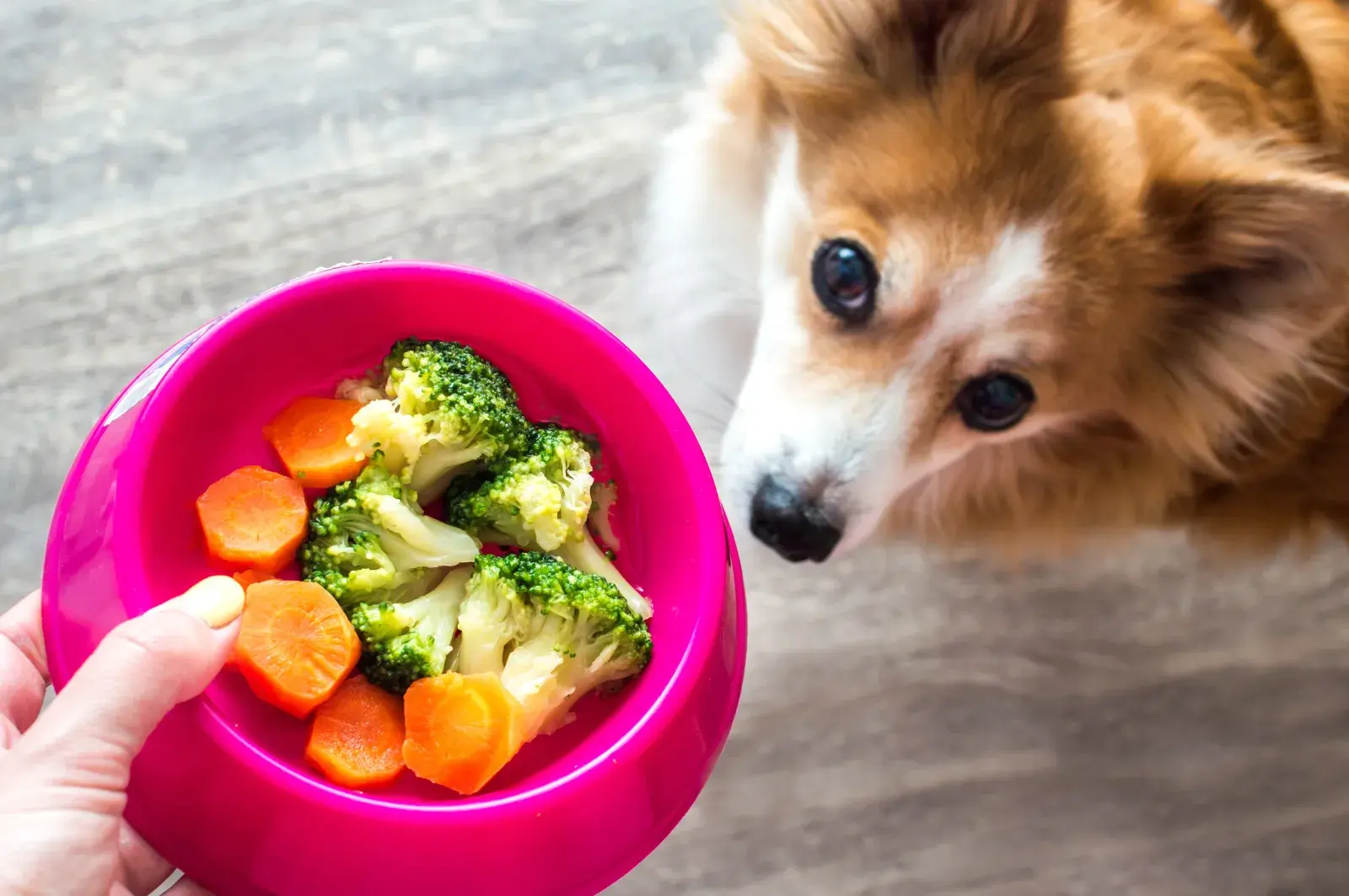
Credit: www.newsweek.com
Differences Between Puppy And Adult Dog Food
Understanding the differences between puppy and adult dog food is important. Puppies have unique needs that adult dogs do not share. Feeding the wrong food can affect their growth and health.
Puppy food is specially designed to support rapid growth. Adult dog food focuses on maintenance and slower metabolism. These differences help ensure your dog stays healthy at every life stage.
Nutritional Needs Of Puppies
Puppies need more nutrients to grow strong bones and muscles. They require higher amounts of calcium and phosphorus. These help build healthy teeth and bones. Puppies also need vitamins and minerals for their immune system. Their growing bodies burn energy fast, so they need more nutrients than adults.
Ingredients In Adult Dog Food
Adult dog food contains ingredients that support stable energy levels. It has more fiber to help digestion and keep weight steady. The protein sources are balanced but not as high as in puppy food. Adult formulas often include ingredients to support joint health. These foods help adult dogs stay active without gaining extra weight.
Calorie And Protein Levels
Puppy food has higher calories to fuel fast growth. It also contains more protein to build muscle and repair tissues. Adult dog food has fewer calories to prevent weight gain. Protein levels are moderate to maintain muscle mass. Feeding adult food to puppies may not meet their energy needs. This can slow their growth or cause nutrient gaps.
Potential Risks Of Feeding Puppies Adult Food
Feeding puppies adult dog food can cause several problems. Puppies have special needs that adult food does not meet. Their bodies are still growing and need more nutrients. Using adult food might seem easier, but it can lead to risks that affect their health.
Digestive Issues
Puppies’ stomachs are sensitive. Adult dog food has different ingredients and fiber levels. This can upset their stomach and cause diarrhea or constipation. Their digestion is not ready for the heavier adult food. Feeding adult food can lead to vomiting and stomach pain.
Growth And Development Concerns
Puppies need more protein, fat, and calories than adult dogs. Adult food often lacks these nutrients. This shortage can slow down their growth. Bones and muscles might not develop well. Puppies may become weaker or smaller than healthy pups.
Long-term Health Effects
Long-term feeding of adult food can cause lasting problems. Nutrient gaps may lead to weak bones and joint issues. Puppies might face immune system problems or poor coat health. These effects can last into adulthood and reduce their quality of life.
When Adult Dog Food Might Be Safe
Adult dog food is usually not ideal for puppies. Puppies need special nutrients for growth. Still, there are some cases where adult dog food might be safe. Understanding these cases helps keep your puppy healthy.
Short-term Feeding Scenarios
Sometimes, adult dog food can be given for a short time. For example, if puppy food is not available. A few meals of adult food will not harm most puppies. Watch for any signs of upset stomach or diarrhea. Switch back to puppy food as soon as possible.
Also, during travel or emergencies, adult food is better than no food. Keep the feeding period short to avoid nutrient gaps. Always provide fresh water alongside any dog food.
Special Diets And Veterinarian Advice
Some puppies may need special diets prescribed by vets. Certain health conditions require adult dog food or prescription formulas. Follow the vet’s instructions closely in these cases. They balance the puppy’s health needs carefully.
Never change your puppy’s food without consulting a vet first. A vet can guide you on the right type and amount of food. This ensures your puppy grows strong and stays healthy.
Signs Of Dietary Problems In Puppies
Puppies need special food for healthy growth. Eating adult dog food can cause problems. Watch for signs that your puppy may not be digesting the food well. These signs help you act fast to protect your puppy’s health.
Behavioral Changes
Puppies may act differently if their diet is wrong. They might seem tired or less playful. Some puppies become irritable or hide more than usual. Loss of appetite is a common sign too. Pay attention to any sudden mood changes.
Physical Symptoms To Watch For
Physical signs often show problems with diet. Diarrhea or vomiting can indicate trouble. Look for a dull coat or dry skin. Weight loss or slow growth also signals issues. Check for bloating or stomach pain. These symptoms need quick action to avoid harm.
Tips For Transitioning Puppy Food
Changing your puppy’s food requires care and patience. Sudden switches can upset their tummy. Puppies have sensitive digestion. Gradual changes help them adjust well.
Choosing the right food is also key. The right puppy food supports growth and health. Not all foods are made equal. Focus on quality and nutrients.
Gradual Food Changes
Start by mixing a small amount of new food with the old. Increase new food slowly over 7 to 10 days. Watch for any signs of upset stomach. Diarrhea or vomiting means slow the change. Keep the feeding schedule consistent. This helps your puppy adapt easily.
Choosing The Right Puppy Food
Select food made for puppies, not adults. Puppy food has more protein and fat. These nutrients support energy and growth. Check for quality ingredients and avoid fillers. Consult your vet for the best choice. The right food keeps your puppy strong and happy.
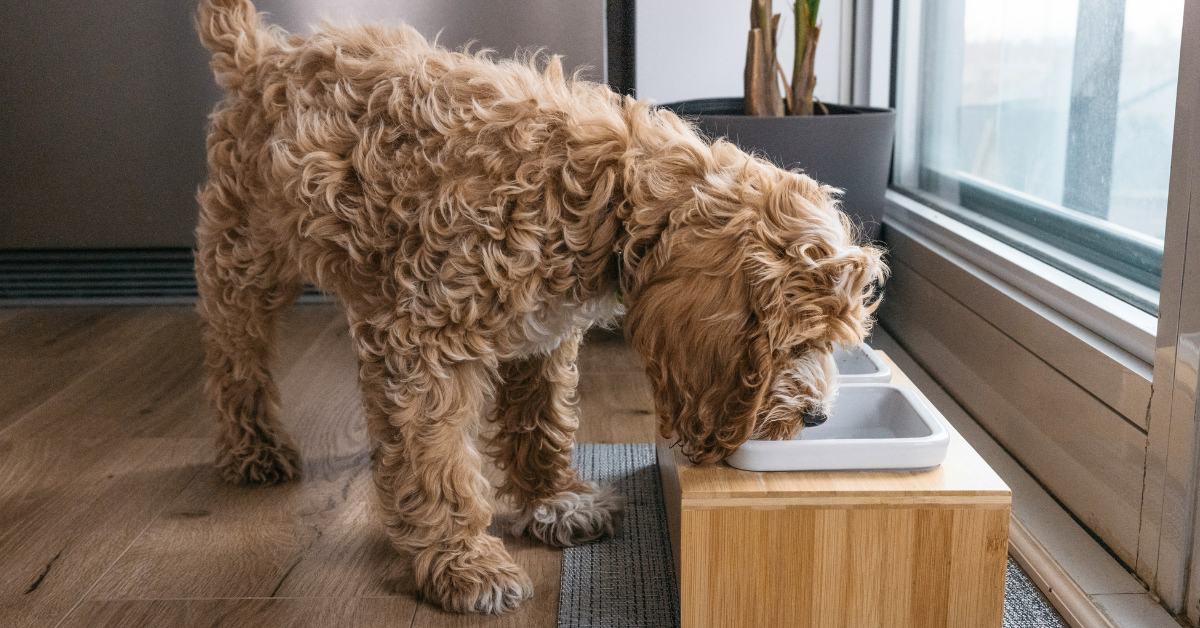
Credit: www.acanapetfoods.co.uk
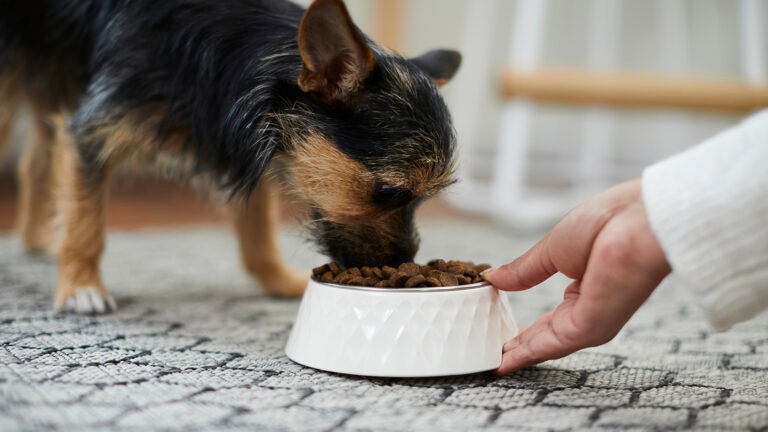
Credit: www.chewy.com
Frequently Asked Questions
Can Puppies Eat Adult Dog Food Safely?
Puppies can eat adult dog food but it lacks essential nutrients. It may cause growth and development issues. Puppy food is specially formulated for their needs. Use adult food only for short periods or emergencies.
What Happens If Puppies Eat Adult Dog Food?
Eating adult dog food regularly can lead to nutritional deficiencies in puppies. They may experience slower growth and weaker immune systems. Adult food contains less protein and fat, which are vital for puppies’ health. Always choose age-appropriate food for best results.
When Should Puppies Switch To Adult Dog Food?
Puppies should switch to adult dog food around 12 months old. Larger breeds may transition later, around 18-24 months. Consult your vet to determine the best time based on breed and health. Proper timing ensures balanced nutrition and healthy development.
Is Adult Dog Food Harmful To Puppy Digestion?
Adult dog food can upset a puppy’s digestion due to higher fiber and different nutrient levels. Puppies may suffer from diarrhea or stomach discomfort. Gradually transition to adult food to avoid digestive issues. Always monitor your puppy’s reaction during feeding changes.
Conclusion
Puppies need food made just for them to grow strong. Adult dog food lacks some nutrients puppies require. Feeding adult food sometimes won’t cause harm, but regular use can. Watch your puppy’s health and ask a vet if unsure. Good nutrition helps puppies stay healthy and happy.
Choose puppy food for the best start in life. Keep your puppy’s diet right and enjoy their growth. Simple care makes a big difference in their health.


