

Are you wondering if feeding your adult dog puppy food could be harmful? It’s a common question many dog owners face.
You want the best for your furry friend, but confusing labels and advice can make choosing the right food overwhelming. What if the food meant for puppies ends up hurting your adult dog? Keep reading to discover the truth behind puppy food for adult dogs, so you can make the safest choice for your pet’s health and happiness.
Credit: www.consumerreports.org
Differences Between Puppy And Adult Dog Food
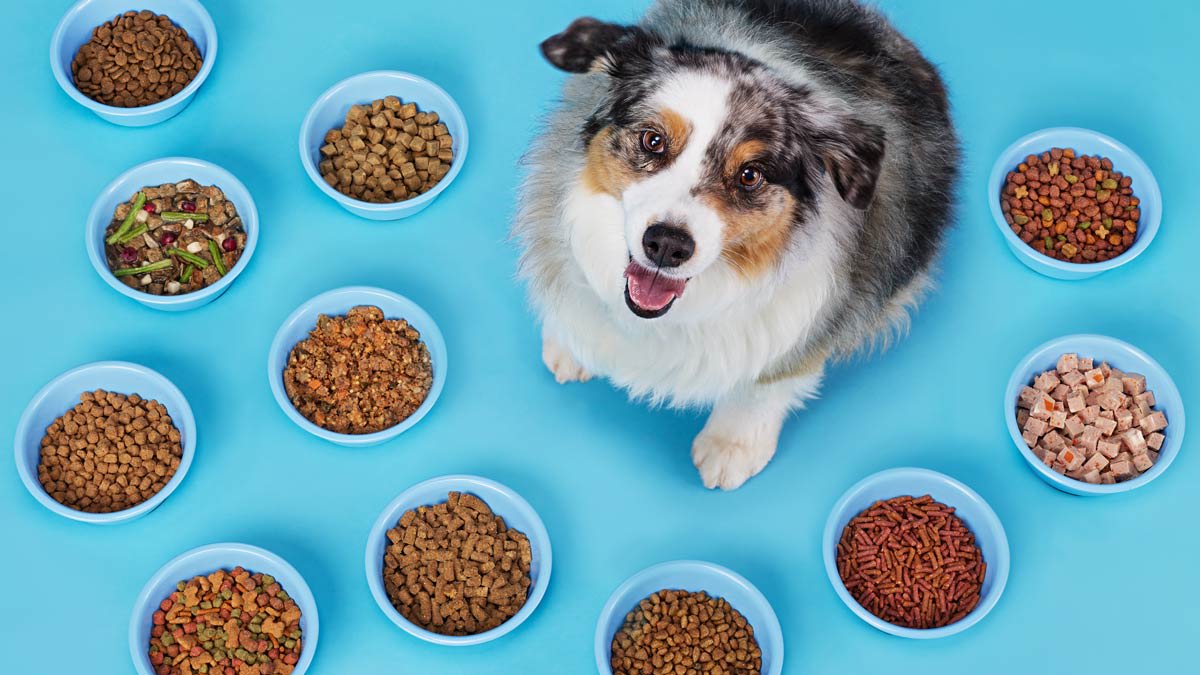
Puppy and adult dog foods are made for different life stages. Each type supports your dog’s health in a unique way. Puppies grow fast and need more nutrients for their developing bodies. Adult dogs need balanced nutrition to maintain health and energy.
Feeding the right food helps avoid health problems. Understanding these differences keeps your dog strong and happy. Here is what sets puppy food apart from adult dog food.
Nutritional Needs By Age
Puppies need nutrients that support bone growth and brain development. They require more vitamins and minerals than adult dogs. Adult dogs need nutrients for maintenance, not growth. Their food focuses on keeping muscles and organs healthy.
Calorie Content And Impact
Puppy food has more calories to fuel rapid growth and play. Adult dog food has fewer calories to prevent weight gain. Too many calories can cause obesity in adult dogs. Too few calories can slow puppy growth.
Protein And Fat Levels
Puppy food contains higher protein and fat for energy and muscle building. Adult dog food has moderate protein and fat to support daily activity. Excess protein or fat in adult dog food may cause health issues. Low levels in puppy food slow development.
Credit: www.nytimes.com
Potential Risks Of Feeding Puppy Food To Adult Dogs
Feeding puppy food to adult dogs can cause several health problems. Puppy food has more calories and nutrients meant for growing dogs. Adult dogs do not need this extra nutrition. This mismatch may lead to unwanted effects on their health.
Understanding these risks helps you keep your dog healthy and happy. Below are some key issues that can arise from feeding puppy food to adult dogs.
Weight Gain And Obesity
Puppy food contains higher calories and fat. Adult dogs eating this food may gain weight quickly. Excess weight strains their joints and heart. Obesity can lead to serious health problems. Controlling calorie intake is important for adult dogs.
Digestive Issues
Adult dogs have different digestive needs than puppies. Puppy food may cause stomach upset or diarrhea. Some dogs might have trouble digesting the rich nutrients. Digestive discomfort can affect their mood and energy. Feeding the right food supports good digestion.
Long-term Health Effects
Continuous feeding of puppy food may harm adult dogs over time. Too many nutrients can cause kidney or liver stress. Imbalanced diets affect overall health and lifespan. Proper food supports healthy aging in dogs. Choosing the right diet is essential for long-term wellness.
When Puppy Food Might Be Safe For Adults
Puppy food is made with extra nutrients for growing dogs. Adult dogs usually need less rich food. But sometimes, puppy food can be safe for adult dogs. This depends on the dog’s health and life stage. Understanding when it is safe helps avoid health problems.
Senior Dogs With Special Needs
Older dogs may need more calories and nutrients. Some senior dogs lose weight and muscle. Puppy food can help keep their strength. It provides extra vitamins and protein. Always watch how your senior dog reacts to the food.
Recovery From Illness Or Surgery
Adult dogs recovering from surgery or illness need more nutrition. Puppy food supports healing by giving extra energy. It can help dogs regain weight and strength faster. Feeding puppy food for a short time can be beneficial.
Consulting Your Veterinarian
Your vet knows your dog’s health best. Ask before changing your dog’s diet. A vet can recommend if puppy food suits your adult dog. They can guide the right amount and duration. Follow vet advice to keep your dog healthy.
Signs Your Adult Dog Is Struggling With Puppy Food
Feeding puppy food to an adult dog can cause problems. Adult dogs need a different balance of nutrients than puppies. Puppy food has extra calories and nutrients for growth. This can be too much for adult dogs. Watch your dog closely after changing food. Some signs show your dog may not be doing well with puppy food.
Behavioral Changes
Your dog may act differently if the food is wrong. They might seem more tired than usual. Some dogs become restless or anxious. Loss of interest in play or walks can happen. Changes in eating habits are common. They may eat less or refuse food.
Physical Symptoms
Look for changes in your dog’s body. Weight gain can happen quickly. Puffy or swollen belly may appear. Skin problems like itching or redness might show up. Your dog could have loose stools or diarrhea. Vomiting is another sign to watch.
Monitoring Your Dog’s Health
Check your dog’s weight weekly. Note any changes in behavior or mood. Keep an eye on their stool and appetite. Regular vet visits help catch problems early. Write down any symptoms to share with the vet. Early action can prevent serious health issues.
Alternatives To Puppy Food For Adult Dogs
Puppy food is rich in calories and nutrients to support growth. Feeding it to adult dogs regularly may cause weight gain or nutrient imbalance. Adults need food that fits their slower metabolism and different health needs. Several alternatives exist to ensure your dog stays healthy and happy without puppy food.
Choosing The Right Adult Dog Food
Select adult dog food that matches your dog’s size and breed. Look for balanced nutrition with protein, fats, and vitamins. Avoid foods with excessive fillers or artificial additives. Quality adult dog food supports energy levels and maintains a healthy weight.
Homemade Diet Options
Preparing homemade meals allows control over ingredients and portions. Use lean meats, vegetables, and grains suitable for dogs. Consult a vet to ensure the diet meets all nutritional needs. Homemade diets can be fresh and tasty for adult dogs.
Supplements And Additives
Supplements may fill nutritional gaps in your dog’s diet. Common ones include omega-3 fatty acids, glucosamine, and probiotics. Always check with a vet before adding supplements. Proper use supports joint health, digestion, and coat condition.
Tips For Transitioning Between Dog Foods
Changing your dog’s food needs care and attention. Sudden changes can upset their stomach. Follow these tips for a smooth switch. This helps keep your dog healthy and happy during the change.
Gradual Food Changes
Start by mixing a small amount of new food with the old. Slowly increase the new food over 7 to 10 days. This helps your dog’s stomach adjust. Avoid switching all at once to prevent digestive problems.
Observing Your Dog’s Reaction
Watch for changes in appetite, energy, and bathroom habits. Soft stools or diarrhea may mean the food change is too fast. If your dog refuses the new food, try mixing in more old food for a while. Always check for allergies or sensitivities.
Avoiding Common Mistakes
Don’t rush the transition. Avoid feeding treats or other foods that confuse the process. Skip sudden changes back and forth between foods. Keep water fresh and available at all times. This supports digestion and overall health.
Credit: www.petmd.com
Frequently Asked Questions
Can Adult Dogs Eat Puppy Food Safely?
Adult dogs can eat puppy food occasionally, but it’s not ideal long-term. Puppy food has extra calories and nutrients for growth, which may cause weight gain and health issues in adults.
What Happens If Adult Dogs Eat Puppy Food Daily?
Feeding puppy food daily to adult dogs can lead to obesity and digestive problems. The high fat and protein content may stress their organs over time.
Is Puppy Food Nutritionally Balanced For Adult Dogs?
Puppy food is formulated for growth, not maintenance. It lacks the right balance of nutrients adult dogs need, making it unsuitable as a regular diet for them.
How To Transition From Puppy To Adult Dog Food?
Gradually mix adult food with puppy food over 7-10 days. This helps avoid digestive upset and allows your dog to adjust to new nutrients smoothly.
Conclusion
Feeding puppy food to an adult dog is generally not deadly. Yet, it might cause health problems over time. Adult dogs need balanced nutrition for their age and size. Puppy food has extra calories and nutrients meant for growth. Too much can lead to weight gain or digestive upset.
Always choose food that fits your dog’s current life stage. Regular vet check-ups help catch any diet issues early. Careful feeding keeps your dog happy and healthy for years. Simple choices make a big difference in your dog’s life.


