

You’ve welcomed a new puppy into your home, and you want to give them the best care possible. One big question on your mind is probably: when should you start feeding your puppy adult dog food?
Making this switch at the right time can impact your dog’s health, growth, and happiness. If you get it wrong, you might risk nutritional problems or upset your puppy’s tummy. Keep reading to find out exactly when and how to make this important transition smoothly for your furry friend.

Credit: www.lur.cat
Puppy Growth Stages
Puppy growth happens in clear stages. Each stage shapes their body and mind. Knowing these stages helps decide when to feed adult dog food. Feeding the right food supports healthy growth and energy. Understanding these phases ensures your puppy gets the best nutrition.
Neonatal To Weaning Phase
This phase lasts from birth to about 8 weeks. Puppies rely on their mother’s milk. It gives all needed nutrients and antibodies. Around 3 to 4 weeks, they start tasting soft food. This transition helps their digestive system adjust. They still need gentle, high-quality food during this time.
Juvenile Development
From 8 weeks to 6 months, puppies grow fast. Their bones and muscles get stronger. Energy needs increase because they are active. Puppy food stays important now. It has extra protein and fat. This supports muscle growth and brain development. Feeding adult food too early can cause problems.
Adolescence Milestones
Between 6 months and 12 months, puppies become teens. Growth slows but they stay energetic. Teeth finish growing, and adult teeth appear. Many dogs reach 80% of their adult size. This stage signals the time to switch food. Begin mixing adult food gradually to avoid upset stomachs.
Credit: www.petmd.com
Nutritional Needs Shift
The nutritional needs of a puppy change as it grows. Puppies require more energy and nutrients for their rapid growth. Adult dogs need a balanced diet to maintain their health and activity. Knowing when to switch food helps keep your dog healthy and strong.
Puppy Vs Adult Food Differences
Puppy food has extra calories for growth. It contains more protein and fat than adult food. Adult food has fewer calories to prevent weight gain. The ingredients in puppy food support bone and muscle development. Adult food focuses on maintaining a healthy weight and energy level.
Key Nutrients For Growing Dogs
Calcium and phosphorus help build strong bones. Protein supports muscle growth and repair. DHA, an omega-3 fatty acid, aids brain development. Puppies need higher amounts of these nutrients. Adult dogs require balanced nutrients to stay healthy, not to grow.
Impact On Health And Energy
Feeding the right food keeps your dog active. Puppy food provides energy for play and learning. Adult food helps avoid obesity and related diseases. Switching too early can cause nutrient deficiencies. Switching too late may lead to excess weight and health issues.
Signs To Switch
Knowing when to switch your puppy to adult dog food is important. Puppies grow fast and their nutritional needs change. Watching for signs helps you decide the right time to change their diet. These signs come in different forms. Some are about their body, some about their behavior, and others depend on their breed. Recognizing these signs keeps your dog healthy and happy.
Physical Indicators
Your puppy’s body shows clear signs when it is ready for adult food. Watch for a slowing in growth. Puppies usually stop growing quickly around six to twelve months. Their teeth also change from baby to adult teeth. If your puppy’s coat looks dull or their weight drops, their food might need to change. These signs mean their body needs different nutrients.
Behavioral Changes
Changes in your puppy’s behavior can signal it is time for adult food. Less energy or tiredness can mean their puppy food is not enough. Sometimes, puppies may eat less or seem less interested in food. This might show their diet needs to match their adult stage. Notice if your puppy plays less or sleeps more. These changes point to a need for a food switch.
Breed-specific Timing
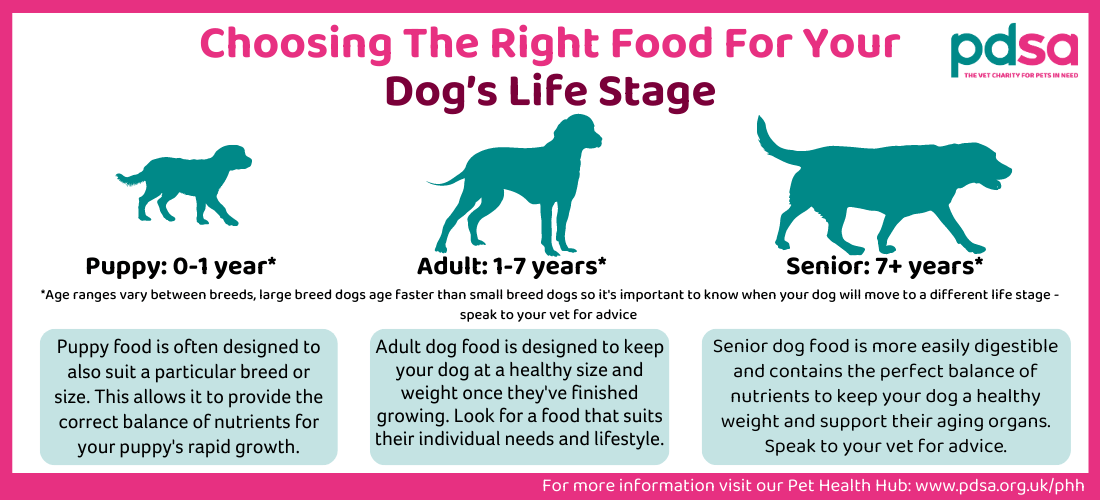
Different breeds grow at different speeds. Small breeds mature faster and need adult food earlier. Large breeds take longer and need puppy food for a longer time. For example, small dogs may switch food around nine months. Large dogs might need puppy food until they are 12 to 18 months old. Knowing your breed helps you pick the right time to switch.
Transition Tips
Changing your puppy’s food to adult dog food needs care and attention. This switch affects their health and digestion. Follow clear steps to make the change smooth and safe. Here are some tips to help your puppy adjust well to the new diet.
Gradual Food Mixing
Start by mixing a small amount of adult food with puppy food. Slowly increase the adult food over 7 to 10 days. This helps your puppy’s stomach adjust without stress. Sudden changes can cause upset stomach or refusal to eat.
Monitoring Digestive Response
Watch for signs like diarrhea, vomiting, or gas. These may mean the new food is too much too soon. Keep track of your puppy’s energy and stool quality. Healthy digestion means the transition is working well.
Avoiding Common Mistakes
Do not switch foods immediately. Avoid feeding both types in large amounts at once. Skip giving treats that differ from the new diet. Stay consistent to prevent confusion and digestive problems.
Veterinarian Advice
Veterinarian advice plays a key role in deciding the right time to switch your puppy to adult dog food. Each puppy grows at a different rate. A vet can guide you based on your puppy’s breed, size, and health. Their advice ensures your puppy gets the right nutrition for healthy growth.
When To Seek Professional Guidance
Consult your vet before changing your puppy’s diet. Sudden changes can upset their stomach. A vet can tell you the best age to start adult food. Some breeds mature faster and need adult food sooner. Others take longer. Your vet’s advice avoids guessing and keeps your puppy safe.
Customizing Feeding Plans
Vets create feeding plans that fit your puppy’s needs. They consider weight, activity, and health. A plan includes the right food type and portion size. This helps your puppy grow strong without gaining too much weight. Personalized plans work better than general feeding guidelines.
Health Check Importance
Regular health checks help track your puppy’s growth. Vets look for signs of nutritional problems. They check teeth, bones, and energy levels. Health checks can catch issues early. Your vet adjusts feeding plans based on these checks. This keeps your puppy healthy as they grow.
Credit: www.pdsa.org.uk
Frequently Asked Questions
When Should I Switch My Puppy To Adult Dog Food?
Switch your puppy to adult dog food around 12 months old. Large breeds may need more time, up to 18 months. This ensures proper nutrition for growth and adult maintenance. Consult your vet for breed-specific advice.
Why Is Timing Important For Feeding Adult Dog Food?
Timing affects your puppy’s growth and health. Feeding adult food too early can cause nutrient imbalances. Too late may lead to obesity or developmental issues. Correct timing supports a smooth dietary transition and optimal health.
How Can I Tell My Puppy Is Ready For Adult Food?
Look for signs like slowed growth and increased maturity. Your puppy’s breed and size also guide readiness. Consult your vet to confirm the best time. Gradual transition over 7-10 days helps avoid digestive upset.
Can Feeding Adult Dog Food Too Early Harm My Puppy?
Yes, early feeding can harm puppies. Adult food lacks essential nutrients for growth. It may lead to joint problems or poor development. Always follow age and breed guidelines for safe feeding.
Conclusion
Feeding your puppy adult dog food at the right time is important. Most dogs switch between 9 to 12 months old. Watch your puppy’s size and energy levels closely. Changing food too soon or too late can cause problems. Always choose a high-quality adult dog food for good health.
Ask your vet if you are unsure about the switch. A smooth change helps your dog grow strong and happy. Keep your puppy’s needs in mind for the best care.


