

Are you wondering if you can feed your dog adult food right now? It’s a common question many pet owners ask.
You want to make sure your furry friend gets the right nutrition without risking their health. Feeding your dog the wrong type of food can lead to problems you don’t want to face. You’ll discover what happens when you feed adult food to dogs of different ages, and how to choose the best option for your pet’s well-being.
Keep reading to learn what’s best for your dog’s diet and how to keep them happy and healthy.
When To Switch To Adult Dog Food
Switching your puppy to adult dog food is an important step in their growth. Puppy food is rich in nutrients for rapid development. Adult food has a different balance to keep your dog healthy after growing. Knowing the right time to switch helps avoid health issues.
Signs Your Puppy Is Ready
Your puppy shows clear signs when ready for adult food. Teeth are fully grown and strong. Their growth rate slows down noticeably. Energy levels become more steady than hyperactive bursts. They start eating less often but more at each meal. Weight gain slows to a steady pace. These signs mean it’s time to try adult dog food.
Age Guidelines By Breed Size
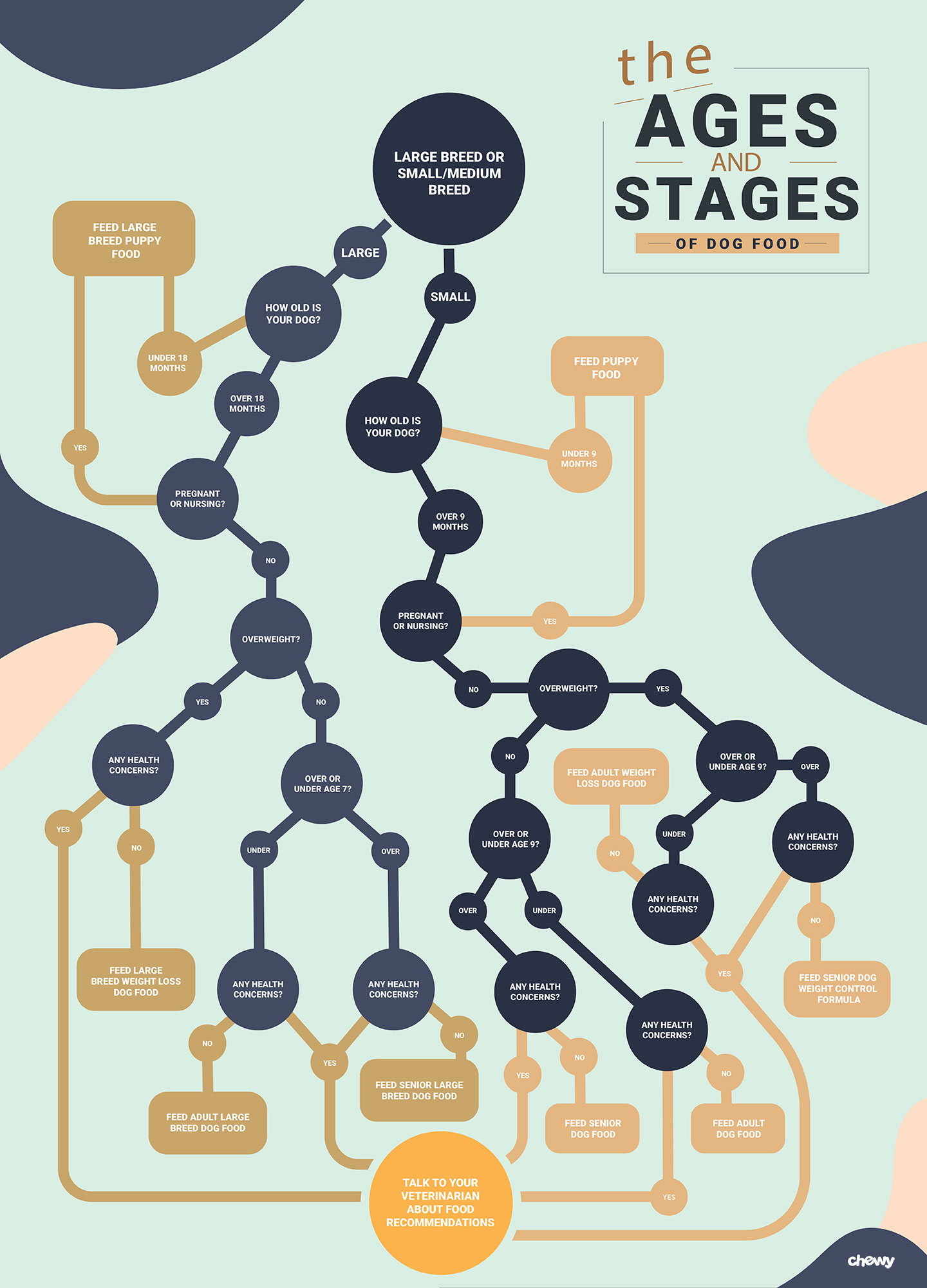
Different breeds grow at different speeds. Small breeds reach adulthood faster than large breeds. Small dogs usually switch at 9 to 12 months. Medium breeds switch around 12 months old. Large and giant breeds may need puppy food until 18 to 24 months. Following breed size helps choose the right timing. This prevents health problems linked to early or late switching.
Credit: www.raisedrightpets.com
Key Nutritional Differences
Understanding the key nutritional differences between puppy food and adult dog food is important. Dogs need different nutrients as they grow. Feeding the right food helps keep your dog healthy and active.
Puppy Food Vs Adult Food
Puppy food contains more calories. Puppies need extra energy to grow fast. It also has higher protein to build muscles and tissues. Puppy food is rich in fat to support brain development.
Adult dog food has fewer calories. Adult dogs need less energy than puppies. It focuses on maintaining a healthy weight. The protein level is balanced for muscle maintenance, not growth.
Essential Nutrients For Adult Dogs
Adult dogs need nutrients to keep their bodies working well. Protein supports muscle health and repair. Fats provide energy and support skin and coat.
Fiber helps with digestion and keeps the stomach healthy. Vitamins and minerals strengthen the immune system. Calcium and phosphorus maintain strong bones.
Adult dog food is designed with these nutrients in the right amounts. Feeding puppy food to an adult dog may cause weight gain or health issues.
Choosing The Right Adult Dog Food
Choosing the right adult dog food is important for your pet’s health. Adult dogs need food that gives them energy and helps keep their body strong. The type of food depends on your dog’s size, age, and activity level. Good food supports healthy skin, shiny coat, and strong muscles.
It is important to pick food that fits your dog’s needs. Quality ingredients and proper nutrients matter most. You want food that is easy to digest and helps your dog stay active. Knowing what to look for makes feeding easier and better.
Types Of Adult Dog Food
Dry kibble is popular and easy to store. It helps keep your dog’s teeth clean. Wet food has more moisture and tastes good. It is good for dogs that drink less water. Some foods are made for special diets. These include weight control or sensitive stomachs. Each type has benefits. Choose one that suits your dog’s health and taste.
Reading Dog Food Labels
Labels show what is inside the food. Look for named meat like chicken or beef first. This means real meat is the main ingredient. Avoid foods with too many fillers like corn or wheat. Check the protein, fat, and fiber amounts. These tell you how balanced the food is. Also, look for vitamins and minerals. They help your dog stay healthy. Avoid foods with artificial colors or flavors. Clean labels mean better food for your dog.
Credit: fit-the-foot.com
Transitioning Your Dog’s Diet
Changing your dog’s diet requires care and patience. Sudden food changes can upset their stomach. A slow transition helps your dog adjust well. It supports digestion and prevents food refusal. Understanding the right steps makes the process smooth and safe.
Step-by-step Switching Process
Start by mixing 25% new food with 75% old food. Keep this ratio for three days. Then, mix 50% new food and 50% old food for another three days. After that, use 75% new food and 25% old food for three days. Finally, feed only the new adult dog food. Watch your dog’s reaction during each step.
Common Challenges And Solutions
Your dog may refuse the new food at first. Try warming it slightly to enhance smell and taste. Some dogs may have loose stools or mild vomiting. Reduce new food amount and slow down transition. If problems last over a week, check with a vet. Patience and observation are key to success.
Special Considerations
Feeding your dog adult food requires more than just picking any bag off the shelf. Special considerations ensure your dog stays healthy and happy. Each dog is unique, and their diet should reflect that. Paying attention to specific needs can prevent health problems and keep your dog active.
Health Conditions Impacting Diet
Some dogs have health issues that change their dietary needs. Dogs with kidney problems may need low-protein food. Dogs with allergies might require special hypoallergenic diets. Weight issues call for controlled-calorie meals. Always check with your vet before changing food. Proper diet helps manage or improve health conditions.
Adjusting Food For Activity Levels
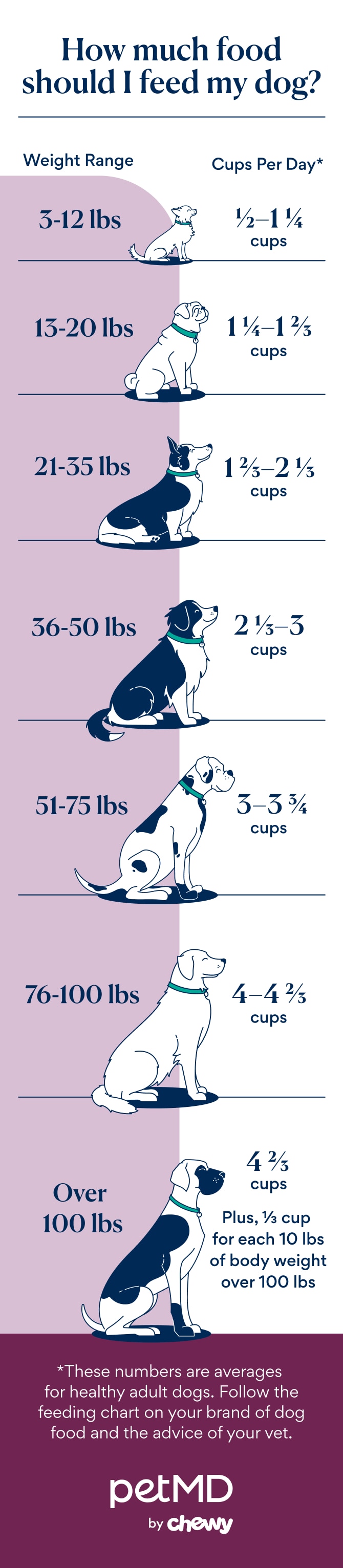
Active dogs burn more energy and need more calories. Less active dogs may gain weight on the same food. Adjust portion sizes based on daily activity. Working dogs need nutrient-rich meals to stay strong. Couch potatoes do better with lighter meals. Monitor your dog’s weight and energy to find the right balance.
Homemade Vs Commercial Adult Food
Choosing between homemade and commercial adult dog food can be tough. Each option has its own benefits and challenges. Understanding these can help you make a better choice for your dog’s health and happiness.
Benefits Of Homemade Meals
Homemade meals let you control every ingredient. You know exactly what your dog eats. This can help avoid allergens or fillers found in some commercial foods. You can add fresh vegetables, lean meats, and healthy grains. Many dogs enjoy the taste of homemade food more. It also allows you to adjust meals for special health needs.
Risks And Precautions
Homemade meals can lack important nutrients if not balanced right. Dogs need the right mix of protein, fats, vitamins, and minerals. Missing key nutrients can cause health problems over time. Cooking food improperly can destroy nutrients or create harmful substances. It is important to follow recipes from trusted sources or consult a vet. Commercial foods are made to meet strict nutrition standards. They provide balanced nutrition and convenience. Be careful and informed when choosing homemade meals for your dog.
Monitoring Your Dog’s Health
Monitoring your dog’s health is important when feeding adult dog food. You need to watch for any changes in weight, energy, and behavior. These signs show if the food suits your dog’s needs. Careful observation helps keep your dog happy and healthy.
Regular checks let you catch problems early. This way, you can act fast to protect your pet’s well-being. A healthy dog is a joyful dog.
Tracking Weight And Energy
Weigh your dog often to track any changes. Sudden weight loss or gain can signal a problem. Watch your dog’s energy during walks and playtime. Low energy might mean the food lacks needed nutrients. High energy usually shows good health and proper diet. Keep a simple journal to note weight and energy changes.
When To Consult A Vet
Visit a vet if you see sudden weight shifts. Changes in appetite or digestion also need a checkup. If your dog shows unusual tiredness or behavior, call your vet. Early advice can prevent bigger health problems. Your vet can suggest diet changes or tests. Trust their guidance to keep your dog safe.
Credit: www.petmd.com
Frequently Asked Questions
Can Puppies Eat Adult Dog Food Safely?
Puppies should not eat adult dog food regularly. Adult formulas lack essential nutrients for growth. Feeding puppies adult food can lead to nutrient deficiencies and health issues.
When Should I Switch My Dog To Adult Food?
Switch your dog to adult food around one year old. Large breeds may need to switch later. Consult your vet for specific timing based on breed and health.
Is Adult Dog Food Suitable For Senior Dogs?
Adult dog food may not meet senior dogs’ needs. Senior dogs require diets with joint support and fewer calories. Specialized senior dog food is recommended for aging pets.
What Are Risks Of Feeding Adult Food To Puppies?
Feeding adult food to puppies can stunt growth. It may cause bone problems and weak immunity. Puppies need high protein and fat for proper development.
Conclusion
Feeding your dog adult food depends on their age and needs. Puppies need special food to grow strong. Adult dogs require balanced nutrition to stay healthy. Always check with your vet before changing food. Watch your dog’s health closely during any switch.
Good food helps dogs live longer, happier lives. Choose quality food that suits your dog’s size and activity. Feeding the right food is a simple way to care for your dog. Your dog will thank you with good health and energy.


