

Have you ever caught your dog rolling around on his toys and wondered why he does it? It’s a funny and curious behavior that many dog owners notice.
But there’s more to it than just playfulness. Understanding why your dog rolls on his toys can help you connect better with him and even keep him happier and healthier. Keep reading to discover the surprising reasons behind this quirky habit and what it means for your furry friend.
Credit: www.newsweek.com
Common Dog Behaviors
Dogs show many behaviors that help us understand their feelings and needs. These actions often have simple reasons. Watching your dog closely reveals these common behaviors. Rolling on toys is one such behavior. It can mean different things depending on the situation.
Understanding why your dog rolls on his toys helps you connect better. It also keeps your dog happy and healthy. Let’s explore some common reasons behind this behavior.
Rolling As Play
Dogs use rolling as a way to play and have fun. Rolling on toys can be a joyful action. It shows excitement and happiness. This playful behavior also helps dogs release energy. Your dog may roll on toys to invite you to join the fun. It is a sign of a relaxed and happy dog.
Scent Marking
Dogs have a strong sense of smell. They use scent to mark their belongings. Rolling on toys can spread their scent. This behavior tells other dogs that the toy belongs to them. Scent marking helps dogs feel more secure. It is a natural way to claim their favorite items.
Comfort And Security
Some dogs roll on toys for comfort. The scent and texture of the toy provide a sense of safety. This behavior is similar to how some people hold a favorite blanket. Rolling on toys can calm anxious or nervous dogs. It helps them feel protected in their space.

Credit: www.reddit.com
Scent And Smell
Dogs have a strong sense of smell. It guides much of their behavior. Rolling on toys is one way dogs use their nose. This action helps them with scents. Understanding this can explain why your dog rolls on toys.
Transferring Scents
Dogs like to carry their scent on objects. When your dog rolls on a toy, it picks up the smell. This makes the toy smell like your dog. It helps your dog feel comfortable. The toy becomes familiar and safe. This scent transfer is a way to mark their belongings.
Masking Own Scent
Some dogs roll to cover their smell. They might do this with a toy. The toy’s scent can hide the dog’s natural smell. This helps dogs feel hidden from others. It is an instinct from wild ancestors. Masking scent can protect dogs in new places.
Emotional Reasons
Dogs show many emotions through their actions. Rolling on their toys is one way they express feelings. This behavior often relates to how they feel inside. Understanding these emotional reasons helps you connect better with your pet.
Stress Relief
Dogs use toys to calm down. Rolling on toys can reduce anxiety. It gives them comfort and a sense of safety. This action helps them relax after feeling scared or upset. Your dog might roll on a toy after loud noises or new situations.
Seeking Attention
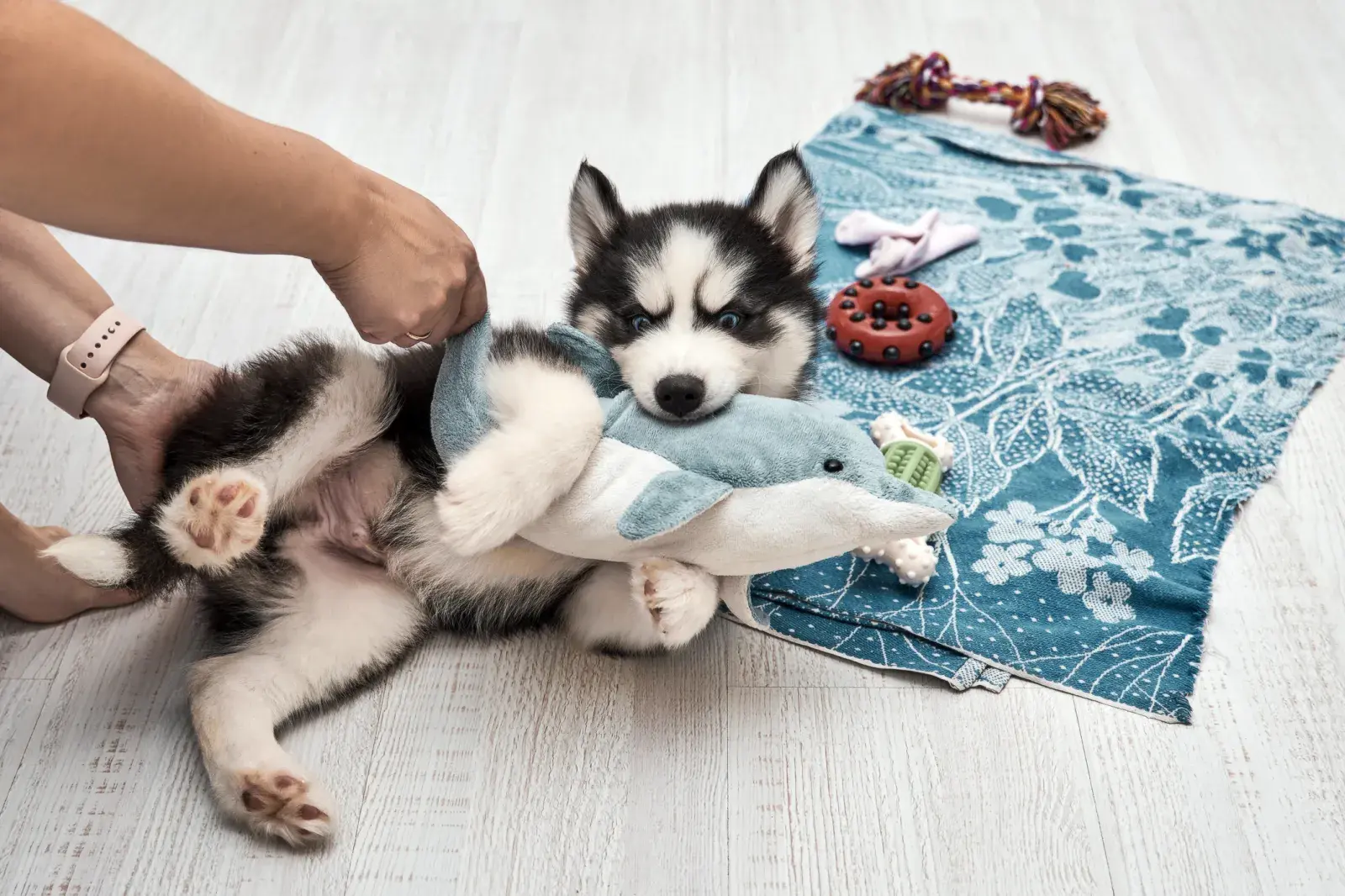
Dogs want to be noticed by their owners. Rolling on toys can be a way to get your focus. They may do this to invite you to play. This behavior shows they want interaction and love. Responding to them strengthens your bond and makes them happy.
Credit: www.newsweek.com
Health And Physical Factors
Dogs often roll on their toys for health and physical reasons. This behavior can help them feel better and stay comfortable. Understanding these reasons helps you care for your dog better.
Itching And Discomfort
Your dog may roll on toys to relieve itching. Sometimes their skin feels irritated or itchy. Rolling helps scratch spots they cannot reach with their paws. This action can ease discomfort quickly. It works like a natural scratch tool for your dog.
Skin irritation may come from allergies or dry skin. Rolling on a toy gives relief and distraction. Watch for signs of excessive itching or redness. These might need a visit to the vet.
Muscle Stretching
Rolling on toys also helps stretch your dog’s muscles. Dogs use this movement to loosen tight muscles after rest. Stretching improves blood flow and reduces stiffness. It keeps their body flexible and ready to move.
This behavior is common after naps or long periods of sitting. Your dog prepares their body for activity by rolling and stretching. It is a simple way to stay healthy and agile.
How To Respond
Seeing your dog roll on his toys can be amusing and puzzling. Knowing how to respond helps keep your dog happy and safe. Your reaction can guide your dog’s behavior for the better.
Observe your dog’s mood and body language closely. Respond calmly and with patience. This approach builds trust and strengthens your bond.
When To Worry
Rolling on toys is usually harmless. Watch for signs of distress or pain. Excessive chewing or rough play might cause injury.
If your dog shows redness, swelling, or cuts, check the toy’s condition. Remove broken or sharp toys immediately. Seek veterinary advice if your dog limps or seems uncomfortable.
Encouraging Positive Behavior
Reward your dog for gentle play with praise or treats. Provide safe, durable toys suited to your dog’s size and strength. Rotate toys to keep your dog interested and happy.
Redirect rough rolling to softer toys or mats. Teach commands like “leave it” or “gentle” to manage play. Consistency helps your dog learn faster.
Tips For Toy Selection
Choosing the right toys for your dog affects their happiness and safety. Toys help your dog feel relaxed and playful. Picking good toys keeps your dog busy and healthy. Here are important tips for selecting toys your dog will enjoy.
Choosing Safe Toys
Safety is the top priority for dog toys. Pick toys made from non-toxic materials. Avoid toys with small parts that can break off. Choose toys that match your dog’s size and chewing strength. Durable toys last longer and prevent choking hazards. Soft toys are best for gentle chewers. Hard rubber or nylon toys suit strong chewers.
Replacing Old Toys
Old toys can become dangerous over time. Check toys for cracks, tears, or loose pieces. Throw away toys that are worn out or broken. Fresh toys keep your dog interested and safe. Replace toys regularly to avoid health risks. New toys also encourage playful rolling and chewing.
Frequently Asked Questions
Why Does My Dog Roll On His Toys Often?
Dogs roll on toys to mark their scent and claim ownership. It also brings comfort and mimics natural behaviors from their ancestors.
Is Rolling On Toys A Sign Of Happiness?
Yes, rolling on toys often shows joy and excitement. It helps dogs express their playful and relaxed mood.
Can Rolling On Toys Indicate Stress Or Anxiety?
Sometimes, dogs roll on toys to relieve stress or anxiety. It serves as a calming behavior in unfamiliar situations.
Does Rolling On Toys Strengthen A Dog’s Bond?
Rolling on toys can strengthen bonds by sharing scents. It also encourages interactive play between dogs and their owners.
Conclusion
Dogs roll on their toys for fun and comfort. It helps them feel happy and relaxed. Sometimes, they do it to mark their scent or show ownership. This behavior is natural and shows they enjoy their toys. Watching your dog roll can bring joy to both of you.
Remember to give your dog clean and safe toys. This keeps playtime healthy and fun. Understanding this habit helps you connect better with your pet. Keep observing your dog’s actions to learn more about them.


