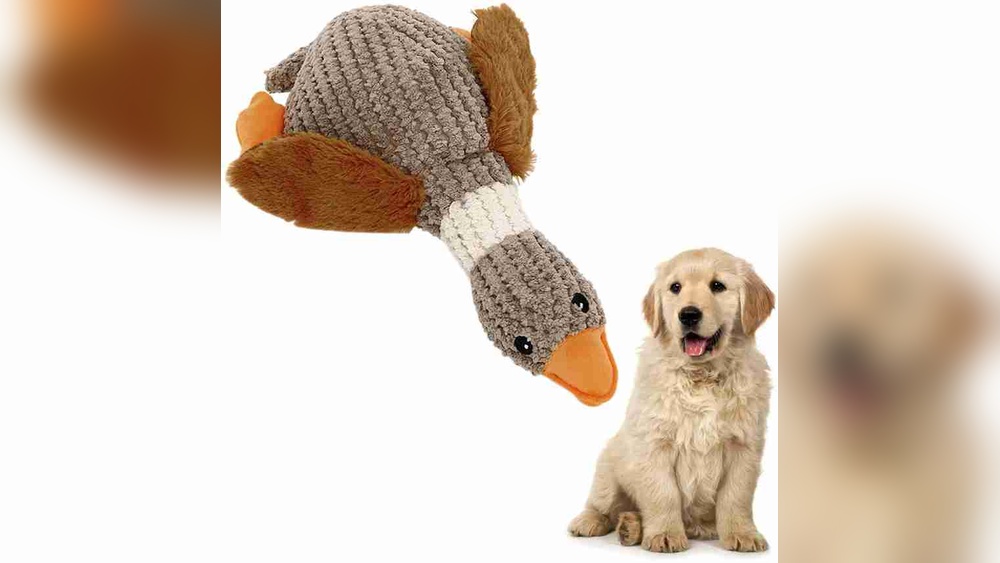
Have you ever wondered if dog puzzle toys are really worth it for your furry friend? These clever toys do more than just keep your dog busy—they can boost your pet’s brainpower and keep boredom at bay.
If you want to see your dog happier, sharper, and more engaged, understanding the true benefits of puzzle toys is key. Keep reading to discover why these toys might be the perfect addition to your dog’s daily routine—and how they can improve your bond in ways you never expected.
Benefits Of Dog Puzzle Toys
Dog puzzle toys offer many benefits for your furry friend’s health and happiness. These toys keep dogs active and busy. They also help improve a dog’s mind and behavior. Using puzzle toys can make a dog’s day more fun and less stressful. Here are some key benefits of dog puzzle toys.
Enhancing Mental Stimulation
Puzzle toys challenge a dog’s brain. Dogs need mental exercise just like physical exercise. These toys make dogs think and solve problems. This mental workout keeps their minds sharp. It helps prevent boredom and memory loss. Dogs feel more alert and focused after playing.
Reducing Boredom And Anxiety
Many dogs get bored when left alone. Boredom can lead to destructive behavior. Puzzle toys keep dogs busy for longer times. This reduces stress and anxiety in dogs. They feel calmer and happier. The toys give dogs a fun way to use energy.
Promoting Problem-solving Skills
Puzzle toys encourage dogs to find solutions. Dogs learn to figure out how to get treats or rewards. This builds their problem-solving skills. Over time, dogs get better at thinking through challenges. These skills help dogs in daily life too.

Credit: www.amazon.com
Types Of Dog Puzzle Toys
Dog puzzle toys come in many styles. Each type offers a different way to keep dogs busy and happy. These toys help dogs use their minds and can reduce boredom. Below are some common types of dog puzzle toys that many pet owners choose.
Treat-dispensing Toys
Treat-dispensing toys hide snacks inside. Dogs must figure out how to get the treats out. These toys challenge dogs to use their nose and paws. They keep dogs interested for longer play sessions. They also reward dogs with tasty treats for solving the puzzle.
Interactive Puzzle Games
Interactive puzzle games require dogs to solve problems. Dogs move pieces or open compartments to find rewards. These puzzles improve a dog’s problem-solving skills. They come in different difficulty levels for all dog sizes and ages. These games provide mental exercise and fun at the same time.
Snuffle Mats And Hide-and-seek Toys
Snuffle mats mimic grass where dogs sniff for food. Owners hide kibble or treats inside the mat’s fabric. Dogs use their nose to search and find the treats. Hide-and-seek toys work similarly by hiding rewards in various spots. These toys stimulate a dog’s natural hunting instincts. They slow down fast eaters and offer fun challenges.
Choosing The Right Puzzle Toy
Choosing the right puzzle toy for your dog takes some thought. Each dog has unique needs based on size, breed, and skill level. The right toy keeps your dog interested and safe. It also helps build their problem-solving skills without causing frustration.
Considering Your Dog’s Size And Breed
Pick a puzzle toy that fits your dog’s size. Small dogs need smaller pieces to avoid choking. Large dogs need bigger, stronger toys to last longer. Some breeds are more active and curious. They might need more challenging toys to stay engaged.
Matching Difficulty Levels
Choose a toy that matches your dog’s skill level. Beginners need simple puzzles to build confidence. More experienced dogs benefit from harder puzzles. Too easy can bore your dog. Too hard can frustrate and discourage them. Change the difficulty as your dog learns.
Material Safety And Durability
Always check the toy’s material for safety. Avoid toxic plastics or sharp edges. Durable materials last longer with rough play. Strong toys prevent your dog from swallowing pieces. Washable toys keep germs away. Safety and durability protect your dog’s health.

Credit: www.amazon.com
How To Introduce Puzzle Toys
Introducing puzzle toys to dogs can be a fun and rewarding experience. It helps keep their minds sharp and bodies active. Starting right is important for your dog’s success and enjoyment. Follow easy steps to make the introduction smooth and positive.
Starting With Simple Puzzles
Choose puzzles that match your dog’s skill level. Simple puzzles with few pieces work best at first. Let your dog see the treats inside to spark interest. This builds confidence and avoids confusion. Gradually increase the puzzle difficulty as your dog learns.
Encouraging Engagement
Use a happy tone and praise your dog during play. Sit with your dog and show how the puzzle works. Offer treats as rewards for small successes. Keep sessions short to maintain excitement. Make puzzle time a positive and regular habit.
Avoiding Frustration
Watch for signs of stress or boredom. Stop play if your dog seems upset or tired. Switch to easier puzzles if needed. Avoid forcing your dog to solve puzzles. Patience and kindness help your dog enjoy learning.
Signs Your Dog Enjoys Puzzle Toys
Recognizing signs that your dog enjoys puzzle toys helps you choose the best ones. Dogs show clear reactions when they like a toy. These signs tell you the toy benefits their mind and mood. Watching your dog’s behavior gives clues about their interest and happiness.
Increased Playtime
Your dog spends more time with the puzzle toy than other toys. They return to the toy again and again. This shows the toy keeps their attention well. Longer playtime means the dog finds the toy fun and rewarding.
Improved Focus And Excitement
Dogs who enjoy puzzle toys focus deeply on solving them. Their eyes and ears stay alert. You might see quick tail wags or excited barks. These signs show mental engagement and joy during play.
Positive Behavioral Changes
Puzzle toys can calm restless dogs and reduce bad habits. Dogs may become less anxious and more patient. They feel happier and more relaxed after play. These changes prove the toy’s positive effect on behavior.

Credit: www.amazon.com
Potential Drawbacks And Precautions
Dog puzzle toys offer great mental exercise and fun. Yet, some risks come with these toys. Knowing the potential drawbacks helps keep dogs safe and happy. Owners should use caution and follow safety tips for the best experience.
Overstimulation Risks
Some dogs may get too excited with puzzle toys. Overstimulation can cause stress or frustration. Dogs might bark, chew, or act restless. Short play sessions help avoid these problems. Watch your dog’s reaction and stop if they seem upset.
Choking Hazards
Small parts or pieces can break off from puzzle toys. These parts might cause choking or blockages. Choose toys that fit your dog’s size. Inspect toys regularly for damage. Remove broken toys immediately to prevent accidents.
Supervision Guidelines
Always watch your dog during playtime with puzzle toys. Supervision helps catch problems early. It prevents swallowing of unsafe pieces. Stay close and be ready to help if needed. Supervised play keeps dogs safe and happy.
Diy Dog Puzzle Toy Ideas
DIY dog puzzle toys offer a fun way to keep dogs busy and sharp. They cost less and use items you already have. Making these toys is easy and helps bond with your dog. Dogs enjoy challenges that make them think and work for treats. Here are some simple ideas to create your own puzzles at home.
Using Household Items
Use cups, boxes, or old containers for puzzles. Hide treats under cups and mix them around. Your dog tries to find the treat by sniffing or pawing. Empty egg cartons also work well. Place treats in some sections and close the lid. Your dog opens the sections to get the rewards.
Simple Treat Hiding Games
Hide treats inside rolled towels or blankets. Your dog must sniff and dig to find them. Put treats inside a folded cloth or sock. Let your dog figure out how to unwrap it. These games are quick to make and very fun for dogs.
Creative Puzzle Designs
Create puzzles with cardboard tubes from paper towels. Cut holes and put treats inside the tubes. Your dog rolls or pushes the tube to get the treat out. Use muffin tins and tennis balls. Place treats in some cups and cover them with balls. Your dog lifts the balls to find the treats hidden below.
Frequently Asked Questions
What Benefits Do Dog Puzzle Toys Offer?
Dog puzzle toys stimulate mental activity and reduce boredom. They improve problem-solving skills and promote healthy play. These toys can also help lower anxiety and prevent destructive behavior in dogs.
Are Dog Puzzle Toys Safe For All Breeds?
Yes, dog puzzle toys are generally safe for all breeds. Choose toys based on your dog’s size and chewing strength to avoid choking hazards. Always supervise playtime to ensure safety.
How Often Should Dogs Use Puzzle Toys?
Dogs should use puzzle toys daily or several times a week. Regular use keeps their minds active and engaged. Short sessions of 10-15 minutes are ideal to maintain interest.
Can Puzzle Toys Help With Dog Separation Anxiety?
Puzzle toys can distract dogs and reduce separation anxiety symptoms. They offer mental stimulation and comfort during alone time. However, they work best combined with training and other anxiety management methods.
Conclusion
Dog puzzle toys offer great mental exercise and fun for dogs. They keep dogs busy and help reduce boredom. Dogs enjoy challenges that reward their effort. These toys also improve problem-solving skills and focus. Regular use can lead to a happier, healthier pet.
Choose puzzles that match your dog’s size and skill level. Start slow and watch your dog grow smarter and more confident. Puzzle toys are a simple way to enrich your dog’s daily life. Try one and see the positive changes in your dog.