
Is your dog struggling with digestive issues or low energy? You might be surprised to learn that your dog’s gut health plays a huge role in their overall happiness and well-being.
When your furry friend’s digestive system isn’t working well, it can affect everything from their mood to their immune system. But don’t worry—you have the power to improve your dog’s gut health and help them feel their best. You’ll discover simple, effective ways to support your dog’s digestion and boost their vitality.
Keep reading to learn how you can make a real difference in your dog’s life starting today.

Credit: wuffes.com
Signs Of Poor Gut Health
Dogs rely on a healthy gut to feel their best. The gut controls digestion, nutrient absorption, and immune defense. Signs of poor gut health often show up in daily habits and physical symptoms. Spotting these signs early helps you act quickly to support your dog’s health.
Digestive Issues To Watch
Digestive problems often point to gut troubles. Look for diarrhea, constipation, or frequent gas. Vomiting without clear cause is another red flag. These signs show the gut may not work well. Poor digestion stops your dog from getting needed nutrients.
Changes In Appetite And Behavior
Gut issues can change your dog’s eating habits. Loss of appetite or sudden food refusal can signal discomfort. Some dogs may eat less or avoid certain foods. Behavioral shifts like lethargy or irritability also link to gut health. Your dog’s mood often reflects how they feel inside.
Role Of Diet In Gut Health
The diet plays a key role in keeping your dog’s gut healthy. A good diet supports digestion and helps fight bad bacteria. It also provides nutrients that keep the gut lining strong and reduce inflammation.
Choosing the right food can improve your dog’s overall well-being. The right diet helps balance good bacteria in the gut and boosts the immune system. Small changes in diet can lead to big improvements in gut health.
Choosing The Right Food
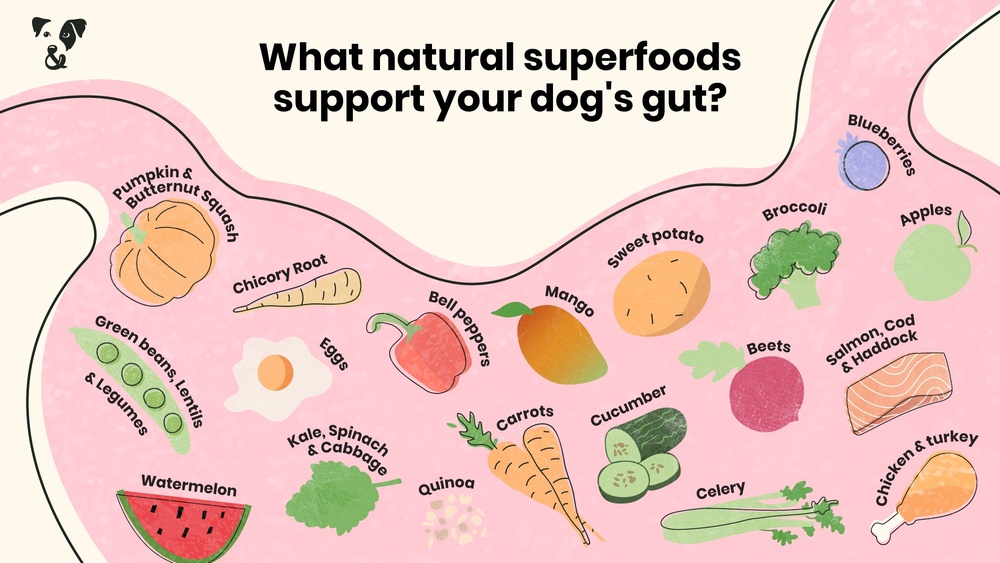
Select foods rich in fiber, protein, and healthy fats. Fiber supports good bacteria and aids digestion. Avoid foods with too many fillers or artificial ingredients. Fresh, whole ingredients work best for gut health. Look for dog foods with natural sources of fiber like pumpkin or sweet potato.
Grains may cause issues for some dogs. Consider grain-free options if your dog has sensitivities. Always introduce new foods slowly to prevent upset stomachs. Balanced meals keep gut bacteria happy and active.
Benefits Of Probiotics And Prebiotics
Probiotics are good bacteria that help maintain gut balance. They improve digestion and reduce harmful bacteria. Adding probiotic supplements or foods like yogurt can support gut health.
Prebiotics feed the good bacteria in the gut. They come from fiber-rich foods and help probiotics work better. Ingredients like chicory root or inulin serve as natural prebiotics. Combining probiotics and prebiotics creates a healthy gut environment.
Hydration And Gut Function
Water plays a key role in your dog’s gut health. It supports digestion and nutrient absorption. Good hydration keeps the digestive tract moving smoothly. It helps prevent constipation and supports the balance of gut bacteria. Without enough water, your dog may face digestive problems and discomfort. Understanding the link between hydration and gut function can improve your dog’s overall health.
Importance Of Clean Water
Clean water is essential for your dog’s digestion. Dirty water can carry harmful bacteria. These bacteria may upset your dog’s stomach. Fresh water helps flush toxins from the gut. It keeps the gut lining healthy and strong. Always provide water that looks clear and smells fresh. Change the water bowl daily to avoid contamination.
Hydration Tips For Dogs
Offer water throughout the day, not just at meals. Use multiple water bowls in different areas of your home. Encourage your dog to drink by adding ice cubes or a splash of broth. Wet dog food also helps increase water intake. Watch for signs of dehydration like dry gums or lethargy. Ensure your dog drinks more during hot weather or after exercise.
Exercise And Gut Motility
Exercise plays a key role in maintaining a dog’s gut health. It helps move food through the digestive system. This movement is called gut motility. Better motility means a healthier gut and less chance of constipation or bloating. Dogs that stay active tend to have stronger digestion and better nutrient absorption.
Regular physical activity also supports the good bacteria in the gut. These bacteria help break down food and keep the immune system strong. A dog with good gut motility feels more energetic and comfortable.
How Activity Affects Digestion
Exercise stimulates the muscles in the digestive tract. These muscles push food forward through the gut. Without enough movement, food can slow down or get stuck. This causes discomfort and poor digestion.
Physical activity increases blood flow to the intestines. This helps organs work better and absorb nutrients faster. Dogs that exercise regularly often have firmer stools and fewer digestive problems. Even light exercise can improve gut motility and digestion.
Simple Exercises For Better Gut Health
Walking is the easiest exercise to improve gut health. A daily walk helps keep the digestive system moving. Start with short walks and slowly increase the time.
Playing fetch or chasing toys encourages natural movement. This type of exercise helps the gut muscles contract regularly. Gentle running or trotting also supports healthy digestion.
Stretching and light agility exercises can aid gut motility. These exercises work the whole body and improve muscle tone. Make sure your dog warms up before exercise and cools down after.
Avoiding Harmful Substances
Keeping your dog’s gut healthy means avoiding harmful substances. Harmful substances can upset digestion and cause sickness. Knowing what to keep away helps protect your dog’s tummy. This section covers key foods and toxins to avoid.
Foods To Keep Away
Some foods are bad for dogs’ stomachs. Chocolate can cause vomiting and diarrhea. Grapes and raisins may lead to kidney failure. Onions and garlic can harm blood cells. Avoid giving your dog these foods at all times.
Raw dough and fatty foods can also upset digestion. Spicy foods may cause stomach pain. Bones, especially cooked ones, can splinter and block intestines. Keep these foods far from your pet’s reach.
Common Toxins And Their Effects
Many household items are toxic to dogs. Antifreeze causes kidney damage even in small amounts. Rodent poisons can lead to bleeding and death. Certain plants like lilies and azaleas cause vomiting and weakness.
Cleaning products and insecticides often contain harmful chemicals. Exposure can lead to drooling, seizures, or worse. Always store toxic substances safely and out of sight. Watch your dog closely during walks for dangerous plants or spills.

Credit: happypaws.com
Regular Vet Checkups
Regular vet checkups play a key role in maintaining your dog’s gut health. These visits allow vets to spot early signs of digestive issues. They help keep your dog’s gut balanced and healthy over time.
During checkups, vets assess your dog’s overall health. They may recommend tests to check gut function. This helps catch problems before they become serious.
Monitoring Gut Health
Your vet tracks your dog’s weight, appetite, and stool quality. Changes in these can signal gut problems. The vet may suggest diet changes or supplements to support gut health.
Regular monitoring helps keep your dog’s digestive system stable. It also ensures your dog absorbs nutrients well and stays energetic.
When To Seek Professional Help
Seek vet advice if your dog has ongoing diarrhea or vomiting. Sudden weight loss or lack of appetite also needs attention. These signs can indicate serious gut issues.
Early vet visits prevent gut problems from worsening. Timely treatment improves your dog’s comfort and health quickly.
Natural Remedies And Supplements
Helping your dog’s gut health with natural remedies and supplements supports their digestion and overall wellness. These options work gently and safely, improving gut function without harsh chemicals.
Natural aids often come from plants and natural ingredients. They help balance gut bacteria and soothe the digestive tract. Supplements add nutrients that might be missing from your dog’s diet.
Herbal Aids For Digestion
Herbs like ginger and peppermint calm the stomach and reduce nausea. Chamomile helps ease digestive discomfort and relaxes muscles in the gut. Slippery elm coats the digestive tract, protecting it from irritation. These herbs come in teas, powders, or capsules. Use them in small amounts to avoid side effects.
Safe Supplement Options
Probiotics add good bacteria to your dog’s gut. They improve digestion and boost immunity. Prebiotics feed these good bacteria, helping them grow. Digestive enzymes help break down food for better nutrient absorption. Fish oil provides omega-3 fatty acids that reduce gut inflammation. Always choose supplements made for dogs and follow dosage instructions carefully.

Credit: drruthroberts.com
Frequently Asked Questions
What Foods Improve My Dog’s Gut Health Naturally?
Feeding dogs fiber-rich foods like pumpkin, sweet potatoes, and green beans supports digestion. Probiotics from yogurt or supplements also enhance gut flora balance, promoting overall gut health and immune function.
How Often Should I Give Probiotics To My Dog?
Daily probiotic supplementation is ideal for consistent gut flora support. Consult your vet to choose the right product and dosage tailored to your dog’s specific health needs.
Can Stress Affect My Dog’s Digestive System?
Yes, stress disrupts gut bacteria balance and slows digestion. Minimizing stress through routine, exercise, and comfort can significantly improve your dog’s gut health.
Are Homemade Dog Meals Good For Gut Health?
Homemade meals allow control over ingredients, promoting gut-friendly nutrition. Ensure balanced protein, fiber, and probiotics, and consult a vet for proper dietary guidance.
Conclusion
Caring for your dog’s gut health helps keep them happy and strong. Feeding good food and giving probiotics supports their digestion. Regular vet check-ups catch problems early. Watching your dog’s habits helps spot changes fast. Small steps make a big difference in their health.
Healthy guts mean better energy and mood. Start today to give your dog the best care. Your dog will thank you with a wagging tail. Simple actions lead to lasting wellness. Keep learning and stay patient with your pet’s needs.


