If you have a new puppy at home, you might wonder if giving them adult dog food is okay. After all, it seems easier and cheaper, right?
But here’s the truth: feeding your puppy adult dog food can harm their growth and health. Your puppy’s body needs special nutrients that adult dog food doesn’t provide. Want to know why this matters so much and how to keep your furry friend strong and happy?
Keep reading, because what you feed your puppy now can shape their entire life.

Credit: www.amazon.com
Nutritional Needs Of Puppies
Puppies need special food to grow healthy and strong. Their bodies change fast in the first months. This makes their diet very important. Adult dog food does not meet these needs. Puppies require more than just calories. They need the right balance of nutrients to support growth.
Choosing the proper food helps build bones, muscles, and brain. It also protects their immune system. Understanding these needs explains why adult dog food is not suitable for puppies.
Growth And Development Requirements
Puppies grow quickly. Their bones and muscles develop fast. They need more protein than adult dogs. Protein helps build strong muscles and tissues. Puppies also need more calories per pound of body weight. These calories provide the energy for active play and learning. Without enough energy, growth slows down. Vitamins and minerals support healthy bone and brain development. Calcium and phosphorus are critical for strong bones. The wrong balance can cause health problems later.
Essential Nutrients For Puppies
Puppies need specific nutrients in the right amounts. DHA, an omega-3 fatty acid, helps brain and eye growth. Puppies also require higher levels of fat for energy. Essential amino acids support tissue repair and immune health. Vitamins like A, D, and E help with cell function and protection. Adult dog food often lacks these extra nutrients. Feeding adult food can lead to nutrient shortages. This affects growth, energy, and overall health.
Differences Between Puppy And Adult Dog Food
Puppies and adult dogs have very different needs. Their food should match these needs for healthy growth and energy. Puppy food and adult dog food differ a lot in content and nutrition.
Puppies grow fast. They need special nutrients to build strong bones and muscles. Adult dogs need food that helps maintain their health and energy without extra calories.
Calorie Content And Energy Levels
Puppies burn more energy than adult dogs. Their food has more calories to support this high energy use. Adult dog food has fewer calories. It helps avoid weight gain as their activity slows down.
Protein And Fat Ratios
Puppy food contains higher protein and fat. These nutrients help build muscles and support brain development. Adult dog food has less protein and fat. It matches the lower growth and energy needs of grown dogs.
Vitamin And Mineral Composition
Puppies need more vitamins and minerals like calcium and phosphorus. These support strong bones and teeth. Adult dog food has balanced vitamins and minerals for maintenance, not growth.
Health Risks Of Feeding Adult Food To Puppies
Puppies have different nutritional needs than adult dogs. Feeding adult dog food to puppies can cause serious health risks. Their growing bodies require special nutrients in the right amounts. Adult dog food does not provide these essential nutrients. This can lead to various health problems that affect their growth and well-being.
Malnutrition And Growth Issues
Adult dog food lacks the right balance of proteins and fats for puppies. Puppies need more protein to build strong muscles. Without enough nutrients, their bones and organs may not grow properly. This can cause stunted growth and weak muscles. Poor nutrition in early life can affect a puppy’s health for years.
Digestive Problems
Puppies have sensitive stomachs that need gentle food. Adult dog food can be too rich or hard to digest. This can cause upset stomach, vomiting, or diarrhea. Digestive problems may lead to dehydration and weakness. A diet made for puppies supports healthy digestion and nutrient absorption.
Immune System Weakness
Puppies need extra vitamins and minerals to build strong immunity. Adult dog food does not have enough of these nutrients. A weak immune system makes puppies more likely to get sick. Proper puppy food helps them fight infections and stay healthy. Good nutrition is key to a strong immune defense.
Signs Your Puppy Needs Puppy Food
Puppies need special food to grow strong and healthy. Adult dog food does not meet their needs. Recognizing signs that your puppy needs puppy food helps you act fast. These signs show your puppy may lack the right nutrients for growth.
Watch your puppy closely. Notice changes in weight, energy, and digestion. These clues reveal if the food is right or not.
Poor Weight Gain
Puppies grow quickly, so weight gain is normal. Slow or no weight gain means your puppy might lack nutrients. Adult food often lacks enough calories and vitamins for puppies. Check your puppy’s weight weekly to track growth. Consult a vet if weight gain is too slow.
Lethargy And Behavior Changes
A healthy puppy is lively and curious. If your puppy seems tired or less playful, this is a warning. Lack of energy often means poor nutrition. Adult food can cause low energy because it lacks puppy-specific nutrients. Note any sudden changes in behavior and energy levels.
Digestive Distress Symptoms
Digestive problems are common if puppies eat adult food. Diarrhea, vomiting, or constipation are signs of trouble. Puppies need gentle, balanced food for their sensitive stomachs. Adult dog food can upset their digestion. Monitor your puppy’s bathroom habits closely and watch for discomfort.
Transitioning To Adult Dog Food
Transitioning your puppy to adult dog food is a key step in their growth. Puppies need special nutrition to build strong bones and muscles. Adult dog food has a different formula, designed for mature dogs. Changing food at the right time and in the right way helps keep your dog healthy and happy.
When To Make The Switch
Most puppies are ready to switch to adult food around one year old. Small breeds may change sooner, about nine months. Large breeds might need extra time, up to 18 months. Watch your dog’s size and energy to know the right time. Consult your vet for the best advice.
How To Transition Gradually
Switch food slowly over 7 to 10 days. Start by mixing 25% adult food with 75% puppy food. Increase the adult food each day. This helps your dog’s stomach adjust without problems. Sudden changes can cause upset stomach or diarrhea.
Monitoring Your Dog’s Health
Check your dog’s weight and energy during the switch. Look for signs of digestive upset like vomiting or loose stools. If you see problems, slow down the transition. Keep your vet informed about any changes. Healthy skin and shiny coat show good nutrition.
:strip_icc()/people-food-for-puppies-2804770-hero-58d5ffa7c4784604b5088d8fcf41fed7.jpg)
Credit: www.thesprucepets.com
Choosing The Right Puppy Food
Puppies need special food that helps them grow strong and healthy. Their bodies are small but grow fast. They need more nutrients than adult dogs. The right puppy food supports their bones, muscles, and brain development. Choosing this food is very important for their future health.
Not all dog food is good for puppies. Adult dog food lacks some nutrients that puppies need. Puppies also need food that is easy to digest. This helps them get the right energy and stay active.
Reading Ingredient Labels
Look for food with real meat listed first. Avoid foods with too many fillers like corn or wheat. Check for DHA, an important fat for brain growth. Protein should be high to build strong muscles. Always choose food made especially for puppies.
Consulting Your Veterinarian
Ask your vet what food suits your puppy. Vets know about nutrition and your puppy’s health needs. They can suggest brands or types based on your puppy’s age and health. Follow their advice to keep your puppy safe and healthy.
Considering Breed And Size
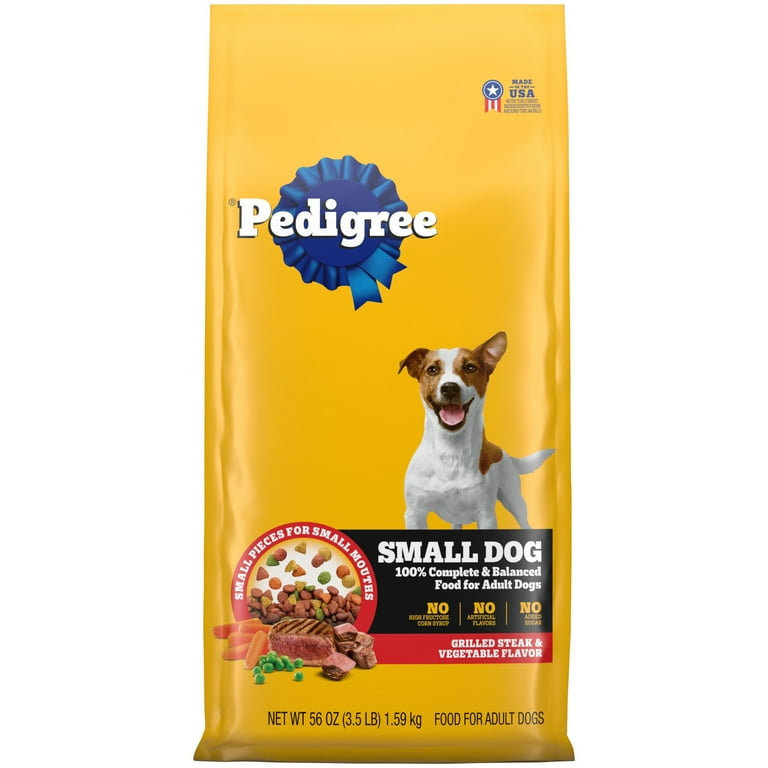
Small and large breeds need different nutrients. Large breed puppies need food that helps slow their growth. This prevents bone problems later. Small breeds need food that is easy to chew and digest. Choose food made for your puppy’s size and breed.
Credit: www.walmart.com
Frequently Asked Questions
Why Can’t Puppies Eat Adult Dog Food?
Puppies need extra nutrients for growth that adult dog food lacks. Adult food may cause nutrient deficiencies and digestive issues in puppies.
What Nutrients Do Puppies Need More Than Adults?
Puppies require higher protein, fat, and calcium levels to support their rapid growth and bone development.
Can Adult Dog Food Harm Puppy Growth?
Yes, adult dog food may slow puppy growth and weaken their immune system due to insufficient nutrients.
When Should Puppies Switch To Adult Dog Food?
Switch puppies to adult food after 12 months, or as advised by a vet, to meet changing nutritional needs.
Conclusion
Puppies need special food to grow strong and healthy. Adult dog food lacks the right nutrients for puppies. Feeding the wrong food can cause health problems. Puppy food supports their energy and development needs. Always choose food made just for puppies.
This helps them build bones, muscles, and immunity. Keep your puppy happy with the right diet. Healthy food means a happy, active dog later. Take care of your puppy from the start. It makes a big difference in their life.