Are you wondering if it’s okay to give your adult dog puppy food? You’re not alone.
Many dog owners ask this question because they want the best for their furry friends. But is puppy food really safe or healthy for adult dogs? The answer might surprise you. Keep reading to discover what happens when adult dogs eat puppy food, and how you can make the right choice for your dog’s health and happiness.
Don’t miss out on these important tips that can help you keep your dog thriving every day.
Puppy Food Basics
Puppy food is specially made for young dogs. It supports their fast growth and high energy needs. Adult dogs have different needs than puppies. Puppy food contains more calories and nutrients.
Knowing what makes puppy food unique helps decide if it is right for adult dogs. Understanding its ingredients and nutrition is key. Let’s explore the basics of puppy food.
Nutritional Needs Of Puppies
Puppies need more protein than adult dogs. Protein helps build strong muscles and tissues. They also need extra fat for energy. Fat supports brain development and healthy skin.
Calcium and phosphorus are important for strong bones. Puppies require vitamins and minerals to boost their immune system. These nutrients help puppies grow healthy and strong.
Ingredients In Puppy Food
Puppy food uses high-quality meat as the main ingredient. Meat provides essential amino acids for growth. It also includes grains or vegetables for fiber and energy.
Added vitamins and minerals support development and health. Some puppy foods have DHA, an omega-3 fatty acid. DHA helps with brain and eye growth. The balance of these ingredients makes puppy food rich and nourishing.
Adult Dog Nutrition
Adult dogs need a balanced diet to stay healthy and active. Their nutrition supports muscles, bones, and overall energy. Choosing the right food helps maintain their weight and vitality. Feeding an adult dog puppy food may cause health issues over time. Understanding adult dog nutrition is key to making good feeding choices.
Key Nutrients For Adult Dogs
Protein builds and repairs muscles. Adult dogs need moderate protein levels. Fat provides energy and supports skin and coat health. Carbohydrates give fuel but should be limited. Vitamins and minerals keep the immune system strong. Calcium and phosphorus help keep bones strong. Fiber aids digestion and keeps the gut healthy.
Calorie Requirements
Adult dogs need fewer calories than puppies. Overfeeding can lead to weight gain and health problems. Calorie needs vary by size, breed, and activity. Active dogs burn more calories. Older or less active dogs require fewer calories. Feeding the right amount keeps dogs fit and happy.
Differences Between Puppy And Adult Dog Food
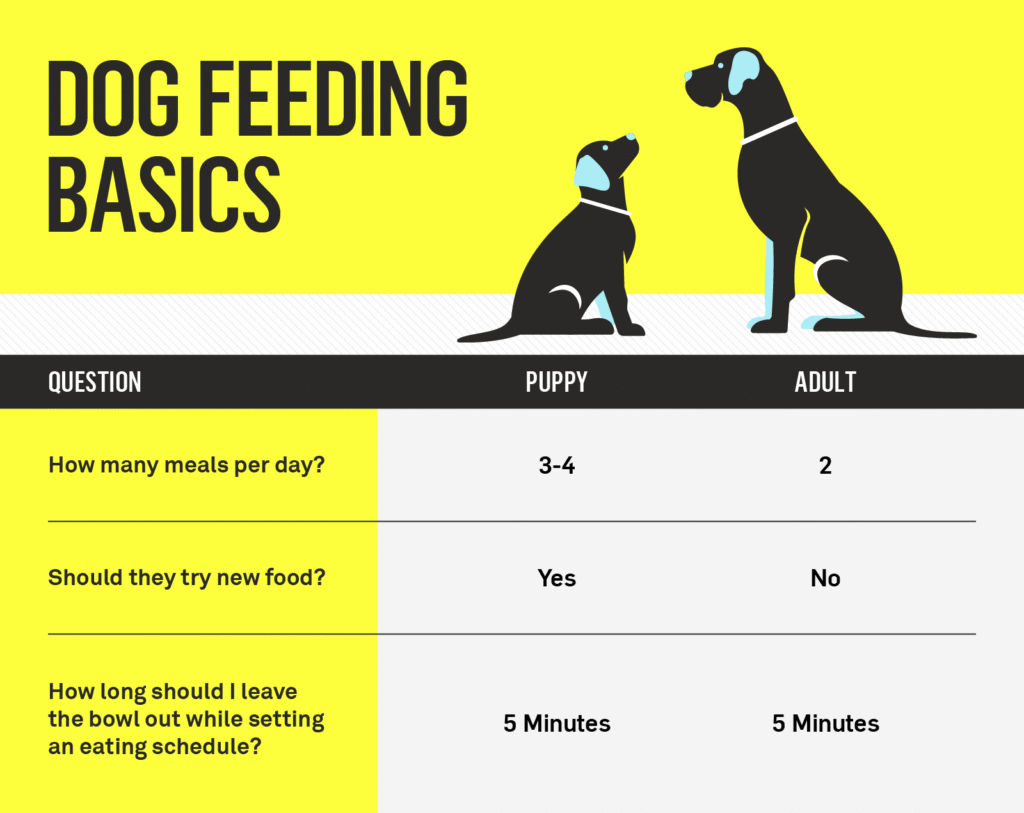
Puppy food and adult dog food are made for different needs. Puppies grow fast and need extra nutrients. Adult dogs have slower growth and need balanced nutrition for maintenance. Understanding these differences helps you choose the right food for your dog’s health.
Feeding an adult dog puppy food may cause problems over time. The nutrient levels in puppy food are higher, which suits growing dogs but may not fit an adult dog’s needs. Let’s explore how these foods differ in protein, fat, vitamins, and minerals.
Protein And Fat Content
Puppy food has more protein and fat than adult dog food. Puppies need these nutrients to build muscles and support energy. Adult dogs need less protein and fat to avoid weight gain. Too much fat can lead to health issues in adult dogs. Adult dog food has balanced protein and fat for daily energy and health.
Vitamin And Mineral Levels
Puppy food contains higher levels of vitamins and minerals. These nutrients help with bone growth and brain development. Adult dog food has vitamins and minerals in amounts that support maintenance and overall health. Excess vitamins in adult dogs can cause health problems. Feeding the right amount keeps your dog healthy and strong.
Credit: www.gallant.com
Potential Benefits Of Feeding Puppy Food To Adult Dogs
Feeding puppy food to adult dogs can offer some surprising benefits. Puppy food is rich in nutrients that support growth and energy. These nutrients can also help adult dogs in various ways. Understanding these potential benefits helps pet owners make informed choices about their dog’s diet.
Improved Energy Levels
Puppy food contains more calories and protein than adult dog food. This extra nutrition can boost an adult dog’s energy. Active dogs or those recovering from illness may feel more lively. The higher calorie content supports muscle strength and stamina. This can be especially helpful for working dogs or very playful pets.
Enhanced Coat And Skin Health
Puppy food often has extra fatty acids like omega-3 and omega-6. These fats improve skin moisture and coat shine. Adult dogs with dull fur or dry skin may benefit from these nutrients. A healthy coat also means less shedding and fewer skin problems. Feeding puppy food can help maintain a soft and shiny fur coat.
Risks Of Feeding Puppy Food To Adult Dogs
Feeding puppy food to adult dogs can cause health problems. Puppy food is rich in nutrients to support fast growth. Adult dogs do not need that much nutrition. Giving them puppy food regularly may harm their health.
Adult dogs have different dietary needs than puppies. Puppy food often has more calories and fat. This can lead to unwanted side effects in adult dogs. Understanding these risks helps keep dogs healthy and happy.
Weight Gain And Obesity
Puppy food has extra calories designed for growing dogs. Adult dogs eating this food may gain weight fast. Too many calories turn into fat. This causes weight gain and obesity. Obesity raises risks of diabetes and heart problems. It also puts stress on joints and bones. Keeping adult dogs at a healthy weight is very important.
Digestive Issues
Adult dogs have a different digestive system than puppies. Puppy food can be too rich for their stomachs. It may cause upset stomach, diarrhea, or vomiting. Some adult dogs may develop food intolerance. Changing food suddenly can worsen these problems. Feeding adult dogs the right food helps prevent digestive issues.
Credit: www.acanapetfoods.co.uk
When Puppy Food May Be Suitable For Adult Dogs
Puppy food is made to support fast growth and high energy. It has more calories, protein, and nutrients than adult dog food. Because of this, it is not usually needed for adult dogs. Still, some adult dogs might benefit from puppy food for a short time.
Adult dogs with special needs may require extra nutrition. Puppy food can help in these cases. Knowing when puppy food may be suitable helps you make good feeding choices for your dog.
Pregnant Or Nursing Dogs
Pregnant and nursing dogs need more energy and nutrients. Puppy food provides extra calories and protein. This helps them stay healthy and support their puppies. Feeding puppy food during this time can improve milk quality. It supports the growth of healthy puppies.
Growing Or Underweight Adults
Some adult dogs may still be growing or recovering from illness. Puppy food helps them gain weight safely. It supplies more energy and nutrients than regular adult food. Dogs that struggle to keep weight can benefit from puppy food. It helps build muscle and improve overall health.
Alternatives To Puppy Food For Adult Dogs
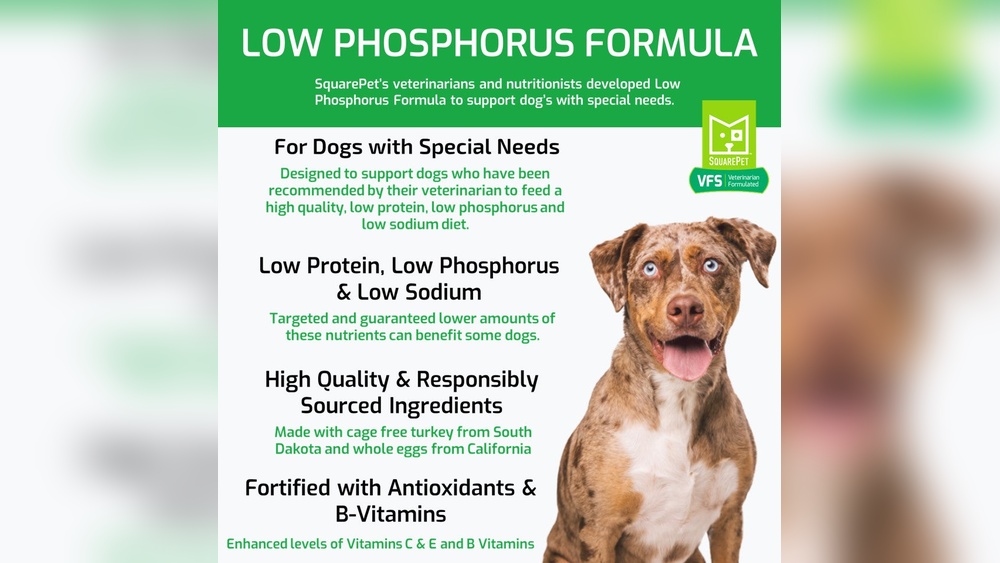
Adult dogs need food made just for them. Puppy food has more calories and nutrients for growing pups. It may cause weight gain and health problems in adult dogs. There are good alternatives that keep your dog healthy and happy.
Choosing the right diet helps maintain energy and a strong body. Options include special adult dog foods and custom plans made by vets. These choices fit your dog’s needs and lifestyle well.
Specialized Adult Dog Diets
Adult dog diets have the right balance of nutrients. They contain less fat and calories than puppy food. These diets support your dog’s energy without causing weight gain.
Many brands offer formulas for different dog sizes and breeds. Some focus on joint health, skin, or digestion. This helps address your dog’s specific needs.
Custom Nutrition Plans
Veterinarians can create special meal plans for your dog. These plans consider age, weight, and health conditions. They help manage allergies, weight, and other issues.
Custom diets use high-quality ingredients and the right nutrients. Feeding your dog this way can improve their overall health and happiness. It ensures your dog gets what they truly need.
Credit: www.purina.com
Tips For Transitioning Between Dog Foods
Changing your dog’s food needs care and patience. Sudden switches can upset their stomach. Follow simple steps to help your dog adjust smoothly. A good transition protects their health and keeps them happy.
Watch your dog’s reaction closely during the change. Their comfort shows if the new food is right. Stay alert for any signs of trouble.
Gradual Change Process
Start by mixing a small amount of new food with the old. Increase the new food gradually over 7 to 10 days. This slow change helps the dog’s digestive system adapt. Avoid giving only the new food at once. A quick swap can cause diarrhea or vomiting.
Monitoring Health And Behavior
Observe your dog’s appetite and energy daily. Check for any stomach upset like vomiting or loose stool. Look for signs of itching or skin problems. Note changes in mood or activity levels. Contact your vet if any issues last more than a few days.
Frequently Asked Questions
Can Adult Dogs Eat Puppy Food Safely?
Yes, adult dogs can eat puppy food occasionally, but it’s not ideal long-term. Puppy food is richer in nutrients and calories, which may cause weight gain or digestive issues in adults.
What Are The Risks Of Feeding Puppy Food To Adults?
Feeding puppy food to adult dogs regularly can lead to obesity, digestive upset, and nutrient imbalances. Adult dogs require different nutrient levels than growing puppies for optimal health.
How To Transition From Puppy To Adult Dog Food?
Gradually mix adult dog food with puppy food over 7-10 days. This helps your dog adjust to the new taste and nutrients without stomach upset.
Is Puppy Food More Nutritious Than Adult Dog Food?
Puppy food contains higher protein, fat, and calorie levels to support growth. Adult dog food is balanced for maintenance, supporting energy needs without excess calories.
Conclusion
Adult dogs have different needs than puppies. Puppy food has extra nutrients for growth. Feeding it to adults can cause weight gain or upset stomach. Choose food made for adult dogs. Check with your vet for the best diet. Healthy food helps your dog live longer and feel better.
Keep your dog’s meals balanced and age-appropriate. That way, you ensure good health and happiness. Small changes make a big difference in your dog’s life. Always think about your dog’s needs first.