

If you have a Dachshund, you want to make sure your furry friend stays happy and healthy. But do you know what nutrition is best for your Dachshund’s unique needs?
Feeding your dog the right nutrients can boost their energy, support their long back, and keep their coat shiny. You’ll discover exactly what foods and vitamins your Dachshund needs every day. Keep reading to learn how to give your loyal companion the best diet possible—because they deserve nothing less.
Key Nutrients For Dachshunds
Dachshunds need the right nutrients to stay healthy and active. Their small size means their food must be rich in key elements. Proper nutrition supports their muscles, energy, and overall well-being. Here are the most important nutrients for your Dachshund’s diet.
Proteins For Muscle Health
Proteins build and repair muscles. Dachshunds need high-quality protein from meat, fish, or eggs. Protein keeps their muscles strong and supports their active lifestyle. It also helps their body recover after exercise or play.
Fats For Energy And Coat
Fats provide essential energy for Dachshunds. They fuel daily activities and keep their skin healthy. Good fats, like omega-3 and omega-6, make their coat shiny and soft. These fats also help reduce inflammation and support brain health.
Carbohydrates For Fuel
Carbohydrates give quick energy to Dachshunds. Sources like rice, oats, and sweet potatoes are easy to digest. Carbs help maintain stamina for playtime and walks. They also supply fiber, which aids digestion.
Vitamins And Minerals Essentials
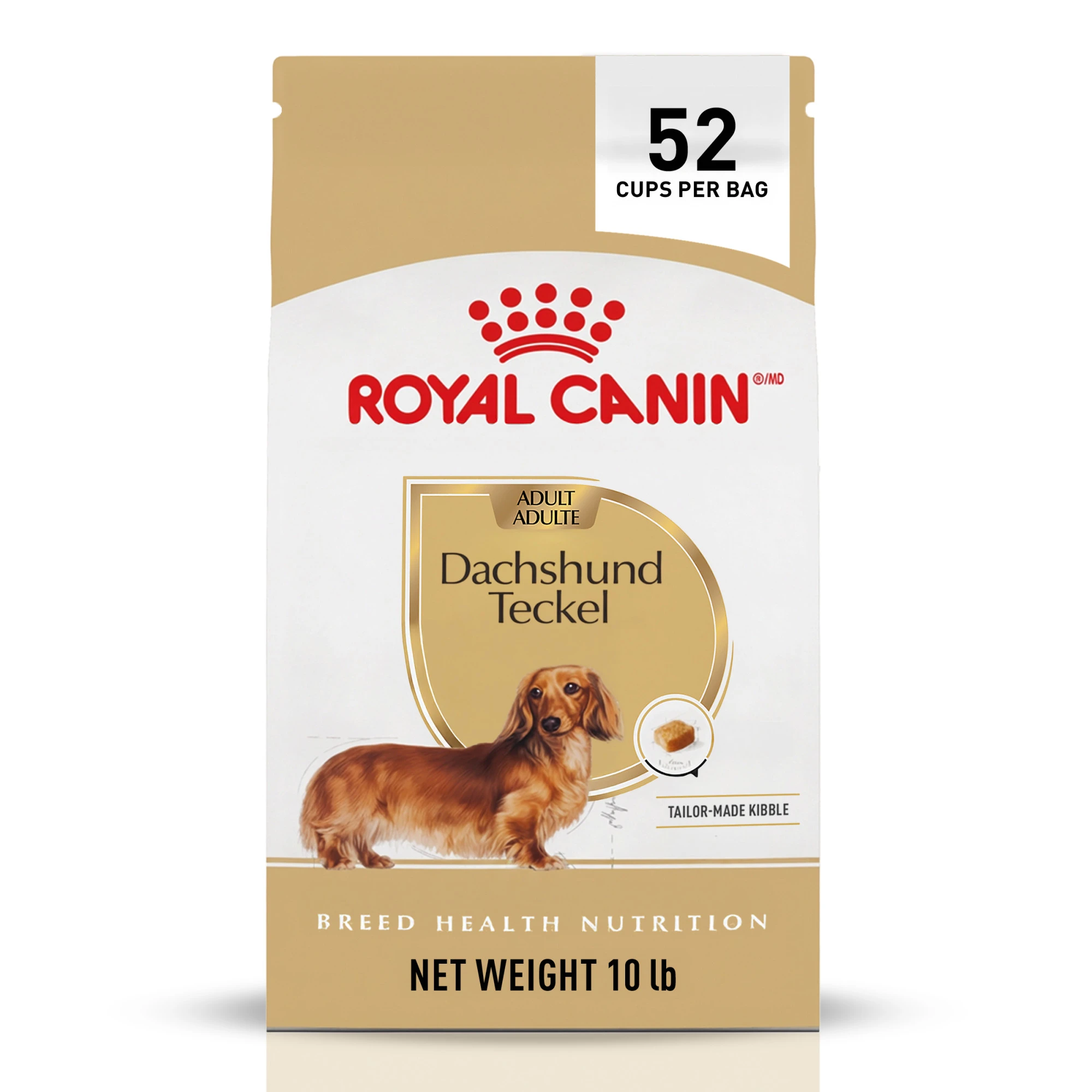
Vitamins and minerals keep Dachshunds’ bodies working well. Calcium and phosphorus support strong bones and teeth. Vitamins A, C, and E help boost the immune system. Zinc and iron are important for healthy skin and blood.
Credit: www.petco.com
Special Dietary Needs
Dachshund dogs have unique dietary needs. Their long backs and small legs make them prone to joint problems. They also tend to gain weight easily. A balanced diet can help keep them healthy and active. Choosing the right nutrients supports their special needs.
Joint Support Nutrients
Glucosamine and chondroitin are vital for joint health. These nutrients help protect cartilage and reduce pain. Omega-3 fatty acids also fight inflammation and improve mobility. Regular intake of these helps Dachshunds move comfortably.
Weight Management Tips
Maintaining a healthy weight is key for Dachshunds. Overweight dogs face more joint stress. Feed them controlled portions and avoid high-calorie treats. High protein and low fat foods keep muscles strong without extra pounds.
Digestive Health Ingredients
Dachshunds need good digestion for nutrient absorption. Fiber from vegetables and grains aids digestion and prevents constipation. Probiotics support healthy gut bacteria. A healthy gut helps keep their immune system strong.
Recommended Food Types
Choosing the right food types is key for your Dachshund’s health. These dogs need balanced nutrition to stay active and happy. Different food types offer various benefits and suit different needs. Understanding these options helps you pick the best diet for your pet.
Dry Kibble Benefits
Dry kibble is a popular choice for many Dachshund owners. It helps keep teeth clean by reducing plaque buildup. Kibble is easy to store and measure for correct portions. It contains balanced nutrients designed for small breeds. This food type supports healthy digestion and energy levels. Many brands offer formulas with added vitamins and minerals.
Wet Food Advantages
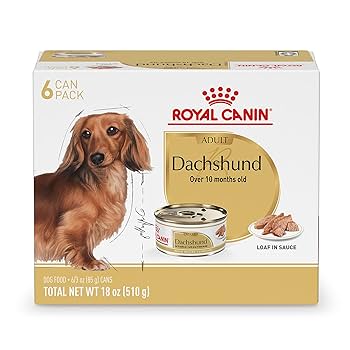
Wet food has a higher moisture content, which helps keep dogs hydrated. Its soft texture is easier for Dachshunds with dental issues to eat. Wet food is often more flavorful, encouraging picky eaters. It provides a good source of protein and fat for energy. This type can be mixed with dry kibble for variety.
Raw And Homemade Diets
Raw and homemade diets give full control over ingredients. Fresh meats, vegetables, and grains make this diet nutrient-rich. It suits owners who want to avoid preservatives and fillers. Preparing meals at home ensures food quality and freshness. Careful planning is needed to meet all nutritional needs. Consulting a vet is important for safe meal plans.
Credit: www.amazon.com
Feeding Guidelines
Feeding your Dachshund correctly helps keep them healthy and happy. Proper nutrition supports their energy, growth, and overall well-being. Follow clear feeding guidelines for best results. This section covers portion sizes, meal frequency, and hydration tips.
Portion Sizes By Age And Weight
Portion size depends on your Dachshund’s age and weight. Puppies need more food per pound than adults. A small puppy may eat ¼ to ½ cup of food daily. Adult Dachshunds usually eat ½ to 1 cup per day. Overweight dogs need smaller portions to avoid health issues. Use your dog’s weight to adjust food amounts carefully.
Meal Frequency Suggestions
Puppies require more frequent meals than adults. Feed puppies three to four times daily for steady energy. Adult Dachshunds do well with two meals a day. Avoid free-feeding to prevent overeating. Stick to regular meal times for better digestion and routine.
Hydration Importance
Fresh water must always be available for your Dachshund. Water supports digestion, temperature control, and joint health. Check water bowls several times a day. Encourage your dog to drink more during hot weather or after exercise. Proper hydration keeps your dog active and healthy.
Foods To Avoid
Choosing the right foods for your Dachshund is important. Some foods can harm their health. Avoiding these foods keeps your dog safe and happy. Learn what to watch out for in their diet.
Toxic Human Foods
Many human foods can be dangerous for Dachshunds. Chocolate contains substances that can poison dogs. Grapes and raisins can cause kidney failure. Onions and garlic can damage their red blood cells. Avoid giving your dog these foods at all times.
Harmful Ingredients In Dog Food
Some dog foods have ingredients harmful to Dachshunds. Artificial colors and flavors can cause allergies. Excess salt can harm their heart and kidneys. Avoid foods with too many fillers like corn or wheat. Choose foods with clear, natural ingredients instead.
Allergens And Sensitivities
Dachshunds may have food allergies or sensitivities. Common allergens include beef, dairy, and soy. Watch for itching, redness, or upset stomach after meals. If signs appear, try a hypoallergenic diet. Consult a vet for the best food choices.

Credit: www.amazon.com
Supplements For Dachshunds
Supplements help support Dachshunds’ health beyond their regular diet. They provide extra nutrients that may be missing or needed in higher amounts. Choosing the right supplements can improve your dog’s energy, joint health, and digestion. Here are some key supplements that work well for Dachshunds.
Omega Fatty Acids
Omega fatty acids help keep your Dachshund’s skin and coat healthy. They reduce itching and dryness. These fats also support brain function and reduce inflammation. Fish oil is a common source of omega-3 fatty acids. Adding it to your dog’s diet can improve overall health and shine.
Glucosamine And Chondroitin
Dachshunds often face joint problems due to their long backs. Glucosamine and chondroitin help keep joints strong and flexible. These supplements may reduce pain and improve movement. They support cartilage repair and slow joint wear. Giving these supplements can help your dog stay active longer.
Probiotics And Enzymes
Probiotics promote good bacteria in the gut, aiding digestion. They improve nutrient absorption and reduce stomach issues. Digestive enzymes break down food efficiently. Together, they support a healthy digestive system. Adding these supplements can help your Dachshund maintain a happy tummy and better health.
Frequently Asked Questions
What Are The Essential Nutrients For Dachshund Dogs?
Dachshunds need protein, healthy fats, vitamins, and minerals for energy and growth. Balanced nutrients support their muscles and bones.
How Much Protein Should Dachshund Dogs Consume Daily?
Dachshunds require about 18-22% protein daily. Protein helps maintain muscle mass and overall health.
Which Fats Are Best For Dachshund Dogs’ Skin?
Omega-3 and Omega-6 fatty acids are ideal. These fats improve coat shine and reduce skin inflammation.
Are Carbohydrates Necessary For Dachshund Dogs?
Yes, moderate carbohydrates provide energy and support digestion. Choose whole grains and vegetables for better nutrition.
Conclusion
Choosing the right nutrition helps your Dachshund stay healthy and happy. Balanced meals support their energy and strong bones. Proteins, fats, vitamins, and minerals matter most. Avoid harmful foods and stick to vet advice. Fresh water should always be available.
Feeding them well shows you care. Small changes can make a big difference. Keep learning about their needs for longer life. Give your Dachshund the best chance to thrive. Simple steps lead to a joyful, healthy dog.


