Choosing the right dog breed is more than just picking a cute face. It’s about finding a furry friend who fits your lifestyle, personality, and home.
You want a dog that makes your life better, not harder. But with so many breeds out there, how do you know which one is perfect for you? This guide will help you discover the key factors to consider so you can make a choice you’ll be happy with for years to come.
Keep reading, and soon you’ll be one step closer to welcoming your ideal canine companion.
Assess Your Lifestyle
Choosing the right dog breed starts with a clear look at your lifestyle. Dogs need care and attention that match your daily habits. Matching a dog’s needs with your routine helps keep both happy. This section guides you through key lifestyle factors to consider before picking a dog.
Activity Level And Exercise Needs
Dogs have different energy levels. Some need lots of running and playtime. Others prefer short walks and quiet time. Think about your activity habits. Do you enjoy jogging or hiking? Or do you like relaxing at home? Choose a dog that fits your energy. Active dogs suit active owners. Calm dogs fit quieter lifestyles better.
Living Space Considerations
Space matters for a dog’s comfort. Big dogs need room to move and stretch. Small dogs can live well in apartments. Check your home size and yard availability. A large yard helps dogs play freely. Limited space means you need a dog that adapts to smaller areas. Think about noise rules and neighbors too.
Work Schedule And Time Commitment
Time is crucial for a dog’s well-being. Dogs need feeding, walks, and attention daily. Long work hours can leave dogs alone too long. Puppies and some breeds need more care and training. Consider your job hours and flexibility. Choose a dog that fits your available time. Some dogs handle alone time better than others.
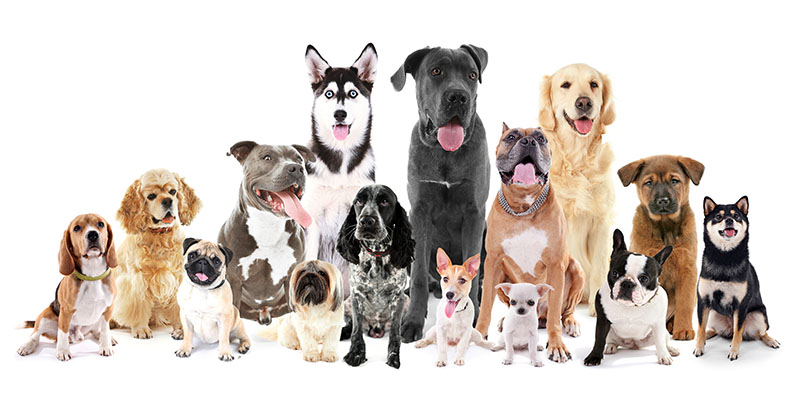
Credit: www.harmonyanimalhospital.net
Consider Size And Space
Choosing the right dog breed means thinking about size and space. Dogs need room to move and play. Your living area affects which breed fits best. Small dogs can thrive in tight spaces. Large dogs need more room to feel comfortable. Understanding space helps you pick a happy, healthy dog.
Small Vs Large Breeds
Small breeds are easy to manage in small homes. They need less space to run and play. Large breeds need more room to stretch their legs. They may feel cramped in small apartments. Size affects exercise needs and daily care. Choose a breed that matches your space.
Apartment Living Challenges
Apartment living can limit space for dogs. Noise rules and neighbors can add stress. Small breeds handle apartment life better. Large dogs may get restless and anxious. Consider breed energy levels and exercise needs. Some dogs adjust well, others struggle.
Outdoor Space Importance
Outdoor space gives dogs room to explore and exercise. Large breeds especially benefit from yards or parks nearby. Dogs need fresh air and space to burn energy. Without outdoor space, dogs may become bored or destructive. Think about your access to safe outdoor areas before choosing a breed.
Evaluate Temperament
Evaluating a dog’s temperament is key to choosing the right breed. Temperament shows how a dog acts and reacts in different situations. It affects daily life and your bond with the dog. Understanding temperament helps match a dog to your lifestyle.
Energy And Playfulness
Dogs have different energy levels. Some breeds are very active and need lots of playtime. Others prefer calm and quiet moments. Choose a breed that fits your daily routine. Active dogs need space to run and play. Low-energy dogs are happy with short walks.
Social Behavior With Family And Pets
Some dogs love being around people and other animals. They enjoy family time and social events. Other breeds might be shy or protective. Consider how the dog will behave with children and other pets. A friendly dog makes life easier and more joyful.
Trainability And Intelligence
Trainability varies by breed. Some dogs learn commands quickly and follow rules well. Others need more patience and practice. Intelligent dogs enjoy mental challenges and tasks. Choose a breed that matches your training style and experience. This ensures a happier pet and owner.

Credit: www.amazon.com
Check Health And Lifespan
Choosing the right dog breed means thinking about health and lifespan. These factors affect your dog’s quality of life and your long-term care plans. Understanding common health problems and how long a breed usually lives helps you prepare better. Grooming needs also tie into health and daily care.
Common Breed Health Issues
Every dog breed has some health risks. Large dogs often face joint problems like hip dysplasia. Small breeds may have dental issues or heart problems. Some breeds are prone to allergies or breathing troubles. Research each breed’s common illnesses. This helps avoid surprises and plan vet visits.
Lifespan Expectations
Dog lifespans vary by breed size and genetics. Small breeds live longer, often 12 to 16 years. Large breeds may live 8 to 12 years. Knowing lifespan helps prepare emotionally and financially. It also guides how much time you can spend with your pet. Choose a breed that fits your lifestyle and long-term plans.
Grooming And Maintenance Needs
Grooming affects your dog’s health and comfort. Some breeds need daily brushing to avoid mats and skin issues. Others require regular haircuts or baths. Long-haired dogs may need more grooming time. Short-haired dogs often need less care but still need regular cleaning. Choose a breed with grooming needs you can manage.
Match Breed To Purpose
Choosing the right dog breed means matching the dog’s natural traits to your needs. Dogs have different strengths and personalities. Some dogs love being close to family, while others work hard or enjoy sports. Knowing your purpose helps find a dog that fits your life well.
Companionship And Family Dogs
Family dogs are friendly, gentle, and patient. They enjoy being around children and adults. Breeds like Labradors and Golden Retrievers are popular for families. These dogs need love and attention. They often have calm temperaments and are easy to train.
Working And Service Dogs
Working dogs have special jobs like guarding, herding, or helping people with disabilities. Breeds like German Shepherds and Border Collies excel in these roles. These dogs need training and mental challenges. They are active and focused, ready to perform tasks.
Sport And Activity Dogs
Sport dogs love exercise and games. They enjoy running, jumping, and swimming. Breeds such as Australian Shepherds and Vizslas thrive with lots of physical activity. These dogs need daily exercise to stay happy and healthy. They are great for active owners.

Credit: www.akc.org
Research Breed History
Researching a dog breed’s history helps you understand its needs and personality. This knowledge guides you in picking a breed that fits your lifestyle. A dog’s past shows how it behaves and what care it requires. Let’s explore key aspects of breed history to consider before choosing your pet.
Origin And Background
Knowing a breed’s origin reveals why it was created. Some dogs were bred for hunting, guarding, or herding. This history affects their energy levels and instincts today. For example, herding dogs often need lots of exercise. Understanding a breed’s background helps predict its daily needs.
Behavioral Traits
Each breed has unique behaviors shaped by its history. Some dogs are calm and gentle. Others are lively and protective. Studying these traits prepares you for training and socializing your dog. Matching a breed’s behavior to your home life avoids future problems.
Breed Popularity Trends
Popularity trends show which breeds are common or rare. Popular breeds may have more health issues due to overbreeding. Less common breeds might be harder to find but can be healthier. Knowing trends helps you make an informed choice and find a responsible breeder.
Meet Different Breeds
Meeting different dog breeds helps you understand their unique traits. It shows you how each breed behaves and looks. This hands-on experience guides your choice. You learn which breeds fit your lifestyle and personality best.
Spending time with dogs reveals their energy levels and needs. It helps you see how they interact with people and other pets. This insight is important before making a decision.
Visit Shelters And Rescues
Shelters have many dogs of all breeds and mixes. You can meet dogs in person and watch their behavior. Staff members can share details about each dog’s habits and health. Visiting shelters supports animals in need of homes too.
Attend Dog Shows And Events
Dog shows display many breeds side by side. You can observe dogs’ looks and movements closely. Events often have experts who answer your questions. This is a great chance to learn breed standards and temperaments.
Talk To Breeders And Owners
Breeders know their breeds well and share useful information. They explain breed traits, care needs, and common health issues. Talking to owners gives real-life experiences and honest feedback. This helps you set clear expectations about each breed.
Prepare For Commitment
Choosing the right dog breed means preparing for a big commitment. Dogs need more than love. They need time, money, and care. Understanding what this commitment involves helps you make a smart choice. It sets you and your dog up for a happy life together.
Financial Responsibilities
Owning a dog costs money. Food, vet visits, and supplies add up fast. Some breeds need special diets or more grooming. Emergency vet bills can surprise you. Budget for these expenses before bringing a dog home. This step protects your pet’s health and your wallet.
Training And Socialization
Dogs need training to behave well. Training takes patience and time. Puppies learn quickly but need consistent guidance. Socialization helps dogs feel safe with people and other pets. A well-socialized dog is happier and less anxious. Plan to spend time teaching and socializing your dog every day.
Long-term Care And Attention
Dogs live many years. They need daily exercise and mental stimulation. Older dogs may require special care. Regular checkups keep dogs healthy longer. Your dog depends on you for comfort and safety. Prepare to give your dog love and attention all their life.
Frequently Asked Questions
What Factors Should I Consider When Choosing A Dog Breed?
Consider your lifestyle, living space, activity level, and allergies. Also, think about the dog’s size, temperament, and grooming needs. Matching these factors ensures a happy, healthy relationship with your new dog.
How Does A Dog’s Size Affect My Choice?
Size impacts space, exercise needs, and care requirements. Larger dogs need more room and exercise, while smaller breeds fit well in apartments. Choose a size that suits your living environment and daily routine.
Which Dog Breeds Are Best For Families With Children?
Breeds like Labrador Retrievers, Golden Retrievers, and Beagles are gentle and patient. These dogs usually get along well with children and are easy to train, making them ideal family pets.
How Important Is A Dog’s Energy Level In Selection?
Energy level affects exercise needs and daily activities. High-energy dogs need lots of play and walks. Low-energy breeds require less exercise and are more relaxed. Choose one matching your activity habits.
Conclusion
Choosing the right dog breed takes thought and care. Think about your home, lifestyle, and time. Some dogs need lots of exercise, while others like to relax. Match a breed’s needs with what you can give. This helps keep both you and your dog happy.
Take your time. Enjoy finding a friend who fits your life well. Your perfect dog is waiting.