

Are you sure your dog is getting the right nutrition? What you feed your furry friend affects their energy, health, and happiness every single day.
Understanding where dogs get their nutrition and what they truly need can make a big difference in their life. You’ll discover the essentials of dog nutrition and how to choose the best food to keep your pet thriving. Keep reading—your dog’s health depends on it!
Essential Nutrients For Dogs
Dogs need a balanced diet to stay healthy and active. Essential nutrients help their body grow, repair, and work properly. Each nutrient plays a special role in keeping dogs strong and happy. Understanding these nutrients helps pet owners choose the best food for their dogs.
Proteins And Amino Acids
Proteins build muscles, skin, and organs. Dogs get protein from meat, fish, and eggs. Amino acids are the building blocks of protein. Some amino acids are essential because dogs cannot make them. Protein supports growth and repairs body tissues.
Fats And Fatty Acids
Fats give dogs energy and keep their skin healthy. Fatty acids like omega-3 and omega-6 support the brain and coat. Good fats also help absorb vitamins. Too much fat can cause weight gain, so balance is key.
Carbohydrates And Fiber
Carbohydrates provide energy for daily activities. Fiber helps digestion and keeps the stomach healthy. Whole grains and vegetables are good sources. Fiber can also prevent constipation and improve gut health.
Vitamins And Minerals
Vitamins help the immune system and keep eyes and bones strong. Minerals like calcium and phosphorus build bones and teeth. These nutrients also support heart and nerve functions. A lack of vitamins or minerals can cause health problems.
Water Requirements
Water is vital for all body functions. It keeps dogs cool and helps digestion. Fresh water should be available at all times. Dehydration can lead to serious health issues. Drinking enough water is essential for life.
Types Of Dog Food
Choosing the right type of dog food is important for your pet’s health. Dogs need balanced nutrition to stay strong and active. Different types of food offer different benefits and suit different needs. Understanding the main options helps you pick the best food for your dog.
Dry Kibble Benefits
Dry kibble is the most common dog food type. It is easy to store and lasts longer than other foods. Kibble helps keep your dog’s teeth clean by reducing plaque. It is also affordable and comes in many flavors and formulas. Many dogs enjoy the crunchy texture.
Wet Food Options
Wet dog food contains more moisture than dry kibble. It can be easier for dogs to chew and digest. Wet food often smells stronger, which some dogs prefer. It helps keep dogs hydrated, especially if they do not drink much water. Wet food usually costs more than dry food.
Raw Diet Considerations
A raw diet includes uncooked meat, bones, and vegetables. Supporters say it mimics what dogs ate in the wild. Raw food can improve coat shine and energy levels. Care is needed to avoid bacteria and ensure balanced nutrients. Consult a vet before starting a raw diet.
Homemade Meals Pros And Cons
Homemade meals let you control every ingredient. You can adjust meals to your dog’s taste and health needs. Cooking at home may cost more and take more time. It is hard to make sure meals have all needed nutrients. Always check recipes with a vet or pet nutritionist.
Commercial Vs. Natural Choices
Commercial dog foods include dry, wet, and semi-moist types. They are made to meet nutrition standards and convenience. Natural dog foods often use fewer additives and preservatives. Natural options may have fresher ingredients but cost more. Both types can be healthy if chosen carefully.
Feeding Guidelines By Life Stage
Proper nutrition changes as dogs grow and age. Feeding dogs according to their life stage keeps them healthy and happy. Their bodies need different nutrients at different times. Knowing these needs helps you choose the right food.
Puppy Nutrition Needs
Puppies grow fast and need more calories than adults. Protein helps build strong muscles and bones. Puppies require food rich in vitamins and minerals. Feeding small, frequent meals supports their energy levels. Avoid foods with fillers or artificial ingredients.
Adult Dog Diet
Adult dogs need balanced meals to maintain weight and health. Protein and fat levels should be moderate. Include fiber for good digestion. Portion control prevents obesity. Regular feeding times help with digestion and behavior.
Senior Dog Adjustments
Older dogs digest food slower and need fewer calories. Their diet should support joint health and brain function. Add omega-3 fatty acids and antioxidants. Soft or wet food eases chewing. Monitor weight and adjust food as needed.
Special Needs Diets
Dogs with allergies or health issues need tailored diets. Grain-free, hypoallergenic, or low-fat foods may help. Consult a vet for medical diet plans. Special diets improve quality of life and manage symptoms.

Credit: www.ukvetcompanionanimal.com
Common Dietary Challenges
Dogs need good nutrition for health and happiness. Feeding them right can be tricky. Many dog owners face common challenges in their pets’ diets. Understanding these problems helps you care better for your dog. Below are some frequent dietary issues and how to handle them.
Food Allergies And Sensitivities
Some dogs react badly to certain foods. Allergies cause itching, redness, and upset stomach. Common triggers include beef, chicken, dairy, and wheat. Identifying the problem food is key. Try a simple diet change or hypoallergenic food. Always consult a vet for allergy tests and advice.
Obesity Prevention
Extra weight harms dogs’ joints and heart. Overfeeding and lack of exercise cause obesity. Measure your dog’s food and avoid table scraps. Choose food with balanced nutrients and proper calories. Regular walks and playtime keep dogs fit and happy.
Digestive Issues
Some dogs have sensitive stomachs. Digestive problems cause vomiting, diarrhea, and gas. Feeding small, frequent meals can help. Use easily digestible foods with fiber and probiotics. Avoid sudden diet changes to keep digestion stable. Watch your dog closely and ask a vet if problems continue.
Picky Eaters Solutions
Many dogs refuse to eat certain foods. Picky eating can cause poor nutrition. Try mixing wet and dry food for taste and texture. Warm the food slightly to enhance aroma. Offer meals at regular times and remove leftovers after 20 minutes. Patience and consistency often improve eating habits.
Supplements And Treats
Supplements and treats can help improve your dog’s health and happiness. They support nutrition and reward good behavior. Choosing the right ones matters for your dog’s well-being.
When To Use Supplements
Supplements help fill gaps in your dog’s diet. They can support joints, skin, and digestion. Use them if your dog has special health needs. Always ask your vet before starting supplements. Overuse can cause harm. Quality and dosage matter for safety.
Safe Treat Choices
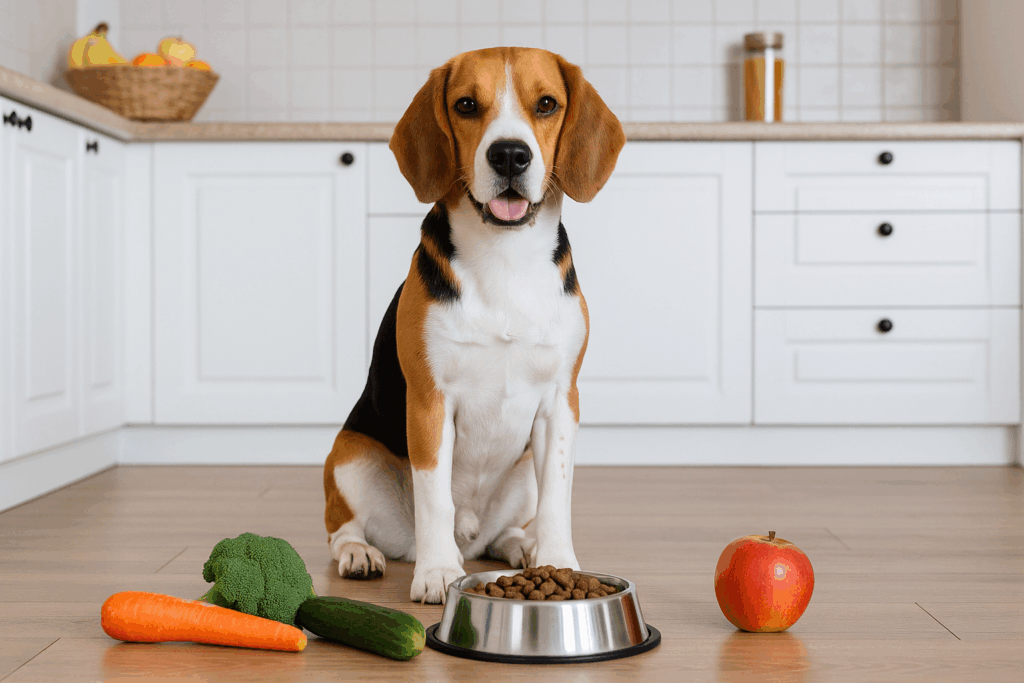
Pick treats made from natural ingredients. Look for options with few additives and low sugar. Treats should be small and easy to chew. Use treats to train or reward good behavior. Avoid giving too many treats to prevent weight gain.
Avoiding Harmful Additives
Check labels for artificial colors and flavors. These can upset your dog’s stomach or cause allergies. Avoid treats with preservatives like BHA or BHT. These chemicals may harm your dog’s health over time. Choose simple, wholesome treats for safety.
Credit: qualifiedpetservices.com
Tips For Balanced Feeding
Balanced feeding is key to keeping dogs healthy and happy. Proper nutrition supports energy, growth, and overall well-being. Feeding dogs the right amount and type of food helps avoid weight issues and nutrient gaps.
Following simple tips can make feeding easier and more effective. These tips help maintain a balanced diet tailored to your dog’s needs. Understanding portion sizes, food labels, and food changes is important.
Portion Control Strategies
Measure your dog’s food using a cup or scale for accuracy. Follow feeding guidelines on the dog food package. Adjust portions based on your dog’s age, weight, and activity level. Avoid free-feeding to prevent overeating. Dividing food into two or three meals improves digestion and energy.
Reading Dog Food Labels
Check the ingredient list for quality protein sources like chicken or beef. Avoid foods with too many fillers such as corn or wheat. Look for essential nutrients like vitamins and minerals. Confirm the food meets AAFCO standards for balanced nutrition. Beware of artificial colors or preservatives that may harm health.
Transitioning Between Foods
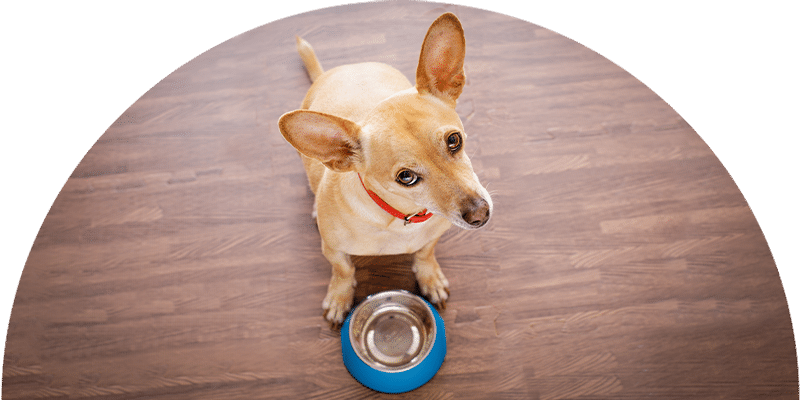
Switch foods gradually over 7 to 10 days to avoid stomach upset. Start by mixing a small amount of new food with the old. Increase the new food amount slowly while decreasing the old. Watch your dog for any signs of allergies or digestive problems. Consistency helps your dog accept new tastes and textures.
Credit: love.vet
Frequently Asked Questions
What Nutrients Do Dogs Need For Balanced Nutrition?
Dogs require proteins, fats, carbohydrates, vitamins, and minerals. These nutrients support energy, growth, and overall health. A balanced diet ensures proper immune function and healthy skin.
How Can I Improve My Dog’s Nutrition At Home?
Feed high-quality dog food with essential nutrients. Include fresh vegetables and lean meats. Avoid harmful foods like chocolate, onions, and grapes.
When Should I Consult A Vet About My Dog’s Diet?
Consult a vet if your dog has weight changes, allergies, or digestive issues. Regular check-ups help tailor nutrition to your dog’s specific needs.
Are Commercial Dog Foods Nutritionally Complete?
Most commercial dog foods are formulated to meet nutritional standards. Look for products labeled “complete and balanced” by AAFCO for assurance.
Conclusion
Good dog nutrition helps keep pets healthy and happy. Balanced food gives them energy and supports growth. Fresh water is just as important as good food. Regular meals and the right treats prevent health problems. Knowing what dogs need helps owners make smart choices.
Healthy dogs live longer and feel better every day. Caring for your dog’s nutrition shows love and respect. Simple steps can make a big difference in their life. Keep learning about dog food to provide the best care. Your dog deserves good nutrition and a joyful life.


