

You want the best for your dog, especially when it comes to their diet. But how do you know when it’s the right time to switch from puppy food to adult food?
Making this change too early or too late can affect your dog’s health and energy. You’ll discover the key signs that show your dog is ready for adult food. Keep reading to learn how to make this important transition smoothly and keep your furry friend happy and healthy.
Credit: paw-review.com
Puppy Growth Stages
Puppy growth stages mark important changes in a dog’s life. Each stage needs different care and nutrition. Understanding these stages helps decide when to switch to adult food. Puppies do not grow at the same speed all the time. Their bodies and minds develop step by step.
Rapid Growth Phase
Puppies grow very fast in the first few months. Their bones, muscles, and organs develop quickly. They need more calories and nutrients during this time. High-quality puppy food supports strong growth and health. This phase usually lasts until six months old. Feeding the right food helps prevent health problems later.
Development Milestones
After rapid growth, puppies reach many milestones. They learn to walk, play, and socialize. Their teeth change from baby teeth to adult teeth. Energy levels start to balance out. Around one year old, growth slows down. This is the time to consider adult food for your dog.
Signs To Switch
Knowing when to switch your dog from puppy food to adult food is important for their health. Signs to switch help you make the right choice. These signs show your dog is ready for a new diet. Pay attention to physical and behavioral changes. They tell you a lot about your dog’s growth.
Physical Indicators
Your dog’s size and weight give clues. Puppies grow fast and need extra nutrients. When growth slows, it may be time to change food. Check teeth, too. Puppies get adult teeth around six months. Stronger teeth need different nutrition. Coat quality matters as well. A shiny, healthy coat shows good growth. If your puppy looks bigger and less round, adult food might be best.
Behavioral Changes
Energy levels often shift as puppies grow. Young puppies are very active and playful. As they mature, energy usually balances out. Less hyperactivity can mean your dog is ready for adult food. Appetite changes also appear. Puppies may eat less or more regularly. Watch how your dog eats. Changes in eating habits can signal readiness. New behaviors like less chewing on everything also help you decide.
Breed And Size Impact
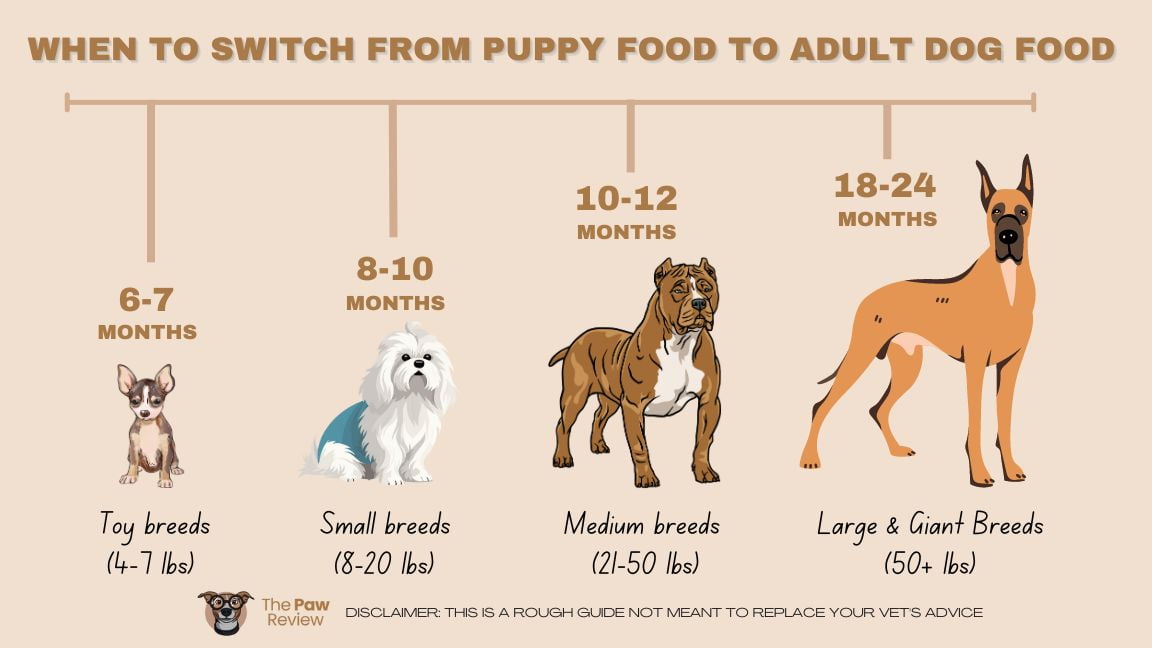
Breed and size play a big role in deciding when a dog should start eating adult food. Different breeds grow at different speeds. Their size affects their nutrition needs too. Understanding these differences helps provide the right food at the right time.
Small Breeds
Small breed dogs mature faster than big breeds. They often reach adulthood by 9 to 12 months. Their bodies need more calories per pound than large dogs. Switching to adult food around one year is usually best. This helps support their high energy and fast metabolism.
Large Breeds
Large breed dogs grow slower and take longer to mature. Some may not be fully grown until 18 to 24 months. Feeding adult food too early can cause health problems. Large breeds need special puppy food with balanced calcium and protein. Transitioning to adult food should happen closer to two years of age.
Choosing The Right Adult Food
Choosing the right adult food for your dog is important for their health. Adult dogs have different needs than puppies. Their food should help keep them strong and active.
Not all dog foods are made the same. Picking the right one can make a big difference in your dog’s life. Focus on what your dog needs now.
Nutritional Needs
Adult dogs need balanced nutrition. Protein helps build muscles. Fat gives energy and keeps the coat shiny. Carbohydrates provide fuel for daily activities.
Vitamins and minerals support bones and the immune system. Avoid foods with too many fillers. Choose food made for adult dogs, not puppies or seniors.
Quality Ingredients
Look for dog food with real meat as the first ingredient. Avoid foods with too many artificial additives. Natural ingredients support better digestion and health.
Whole grains, vegetables, and fruits add fiber and nutrients. Good quality food helps your dog feel good and live longer. Check the label to see what is inside.
Transitioning Tips
Switching your dog from puppy food to adult food needs care. A smooth change helps your dog adjust well. It also keeps their health stable. Follow these simple tips to make the switch easy and safe.
Gradual Introduction
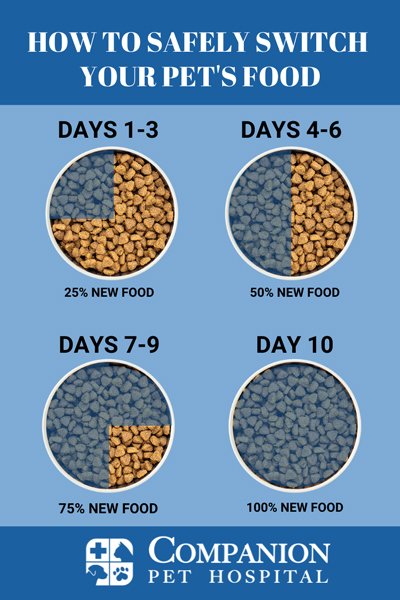
Start by mixing a small amount of adult food with puppy food. Increase adult food over 7 to 10 days. This slow change helps your dog’s stomach adjust. Sudden changes can cause upset stomach or refusal to eat. Watch your dog’s eating habits during this time.
Monitoring Digestive Health
Check your dog’s stool for changes in color or consistency. Soft or loose stools may mean the food is too new. Stop increasing adult food if you see diarrhea or vomiting. Give your dog time to get used to the new food. Healthy digestion means your dog is ready for full adult food.
Common Mistakes To Avoid
Switching your dog to adult food is an important step. Many pet owners make mistakes that can affect their dog’s health. Knowing what to avoid helps your dog grow strong and healthy.
Too Early Switch
Changing to adult food too soon can harm your puppy. Puppies need special nutrients for growth. Adult food may lack these essential nutrients. This can cause poor development and health problems. Wait until your vet says it is time.
Ignoring Individual Needs
Every dog is different. Age, breed, and size affect their diet needs. Some dogs grow faster, others slower. Some need more energy or protein. Watch your dog’s behavior and health closely. Adjust food type and amount as needed. Consult your vet for personalized advice.
Veterinarian Recommendations
Veterinarians play a key role in deciding the right time for dogs to switch to adult food. They watch your dog’s growth and health closely. Their advice helps avoid feeding mistakes that can harm your dog.
Regular Checkups
Regular vet visits help track your dog’s development. Vets check weight, teeth, and energy levels. These signs show if your dog is ready for adult food. Some dogs grow faster, others slower. Checkups ensure feeding matches their needs. Vets may suggest waiting or starting adult food early.
Personalized Feeding Plans
Each dog is unique. Vets create feeding plans based on size and breed. Puppies of large breeds need different nutrition than small breeds. Health issues also affect food choices. Your vet may recommend special diets. Personalized plans keep your dog healthy and strong. They help avoid obesity or malnutrition during growth.
Credit: www.bluebuffalo.com
Credit: companionpethospital.com
Frequently Asked Questions
When Is The Right Age To Switch To Adult Dog Food?
Most dogs should switch to adult food between 12 to 18 months. Larger breeds may need more time, up to 24 months. Consult your vet to ensure the timing suits your dog’s growth and health needs.
How Do I Know My Dog Is Ready For Adult Food?
Signs include slowed growth, weight stabilization, and decreased puppy energy. Your vet can confirm readiness based on breed and health. Transitioning too early or late can affect nutrition and development.
What Are Risks Of Switching Dog Food Too Early?
Switching too soon may cause digestive issues and nutrient imbalances. Puppies need extra calories and nutrients to support growth. Adult food lacks these, possibly leading to deficiencies or poor development.
Can I Feed Adult Food To Puppies Occasionally?
Occasional feeding is not recommended as adult food lacks essential puppy nutrients. Consistent feeding of age-appropriate food ensures balanced growth and health. Always prioritize puppy-specific formulas until the proper age.
Conclusion
Choosing the right time to switch your dog to adult food matters. Most dogs start adult food between one and two years old. Watch your dog’s size, breed, and health for clues. Proper nutrition supports their growth and energy needs.
Changing food too early or late can cause problems. Talk with your vet to find the best time. Keep your dog healthy and happy with the right diet. A smooth transition helps avoid stomach upset. Remember, every dog is different.
Stay patient and observe your pet closely.


