

Are you wondering when to switch your large breed puppy to adult dog food? It’s a question many dog owners face, and the answer isn’t always simple.
Giving your puppy the right food at the right time can impact their growth, health, and energy levels for years to come. If you switch too early or too late, it could lead to problems like weight gain or joint issues.
Keep reading to discover the key signs and expert tips that will help you make the best choice for your growing dog. Your puppy’s future health depends on it!
Growth Stages Of Large Breed Puppies
Large breed puppies grow fast and need special care during their early months. Their bodies change a lot from tiny babies to strong adults. Understanding these growth stages helps you feed them right. Feeding large breed puppies the wrong food can cause health problems later. Knowing when to switch to adult dog food is important for their well-being.
Each stage of growth has unique needs. These needs affect their diet and energy levels. Let’s explore the key development milestones and nutritional needs at each stage.
Key Development Milestones
In the first few weeks, puppies rely on their mother’s milk. Their bones and muscles start to grow rapidly. By 8 weeks, they begin to eat solid food. Between 3 to 6 months, large breed puppies gain most of their height. Their joints and bones strengthen during this time. At 6 to 12 months, growth slows down. They develop more muscle and coordination. After 12 months, many large breeds reach adult size but still fill out.
Nutritional Needs At Each Stage
Newborn puppies need rich, fatty milk to support growth. Once they start eating solid food, they need puppy food with balanced nutrients. Large breed puppy food contains less calcium to protect growing bones. Between 3 to 6 months, they need high protein and fat for energy. After 6 months, reduce calories to avoid too fast growth. Around 12 months, switching to adult food depends on the breed and size. Adult food has fewer calories and supports maintenance instead of growth.
Differences Between Puppy And Adult Dog Food
Puppies and adult dogs need different food types. Large breed puppies grow fast. Their food must support strong bones and muscles. Adult dog food suits dogs that have stopped growing. Understanding the differences helps choose the right food at the right time.
Nutrient Composition
Puppy food has more protein and fat than adult food. These nutrients help build muscles and energy. Puppies also need extra calcium and phosphorus for bones. Adult food has fewer nutrients since growth slows down. Feeding adult food too soon can cause nutrient gaps.
Calorie Density
Puppy food is higher in calories. Growing puppies burn more energy daily. Adult dog food has fewer calories to prevent weight gain. Large breed puppies need balanced calories to avoid fast growth. Too many calories can harm their joints and bones.
Impact On Growth
Proper food controls growth rate in large breed puppies. Puppy food supports healthy development and strong bones. Adult food lacks key nutrients for growing dogs. Switching to adult food too early may stunt growth. Waiting for the right time helps prevent health issues.
Signs Your Puppy Is Ready For Adult Food
Knowing when your large breed puppy is ready for adult dog food is important. Puppies grow fast, but their diet needs to change at the right time. Feeding adult food too early or too late can affect their health and growth. Watch your puppy closely for signs that show it is time to switch.
Physical Indicators
Your puppy’s body shows clear signs of readiness. Their bones and muscles become stronger and more developed. The puppy may reach about 80% of their expected adult size. Teeth start to look more like an adult dog’s teeth. Coat texture often changes, becoming thicker or shinier. Weight gain may slow down compared to the rapid growth in early months.
Behavioral Changes
Changes in behavior also hint at readiness for adult food. Puppies may become less hyperactive and more calm. They start eating less frequently but consume larger meals. Playtime may become less intense and shorter. Your puppy may show more interest in routine and less in constant exploration. These changes mean their energy needs are shifting.
Recommended Age To Transition
Knowing the right time to switch large breed puppies to adult dog food is important. This change affects their growth and health. Puppies need special nutrients to grow strong. But adult dogs need different nutrition. The timing depends on several factors. Understanding these helps you make the best choice.
Breed Size Considerations
Large breed puppies grow fast but stop growing later than small breeds. Their bones and joints need extra care. Feeding adult food too soon can cause health problems. Most large breeds should stay on puppy food until about 12 to 18 months old. This food supports healthy growth. Watch your puppy’s size and weight to decide when to change.
Veterinary Guidelines
Veterinarians suggest checking growth and health before switching foods. They may recommend adult food after your puppy reaches full height. A vet can spot if your puppy needs more time on puppy food. Regular vet visits help track development. Always ask your vet before changing your puppy’s diet.
How To Transition Safely
Switching your large breed puppy to adult dog food needs care. Sudden changes can upset their stomach. A safe transition helps their body adjust. It keeps your puppy healthy and happy.
Gradual Food Mixing
Start by mixing 25% adult food with 75% puppy food. Do this for three days. Then, change the ratio to 50% adult and 50% puppy food. After three more days, mix 75% adult food with 25% puppy food. Finally, give only adult food. This slow change helps avoid digestion problems.
Monitoring Health During Transition
Watch your puppy’s stool for changes. Soft or loose stool means too fast a change. Check for vomiting or loss of appetite. Keep an eye on energy levels and mood. If problems happen, slow the transition. Talk to your vet if issues last more than a few days.

Credit: www.bil-jac.com
Risks Of Early Or Late Transition
Switching large breed puppies to adult dog food at the right time is important. Changing too early or too late can cause problems. The puppy’s body needs the right nutrients to grow strong and healthy. Giving adult food too soon or too late can affect their health and development.
Potential Health Issues
Feeding adult dog food too early may cause nutrient imbalance. Puppies need extra calcium and protein for growth. Adult food may lack these nutrients. This can lead to weak bones and poor muscle development. Late transition to adult food can cause weight gain. Excess calories in puppy food may lead to obesity. Obesity increases the risk of heart and liver problems.
Growth And Joint Concerns
Large breed puppies grow fast. Their joints and bones need special care. Early adult food may not support proper bone growth. This can cause joint pain and deformities. Staying on puppy food too long can stress joints. Extra nutrients in puppy food can lead to rapid growth. Rapid growth may cause hip and elbow dysplasia. Balanced nutrition helps maintain healthy joints and muscles.
Choosing The Right Adult Food
Choosing the right adult food for large breed puppies is very important. Their nutritional needs change as they grow. Feeding the right food helps keep their bones and joints healthy. It also supports steady growth and energy levels. Selecting a proper diet ensures your dog stays strong and happy.
Nutritional Requirements For Large Breeds
Large breed dogs need balanced nutrition to avoid health problems. They require more protein than small dogs for muscle development. Calcium and phosphorus must be in correct amounts for bone strength. Too much or too little can cause joint issues. Moderate fat levels provide energy without causing excess weight. Large breeds also benefit from added nutrients like glucosamine for joint support.
Top Ingredients To Look For
Choose adult dog food with high-quality protein sources. Meat, fish, or poultry should be among the first ingredients. Whole grains like brown rice or oats offer healthy energy. Look for added vitamins and minerals that support immune health. Ingredients such as flaxseed or fish oil add omega fatty acids for a shiny coat. Avoid foods with fillers like corn or soy, as they provide little nutrition.
Credit: www.justfoodfordogs.com
Expert Tips For Feeding Large Breed Dogs
Feeding large breed puppies needs special care. Their growth is fast but must be steady. Proper food and feeding habits help avoid health problems later. Experts suggest clear rules for feeding to support healthy bones and joints.
These tips focus on portion control and feeding frequency. Both are key to keeping your puppy strong and happy.
Portion Control
Large breed puppies need balanced portions. Too much food can cause rapid growth and joint issues. Too little food slows development and lowers energy.
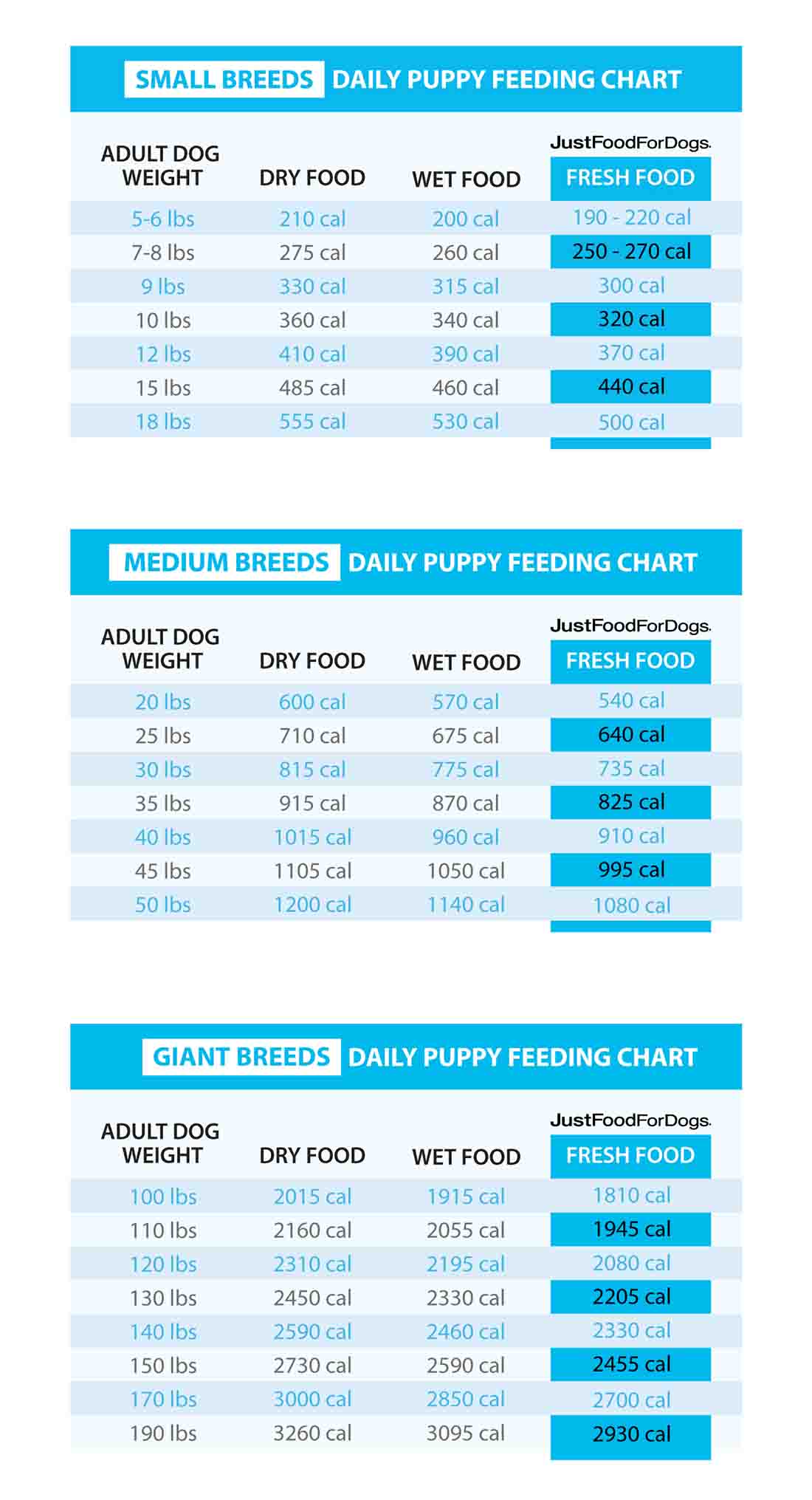
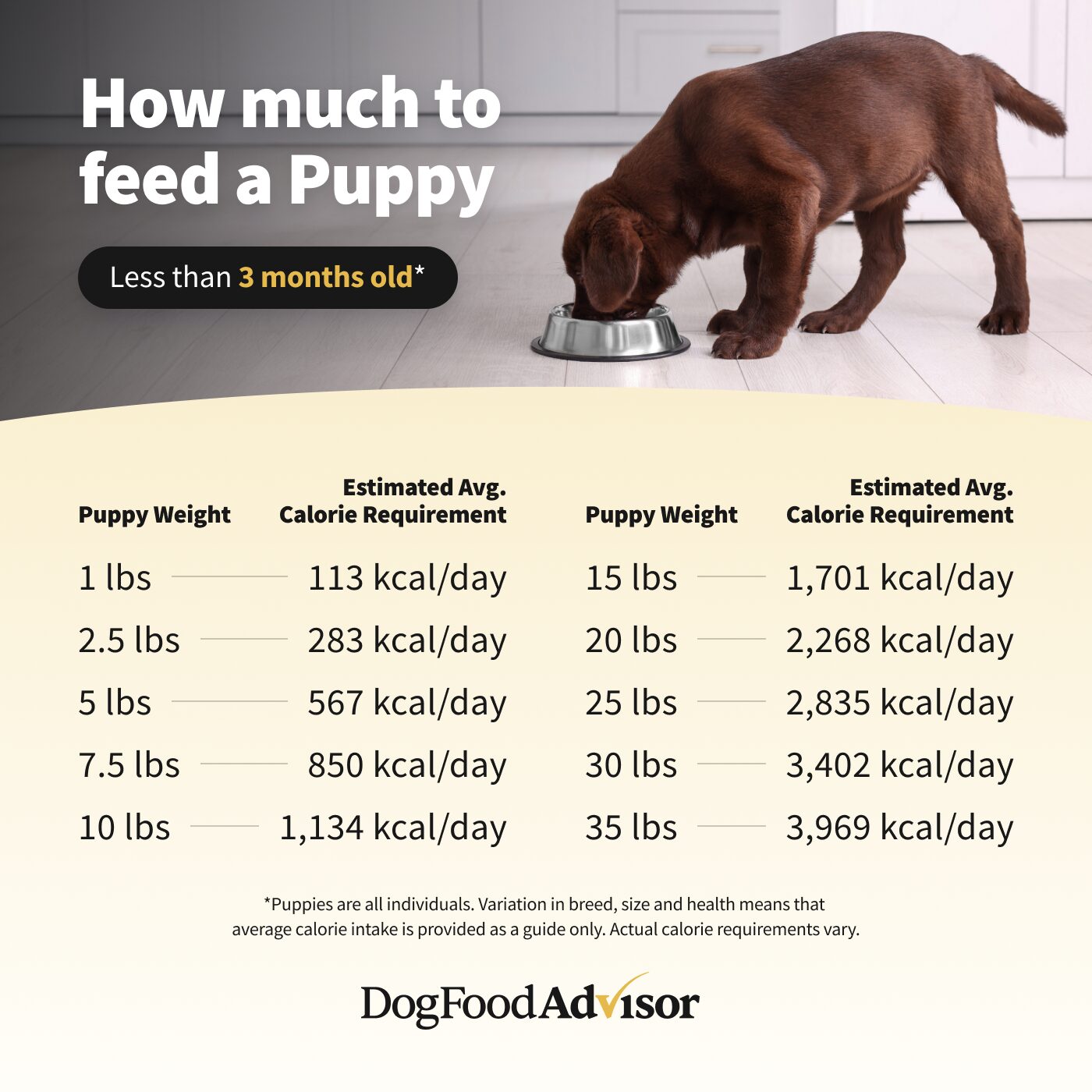
Follow your vet’s advice for daily food amounts. Use a measuring cup for accuracy. Watch your puppy’s weight and body shape. Adjust portions if needed to keep a steady growth.
Feeding Frequency
Divide the daily food into multiple meals. Young puppies may eat three to four times a day. Older puppies can eat twice a day.
Regular meal times keep digestion smooth. Avoid free feeding to control portions. A consistent schedule builds good eating habits and prevents overeating.
Credit: www.dogfoodadvisor.com
Frequently Asked Questions
When Is The Right Age To Switch Large Breed Puppies?
Large breed puppies should transition to adult food between 12 to 18 months. This timing supports their slower growth and joint health. Switching too early or late can cause nutritional imbalances and growth issues. Always consult your vet for personalized advice.
Why Not Feed Adult Food To Large Breed Puppies Early?
Adult food lacks essential nutrients for puppy growth, like higher protein and calcium. Feeding adult food too soon can stunt growth and harm bone development. Puppy formulas are specially designed to support large breed puppies’ rapid growth and energy needs.
How To Recognize When Large Breed Puppies Need Adult Food?
Watch for slowed growth and reaching near adult size, usually around 12-18 months. Consult your vet to assess weight, development, and health before switching. Proper timing helps prevent obesity and joint problems in large breeds.
Can Switching Too Late To Adult Food Harm Large Breeds?
Yes, delaying the switch can cause excessive weight gain and joint stress. Puppy food has higher calories and nutrients that may lead to obesity if fed too long. Transitioning at the right time supports healthy adult weight and mobility.
Conclusion
Large breed puppies grow fast and need special nutrition. Switching to adult dog food too early can cause problems. Wait until your puppy reaches the right age and weight. Watch their growth and ask your vet for advice. The right food helps them stay healthy and strong.
Feeding adult food too soon may harm their bones and joints. Good timing supports a happy and active dog. Keep your puppy’s needs in mind for a smooth transition. Healthy choices now mean a long, joyful life ahead.


