Is your furry friend growing up fast? You might be wondering when to switch your pup from puppy food to adult dog food.
Making this change at the right time is crucial for your dog’s health and happiness. Choosing too early or too late can affect their energy, digestion, and overall well-being. You’ll discover clear signs and expert tips to help you make the best decision for your loyal companion.
Keep reading to ensure your dog gets the nutrition they need at every stage of life.
Credit: www.chewy.com
Puppy Growth Stages
Puppy growth happens in clear stages. Each stage shows different needs and changes. Understanding these stages helps decide when to switch to adult dog food. Puppies grow fast at first. Their diet must match their age and energy.
Feeding the right food supports strong bones and healthy muscles. It also keeps their immune system strong. Knowing the growth stages guides pet owners in giving the best nutrition.
From Newborn To Teenager
Newborn puppies rely on their mother’s milk for the first weeks. After that, they start eating soft, wet food. By eight weeks, many puppies move to solid food. Growth is rapid during this time. By six months, puppies look like small adults but still grow inside.
Teenage puppies need more calories and protein than adults. Their food supports their active play and learning. Switching to adult food too early can slow growth. Waiting too long may cause weight gain. Timing is important.
Breed Size And Growth Rate
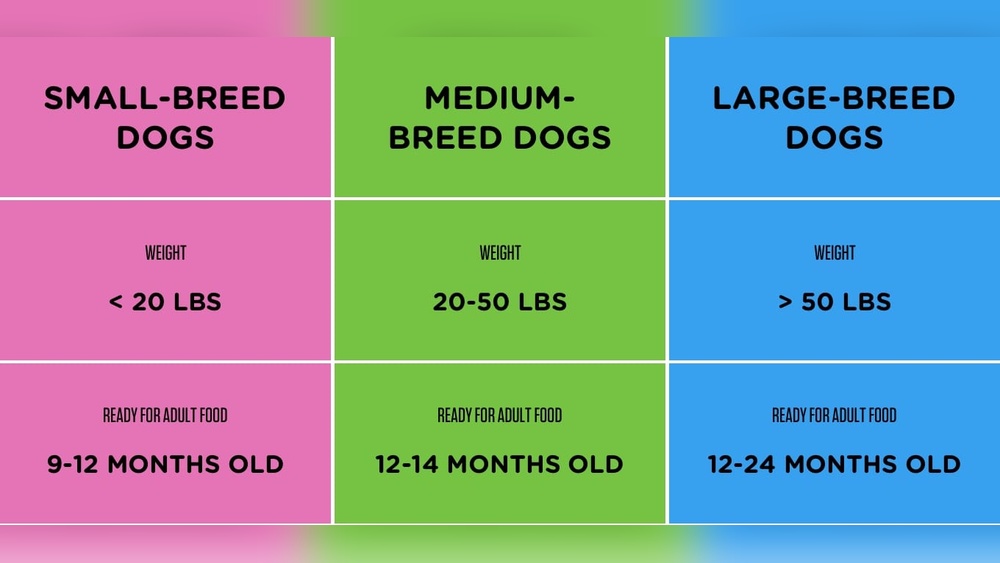
Small breeds grow faster than large breeds. Small dogs may finish growing by nine months. Large breeds keep growing up to 18-24 months. Giant breeds take even longer to mature.
Large breed puppies need special food to protect their joints. Their growth is steady but slower. Switching to adult food depends on breed size and maturity. Knowing your dog’s breed size helps choose the right time.
Credit: www.purina.com
Signs Your Dog Is Ready
Knowing when to switch your dog to adult food is important for their health. Dogs grow at different rates, so watching for signs helps you decide the right time. These signs show that your dog’s body and needs are changing. Pay attention to these clues to support your dog’s growth and energy.
Physical Indicators
Your dog’s size is a key clue. Puppies stop growing quickly and start looking more like adults. Their teeth change from sharp puppy teeth to stronger adult teeth. Coat texture may also change, becoming thicker or shinier. Weight gain slows down or stops as they reach adult size. These physical changes mean their body needs different nutrients.
Behavioral Changes
Adult dogs act differently than puppies. They may have less energy but more focus. Playtime may become calmer and less frequent. Your dog might show more independence and less need for constant attention. Eating habits can change too, with smaller meals and less frequent feeding. These behavior shifts suggest it is time for adult dog food.
Nutritional Differences
Understanding the nutritional differences between puppy food and adult dog food is important. Dogs have different needs as they grow. Their diet should change to support their health at each stage. Feeding the right food helps your dog stay strong and active.
As puppies become adults, their energy needs and nutrient requirements shift. Puppy food is rich in certain nutrients to support growth. Adult dog food focuses on maintaining health and preventing weight gain. Knowing these differences guides the best choice for your dog’s diet.
Puppy Food Vs Adult Food
Puppy food contains more calories. Puppies need extra energy to grow fast. It also has higher protein levels to build muscles and tissues. Fat content is usually higher to support brain development.
Adult dog food has fewer calories. Adult dogs need less energy to avoid weight gain. Protein remains important but at a balanced level. Fat is reduced to maintain a healthy weight. Fiber is often added to help digestion.
Feeding puppy food to an adult dog may cause obesity. Giving adult food to a puppy may slow growth. Choosing the correct food supports your dog’s health well.
Key Nutrients To Consider
Protein is essential for muscle repair and growth. Puppies need about 22-32% protein. Adult dogs need around 18-25% protein.
Fat provides energy and supports brain health. Puppies need 8-20% fat. Adult dogs need 5-15% fat.
Calcium and phosphorus help build strong bones. Puppies need higher levels for growing bones. Adults need balanced levels to maintain bone health.
Vitamins and minerals boost the immune system. Puppy food often has extra vitamins to support growth. Adult food focuses on maintaining overall health.
Credit: www.gallant.com
Timing Based On Breed Size
Different dog breeds grow at different speeds. The right time to switch to adult dog food depends on your dog’s breed size. Feeding adult food too early or too late can affect their health. Knowing when to change helps your dog get the best nutrients at the right time.
Small Breeds
Small breed dogs grow fast. Most small dogs reach adult size by 9 to 12 months. You can switch to adult dog food around this age. Their metabolism is faster, so adult food should support their active lifestyle. Watch their weight to avoid obesity.
Medium Breeds
Medium breed dogs grow a bit slower than small breeds. They usually grow fully by 12 to 15 months. Start feeding adult dog food near the one-year mark. This change helps maintain healthy growth and energy levels. Medium breeds need balanced nutrition for strong muscles and bones.
Large And Giant Breeds
Large and giant breeds grow the slowest. They can take up to 18 to 24 months to mature. Switch to adult dog food after 18 months or when growth slows down. These breeds need food with the right nutrients to support joints and bones. Proper timing helps prevent growth problems and keeps them healthy.
Transitioning Smoothly
Transitioning your dog to adult food requires care and patience. Sudden changes can upset their stomach and cause discomfort. A smooth switch helps your dog adapt to new nutrients easily. It also supports their overall health during this important change.
Gradual Food Changes
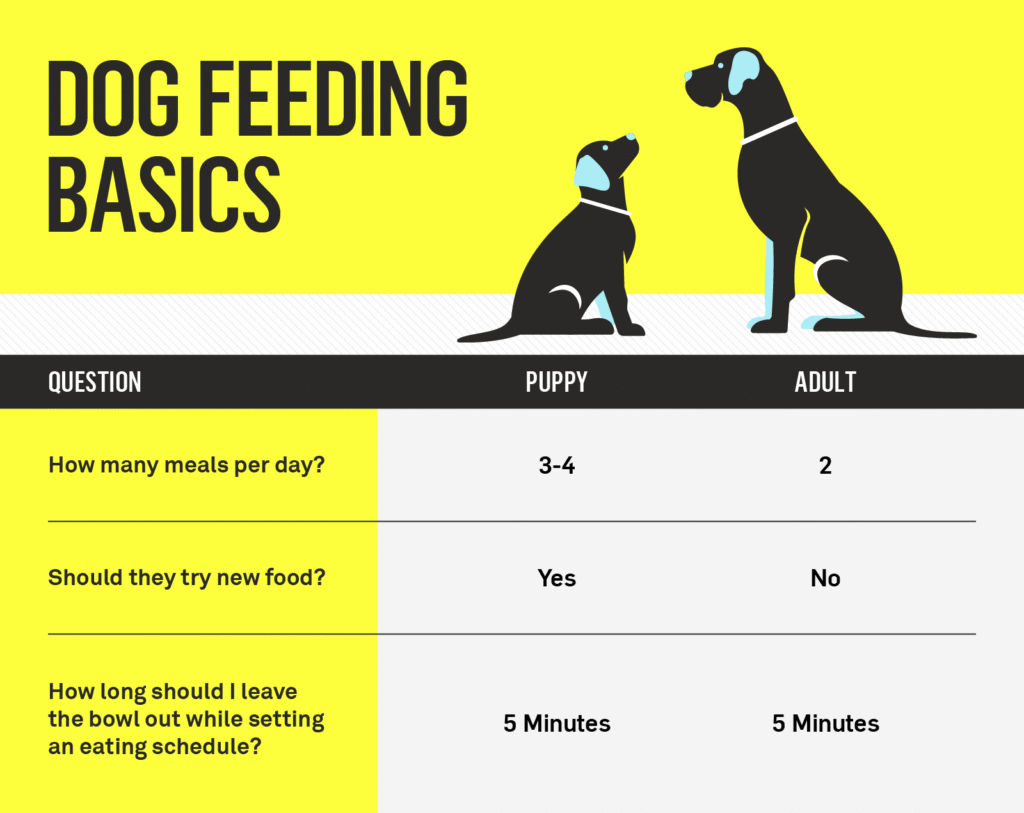
Start by mixing a small amount of adult food with puppy food. Increase the adult food slowly over 7 to 10 days. This slow change allows your dog’s digestive system to adjust. Watch how your dog reacts to each new mix. Keep the transition steady for best results.
Monitoring Digestive Health
Check your dog’s stool for any changes in texture or color. Soft or loose stools may mean the change is too fast. Watch for signs of discomfort like gas or vomiting. If problems appear, slow down the food transition. A healthy digestion means your dog is ready for adult food.
Veterinary Recommendations
Veterinary recommendations play a key role in deciding when to switch your dog to adult food. Vets understand the nutritional needs of dogs at different life stages. They help ensure your pet stays healthy during growth and beyond.
Consulting Your Vet
Talk to your vet about your dog’s age and health. They can tell you the best time to change food. Some dogs need the switch earlier or later than usual.
Your vet may check your dog’s weight and overall condition. This helps them suggest the right adult dog food. Regular check-ups keep your dog’s diet on track.
Adjusting Diet For Special Needs
Dogs with health issues need special diets. Your vet can recommend food that supports their condition. For example, dogs with allergies or kidney problems need specific nutrients.
Changing food slowly is important for sensitive dogs. Vets can guide you on how to do this safely. This avoids stomach upset and helps your dog adapt.
Frequently Asked Questions
When Is The Best Age To Switch To Adult Dog Food?
Most dogs should switch to adult food between 12 to 18 months. Large breeds may switch later, around 18 to 24 months. Check your vet’s advice for breed-specific timing to ensure proper growth and nutrition.
How Do I Know If My Puppy Needs Adult Dog Food?
Look for signs like slowed growth and increased activity. If your dog reaches maturity and shows less rapid development, it may be time to switch to adult food. Consult your vet for confirmation.
What Are The Benefits Of Adult Dog Food Over Puppy Food?
Adult dog food contains balanced nutrients suited for maintenance, not growth. It has fewer calories and adjusted protein to prevent obesity and support long-term health in mature dogs.
Can Switching Too Early To Adult Food Harm My Puppy?
Yes, switching too early may cause nutritional deficiencies and stunted growth. Puppies need extra nutrients for development. Always follow vet recommendations to ensure a smooth transition.
Conclusion
Switching to adult dog food matters for your pet’s health. Puppies need more nutrients to grow strong and healthy. Once they reach maturity, their diet should change. Adult dog food supports steady energy and weight control. Watch your dog’s size and behavior for signs to switch.
Consult your vet for the best time and food choice. Feeding the right food helps your dog live well. Keep your furry friend happy with proper nutrition every day. Small changes can make a big difference in their life.