

Have you ever wondered what happens if you give your adult dog puppy food? It might seem like a harmless switch or even a treat, but the truth is more complicated.
What you feed your dog affects their health, energy, and happiness every single day. You’ll discover the surprising effects of puppy food on adult dogs and why choosing the right diet matters more than you think. Keep reading to learn how to keep your furry friend healthy and thriving.
Differences Between Puppy And Adult Dog Food
Adult dogs and puppies have very different needs when it comes to food. Puppy food is made to help young dogs grow fast and stay healthy. Adult dog food focuses more on maintaining health and energy. Giving an adult dog puppy food can cause problems because the food is too rich for them. Understanding these differences helps keep dogs healthy at every stage of life.
Nutritional Needs Of Puppies
Puppies grow quickly. They need extra protein to build muscles and strong bones. Puppy food has more calories than adult food. This energy supports their active days and fast growth. Puppies also need more fat for brain development. Vitamins and minerals in puppy food help protect their health and boost immunity. The balance of nutrients in puppy food is designed to support growth and development.
Nutritional Needs Of Adult Dogs
Adult dogs need fewer calories than puppies. They require a balanced diet to maintain weight and energy. Adult food has less protein and fat than puppy food. This prevents weight gain and other health problems. Adults need fiber to help digestion and keep their stomachs healthy. Vitamins and minerals support long-term health and prevent disease. Their food focuses on steady energy and body maintenance rather than growth.
Potential Risks Of Feeding Puppy Food To Adult Dogs
Feeding puppy food to an adult dog may seem harmless. Puppy food is rich and designed for growing dogs. But adult dogs have different nutritional needs. Giving puppy food to adults can cause problems. These problems affect their health and wellbeing. Understanding these risks helps keep dogs healthy.
Weight Gain And Obesity
Puppy food contains extra calories for growth. Adult dogs do not need this much energy. Eating puppy food can lead to weight gain fast. Overweight dogs face health issues like joint pain and heart problems. Controlling weight is important for a long life.
Digestive Issues
Puppy food has more fat and protein. Adult dogs may find it hard to digest. This can cause upset stomachs and diarrhea. Some dogs may vomit or have gas. Digestive discomfort affects their mood and energy.
Nutrient Imbalance
Puppy food has different nutrient ratios than adult food. Too much calcium and phosphorus can harm adult dogs. It may affect their bones and kidneys. Adult dogs need balanced nutrients for maintenance, not growth. Feeding the wrong food can create long-term health problems.
When Puppy Food Might Be Appropriate For Adults
Puppy food is made with extra nutrients for growing dogs. Adult dogs usually do not need this much nutrition. Still, some adult dogs might benefit from puppy food for a short time. These cases need more energy or special care.
Feeding adult dogs puppy food is not common. It should be done only when their body needs more support.
Pregnant Or Nursing Dogs
Pregnant and nursing dogs need more calories and nutrients. Puppy food has higher protein and fat levels. This helps support both the mother and her puppies.
The extra nutrition keeps the mother healthy. It also helps her produce enough milk. Puppy food meets these demands better than regular adult food.
Highly Active Or Working Dogs
Dogs that work hard need more energy than average pets. Puppy food provides extra calories and nutrients. This helps maintain their strength and stamina.
Working dogs can include hunting dogs, service dogs, or dogs that exercise a lot. Puppy food supports their active lifestyle and muscle repair. It is a good choice for short periods of high activity.
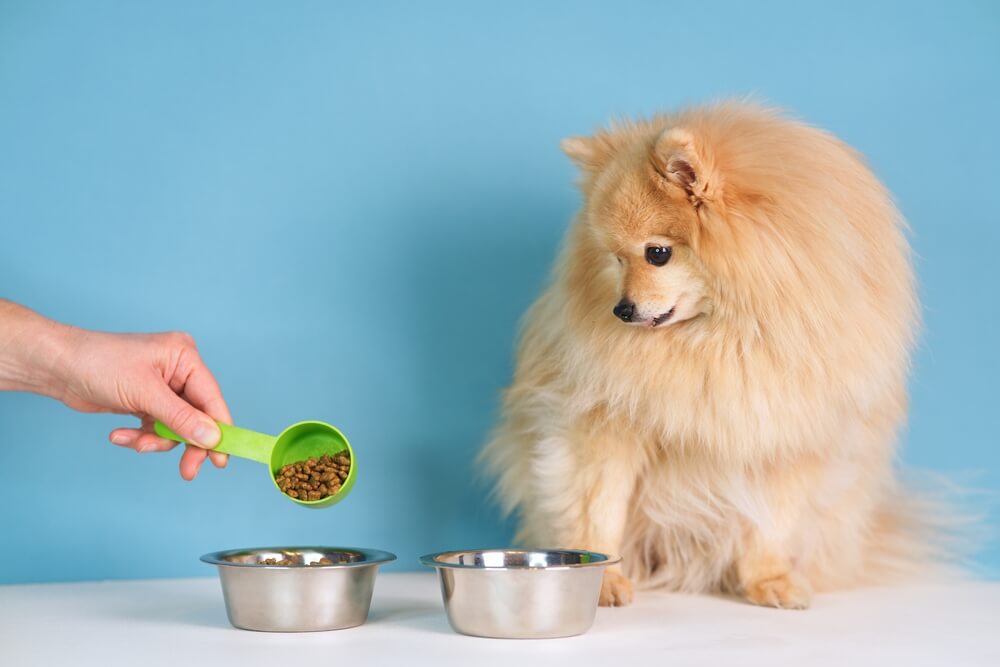
Credit: www.raisedrightpets.com
Signs To Watch For After Feeding Puppy Food
Feeding puppy food to an adult dog can lead to noticeable changes. These changes may affect your dog’s behavior and health. Watching for signs helps you act quickly and keep your dog safe. Below are key signs to watch for after feeding puppy food.
Behavioral Changes
Adult dogs may act restless or more energetic than usual. Some dogs become irritable or show signs of discomfort. Watch for changes in appetite, like eating more or less. Sudden tiredness or lack of interest in play can also occur. These behaviors may indicate your dog’s body is not adjusting well.
Physical Symptoms
Loose stools or diarrhea often appear after eating puppy food. Vomiting is another common sign of digestive upset. Some dogs develop a bloated belly or gas. Look for signs of itching or skin irritation. Weight gain may happen if the food is too rich for your adult dog.
How To Transition Your Dog’s Diet Safely
Changing your dog’s food needs care and patience. Sudden changes can upset their stomach. A smooth switch helps your dog feel good and keeps digestion steady. This section explains simple steps to change your dog’s diet safely.
Gradual Food Changes
Start by mixing a small amount of new food with the old. Slowly increase the new food over 7 to 10 days. Watch your dog’s reaction to the new food. If you see vomiting or diarrhea, slow the process. Gradual changes help the dog’s tummy adjust well.
Consulting A Veterinarian
Talk to a vet before changing your dog’s food. The vet can suggest the best diet for your dog’s age and health. They can spot health issues that affect diet choices. A vet’s advice keeps your dog safe and healthy during changes.
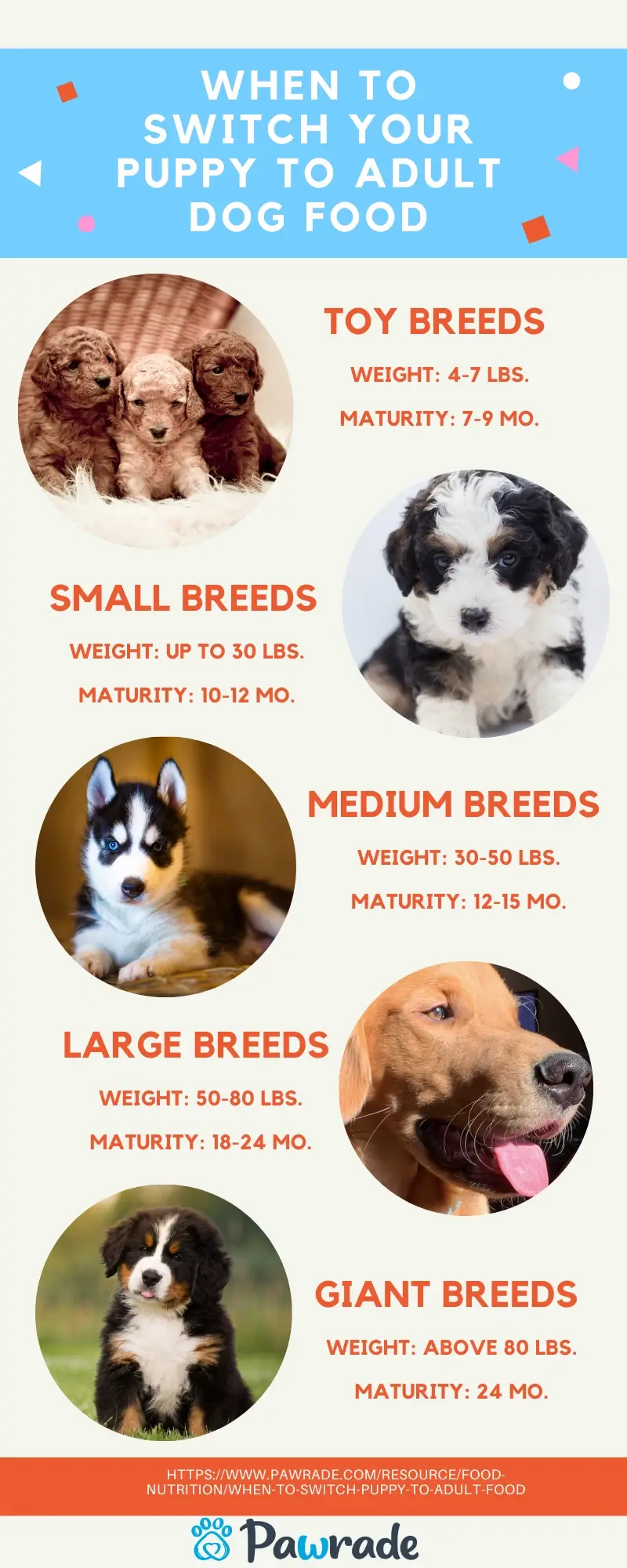
Credit: labiosthetique.ee
Alternatives To Puppy Food For Adult Dogs
Choosing the right food for adult dogs matters a lot. Puppy food is rich in nutrients for growing pups. Adult dogs need different nutrition to stay healthy and active. Many options exist beyond puppy food. These alternatives provide balanced nutrition for grown dogs.
Specialized Adult Dog Formulas
Adult dog formulas meet the specific needs of mature dogs. They contain the right amounts of protein and fat. These formulas support healthy weight and energy levels. Many brands offer options for different sizes and breeds. Some focus on sensitive stomachs or allergies. Choosing specialized food helps maintain good health over time.
Homemade Balanced Meals
Homemade meals can be a good choice for adult dogs. They allow control over ingredients and quality. A balanced meal includes protein, vegetables, and grains. Consulting a vet ensures the meal meets all nutritional needs. Fresh food can improve digestion and coat shine. Cooking meals at home takes time but can be rewarding for pet owners.
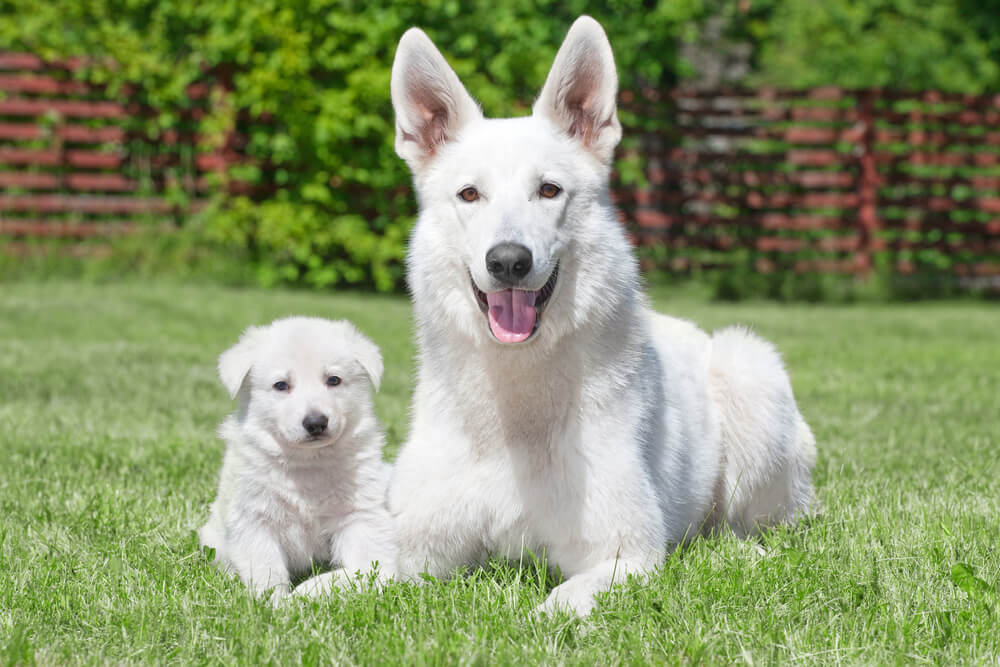
Credit: www.raisedrightpets.com
Frequently Asked Questions
Is Puppy Food Safe For Adult Dogs To Eat?
Yes, adult dogs can eat puppy food occasionally. However, puppy food is richer in calories and nutrients, which may lead to weight gain if fed regularly to adults.
What Happens If An Adult Dog Eats Puppy Food Daily?
Feeding puppy food daily to adults can cause obesity and digestive issues. Adult dogs have different nutritional needs that puppy food may not meet properly.
Can Adult Dogs Digest Puppy Food Easily?
Adult dogs can digest puppy food, but it is formulated for growing puppies. It contains higher fat and protein levels, which may be harder for some adults to process.
Will Puppy Food Cause Weight Gain In Adult Dogs?
Yes, puppy food’s higher calorie content can cause weight gain in adult dogs if fed regularly without portion control.
Conclusion
Feeding an adult dog puppy food occasionally is not harmful. Puppy food has extra nutrients meant for growth. Adult dogs need fewer calories and different nutrients. Too much puppy food can cause weight gain or stomach upset. Choose food that fits your dog’s age and health needs.
Always watch your dog’s reaction to any food change. Healthy eating supports a happy, active life for your dog. Keep your dog’s diet balanced for best results. Remember, proper nutrition helps your dog stay strong and healthy.


