

Is your dog constantly chasing cars every time you step outside? You’re not alone, and it can be both scary and frustrating.
This behavior isn’t just a nuisance—it can put your furry friend in real danger. But don’t worry, there are proven ways to help your dog break this habit for good. You’ll discover simple, effective steps you can take right now to keep your dog safe and calm during walks.
Keep reading to learn how to stop your dog from chasing cars and enjoy peaceful outings together.
Why Dogs Chase Cars
Dogs chasing cars is a common problem for many pet owners. Understanding why dogs chase cars helps to find the right solution. This behavior is often linked to natural instincts and emotions. Each dog may have different reasons for this action. Let’s explore the main causes behind car chasing.
Instinct And Prey Drive
Dogs have a strong prey drive from their wild ancestors. Moving cars can look like fast animals to chase. This triggers their natural hunting instincts. The chase becomes a way to satisfy these deep instincts. Even well-trained dogs may react this way.
Boredom And Energy Release
Dogs need regular exercise to stay calm and happy. Without enough play or walks, they get bored. Chasing cars becomes a way to burn extra energy. It gives them excitement and mental stimulation. Dogs with little activity often show this chasing behavior.
Fear And Anxiety Factors
Some dogs chase cars out of fear or stress. Loud noises or sudden movement can scare them. The chase is a way to control their anxiety. It helps them feel safer or protect their territory. These dogs need extra care and calm training.

Credit: www.amazon.com
Signs Your Dog May Chase Cars
Noticing signs that your dog may chase cars is important for safety. Dogs often show clear behaviors before they start chasing. Recognizing these signs early helps you manage and train your dog better.
Watching your dog closely can reveal clues about their intentions. Pay attention to their body language, triggers around them, and repeated behaviors. These hints show if your dog is likely to chase cars.
Body Language Cues
Your dog may stiffen their body and fix their eyes on moving cars. Their tail might rise and wag fast, showing excitement. Some dogs crouch low, ready to run. Watch for ears perked forward and focused attention. These signals mean your dog is getting ready to chase.
Common Triggers
Fast-moving cars often catch your dog’s attention quickly. Loud engine noises or honking can trigger chasing instincts. Your dog may react to sudden movements or bright headlights. Streets with heavy traffic increase the chance of chasing. Recognizing these triggers helps you avoid risky situations.
Behavior Patterns
Your dog might run after cars during walks or from your yard. They may bark or lunge at passing vehicles repeatedly. Some dogs get more excited after chasing once, repeating the behavior. Notice if your dog watches cars regularly or acts restless near roads. These patterns suggest a strong chasing habit.
Safety Precautions First
Stopping your dog from chasing cars starts with safety. Protecting your dog and others is the top priority. Taking strong safety steps helps prevent accidents and injuries. Begin with simple but effective actions to keep control and avoid danger.
Using Leashes And Harnesses
Always use a sturdy leash and harness outside. A strong leash stops your dog from running after cars. Harnesses give better control than collars. They reduce pulling and protect your dog’s neck. Keep the leash short near roads or busy areas. This helps you react quickly if your dog tries to chase.
Securing Your Yard
Make sure your yard is safe and secure. Check fences for gaps or holes your dog can escape through. A tall fence stops your dog from chasing cars on streets. Lock gates tightly to keep your dog inside. Use barriers if your yard is near a busy road. This prevents sudden dashes toward traffic.
Avoiding Risky Situations
Avoid places with heavy traffic during walks. Walk your dog in quiet, safe areas. Stay alert to cars, bikes, and joggers nearby. Use distractions like toys or treats to keep your dog focused. Never let your dog off leash near roads. This lowers the chance of chasing and accidents.
Training Techniques To Stop Chasing
Training your dog to stop chasing cars takes patience and clear methods. Dogs chase cars out of excitement or instinct. Teaching them new behaviors helps reduce this habit. Use simple, consistent training techniques to guide your dog’s focus.
Teaching Basic Commands
Start with basic commands like “sit,” “stay,” and “come.” These commands give you control over your dog’s actions. Practice in quiet places before trying outdoors. Use a calm voice and clear signals. Repetition helps your dog understand what you want.
Redirecting Attention
Shift your dog’s focus from cars to you. Use toys or treats to catch their interest. Call your dog’s name to get their attention. Reward them when they respond correctly. This teaches your dog to look at you, not cars.
Reward-based Training
Positive rewards encourage good behavior. Give treats or praise when your dog listens. Avoid punishment; it can cause fear or confusion. Rewarding success builds trust and motivation. Keep training sessions short and fun.
Behavior Modification Strategies
Behavior modification strategies help change your dog’s response to cars. These methods focus on teaching your dog calm and safe behavior. Patience and consistency are key to success.
Desensitization To Cars
Desensitization means slowly exposing your dog to cars. Start at a distance where your dog feels safe. Gradually bring your dog closer to moving cars over time. This helps reduce fear or excitement around cars. Keep sessions short and positive to avoid stress.
Counter-conditioning Methods
Counter-conditioning changes your dog’s feelings about cars. Pair the sight of cars with treats or toys. Your dog learns to associate cars with good things. This method can reduce chasing behavior by creating positive memories. Consistent practice makes the new habit stronger.
Using Distractions Effectively
Distractions redirect your dog’s focus away from cars. Use favorite toys or commands before cars appear. Reward your dog for paying attention to you, not the cars. This keeps your dog calm and controlled during walks. Distractions work best when introduced early and often.

Credit: www.youtube.com
Exercise And Mental Stimulation
Exercise and mental stimulation play a big role in stopping a dog from chasing cars. Dogs need to burn off energy and keep their minds busy. Without enough activity, dogs may act out by chasing moving objects like cars. Giving your dog enough exercise and mental challenges helps reduce this behavior.
Daily Physical Activity
Daily walks or runs help your dog use up extra energy. A tired dog is less likely to chase cars. Try to walk your dog twice a day for at least 30 minutes. Playing fetch or running in a safe yard also works well. Regular physical activity keeps your dog calm and focused.
Interactive Toys And Games
Toys that challenge your dog’s mind keep them busy. Puzzle toys or treat dispensers make dogs think and solve problems. These toys distract dogs from chasing cars. Playing hide and seek with toys or treats can also help. Mental games reduce boredom and unwanted chasing.
Training Sessions As Mental Workouts
Training is a great way to use your dog’s brain. Short sessions teaching commands or tricks build focus. Mental workouts tire your dog just like physical exercise. Use positive rewards to keep training fun. Consistent training helps your dog listen better and ignore cars.
When To Seek Professional Help
Knowing when to get professional help can save your dog and others from danger. Some behaviors need expert care. This section guides you on spotting signs and finding the right help.
Recognizing Persistent Issues
Your dog keeps chasing cars despite training efforts. This behavior risks injury to your pet and drivers. It may also cause accidents or fines. Constant chasing shows the need for help beyond home training. Watch for repeated attempts and lack of response to commands. These signs mean professional intervention is necessary.
Choosing A Trainer Or Behaviorist
Pick a trainer with experience in dog chasing problems. Look for certified behaviorists or trainers with good reviews. Ask about their methods and success rates. Avoid harsh punishment techniques. Positive reinforcement works best for lasting change. Find someone who understands your dog’s breed and personality. This ensures a tailored approach that fits your dog’s needs.
Working With Professionals
Expect an initial assessment of your dog’s behavior. The expert will create a training plan. Sessions may include controlled exposure to cars and teaching alternative behaviors. Patience and consistency are key during training. Follow all instructions carefully for best results. Professionals can help reduce risk and improve your dog’s safety. Their guidance supports a calm, well-behaved pet.
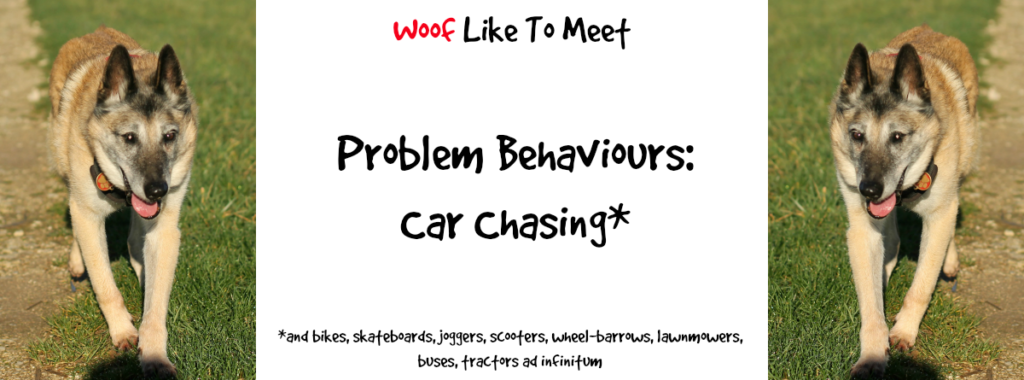
Credit: www.woofliketomeet.com
Frequently Asked Questions
How Can I Train My Dog To Ignore Moving Cars?
Use positive reinforcement to reward your dog for calm behavior near roads. Start training in a safe, enclosed area. Gradually expose your dog to car sounds and movements while maintaining control. Consistent practice and patience help your dog learn to focus away from cars.
Why Does My Dog Chase Cars Aggressively?
Dogs often chase cars due to instinct, boredom, or lack of exercise. It can also be a response to excitement or frustration. Identifying the cause helps tailor training and exercise to reduce this behavior effectively and safely.
What Tools Help Prevent Dogs From Chasing Cars?
Leashes, harnesses, and head halters offer better control during walks. Training aids like clickers and treats reinforce positive behavior. Avoid retractable leashes as they give less control near traffic, increasing safety risks.
When Should I Seek Professional Help For Car Chasing?
If your dog’s car chasing is persistent or dangerous, consult a professional trainer. Behavioral experts can develop customized plans. Early intervention improves results and keeps your dog and others safe on the road.
Conclusion
Stopping your dog from chasing cars takes patience and practice. Teach commands like “stay” and “come” daily. Use a leash to keep control during walks. Reward calm behavior with treats and praise. Keep training short and consistent for best results.
Remember, safety for your dog and others is the top goal. Stay calm and positive throughout the process. Small steps lead to big changes over time. Your dog can learn to stay safe around cars. Keep trying, and you will see progress soon.


