
Are you wondering when your furry friend is ready to switch from puppy food to adult food? Making this change at the right time is crucial for your dog’s health and growth.
Feed them too early, and they might miss out on essential nutrients; wait too long, and they could gain unwanted weight or face digestion issues. You’ll discover the simple signs to look for and expert tips to help you make the best choice for your dog’s diet.
Keep reading to ensure your pet stays happy, healthy, and full of energy every step of the way.
Credit: companionpethospital.com
Puppy To Adult Food Timeline
The transition from puppy food to adult food is an important step in your dog’s life. This change supports their growth and health as they mature. Knowing the right time to switch helps avoid nutrition gaps or excesses.
The timeline varies by age, breed, and size. Paying attention to these factors ensures your dog stays strong and happy. Here is a clear guide to help you understand the best timing for this food change.
Age Milestones For Switching
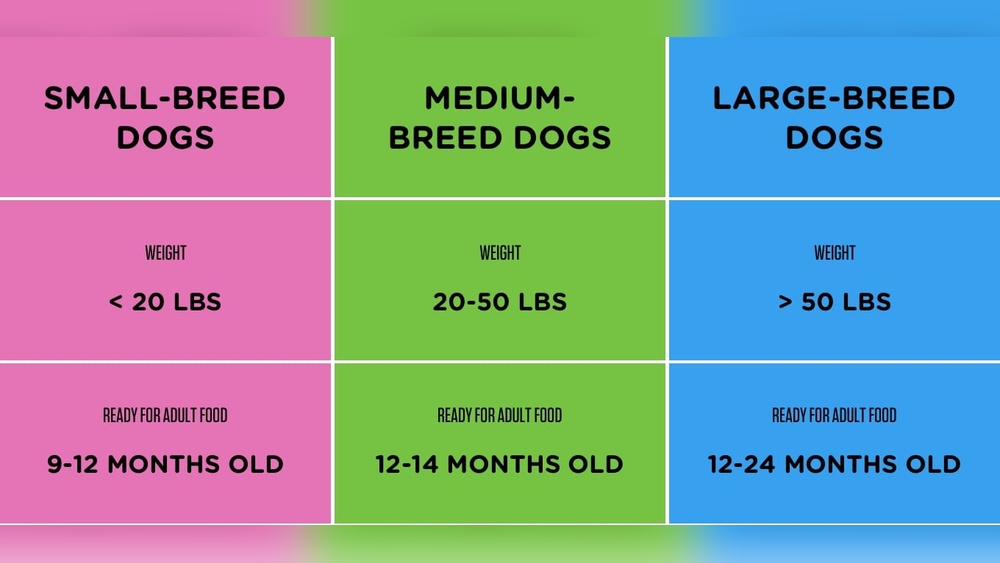
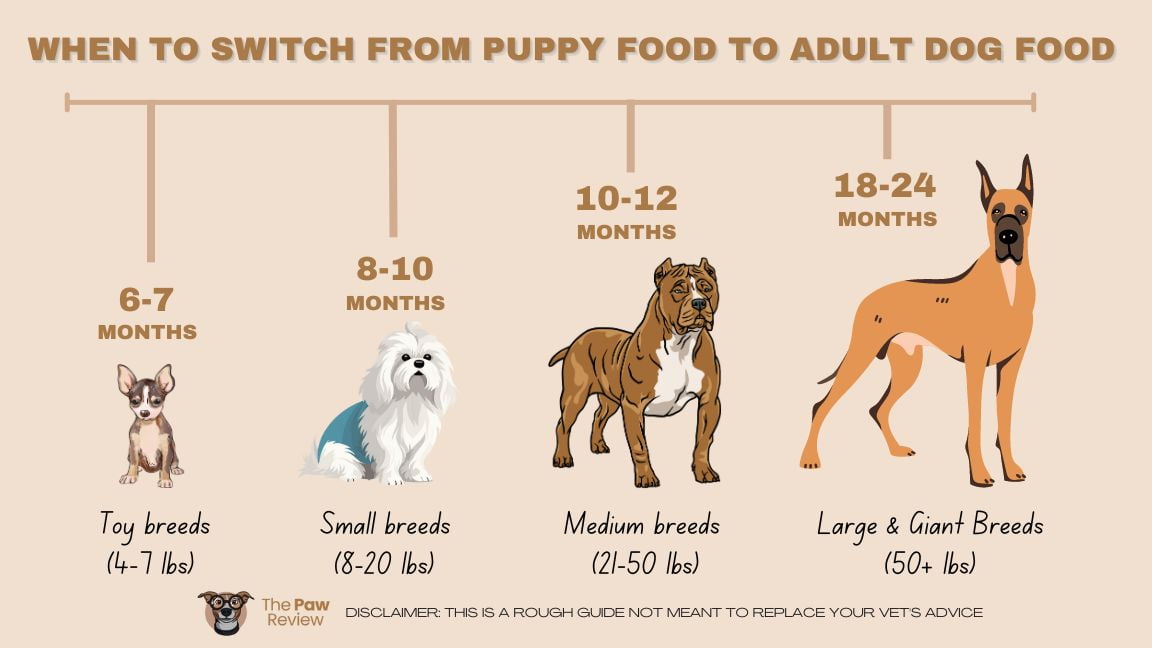
Puppies grow fast in the first year. Most dogs start adult food between 9 and 12 months old. Small breeds may switch closer to 9 months. Large breeds often wait until 12 to 18 months.
Switching too early can cause nutrient shortages. Waiting too long may lead to weight gain or poor digestion. Watch your puppy’s growth and energy levels closely during this period.
Breed And Size Considerations
Breed size affects how quickly dogs mature. Small breeds reach adulthood faster than large breeds. Small dogs often need adult food by 9 months. Large breeds grow longer and need puppy food longer.
Large breed puppies require special nutrition for bone health. Their adult food switch might happen after 12 months. Medium breeds fall between small and large breed timelines. Always check breed-specific advice for best results.
Credit: paw-review.com
Signs Your Dog Is Ready
Knowing when your dog is ready for adult food is important. Puppies grow fast and their diets must change to keep up. Watch your dog closely. Signs show when it is time to switch foods. These signs help keep your dog healthy and strong.
Physical Development
Your puppy’s body changes as it grows. Teeth become bigger and stronger. Puppy teeth fall out, making room for adult teeth. Muscle and bone growth speed up. The dog may look taller and heavier. These changes mean your dog can digest adult food better.
Coat changes also happen. The soft puppy fur turns into adult fur. This shows your dog is maturing. Their energy needs shift too. Adult food matches their new energy levels. Watch for these signs to know the right feeding time.
Behavioral Changes
Your puppy’s behavior changes as it grows. They become less hungry for small meals. The dog may show more interest in adult food smells. Appetite becomes steadier and more predictable. Puppies start eating less often but larger amounts.
Activity levels change too. Your dog may be less hyper but more focused. These changes show your puppy is ready for adult food. Pay attention to these behaviors. They guide you to feed your dog properly.
Choosing The Right Adult Food
Choosing the right adult food for your dog is very important. It helps keep your dog healthy and happy. Adult dog food gives the right nutrients for energy and body care. Picking the best food means understanding what your dog needs now. This guide helps you choose the best adult food for your dog’s stage of life.
Nutritional Needs By Age
Dogs need different nutrients at different ages. Puppies need more protein and fat for growth. Adult dogs need balanced nutrients to maintain health. Older dogs often need fewer calories and more fiber. Choose food made for your dog’s current age group. Age-specific food supports your dog’s body well.
Ingredients To Look For
High-quality protein should be the first ingredient. Meat, fish, or poultry are good protein sources. Whole grains like rice or oats provide energy. Vegetables add vitamins and minerals. Healthy fats like fish oil help the coat and skin. Natural ingredients support your dog’s overall health.
Avoiding Harmful Additives
Stay away from foods with artificial colors or flavors. These can upset your dog’s stomach. Avoid foods with many preservatives or fillers. Too much salt or sugar harms your dog’s health. Choose food with simple, clear ingredient lists. Clean food means a healthier dog.
Transitioning Gradually
Switching your dog from puppy food to adult food needs care. A slow change helps your dog’s stomach adjust. Sudden changes can cause upset or refusal to eat. A gentle transition keeps your dog healthy and happy.
Step-by-step Food Introduction
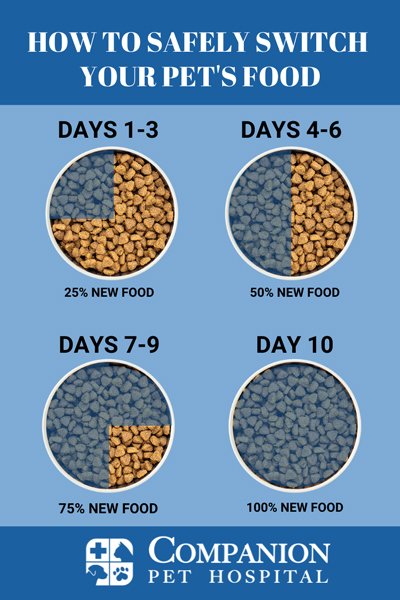
Start by mixing 25% adult food with 75% puppy food. Feed this mix for three days. Then, increase adult food to 50%. Continue for another three days. Next, move to 75% adult food and 25% puppy food. After three more days, give only adult food. This slow change helps your dog accept the new food.
Monitoring Digestive Health
Watch for signs of stomach upset during the switch. Loose stools or vomiting may mean the change is too fast. Your dog might feel gassy or have less appetite. If problems happen, slow the transition more. Keep fresh water available to help digestion.
Adjusting Portions
Adult dogs eat different amounts than puppies. Check the feeding guide on the food package. Adjust portions based on your dog’s weight and activity. Avoid overfeeding to prevent weight gain. Smaller, more frequent meals can help during the change.
Common Challenges And Solutions
Switching your dog to adult food can bring some challenges. These problems can make the transition harder for both you and your pet. Understanding common issues helps you handle them better. This way, your dog adjusts smoothly to the new diet.
Picky Eaters
Many dogs refuse to eat new food at first. They may like their puppy food better. Try mixing old and new food slowly over several days. Warm the food slightly to bring out the smell. Sometimes, adding a small amount of broth can help. Be patient and keep offering the new food regularly.
Allergic Reactions
Adult food may contain ingredients your dog is allergic to. Watch for itching, redness, or swelling after meals. Vomiting or diarrhea can also appear. Stop the new food immediately if these signs show. Consult your vet for allergy testing or advice. Choose hypoallergenic food options to avoid triggers.
Digestive Upset
Changing food can cause upset stomach or loose stools. This happens because the gut needs time to adapt. Feed smaller portions more often during the change. Add probiotics or plain pumpkin to soothe digestion. Keep fresh water available to prevent dehydration. If symptoms last more than a few days, see your vet.
Credit: www.bluebuffalo.com
Expert Tips For Long-term Health
Ensuring your dog’s health over the years requires smart care and attention. Experts suggest some key habits to keep your dog strong and happy. These tips support the transition to adult food and beyond. Healthy dogs live longer and feel better every day.
Regular Vet Checkups
Schedule vet visits at least twice a year. Vets check your dog’s weight, teeth, and overall health. Early illness signs often go unnoticed at home. Vets can adjust food plans to fit your dog’s needs. These visits keep your dog on track for a healthy life.
Balanced Diet And Exercise
Choose food rich in protein, vitamins, and minerals. Avoid foods with fillers or artificial ingredients. Exercise helps your dog maintain a healthy weight and strong muscles. Daily walks or playtime keep your dog active and happy. Balance food and movement for best health results.
Hydration Importance
Water keeps your dog’s body working well. Always provide fresh, clean water every day. Dehydration can cause serious health problems fast. During hot weather, watch your dog’s water intake closely. Proper hydration supports digestion, skin, and energy levels.
Frequently Asked Questions
When Can Puppies Start Eating Adult Dog Food?
Puppies can usually start adult dog food at 12 months old. Large breeds may need up to 18 months. Transition gradually over 7-10 days to avoid digestive upset.
Why Switch From Puppy To Adult Dog Food?
Adult dog food meets mature dogs’ nutritional needs. It contains fewer calories and less fat than puppy food. This helps maintain a healthy weight and supports overall health.
How To Transition A Dog To Adult Food?
Mix increasing amounts of adult food with puppy food over 7-10 days. Monitor your dog’s digestion and appetite. Stop using puppy food once fully transitioned to adult food.
Can Small Breeds Switch To Adult Food Earlier?
Yes, small breeds often mature faster and can switch around 9-12 months. Follow breed-specific guidelines and consult your vet for the best timing.
Conclusion
Feeding your dog adult food at the right time is very important. Puppies grow fast and need special nutrition. Usually, dogs can start adult food around one year old. Watch your dog’s size, breed, and health for signs. Changing food too soon can upset their stomach.
Always introduce new food slowly. Talk to your vet if unsure. Healthy eating helps dogs live longer and stay happy. Remember, good food means a strong, joyful dog. Take care with their diet and enjoy your time together.

