

Are you wondering when the right time is to switch your furry friend to adult dog food? Choosing the best diet for your dog can feel confusing, but it’s one of the most important decisions you’ll make for their health and happiness.
Feeding your dog the right food at the right time helps them grow strong, stay active, and live a longer life. Keep reading to discover exactly when you should make the change and how to do it smoothly for your pet’s well-being.
Your dog’s future depends on the choices you make today—let’s get it right together.
Puppy Growth Stages
Puppy growth happens fast. Each stage shows new changes in size and behavior. Understanding these stages helps decide when to switch to adult dog food. Proper nutrition supports strong bones, muscles, and brain development. Feeding the right food at the right time keeps puppies healthy and happy.
Key Development Phases
Puppies grow through clear phases. The first phase is neonatal, lasting about two weeks. Puppies rely on their mother’s milk. Next comes the transition phase, from two to four weeks. Puppies start eating soft food and exploring more.
The socialization phase lasts from four to twelve weeks. Puppies learn to interact with people and other dogs. After that is the juvenile phase, from three to six months. Growth slows but muscles and bones get stronger. The final phase before adulthood is adolescence, lasting up to one year. Puppies become more independent and active.
Nutritional Needs By Age
Newborn puppies need high-fat, high-protein milk from their mother. At four weeks, soft, nutrient-rich food helps support growth. From three to six months, puppies need more calories and nutrients for muscle and bone development.
During adolescence, balanced nutrition prepares puppies for adult life. Protein helps build muscles. Calcium and phosphorus support bones. Too much or too little of these can cause problems.
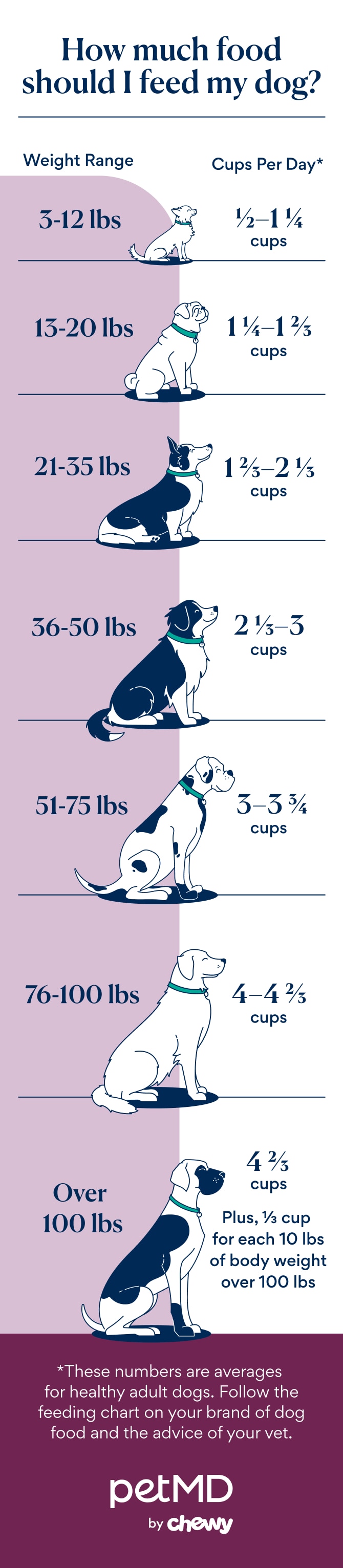
Knowing these needs makes switching to adult food at the right time easier. This switch usually happens around one year, but it depends on the breed and size. Large breeds mature slower than small breeds.
Credit: www.petmd.com
Signs Your Dog Is Ready
Knowing when to switch your dog to adult food is important for their health. Dogs grow fast, but each one changes at its own pace. You can tell your dog is ready by watching their body and behavior closely. These signs help you choose the right time to change their diet.
Physical Indicators
Your dog’s body shows clear signs of growth and change. Their puppy coat may start to look thicker and shinier. Teeth become stronger and fully grown. Weight gain slows down, and muscle develops more. Your dog’s size will be close to what it will be as an adult. These signs mean their body needs different nutrients now.
Behavioral Changes
Behavior can also tell you if your dog is ready for adult food. Puppies often act very playful and full of energy. As they grow, they may calm down and become less hyperactive. Their eating habits might change too. They may eat less often but consume more at once. These changes show your dog’s body is maturing and ready for adult food.
Choosing The Right Adult Food
Choosing the right adult food for your dog is very important. It helps keep your dog healthy and strong. Adult dogs have different needs than puppies. Their food should support their energy level and body condition. Good food helps maintain a shiny coat and strong muscles. It also supports digestion and overall health. Knowing what to look for in adult dog food can make feeding easier and better.
Ingredients To Look For
Choose dog food with real meat as the first ingredient. Meat provides important protein for muscles. Whole grains like brown rice or oats supply energy. Vegetables such as carrots and peas add vitamins and fiber. Healthy fats like fish oil support skin and coat health. Avoid foods that list too many fillers or artificial additives. Natural ingredients help your dog stay active and healthy.
Avoiding Common Pitfalls
Beware of foods with too many fillers like corn or wheat. These offer little nutrition and can cause allergies. Avoid products with artificial colors, flavors, or preservatives. These can upset your dog’s stomach or cause health issues. Don’t choose food just because it is cheap. Low-quality food can harm your dog’s health over time. Always check the label for clear, simple ingredients that meet your dog’s needs.

Credit: shop.bullymax.com
Transitioning To Adult Food
Transitioning your dog to adult food is an important step in their growth. Puppies need more nutrients, but adult dogs have different needs. Changing food too fast can cause stomach problems. A slow, careful switch helps your dog adjust well.
Step-by-step Feeding Guide
Start by mixing 25% adult food with 75% puppy food for three days. Then, change to half adult food and half puppy food for another three days. Next, mix 75% adult food with 25% puppy food for three more days. Finally, feed only adult food. Watch your dog’s reaction during this time.
Managing Digestive Adjustments
Some dogs may have soft stools or mild diarrhea during the switch. Keep fresh water available at all times. Avoid giving treats or other foods to reduce upset. If problems last more than a week, consult your vet. Patience is key for a smooth transition.
Breed And Size Considerations
Choosing the right time to switch your dog to adult food depends on their breed and size. Different breeds grow at different speeds. Size also plays a big role in when they need adult food. Understanding these factors helps keep your dog healthy and strong. Each dog’s needs vary based on these traits.
Small Vs. Large Breeds
Small breed dogs grow faster and reach adulthood sooner. They usually need adult food by 9 to 12 months old. Their metabolism is faster, so they need more calories in less food.
Large breed dogs grow slower and take longer to mature. They often need puppy food until 12 to 18 months old. This helps support their bones and joints during growth. Switching too early can cause health problems.
Special Dietary Needs
Certain breeds have unique dietary needs based on health and size. For example, large breeds may require food with extra nutrients for bone strength. Small breeds might need food designed for faster metabolism and dental health.
Some dogs need special diets due to allergies or medical conditions. Always check with your vet about the best adult food for your dog’s breed and size. Tailoring food to your dog keeps them healthy and happy.
Credit: www.ralphs.com
Veterinarian Recommendations
Veterinarian advice plays a key role in deciding when to switch your dog to adult food. Vets understand dog health and growth patterns well. They offer guidance based on breed, size, and health status. Following their advice helps keep your dog healthy and strong.
When To Consult A Vet
Visit a vet before changing your dog’s diet. Puppies grow at different rates. Some may need adult food earlier or later. Health issues can affect food needs too. A vet checkup ensures the timing is right. It also helps spot any growth or health problems early.
Tailoring Nutrition Plans
Every dog has unique nutrition needs. Vets create food plans based on age, weight, and activity. They adjust portions and food type as dogs grow. This helps provide the right nutrients at the right time. Tailored plans support healthy bones, muscles, and energy levels.
Frequently Asked Questions
When Should I Switch My Puppy To Adult Dog Food?
You should switch to adult dog food when your puppy reaches about 12 months old. Large breeds may need adult food later, around 18-24 months. This change supports their growth and energy needs appropriately.
Why Is Timing Important For Giving Adult Dog Food?
Timing is crucial because feeding adult food too early can cause nutritional gaps. Puppies require more calories and nutrients for growth. Feeding adult food too late may lead to excess weight gain or digestive issues.
How To Know If My Dog Is Ready For Adult Food?
Look for signs like slowed growth and changed energy levels. Your vet can confirm readiness based on age and health. Most dogs are ready around one year but individual needs vary.
Can I Mix Puppy And Adult Food During Transition?
Yes, gradually mix adult food with puppy food over 7-10 days. This helps your dog adjust without stomach upset. Increase adult food proportion slowly until fully transitioned.
Conclusion
Feeding your dog adult food at the right time helps their growth. Usually, dogs switch to adult food around one year old. Small breeds may need the change sooner, while large breeds might take longer. Watch your dog’s size, energy, and health for clues.
Proper nutrition supports their strength and happiness. Always choose food made for adult dogs to meet their needs. Changing food gradually avoids stomach problems. Knowing when to give adult food keeps your dog healthy and active. Simple steps lead to a happy, healthy pet.


