

Is your adult dog struggling with constipation? It can be uncomfortable and worrying for both you and your furry friend.
The good news is that what your dog eats plays a big role in keeping their digestive system running smoothly. You’ll discover the best foods to help relieve constipation and support your dog’s health. By making simple changes to your dog’s diet, you can help them feel better faster.
Keep reading to learn which foods can make a real difference for your dog’s comfort and well-being.
Causes Of Constipation In Dogs
Constipation in adult dogs can cause discomfort and health problems. Understanding its causes helps in prevention and treatment. Several factors may contribute to this condition. Identifying these factors is key to keeping your dog healthy and happy.
Dietary Factors
Poor diet often leads to constipation in dogs. Low fiber intake slows down bowel movements. Too many bones or dry food can also cause blockages. Lack of water intake worsens constipation. Feeding balanced meals with fiber and moisture helps digestion.
Medical Conditions
Certain illnesses can cause constipation in dogs. Conditions like dehydration, kidney disease, or pain may affect bowel health. Intestinal blockages or tumors also lead to this issue. Some medications have side effects that slow digestion. Regular vet check-ups catch these problems early.
Lack Of Exercise
Inactive dogs tend to have slower digestion. Exercise stimulates bowel movements and muscle tone. Dogs that stay indoors or are less active face constipation risks. Daily walks and playtime improve their gut health. Movement helps maintain regular bathroom habits.
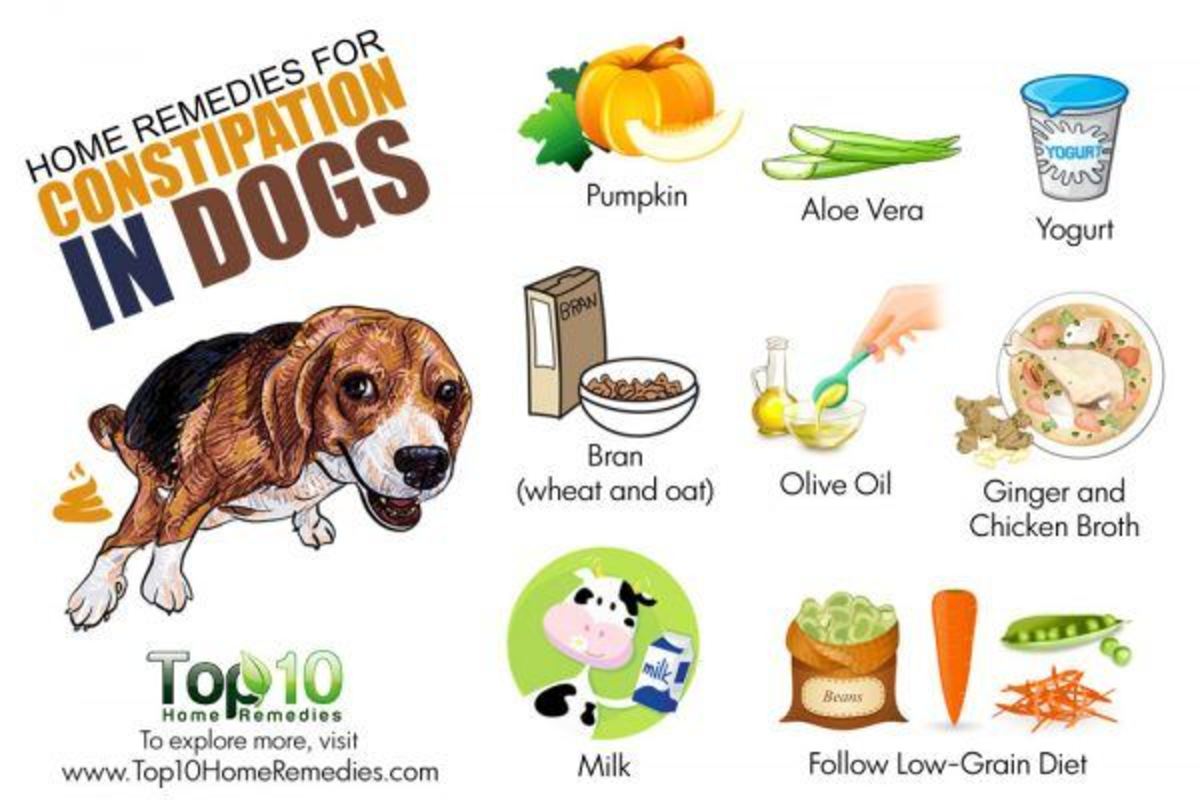
Credit: www.masseriagalatea.it
Signs Of Constipation In Adult Dogs
Constipation in adult dogs can cause discomfort and health issues. Recognizing signs early helps you take action fast. Knowing what to watch for makes a difference. Dogs cannot tell us when they feel uncomfortable. Observing their behavior and physical changes is key.
Changes In Bowel Movements
One clear sign is a change in your dog’s bathroom habits. Straining or difficulty passing stools shows trouble. Stools may become hard, dry, or small in size. Your dog might not poop for several days. This delay signals constipation. Watch for any unusual effort during bowel movements.
Behavioral Symptoms
Constipation affects how your dog acts. They might become restless or seem uncomfortable. Your dog could lick their rear more often. Some dogs show signs of irritability or mood changes. Loss of appetite is common with constipation. They may also avoid usual activities or walks.
Physical Discomfort
Physical signs reveal your dog’s pain. Swollen or hard belly feels tender on touch. Your dog might cry or whine when sitting or lying down. Tail wagging may decrease due to discomfort. Sometimes, they may vomit or show signs of nausea. These symptoms need attention to relieve pain quickly.
Fiber-rich Foods For Relief
Fiber is key to easing constipation in adult dogs. It helps food move smoothly through the digestive tract. Fiber also adds bulk to the stool, making it easier to pass. Including fiber-rich foods in your dog’s diet can improve their bowel health and comfort.
Natural sources of fiber are gentle and effective. These foods support digestion without causing upset. Here are some fiber-rich options that work well for dogs with constipation.
Pumpkin And Squash
Pumpkin and squash are excellent fiber sources for dogs. They contain both soluble and insoluble fiber. This combination helps regulate digestion and soften stools. These vegetables also provide vitamins and minerals. Serve them cooked and plain, without spices or sugar.
Sweet Potatoes
Sweet potatoes are rich in dietary fiber. They help increase stool bulk and moisture. This makes bowel movements easier and less painful. Sweet potatoes also supply antioxidants that support overall health. Cook them thoroughly and avoid adding salt or seasoning.
Green Beans
Green beans offer a low-calorie fiber option for dogs. They are high in insoluble fiber that aids digestion. These beans can be steamed or boiled until soft. Avoid canned green beans with added salt or preservatives. Green beans add variety and fiber to your dog’s meals.
Hydrating Foods And Fluids
Hydrating foods and fluids play a key role in easing constipation in adult dogs. These foods help soften the stool and support healthy digestion. Proper hydration can make a big difference in your dog’s comfort and bowel movements.
Including water-rich foods and fluids in their diet boosts their fluid intake. This helps prevent dry, hard stools that cause discomfort and strain.
Water-rich Vegetables
Vegetables like cucumber, zucchini, and celery contain high water content. They add moisture to your dog’s diet naturally. These veggies also provide fiber, which helps move food through the digestive tract. Chop them into small pieces for easier eating. Fresh, raw vegetables work best for hydration.
Broth And Soups
Broth and soups offer tasty hydration for dogs. Low-sodium chicken or beef broth is gentle on the stomach. It encourages drinking and adds fluids without extra calories. Homemade broths without spices or onions are safest. Warm broth can stimulate appetite and support digestion.
Importance Of Hydration
Water is essential for soft stool and regular bowel movements. Dehydrated dogs often have constipation issues. Encourage your dog to drink fresh water throughout the day. Use clean bowls and place water in multiple spots. Hydration supports overall health and eases digestive problems.
Probiotic And Digestive Support
Probiotics and digestive support play a key role in easing constipation in adult dogs. These help balance the good bacteria in the gut. A healthy gut improves digestion and promotes regular bowel movements. Feeding dogs foods rich in probiotics can aid their digestive health naturally.
Yogurt And Kefir
Yogurt and kefir contain live bacteria that benefit a dog’s gut. These foods introduce friendly microbes that help break down food better. Plain, unsweetened yogurt is best to avoid added sugars and flavors. Small amounts added to meals can improve digestion and soften stools.
Fermented Vegetables
Fermented vegetables like sauerkraut and kimchi provide natural probiotics. These veggies support gut health and encourage healthy bowel movement. Use plain, low-salt versions to keep dogs safe. Start with tiny portions to see how your dog reacts.
Supplements
Probiotic supplements offer a convenient way to boost digestive health. Look for products made for dogs with strains like Lactobacillus or Bifidobacterium. These can help restore gut balance and relieve constipation. Consult your vet before starting any supplement for proper dosing and safety.
Foods To Avoid For Constipated Dogs
Certain foods can make constipation worse in adult dogs. Avoiding these foods helps your dog’s digestion and comfort. Poor diet choices slow down the digestive system. This can lead to harder stools and pain.
Knowing which foods to skip is important. It supports your dog’s health and speeds up recovery.
High-fat Or Processed Foods
High-fat and processed foods are hard to digest. They can slow the bowel movement and cause constipation. These foods often lack fiber, which dogs need for healthy digestion. Avoid giving your dog fast food, fried snacks, or processed meat treats. Stick to fresh, natural ingredients for better gut health.
Dairy Products
Many dogs cannot digest dairy well. Milk, cheese, and yogurt can upset their stomachs. Dairy can cause dehydration and worsen constipation symptoms. It may lead to gas, bloating, and discomfort. Choose non-dairy treats or dog-safe alternatives to keep your dog comfortable.
Bones And Hard Treats
Bones and very hard treats are risky for constipated dogs. They can cause blockages or tears in the digestive tract. Hard treats also slow down stool movement and cause pain. Avoid giving your dog cooked bones or tough chew sticks. Soft, easy-to-digest treats are a safer choice during constipation.
Additional Remedies And Tips
Constipation in adult dogs can be uncomfortable and worrying. Besides feeding the right foods, some extra steps can help ease your dog’s discomfort. These remedies support digestion and keep your dog healthy. Simple actions often make a big difference in your dog’s bowel health.
Regular Exercise
Exercise helps move food through the digestive system. Daily walks or playtime encourage bowel movements. Even gentle activity can relieve constipation. Try to keep your dog active for at least 30 minutes a day. This improves muscle tone and digestion.
Massage And Physical Therapy
Massaging your dog’s belly may stimulate the intestines. Use gentle, circular motions around the stomach area. This can help move stool along the colon. Some dogs respond well to light physical therapy. Consult a professional if you want to try therapy techniques safely.
When To See A Vet
Constipation lasting more than two days needs veterinary attention. Signs like vomiting, lethargy, or pain require urgent care. A vet can check for blockages or other health issues. Do not delay if your dog shows severe symptoms. Early treatment prevents serious complications.
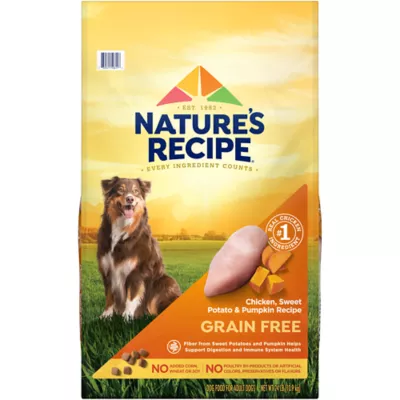
Credit: www.petsmart.com

Credit: www.amazon.com
Frequently Asked Questions
What Foods Help Relieve Constipation In Adult Dogs?
High-fiber foods like pumpkin, sweet potatoes, and green beans aid digestion. These foods add bulk and soften stool for easier passage. Adding fiber-rich fruits and vegetables improves bowel regularity and reduces constipation risks.
Can Dog-safe Fruits Treat Constipation Effectively?
Yes, fruits like apples and pears provide fiber and hydration. They help soften stools and promote bowel movement. Always remove seeds and feed in moderation to avoid stomach upset.
How Much Fiber Should An Adult Dog Eat Daily?
Dogs typically need 2-4% fiber in their diet for healthy digestion. Fiber amounts vary by dog size and health. Consult your vet for personalized fiber recommendations to prevent constipation.
Are Commercial High-fiber Dog Foods Good For Constipation?
Yes, many commercial diets are formulated with added fiber. They support regular bowel movements and digestive health. Choose vet-approved brands to ensure balanced nutrition and safe constipation relief.
Conclusion
Feeding your dog the right foods helps ease constipation naturally. Fiber-rich options like pumpkin and sweet potatoes support healthy digestion. Fresh water is also key to keep your dog hydrated. Regular exercise boosts bowel movements and overall health. Always watch your dog’s behavior for signs of discomfort.
Consult your vet if constipation lasts or worsens. Healthy eating and care can keep your dog happy and comfortable. Small changes in diet make a big difference over time. Simple steps lead to better digestion and a healthier pet.


